

×

Philippines🇵🇭 | townsBalabacCoral reefs, sandbars, remote islands | things to do and best time to go

Explore DumaranExplore Aparri

Backpacking in Balabac
👍 Recommendedtown ranked #8
By Johan Kruseman 🇳🇱 | Updated September 4, 2026

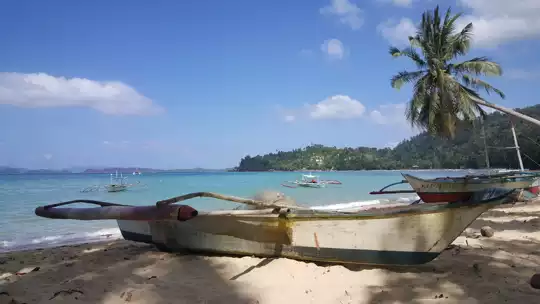
Most people online talk about Balabac like it’s some easy island-hopping add‑on to Palawan; the surprise is how raw and logistically awkward it still feels on the ground, more frontier than resort chain. Balabac sits at the far southern tip of Palawan province, close to Sabah, where the sea turns glassy turquoise and the air smells like salt and wet wood. The town itself is scruffy and functional, a jump‑off rather than a destination, but that’s the point: you stay here to reach sandbars, reef‑ringed islets, and blindingly white beaches, not for cafés or nightlife. Boats, not buses, are your main “public transport,” and schedules bend around weather and cargo. It’s cheaper than El Nido, quieter than Puerto Princesa, and lonelier in both the good and bad sense—safer than its reputation suggests if you stick with local operators, but you won’t find hostel pub crawls or instant backpacker tribes, just slow evenings, roosters, and the hum of generators.

Discover everything you want to know in the 📖 Philippines Travel Guide.
Loading the map 🌍
CLICK TO FILTER
cities
towns
landmarks
national parks
hikes
beaches
attractions
festivals
regions
SHOW COUNTRY’S BESTSHOW ALL

✨ Why go?
Ranked #8 town in Philippines
What sets this place apart

Backpackers flock to Balabac for its strategic location as a gateway to pristine beaches and lush hikes. The town itself is a charming blend of local life and backpacker convenience, with small-scale hostels and guesthouses that feel like home. You can stroll the walkable streets, soaking in the scent of street food wafting from vendors, where you can grab a quick bite of fresh seafood or local delicacies.

Many travelers stay a few days, enjoying the friendly social atmosphere that encourages connections among solo adventurers and small groups alike. It’s a place for slow travelers who appreciate the journey as much as the destination. While nightlife isn’t the focus, the laid-back vibe makes it easy to unwind after a day of exploration. Balabac is perfect for those looking to immerse themselves in nature and culture without the rush.
Want to include Balabac in your Philippines route?
Create a personalized Philippines itinerary that includes Balabac and the places that fit your trip — based on your travel style, budget, and available time. Get your route in seconds.

Generate my trip

💡 HighlightsEssential experiences to have while visiting Balabac

  • Balabac Poblacion (Town Plaza & Market) — The real heartbeat: early-morning fish market, little sari-sari stores, and chats with fishermen. Great place to see everyday island life and stock up on snacks or local grilled fish before heading out.
  • Balabac Municipal Wharf — Where island life actually starts. Watch banca traffic, hire boats for island-hopping, and catch vivid sunsets over a clutter of wooden skiffs. Practical and photogenic at the same time.
  • Balabac Parish Church — A simple, community-centered church where you can observe local faith practice and, if your timing’s right, a lively town fiesta. It’s low-key but central to social life here.
  • Molbog Villages (community visits) — Spend an hour or half a day meeting the Molbog people: listen to seafaring stories, see traditional
read more 👉
  • Balabac Poblacion (Town Plaza & Market) — The real heartbeat: early-morning fish market, little sari-sari stores, and chats with fishermen. Great place to see everyday island life and stock up on snacks or local grilled fish before heading out.
  • Balabac Municipal Wharf — Where island life actually starts. Watch banca traffic, hire boats for island-hopping, and catch vivid sunsets over a clutter of wooden skiffs. Practical and photogenic at the same time.
  • Balabac Parish Church — A simple, community-centered church where you can observe local faith practice and, if your timing’s right, a lively town fiesta. It’s low-key but central to social life here.
  • Molbog Villages (community visits) — Spend an hour or half a day meeting the Molbog people: listen to seafaring stories, see traditional crafts and small-scale fishing techniques, and get a grounded sense of Balabac’s culture beyond beaches.
  • Onuk (Onoc) Island — Classic Balabac: fine white sand, shallow turquoise flats and easy snorkeling right off the shore. It’s quiet, accessible by a short banca ride, and perfect for lazy beach days and gentle reef swims.
  • Candaraman Sandbar — A photogenic, walkable sand spit that appears like a mirror on the water at low tide. Tidal pools, shallow warm water, and big open skies — ideal for wading, picnic setups, and postcard shots.
  • Punta Sebaring Sandbar — A rugged, dramatic point with bleached limestone outcrops and wide views toward the southern islands. Not flashy, but superb for sunsets and that feeling of being at the edge of the Philippines.
  • Bugsuk Island — Larger island with long beaches, mangrove pockets and good snorkeling nearshore. It feels more remote than Onuk and is a nice overnight or camping option if you want quiet and some low-key exploration.
  • Ramos Island — Small limestone features, clear reefs and shallow swim-throughs. Popular with day-trippers who want snorkeling that’s a bit more varied than the flat sandbars.
  • Local Dive and Snorkel Sites (including WWII-era wreck snorkeling spots) — Balabac’s reefs are alive and several shallow wrecks and reef sites are reachable from town with local operators. Even snorkelers see colorful fish, and divers can find relics and healthy coral gardens.
For quick day trips from town try Onuk Island, the Candaraman sandbar and Punta Sebaring — my personal favorite is Onuk for its easy snorkeling, wide sand flats and calm, photogenic afternoons.
Spotted a mistake or missing something? Contact us.

🏘️ NeighborhoodsKey areas and districts to know

Balabac is a captivating blend of rustic charm and tropical allure, perfect for backpackers seeking both adventure and relaxation.

**Poblacion**: This is the heart of Balabac. Vibrant local markets and eateries line the streets, offering a taste of authentic Filipino life. It’s walkable, with easy access to transport for island-hopping. Nightlife is low-key; think beach bonfires rather than bars. Ideal for short stays, you can soak in the local culture without feeling rushed.

**Sibang**: A quieter area, Sibang is perfect for those wanting to escape the hustle. The vibe is laid-back, with stunning views of the sea. Accommodations here are budget-friendly, making it suitable for longer stays. You’ll find fewer tourists, allowing for a more intimate experience with nature.

**Bato-Bato**: … read more 👉
Balabac is a captivating blend of rustic charm and tropical allure, perfect for backpackers seeking both adventure and relaxation.

**Poblacion**: This is the heart of Balabac. Vibrant local markets and eateries line the streets, offering a taste of authentic Filipino life. It’s walkable, with easy access to transport for island-hopping. Nightlife is low-key; think beach bonfires rather than bars. Ideal for short stays, you can soak in the local culture without feeling rushed.

**Sibang**: A quieter area, Sibang is perfect for those wanting to escape the hustle. The vibe is laid-back, with stunning views of the sea. Accommodations here are budget-friendly, making it suitable for longer stays. You’ll find fewer tourists, allowing for a more intimate experience with nature.

**Bato-Bato**: Known for its beautiful beaches, this area is a backpacker’s paradise. The atmosphere is relaxed, and you can find cozy guesthouses. It’s a bit farther from the main town, but worth it for the scenery. Perfect for those who want to unwind and enjoy water activities.

Each area offers a unique slice of Balabac, ensuring you find the right fit for your journey.

⌛️ 1 dayHow to make the most of one day

Balabac, a remote island town in the Philippines, offers a slice of paradise that feels untouched by the usual tourist rush. With its pristine beaches, vibrant marine life, and a laid-back atmosphere, it’s a place where you can truly connect with nature and the local culture.

Start your day early with a stroll along the powdery white sands of Patawan Island. The sun rises slowly, casting a golden hue over the water, and the salty breeze carries the scent of the ocean. Grab a simple breakfast from a local eatery—try the fresh buko (coconut) juice paired with a warm pandhi (local bread).

In the afternoon, head to the lesser-known Sulu Sea, where you can snorkel among colorful corals and schools of fish. This spot is often overlooked, but the underwater scenery is breathtaking. The locals … read more 👉
Balabac, a remote island town in the Philippines, offers a slice of paradise that feels untouched by the usual tourist rush. With its pristine beaches, vibrant marine life, and a laid-back atmosphere, it’s a place where you can truly connect with nature and the local culture.

Start your day early with a stroll along the powdery white sands of Patawan Island. The sun rises slowly, casting a golden hue over the water, and the salty breeze carries the scent of the ocean. Grab a simple breakfast from a local eatery—try the fresh buko (coconut) juice paired with a warm pandhi (local bread).

In the afternoon, head to the lesser-known Sulu Sea, where you can snorkel among colorful corals and schools of fish. This spot is often overlooked, but the underwater scenery is breathtaking. The locals are friendly and will share stories about the sea, making it feel like you’re part of their world.

As evening falls, make your way to the town center. The streets come alive with the sounds of laughter and chatter. Enjoy dinner at a local karinderya (eatery), where you can savor adobo or sinigang, surrounded by the warmth of the community.

End your day by watching the sunset at the beach, where the sky transforms into a canvas of oranges and purples. It’s a perfect reminder that the journey, with all its little challenges, leads to moments that are truly rewarding.
Turn your Balabac visit into an Philippines adventure
Build a complete Philippines route with Balabac, hidden gems, must-see destinations, and realistic travel times included.

Generate my trip

🌤️ When to go?When to go for the best experience


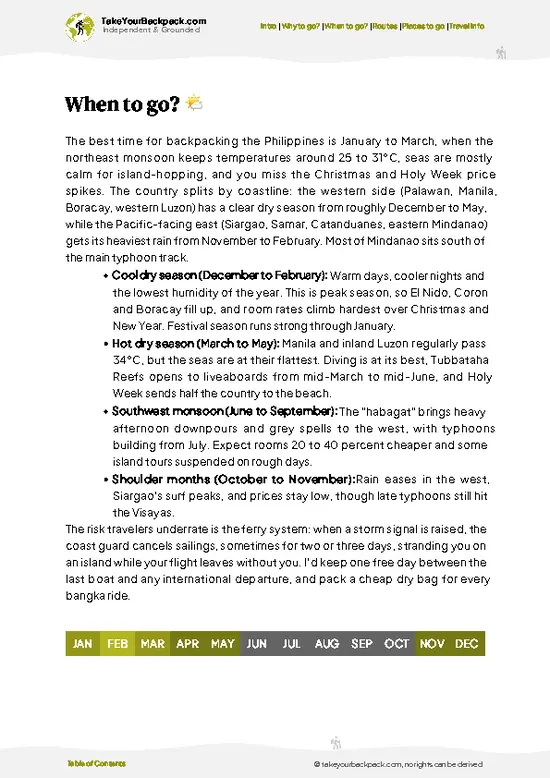
  • Topic: Weather – Balabac’s tropical climate means the dry season from March to May is your best bet. Expect clear skies and minimal rain, perfect for island hopping and snorkeling. The wet season, June to November, brings heavy downpours and rough seas that can ground boats and dampen plans.

  • Topic: Temperature – Temperatures hover between 27°C to 32°C (81°F to 90°F) year-round, but the dry season feels less sticky thanks to lower humidity. Nights cool slightly, offering relief after sun-drenched days.

  • Topic: Daylight Hours – Daylight stays steady around 12 hours year-round, but during the dry months, mornings start crisp and bright, giving you more usable daylight for trekking and beach time.

  • Topic: Crowds – Balabac is off the beaten path, so crowds are minimal anytime. Still, the
read more 👉

  • Topic: Weather – Balabac’s tropical climate means the dry season from March to May is your best bet. Expect clear skies and minimal rain, perfect for island hopping and snorkeling. The wet season, June to November, brings heavy downpours and rough seas that can ground boats and dampen plans.

  • Topic: Temperature – Temperatures hover between 27°C to 32°C (81°F to 90°F) year-round, but the dry season feels less sticky thanks to lower humidity. Nights cool slightly, offering relief after sun-drenched days.

  • Topic: Daylight Hours – Daylight stays steady around 12 hours year-round, but during the dry months, mornings start crisp and bright, giving you more usable daylight for trekking and beach time.

  • Topic: Crowds – Balabac is off the beaten path, so crowds are minimal anytime. Still, the dry season draws a few more adventurous travelers, so expect a livelier vibe without losing the sense of solitude.

  • Topic: Seasonal Activities – The dry months unlock the best diving and island-hopping conditions. Visibility underwater peaks, and calm seas make boat rides smooth, letting you explore coral reefs and remote beaches without hassle.

  • Topic: Price Fluctuations – Prices for accommodations and local transport tend to rise slightly in the dry season due to demand. Booking ahead can save you from last-minute surges, especially if you want a beachfront hut or guided tours.


Balabac rewards patience: plan for dry season visits to turn the challenging journey into a seamless adventure where every sunrise feels like a well-earned prize.


source: climatestotravel.comJANJanuary: good for travelingFEBFebruary: highly recommended for travelingMARMarch: excellent for travelingAPRApril: excellent for travelingMAYMay: excellent for travelingJUNJune: fair for travelingJULJuly: fair for travelingAUGAugust: fair for travelingSEPSeptember: below average for travelingOCTOctober: below average for travelingNOVNovember: fair for travelingDECDecember: good for traveling
when-to-go

✈️ The backpacker research shortcutPhilippines Travel Guide

An offline-friendly backpacking guide with optimized travel routes, ranked highlights, transport advice, and the best areas to stay.
example page 0 from our offline Travel Guide for Philippines
example page 1 from our offline Travel Guide for Philippines
example page 2 from our offline Travel Guide for Philippines
example page 3 from our offline Travel Guide for Philippines
example page 4 from our offline Travel Guide for Philippines
example page 5 from our offline Travel Guide for Philippines
example page 6 from our offline Travel Guide for Philippines
example page 7 from our offline Travel Guide for Philippines
The digital guide (503 pages) contains:
144 highlights, ranked by travel appeal
Optimized 7, 14 & 21-day travel routes
Cities, national parks, landmarks, beaches
How to get around
Offline-friendly for travel without Wi-Fi
👉 Click to see all 30+ guide features

📅 Plan smarter in minutes, not weeks
Month by month travel advice
Festivals & national holidays
Budget expectations

🗺️ Go to the right places, skip the overrated ones
Honest pros & cons of destinations
Top hikes, parks & viewpoints
Lesser-known places most travelers miss
Clear “worth it vs skip it” guidance

🛏️ Travel smoothly without rookie mistakes
Best areas to stay
Transport systems explained simply
Common scams & safety advice
SIM cards, money & practical tips

🌍 Understand the country, not just visit it
Culture & traditions
52 Essential phrases & customs
Festivals worth planning around
Traveler-friendly historical context
Insights that make places more meaningful

📱 Built for real travel conditions
Fully downloadable PDF
Works completely offline
Optimized for phone use
Useful in remote areas & buses
Everything in one place
Save weeks of stressful planning
Get instant access to your full guide. 30‑day money-back guarantee.
+ Add another guide for just US$7.80

By proceeding you agree to our terms.
Sent to your inbox immediately after payment • 100% Secure Checkout
Best Backpacking Travel Advisor 2025 tourism awardBest Backpacking
Travel Advisor
2025
What others say about Take Your Backpack Guides:
⭐⭐⭐⭐⭐
Fantastic, amazing amount of information!
⭐⭐⭐⭐⭐
My goodness this is amazing, it's what I've been looking for hats off too you!
⭐⭐⭐⭐⭐
I think this is absolutely BRILLIANT
⭐⭐⭐⭐
Very complete and informative. It's still missing places, but I gotta to commend you
⭐⭐⭐⭐⭐
This is truly amazing, thank you, can't wait to explore it with my kids!
⭐⭐⭐⭐⭐
Awesome resource, thank you!
⭐⭐⭐⭐⭐
This is amazing! Can't wait to explore the ones I haven't seen
⭐⭐⭐⭐
I love this! Well done, great idea.
⭐⭐⭐⭐⭐
Thanks for taking the time to make this gem!
⭐⭐⭐⭐⭐
This might be the best website I've ever seen.
⭐⭐⭐⭐⭐
Congratulations, and thank you so much for your work; it's incredibly valuable.
⭐⭐⭐⭐
In all seriousness I think you did a great job pointing out the important spots
⭐⭐⭐⭐⭐
10/10 very good
⭐⭐⭐⭐⭐
As someone who's only just starting to visit regularly this is awesome, thank you.
⭐⭐⭐⭐
Thank you very much! I'm going to visit my dad, it's going to be very useful!
⭐⭐⭐⭐⭐
This is really cool! We'll be travelling for the first time and this definitely come in handy.
⭐⭐⭐⭐⭐
You are now our minister of culture, congratulations 👨‍💼
⭐⭐⭐⭐⭐
Just wanted to tell you that this is a pearl! Going to follow your recommendations.
⭐⭐⭐⭐⭐
This is so cool. I'll definitely be using the resource for my travels soon.
⭐⭐⭐⭐⭐
This is very impressive! Good work.
⭐⭐⭐⭐⭐
This is an amazing and informative site. Very well done!

🛏️ Where to stay?Where staying makes the most sense

Balabac’s main town area, often called Balabac Proper, is the go-to spot for backpackers who want to tap into the local rhythm without getting lost in isolation. It’s where you’ll find the handful of budget guesthouses and small inns that cater to solo travelers and groups alike. The vibe here is laid-back but lively enough to meet other adventurers swapping island-hopping tips over a cold drink. Streets are dusty but safe, with locals who are welcoming and curious, making it easy to strike up conversations.

Compared to the more remote barangays scattered around the island, Balabac Proper offers … read more 👉
Balabac’s main town area, often called Balabac Proper, is the go-to spot for backpackers who want to tap into the local rhythm without getting lost in isolation. It’s where you’ll find the handful of budget guesthouses and small inns that cater to solo travelers and groups alike. The vibe here is laid-back but lively enough to meet other adventurers swapping island-hopping tips over a cold drink. Streets are dusty but safe, with locals who are welcoming and curious, making it easy to strike up conversations.

Compared to the more remote barangays scattered around the island, Balabac Proper offers practical perks: access to basic supplies, transport connections, and a handful of eateries serving fresh seafood. Hostels are limited but functional, so booking ahead during peak season is smart. The light here—especially at dawn—casts a soft glow over the harbor, hinting at the day’s adventures. Staying here means you’re close enough to the action but far enough to soak in the slow island pace, a balance that’s rare and worth seeking out.

🚌 Getting aroundMoving around without the hassle

Balabac moves at its own rhythm—less a clock-driven town and more a place where the tide and the sun set the pace. The air carries the salty tang of the sea, mingling with the earthy scent of mangroves and fresh rain on dirt roads. Here, schedules are loose suggestions, not ironclad rules. You’ll find that the locals navigate by intuition and necessity, not timetables. This means your best bet is to embrace a flexible mindset, where waiting becomes part of the experience, and every delay is a chance to soak in the raw, unfiltered atmosphere of island life.


  • Walking: The most reliable and immersive way to get around Balabac’s compact villages and beaches. Paths are uneven and sometimes muddy after rain, so sturdy shoes are a must. Walking lets you catch the scent of salt air and hear the
read more 👉
Balabac moves at its own rhythm—less a clock-driven town and more a place where the tide and the sun set the pace. The air carries the salty tang of the sea, mingling with the earthy scent of mangroves and fresh rain on dirt roads. Here, schedules are loose suggestions, not ironclad rules. You’ll find that the locals navigate by intuition and necessity, not timetables. This means your best bet is to embrace a flexible mindset, where waiting becomes part of the experience, and every delay is a chance to soak in the raw, unfiltered atmosphere of island life.


  • Walking: The most reliable and immersive way to get around Balabac’s compact villages and beaches. Paths are uneven and sometimes muddy after rain, so sturdy shoes are a must. Walking lets you catch the scent of salt air and hear the chatter of fishermen prepping their boats—plus, it’s free and perfect for spontaneous detours.


  • Motorcycle Tricycles (Trikes): The island’s informal taxis, these three-wheeled rides buzz through narrow roads and dirt tracks. They don’t run on a fixed schedule; you flag one down when you need it. Expect to negotiate fares—usually under 100 PHP for short hops. They’re quick but bumpy, so hold on tight and enjoy the breeze and the dust.


  • Boat Transfers: Essential for hopping between Balabac’s islands or reaching mainland Palawan. Boats depart when full rather than on a strict timetable, so patience is key. Prices vary but expect around 200-400 PHP depending on distance. The ride offers stunning views of turquoise waters and limestone cliffs, making the wait worthwhile.


  • Jeepneys: Limited in Balabac but available for longer stretches on the main roads. They follow rough routes and leave when packed, so timing is unpredictable. Fares are cheap, around 20-50 PHP, but comfort is minimal—think wooden benches and open sides, perfect for feeling the tropical heat and local chatter.

👛 Costs (as of 4 September 2026)Travel costs and budget guide for Balabac

Backpacking in Balabac, Philippines, is a raw, off-the-grid experience where every peso counts and every choice shapes your day. Here’s what you’re realistically looking at for daily expenses as an independent traveler:
  • Dorm Accommodation: Options here are sparse and basic, often small guesthouses or homestays rather than formal hostels. Expect to pay around $8 to $15 per night. The rooms are simple, sometimes with shared bathrooms, but they put you close to the island’s rugged charm.
  • Meals: Food is fresh and local, mostly seafood and rice dishes. Street food and small eateries serve meals for about $2 to $5. If you want something a bit more substantial or western-style, prices can edge up to $7, but sticking to local fare is both cheaper and more authentic.
  • Local Transport: Getting around
read more 👉
Backpacking in Balabac, Philippines, is a raw, off-the-grid experience where every peso counts and every choice shapes your day. Here’s what you’re realistically looking at for daily expenses as an independent traveler:
  • Dorm Accommodation: Options here are sparse and basic, often small guesthouses or homestays rather than formal hostels. Expect to pay around $8 to $15 per night. The rooms are simple, sometimes with shared bathrooms, but they put you close to the island’s rugged charm.
  • Meals: Food is fresh and local, mostly seafood and rice dishes. Street food and small eateries serve meals for about $2 to $5. If you want something a bit more substantial or western-style, prices can edge up to $7, but sticking to local fare is both cheaper and more authentic.
  • Local Transport: Getting around Balabac means relying on tricycles or small boats. Tricycles cost roughly $0.50 to $1 for short rides, while boat rides to nearby islands or beaches can run $5 to $15 depending on distance. It’s not about speed here; it’s about soaking in the salt air and the slow rhythm of island life.
  • Basic Activities/Entry Fees: Most natural attractions like beaches and snorkeling spots have minimal or no entrance fees, usually under $2. Guided tours or boat trips to remote islands might cost $15 to $30, but you can often negotiate or join group trips to lower the cost.
  • Miscellaneous Expenses: This covers essentials like bottled water, snacks, or occasional internet access. Budget around $1 to $3 daily, as connectivity is patchy and you’ll want to keep your gear charged and your energy up.

All told, you’re looking at roughly $16 to $35 per day to cover the essentials in Balabac. It’s not a place for luxury, but for those who thrive on simplicity and the thrill of discovery, every dollar spent feels like a step deeper into an untouched world. The trade-off is a slower pace and fewer conveniences, but that’s exactly the point—Balabac rewards patience and curiosity with a raw, elemental beauty few places can match.
⚠️ Prices can change and everyone travels differently, so take this as a rough guide. Hope it helps you plan your adventure!

🚌 Day tripsExploring the surroundings

Balabac, a laid-back paradise in the Philippines, is your perfect launchpad for unforgettable day trips. The island’s charm lies in its simplicity, making it easy to explore the surrounding beauty without the hassle.

Trip to Onuk Island
This is where the turquoise waters meet powdery white sands. A boat ride from Balabac takes about an hour, and the cost is around 1,500 PHP for a round trip, split among friends. The best time to visit is during the dry season, from November to April. First-timers often underestimate the sun; pack plenty of sunscreen and a hat. Once you arrive, the serene atmosphere and the gentle lapping of waves will make you feel like you’ve stepped into a postcard. The island’s shallow waters are perfect for snorkeling, revealing vibrant coral gardens and playful fish. … read more 👉
Balabac, a laid-back paradise in the Philippines, is your perfect launchpad for unforgettable day trips. The island’s charm lies in its simplicity, making it easy to explore the surrounding beauty without the hassle.

Trip to Onuk Island
This is where the turquoise waters meet powdery white sands. A boat ride from Balabac takes about an hour, and the cost is around 1,500 PHP for a round trip, split among friends. The best time to visit is during the dry season, from November to April. First-timers often underestimate the sun; pack plenty of sunscreen and a hat. Once you arrive, the serene atmosphere and the gentle lapping of waves will make you feel like you’ve stepped into a postcard. The island’s shallow waters are perfect for snorkeling, revealing vibrant coral gardens and playful fish.


Trip to Patawan Island
Just a short 30-minute boat ride away, Patawan Island offers a more rustic experience. Expect to pay around 1,000 PHP for the round trip. The island is best visited in the early morning when the light dances on the water, creating a magical glow. Many backpackers miss the chance to explore the local village; take a stroll and chat with the residents. The island’s beaches are less crowded, giving you a chance to unwind and soak in the natural beauty.


Trip to Sulu Sea Sandbars
These ephemeral wonders appear at low tide, revealing stretches of sand that seem to float in the sea. The trip can take about 45 minutes by boat, costing around 1,200 PHP. Timing is crucial; check the tide schedule to catch the sandbars at their best. Many first-timers overlook this; plan your day around the tides for a truly unique experience. The sight of the sandbars against the backdrop of the setting sun is a moment you won’t forget.
Want to know what more Philippines offers?
The Philippines Travel Guide describes 144 highlights, from cities to national parks, from beaches to hikes

Get the Travel Guide -

🛡️ SafetyTraveler Safety Guide

Balabac is generally safe, but a few practical tips can enhance your experience. Stick to well-lit areas at night, especially if you’re solo. The local vibe is friendly, but keep your belongings close in crowded spots, like markets.

Watch for common scams, like inflated prices for boat rides; always ask for rates upfront. When haggling, a smile goes a long way.

Annoyances can include slow service in eateries—patience is key. Embrace the laid-back pace; it’s part of the charm. Carry yourself with confidence, engage with locals, and you’ll find Balabac’s beauty unfolds through genuine interactions, making every moment worthwhile.

FAQFrequently asked questions about Balabac

Balabac is worth visiting for its pristine beaches and unique wildlife, not just a stopover. It offers some of the most untouched natural beauty in the Philippines, including rare species like the Philippine mouse-deer. Visitors often come for island hopping and diving experiences.
You need at least 3 to 4 days in Balabac to explore the main islands, enjoy beach activities, and experience local culture. Travel between islands can be slow due to limited transport options, so extra time ensures a relaxed visit.
No, Balabac cannot be visited as a day trip from nearby cities due to its remote location and travel time. The nearest major town, Rio Tuba, is about 3 to 4 hours away by land and boat, making day trips impractical.
⚠️ Things can change over time, so always validate details locally before you go.

Other Filipino towns near Balabac

Explore more nearby:

  • Dumaran—Mangrove forests, quiet beaches, island hopping| 402 km away
  • Caticlan—port town, ferry terminal, gateway to Boracay| 697 km away
  • Boracay—White Beach, nightlife strips, water sports| 697 km away

💡 Not sure where to go next?
Create a personalized itinerary for Philippines including Balabac and the places that fit your trip.

Generate my itinerary

👉 Discover all towns

Or checkout all Philippines has to offer (think cities, towns, villages, national parks, hikes, beaches, festivals)
Country photo of Philippines

We 💚 feedbackIs it worth it?

Balabac is a slice of paradise, where the turquoise waters and soft white sands feel like a well-deserved reward after the bumpy boat ride. But don’t underestimate the logistics; getting here takes time and patience. Embrace the journey, and you’ll find the isolation is part of the charm, making every sunset feel like your own private celebration.

✈️ When did I visit Philippines?
Philippines being one of my favorites, due to the people and their mentality. I visited it first in 2010 and came back in January 2016 as part of my 1.5 year world trip.

✍️ Help improve this page!
The information on this page is based on my own backpacking experience in Philippines, supplemented with up-to-date research and feedback from other travelers. Travel details can change, so if you notice anything outdated or incomplete, feel free to let me know.


🙋‍♂️ Give feedback

👋 Meet the founderWho’s Behind Take Your Backpack?

Johan, backpacker and founder of TakeYourBackpackHi, I’m Johan (Netherlands 🇳🇱), the creator of TakeYourBackpack. Over the past decade, I’ve backpacked through 80+ countries across six continents, gaining extensive experience with independent travel, long-term trips, and overland routes.

This site is built on a combination of firsthand travel experience and carefully curated insights from other backpackers. Many guides are based on places I’ve personally visited, while others bring together tips, observations, and practical advice shared by trusted travelers I’ve met along the way.

The goal is to provide realistic, experience-driven guidance — not generic itineraries — so you can explore destinations with better context, clearer expectations, and more confidence.

Get full country guide •
Instant download • 144 highlights • Full Offline guide