



×

Philippines🇵🇭 | townsAparriCagayan River delta, coastal plains, fishing ports | things to do and best time to go

Explore BalabacExplore Borongan

Backpacking in Aparri
👌 Worth visitingtown ranked #12
By Johan Kruseman 🇳🇱 | Updated May 27, 2026

Years ago, Aparri was a rough-edged port town at the mouth of the Cagayan River: cargo trucks, salty air, karaoke drifting from wooden houses, almost no travelers. Today it’s quieter, a little cleaner, but still feels like a working town first and a destination second. You’ll find it at the far north of Luzon, in Cagayan province, where the river spills into the Babuyan Channel. For backpackers, Aparri works best as a practical stop or base for exploring the coast and nearby countryside, not as a “must‑see” town in itself. The center is compact and walkable, with low-key eateries, a breezy riverside, and a few churches and viewpoints that are pleasant rather than mind-blowing. Long-distance buses connect it to Tuguegarao and Manila, but rides are slow and often overnight, so you feel the distance in your bones when you step off into the humid morning air. Around town you’ll mostly walk or grab tricycles; there’s no real need for anything more. It’s cheap to eat and sleep here, but don’t expect classic backpacker infrastructure: guesthouses over hostels, beer at plastic tables instead of craft bars, and social life that peaks around the plaza or the market, not in nightlife strips. Safety is generally fine if you use normal street sense, though the port edges can feel a bit sketchy after dark. Compared with Tuguegarao, Aparri is more windswept and coastal, less busy, and more of a “you’re really up north now” feeling than a city break, which is exactly why it earns a place on a long, slow Luzon route.

Discover everything you want to know in the 📖 Philippines Travel Guide.
Loading the map 🌍
CLICK TO FILTER
cities
towns
landmarks
national parks
hikes
beaches
attractions
festivals
regions
SHOW COUNTRY’S BESTSHOW ALL

✨ Why go?
Ranked #12 town in Philippines
The unique appeal for travelers

Backpackers flock to Aparri for its strategic location as a gateway to stunning hikes and pristine beaches. The town serves as a launchpad for adventures in nearby Cagayan Valley, where trails wind through lush landscapes, perfect for those who crave the outdoors. You’ll find small-scale hostels and guesthouses that foster a friendly, communal vibe, making it easy to connect with fellow travelers. The walkable streets are lined with local eateries, where the aroma of grilled seafood mingles with the scent of fresh coconut. Most travelers stay a few days, soaking in the laid-back atmosphere, ideal for slow travelers and solo adventurers. If you’re looking for a place to recharge before heading to the next adventure, Aparri is a perfect pit stop.
Get the complete Travel Guide for Philippines
Everything organized for offline planning — routes, highlights, costs & tips

See what’s inside 👉

Get the Travel Guide -

💡 HighlightsTop highlights of Aparri

  • Sts. Peter and Paul Parish Church (Aparri Church) — The town’s main church and community anchor; visit for its simple colonial-era architecture, weekday quiet, and to see how religion shapes everyday life here.
  • Aparri Town Plaza (Plaza Rizal) — Where locals meet, kids play, and fiestas spill into the streets; great for people-watching, street food, and catching a sunset over the riverfront.
  • Aparri Public Market & Fishport — Dawn comes early here. Walk the stalls to see fresh catches, live auctions, and the working rhythms of a fishing town — excellent for cheap seafood and candid photos.
  • Cagayan River Mouth / Aparri Bay Viewpoint — The massive Cagayan River meets the sea right by town. The estuary, sandbars and wide horizon make for dramatic views, birdlife and peaceful walks along the
read more 👉
  • Sts. Peter and Paul Parish Church (Aparri Church) — The town’s main church and community anchor; visit for its simple colonial-era architecture, weekday quiet, and to see how religion shapes everyday life here.
  • Aparri Town Plaza (Plaza Rizal) — Where locals meet, kids play, and fiestas spill into the streets; great for people-watching, street food, and catching a sunset over the riverfront.
  • Aparri Public Market & Fishport — Dawn comes early here. Walk the stalls to see fresh catches, live auctions, and the working rhythms of a fishing town — excellent for cheap seafood and candid photos.
  • Cagayan River Mouth / Aparri Bay Viewpoint — The massive Cagayan River meets the sea right by town. The estuary, sandbars and wide horizon make for dramatic views, birdlife and peaceful walks along the tidal flats.
  • Aparri Port & Breakwater — A hands-on place to watch trawlers, rigging repairs and local fishermen. The breakwater is a practical viewpoint for sunrise, storms rolling in, and the shipping activity that keeps the town alive.
  • Old Cemetery and Historic Grave Markers — Small but evocative: older grave markers and family plots tell stories of the town’s past, colonial contacts and the generations who lived by the river and sea.
  • Riverbank Mangrove Fringe — Walkable sections of mangrove and mudflat near town where local kids fish and waders forage; good for low-key birdwatching and seeing the estuary ecosystem up close.
  • Local Boatyards and Fish-Drying Racks — Simple, visceral reminders of craft and economy — watch boats being built or repaired, and check out traditional fish-drying operations that supply the region.
  • Rizal Street Heritage Rows — A short stroll along the older main streets reveals wooden houses, small shops and façades that keep a quieter, small-town Cagayan character intact.
  • Municipal Hall & War Memorials — The civic center and its memorials are compact history lessons — plaques, local names and wartime markers that explain Aparri’s role in regional events without needing a museum.
A few nearby day-trip highlights outside Aparri: Palaui Island (Cape Engaño lighthouse and rugged coastline), Callao Cave near Tuguegarao, and the old stone church in Camalaniugan — my personal favorite for a day trip is Palaui Island for its lighthouse hikes and raw coastal views.
Spotted a mistake or missing something? Contact us.

Things to do near Aparri

Ratings based on Tripadvisor reviews. When you book through this link, you support our work at no extra cost to you.

🏘️ NeighborhoodsKey areas and districts to know

Aparri, a bustling town in the Philippines, offers a unique blend of local culture and coastal charm. Here’s how to navigate its neighborhoods for a more rewarding experience.

Centro Aparri: This is the heart of the town. Expect a lively atmosphere with local markets and street food stalls. It’s walkable, making it easy to explore on foot. Costs are moderate, with budget-friendly eateries. Nightlife is low-key, perfect for unwinding after a day of exploration. Ideal for short stays, as you can soak up the local vibe quickly.

San Juan: A quieter area, San Juan is where you’ll find a more laid-back pace. It’s less touristy, offering a genuine glimpse into daily life. Accommodation here tends to be cheaper, and the streets are safe for wandering. Great for longer stays if you want to immerse … read more 👉
Aparri, a bustling town in the Philippines, offers a unique blend of local culture and coastal charm. Here’s how to navigate its neighborhoods for a more rewarding experience.

Centro Aparri: This is the heart of the town. Expect a lively atmosphere with local markets and street food stalls. It’s walkable, making it easy to explore on foot. Costs are moderate, with budget-friendly eateries. Nightlife is low-key, perfect for unwinding after a day of exploration. Ideal for short stays, as you can soak up the local vibe quickly.

San Juan: A quieter area, San Juan is where you’ll find a more laid-back pace. It’s less touristy, offering a genuine glimpse into daily life. Accommodation here tends to be cheaper, and the streets are safe for wandering. Great for longer stays if you want to immerse yourself in the local culture without the hustle.

Barangay San Vicente: This neighborhood is close to the coast, making it perfect for beach lovers. The vibe is relaxed, with a few bars and cafes. While transport access is decent, it’s best for those looking to chill for a while. Prices can vary, but you’ll find some hidden budget options.

⌛️ 1 daySeeing the highlights in 24 hours

Aparri, a coastal town in the Philippines, is a blend of rich history and vibrant local life. It’s not on every traveler’s radar, but that’s what makes it special. The scent of saltwater mingles with the aroma of grilled fish from street vendors, creating an inviting atmosphere that beckons you to explore.

Start your morning at the bustling Aparri Public Market. The early light dances on the colorful produce, and the chatter of locals fills the air. Grab a fresh buko (young coconut) for hydration and a taste of the tropics. Afterward, stroll along the scenic Aparri River, where you can watch fishermen casting their nets, a reminder of the town’s deep connection to the sea.

In the afternoon, head to San Lorenzo Ruiz Church, an iconic landmark with its stunning architecture. The cool interior … read more 👉
Aparri, a coastal town in the Philippines, is a blend of rich history and vibrant local life. It’s not on every traveler’s radar, but that’s what makes it special. The scent of saltwater mingles with the aroma of grilled fish from street vendors, creating an inviting atmosphere that beckons you to explore.

Start your morning at the bustling Aparri Public Market. The early light dances on the colorful produce, and the chatter of locals fills the air. Grab a fresh buko (young coconut) for hydration and a taste of the tropics. Afterward, stroll along the scenic Aparri River, where you can watch fishermen casting their nets, a reminder of the town’s deep connection to the sea.

In the afternoon, head to San Lorenzo Ruiz Church, an iconic landmark with its stunning architecture. The cool interior offers a moment of reflection. From there, venture to the less-traveled neighborhood of San Juan, where you can find local artisans crafting traditional goods. Engaging with them offers a glimpse into the heart of the community.

As evening approaches, make your way to the waterfront. The sunset paints the sky in hues of orange and pink, a perfect backdrop for a dinner of grilled seafood at a local eatery. The day wraps up with the sound of waves lapping against the shore, leaving you with a sense of connection to this hidden corner of the Philippines.
Build the Right Itinerary
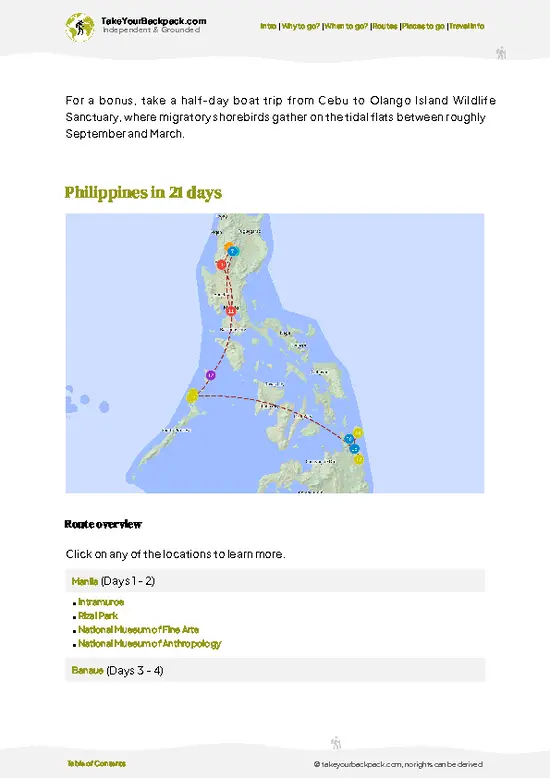
Use the Philippines Travel Guide’s 7, 14 & 21-day routes as a starting point to plan a trip that actually works on the ground.

Get the Travel Guide -

🌤️ When to go?Choosing the right time of year


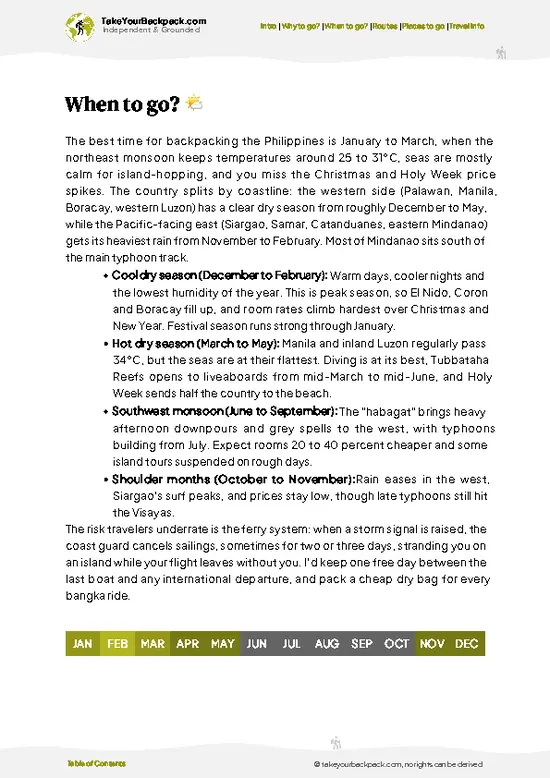
  • Topic: Weather — Aparri’s dry season runs from November to April, offering clear skies and minimal rain. This is your best bet for hiking and beach days without the damp chill of monsoon rains that dominate May to October.

  • Topic: Temperature — Expect highs around 30–34°C (86–93°F) during dry months, with nights cooling to a comfortable 22–25°C (72–77°F). The wet season feels hotter and more humid, which can sap your energy fast.

  • Topic: Daylight Hours — Daylight stays steady year-round, roughly 11 to 12 hours, but the dry season’s clearer skies mean you get more usable daylight for exploring without the threat of sudden downpours.

  • Topic: Crowds — Aparri isn’t a tourist magnet, but local festivals like the Cagayan Day in April draw crowds. Visiting just before or after these events
read more 👉

  • Topic: Weather — Aparri’s dry season runs from November to April, offering clear skies and minimal rain. This is your best bet for hiking and beach days without the damp chill of monsoon rains that dominate May to October.

  • Topic: Temperature — Expect highs around 30–34°C (86–93°F) during dry months, with nights cooling to a comfortable 22–25°C (72–77°F). The wet season feels hotter and more humid, which can sap your energy fast.

  • Topic: Daylight Hours — Daylight stays steady year-round, roughly 11 to 12 hours, but the dry season’s clearer skies mean you get more usable daylight for exploring without the threat of sudden downpours.

  • Topic: Crowds — Aparri isn’t a tourist magnet, but local festivals like the Cagayan Day in April draw crowds. Visiting just before or after these events means quieter streets and better deals.

  • Topic: Seasonal Activities — Dry months unlock river cruises and coastal fishing trips. The wet season limits these options, but it’s prime time for lush green landscapes if you’re into moody, rain-soaked scenery.

  • Topic: Price Fluctuations — Accommodation and transport costs spike slightly during dry season and festivals. Off-peak months offer better rates but come with the risk of rain disrupting plans.


Pro-tip: Aim for late February to early April—sunny, warm, and just before the festival rush—to get the best balance of weather, quiet, and value.


source: climatestotravel.comJANJanuary: excellent for travelingFEBFebruary: excellent for travelingMARMarch: excellent for travelingAPRApril: highly recommended for travelingMAYMay: fair for travelingJUNJune: fair for travelingJULJuly: fair for travelingAUGAugust: fair for travelingSEPSeptember: fair for travelingOCTOctober: fair for travelingNOVNovember: highly recommended for travelingDECDecember: highly recommended for traveling
when-to-go

✈️ The backpacker research shortcutPhilippines Travel Guide

An offline-friendly backpacking guide with optimized travel routes, ranked highlights, transport advice, and the best areas to stay.
example page 0 from our offline Travel Guide for Philippinesexample page 1 from our offline Travel Guide for Philippinesexample page 2 from our offline Travel Guide for Philippinesexample page 3 from our offline Travel Guide for Philippinesexample page 4 from our offline Travel Guide for Philippinesexample page 5 from our offline Travel Guide for Philippinesexample page 6 from our offline Travel Guide for Philippinesexample page 7 from our offline Travel Guide for Philippines
The digital guide (505 pages) contains:
144 highlights, ranked by travel appeal
Optimized 7, 14 & 21-day travel routes
Cities, national parks, beaches, historical sites, ...
How to get around
Offline-friendly for travel without Wi-Fi
👉 Click to see all 30+ guide features

📅 Plan smarter in minutes, not weeks
Month by month travel advice
Festivals & national holidays
Budget expectations

🗺️ Go to the right places, skip the overrated ones
Honest pros & cons of destinations
Top hikes, parks & viewpoints
Lesser-known places most travelers miss
Clear “worth it vs skip it” guidance

🛏️ Travel smoothly without rookie mistakes
Best areas to stay
Transport systems explained simply
Common scams & safety advice
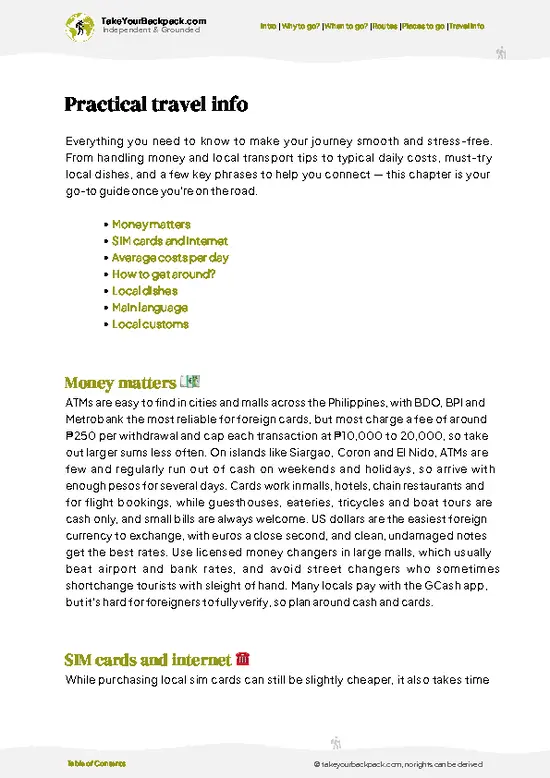
SIM cards, money & practical tips

🌍 Understand the country, not just visit it
Culture & traditions
52 Essential phrases & customs
Festivals worth planning around
Traveler-friendly historical context
Insights that make places more meaningful

📱 Built for real travel conditions
Fully downloadable PDF
Works completely offline
Optimized for phone use
Useful in remote areas & buses
Everything in one place
Save weeks of stressful planning
Get instant access to the full guide directly. 30-day money-back guarantee.


Sent to your inbox immediately after payment • 100% Secure Checkout
Best Backpacking Travel Advisor 2025 tourism awardBest Backpacking
Travel Advisor
2025
What others say about Take Your Backpack Guides:
⭐⭐⭐⭐⭐
Fantastic, amazing amount of information!
⭐⭐⭐⭐⭐
My goodness this is amazing, it's what I've been looking for hats off too you!
⭐⭐⭐⭐⭐
I think this is absolutely BRILLIANT
⭐⭐⭐⭐
Very complete and informative. It's still missing places, but I gotta to commend you
⭐⭐⭐⭐⭐
This is truly amazing, thank you, can't wait to explore it with my kids!
⭐⭐⭐⭐⭐
Awesome resource, thank you!
⭐⭐⭐⭐⭐
This is amazing! Can't wait to explore the ones I haven't seen
⭐⭐⭐⭐
I love this! Well done, great idea.
⭐⭐⭐⭐⭐
Thanks for taking the time to make this gem!
⭐⭐⭐⭐⭐
This might be the best website I've ever seen.
⭐⭐⭐⭐⭐
Congratulations, and thank you so much for your work; it's incredibly valuable.
⭐⭐⭐⭐
In all seriousness I think you did a great job pointing out the important spots
⭐⭐⭐⭐⭐
10/10 very good
⭐⭐⭐⭐⭐
As someone who's only just starting to visit regularly this is awesome, thank you.
⭐⭐⭐⭐
Thank you very much! I'm going to visit my dad, it's going to be very useful!
⭐⭐⭐⭐⭐
This is really cool! We'll be travelling for the first time and this definitely come in handy.
⭐⭐⭐⭐⭐
You are now our minister of culture, congratulations 👨‍💼
⭐⭐⭐⭐⭐
Just wanted to tell you that this is a pearl! Going to follow your recommendations.
⭐⭐⭐⭐⭐
This is so cool. I'll definitely be using the resource for my travels soon.
⭐⭐⭐⭐⭐
This is very impressive! Good work.
⭐⭐⭐⭐⭐
This is an amazing and informative site. Very well done!

🛏️ Where to stay?Choosing the right base

In Aparri, the best spot for backpackers is the town center along the Aparri River and nearby Rizal Street. This area hums with local life—vendors selling fresh catch, the scent of grilled fish mingling with salty river air. It’s safe, well-lit after dark, and packed with small eateries where you can snag a cheap, hearty meal. The vibe is relaxed but social, perfect for solo travelers wanting to connect without the pressure of a party scene.

Hostels here are modest but clean, often family-run, giving you a chance to tap into local stories and tips. Compared to the quieter, more residential neighborhoods … read more 👉
In Aparri, the best spot for backpackers is the town center along the Aparri River and nearby Rizal Street. This area hums with local life—vendors selling fresh catch, the scent of grilled fish mingling with salty river air. It’s safe, well-lit after dark, and packed with small eateries where you can snag a cheap, hearty meal. The vibe is relaxed but social, perfect for solo travelers wanting to connect without the pressure of a party scene.

Hostels here are modest but clean, often family-run, giving you a chance to tap into local stories and tips. Compared to the quieter, more residential neighborhoods farther from the river, staying near the center means you’re steps from transport options and the pulse of daily life. It’s the kind of place where you can watch fishermen haul nets at dawn, then swap stories with other travelers over a cup of strong local coffee by midday. That’s the rhythm of Aparri you want to catch.

🚌 Getting aroundMoving around without the hassle

Aparri moves at its own rhythm—less a clockwork town and more a place where the sun’s angle and the river’s mood set the pace. The air carries a salty tang from the nearby sea, mingled with the earthy scent of wet soil and fresh fish from the market. Here, schedules are loose suggestions, not ironclad rules. You’ll find locals weaving through the streets with a calm certainty, guided by intuition and habit rather than timetables. This isn’t a place to rush; it’s a place to sync with the ebb and flow of daily life, where the best way to get around is to blend patience with a bit of savvy.


  • Walking: The heart of Aparri is compact enough to explore on foot. Early mornings and late afternoons offer cooler temperatures and softer light, perfect for wandering the riverfront or the market district
read more 👉
Aparri moves at its own rhythm—less a clockwork town and more a place where the sun’s angle and the river’s mood set the pace. The air carries a salty tang from the nearby sea, mingled with the earthy scent of wet soil and fresh fish from the market. Here, schedules are loose suggestions, not ironclad rules. You’ll find locals weaving through the streets with a calm certainty, guided by intuition and habit rather than timetables. This isn’t a place to rush; it’s a place to sync with the ebb and flow of daily life, where the best way to get around is to blend patience with a bit of savvy.


  • Walking: The heart of Aparri is compact enough to explore on foot. Early mornings and late afternoons offer cooler temperatures and softer light, perfect for wandering the riverfront or the market district without the midday heat beating down. Walking costs nothing and lets you absorb the town’s textures—the cracked paint on wooden shutters, the chatter of vendors, the occasional bark of a dog.


  • Tricycles: These three-wheeled motorbikes are the town’s go-to for short hops. They run from dawn until dusk, usually charging between 10 to 20 PHP depending on distance. Tricycles are nimble but can get cramped, especially during market hours when the streets thicken with people and goods. They’re a quick, affordable way to cover ground without the hassle of fixed routes.


  • Jeepneys: For longer distances or trips to nearby barangays, jeepneys offer a budget-friendly option. They start early, around 5 AM, and wind down by 7 PM. Fares hover around 15 to 30 PHP. Jeepneys can be noisy and crowded, but they’re a window into local life—expect lively conversations, the smell of diesel mixed with street food, and the occasional blaring radio.


  • Motorcycle Rentals: If you want freedom beyond the town center, renting a motorcycle is your best bet. Daily rates vary but expect around 300 to 500 PHP. This option demands confidence and caution—the roads can be uneven, and traffic unpredictable. Still, it’s the fastest way to chase the horizon and discover quieter spots where the river meets the sea.

👛 Costs (as of 19 October 2025)Typical daily expenses

Backpacking in Aparri, Philippines, offers a raw, authentic slice of northern Luzon life, and knowing the daily costs helps you plan without surprises.
  • Dorm Accommodation: Expect to pay around $8 to $15 per night for a basic dorm bed. Options are limited but functional—think simple fan rooms with clean bedding. Air conditioning is rare and usually bumps the price up.
  • Meals: Local eateries serve up filling meals for $1.50 to $3. Street food like grilled fish or pork skewers is cheap and fresh, while small carinderias (local canteens) offer rice and viands that keep you fueled without breaking the bank.
  • Local Transport: Jeepneys and tricycles are the go-to rides, costing about $0.20 to $0.50 per short trip. If you’re hopping between barangays or heading to nearby beaches, budget around $1
read more 👉
Backpacking in Aparri, Philippines, offers a raw, authentic slice of northern Luzon life, and knowing the daily costs helps you plan without surprises.
  • Dorm Accommodation: Expect to pay around $8 to $15 per night for a basic dorm bed. Options are limited but functional—think simple fan rooms with clean bedding. Air conditioning is rare and usually bumps the price up.
  • Meals: Local eateries serve up filling meals for $1.50 to $3. Street food like grilled fish or pork skewers is cheap and fresh, while small carinderias (local canteens) offer rice and viands that keep you fueled without breaking the bank.
  • Local Transport: Jeepneys and tricycles are the go-to rides, costing about $0.20 to $0.50 per short trip. If you’re hopping between barangays or heading to nearby beaches, budget around $1 to $3 for longer rides. Walking is often the best way to soak in the town’s vibe.
  • Basic Activities/Entry Fees: Aparri’s charm is mostly in its natural and cultural spots that don’t charge much. Expect to pay $1 to $3 for small museum entries or local festivals. Beaches and riverbanks are free, but boat rides or guided tours can run $5 to $10.
  • Miscellaneous Expenses: Bottled water, snacks, and occasional phone top-ups add up to about $1 to $2 daily. Keep some cash handy for unexpected needs like a quick repair or a cold drink from a sari-sari store.

All told, you’re looking at roughly $12 to $25 per day to cover the essentials in Aparri. It’s a place where the modest price tags match the straightforward, unpolished charm of the town. Planning with these figures means you can focus on the experience, not the math.
⚠️ Prices can change and everyone travels differently, so take this as a rough guide. Hope it helps you plan your adventure!

🚌 Day tripsEasy escapes and nearby places

Aparri, with its laid-back charm and proximity to stunning natural wonders, is a backpacker’s dream base for day trips. Here are some top picks that will make your adventure feel both rewarding and effortless.

Callao Caves
Just a short jeepney ride away, the Callao Caves are a must-see. As you step inside, the cool air greets you, and the intricate limestone formations rise like ancient sculptures. The guided tour lasts about an hour, and the entrance fee is around 200 PHP. Early morning is best to avoid the crowds and catch the light streaming through the cave openings, creating a magical atmosphere. A common mistake? Skipping the guided tour; the stories behind the formations add depth to the experience.


Anguib Beach
Aparri’s coastline offers a slice of paradise at Anguib Beach. … read more 👉
Aparri, with its laid-back charm and proximity to stunning natural wonders, is a backpacker’s dream base for day trips. Here are some top picks that will make your adventure feel both rewarding and effortless.

Callao Caves
Just a short jeepney ride away, the Callao Caves are a must-see. As you step inside, the cool air greets you, and the intricate limestone formations rise like ancient sculptures. The guided tour lasts about an hour, and the entrance fee is around 200 PHP. Early morning is best to avoid the crowds and catch the light streaming through the cave openings, creating a magical atmosphere. A common mistake? Skipping the guided tour; the stories behind the formations add depth to the experience.


Anguib Beach
Aparri’s coastline offers a slice of paradise at Anguib Beach. The journey takes about 30 minutes by tricycle, costing around 150 PHP. The soft white sand and turquoise waters are perfect for a day of relaxation or swimming. Bring snacks, as options are limited. Aim for a weekday visit to dodge the weekend crowds. Many first-timers forget to pack sunscreen; the sun here is relentless!
👉 Explore Anguib Beach

Palaui Island
For a taste of adventure, head to Palaui Island. A boat ride from San Vicente takes about 30 minutes and costs around 1,500 PHP for a group. The island’s rugged beauty, with its dramatic cliffs and pristine beaches, is worth every peso. Plan your trip during the dry season, from November to April, for the best weather. A common rookie error is underestimating the hike to Cape Engaño Lighthouse; wear sturdy shoes and bring plenty of water.


San Vicente
Just a quick ride from Aparri, San Vicente is famous for its long stretch of white sand beach. The journey takes about 45 minutes by bus, costing around 100 PHP. Spend the day swimming or exploring the nearby mangroves. The best time to visit is early morning or late afternoon for cooler temperatures and fewer people. Many backpackers overlook the local eateries; don’t miss out on trying the fresh seafood!
Want to know what more Philippines offers?
The Philippines Travel Guide describes 144 highlights, from cities to national parks, from beaches to hikes

Get the Travel Guide -

🛡️ SafetySafety Tips and Common Scams in Aparri

Aparri is generally safe, but like any place, a little awareness goes a long way. Stick to well-lit areas at night, especially if you’re solo. The waterfront can be peaceful, but it’s best to avoid wandering too far from the main streets after dark.

Watch for common scams, like overly friendly locals offering unsolicited help that leads to inflated prices. If someone insists on guiding you, politely decline and stick to your plan.

Keep your belongings close, especially in crowded markets. The vibrant atmosphere is inviting, but a quick distraction can lead to a misplaced wallet. Embrace the local vibe, but stay sharp; it’s all part of the adventure.

Other Filipino towns near Aparri

Explore more nearby:

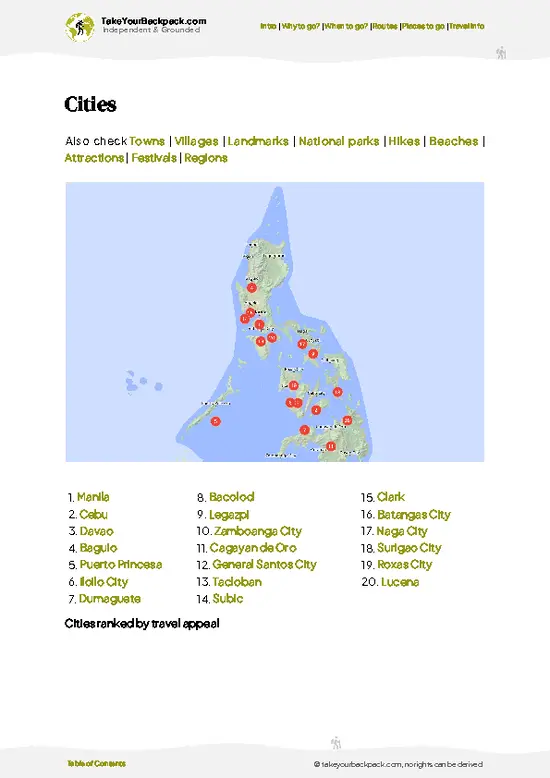
  • Vigan—Calle Crisologo, cobblestone streets, Spanish-era mansions| 154 km away
  • Sagada—Limestone cliffs, hanging coffins, pine forests| 156 km away
  • Banaue—Rice terraces, Ifugao culture, mountain air| 163 km away

👉 Discover all towns

Or checkout all Philippines has to offer (think cities, towns, villages, national parks, hikes, beaches, festivals)
Country photo of Philippines

We 💚 feedbackWhat to keep in mind

Aparri’s charm lies in its raw, unfiltered beauty. The sunsets here paint the sky in fiery oranges and deep purples, a reward after a day spent navigating its rugged coastlines. But be ready for the heat; it can be relentless. Embrace the sweat, and you’ll find the warmth of the locals makes every drop worth it.

✈️ When did I visit Philippines?
Philippines being one of my favorites, due to the people and their mentality. I visited it first in 2010 and came back in January 2016 as part of my 1.5 year world trip.

✍️ Help improve this page!
The information on this page is based on my own backpacking experience in Philippines, supplemented with up-to-date research and feedback from other travelers. Travel details can change, so if you notice anything outdated or incomplete, feel free to let me know.


🙋‍♂️ Give feedback

👋 Meet the founderWho’s Behind Take Your Backpack?

Johan, backpacker and founder of TakeYourBackpackHi, I’m Johan (Netherlands 🇳🇱), the creator of TakeYourBackpack. Over the past decade, I’ve backpacked through 80+ countries across six continents, gaining extensive experience with independent travel, long-term trips, and overland routes.

This site is built on a combination of firsthand travel experience and carefully curated insights from other backpackers. Many guides are based on places I’ve personally visited, while others bring together tips, observations, and practical advice shared by trusted travelers I’ve met along the way.

The goal is to provide realistic, experience-driven guidance — not generic itineraries — so you can explore destinations with better context, clearer expectations, and more confidence.

Get full country guide •
Instant download • 144 highlights • Full Offline guide