
×

Philippines🇵🇭 | townsBanaueRice terraces, Ifugao culture, mountain air | things to do and best time to go

Explore SagadaExplore Tagaytay

Backpacking in Banaue
🏆 Top picktown ranked #2
By Johan Kruseman 🇳🇱 | Updated October 15, 2026

Your boots crunch on damp wooden planks as a jeepney idles below, coughing exhaust into the cool mountain air; roosters argue with distant karaoke, and somewhere a pot of garlic rice hisses on a roadside stove. This is Banaue, a small mountain town in Ifugao province, up in the Cordillera region of northern Luzon in the Philippines. For backpackers, Banaue is less a destination you linger in and more a functional, slightly scruffy gateway to the rice terraces and to quieter villages like Batad and Cambulo. The town itself is concrete, traffic, and terrace viewpoints rather than charm, but it’s compact, walkable along the main road, and threaded with simple guesthouses where it’s easy to meet other travelers over instant coffee and foggy mornings. Nightlife is minimal, costs are moderate, and compared with Baguio or Sagada, Banaue feels more raw, more practical, and more about getting you out on the trails than entertaining you in town.

Discover everything you want to know in the 📖 Philippines Travel Guide.


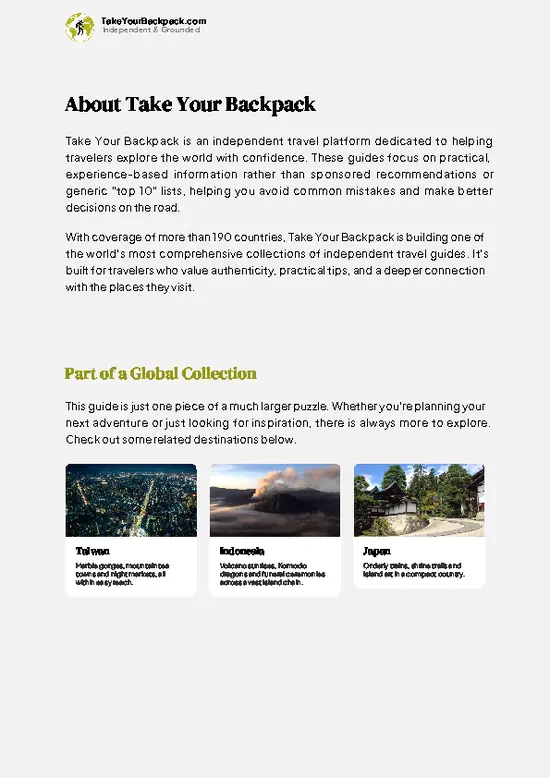
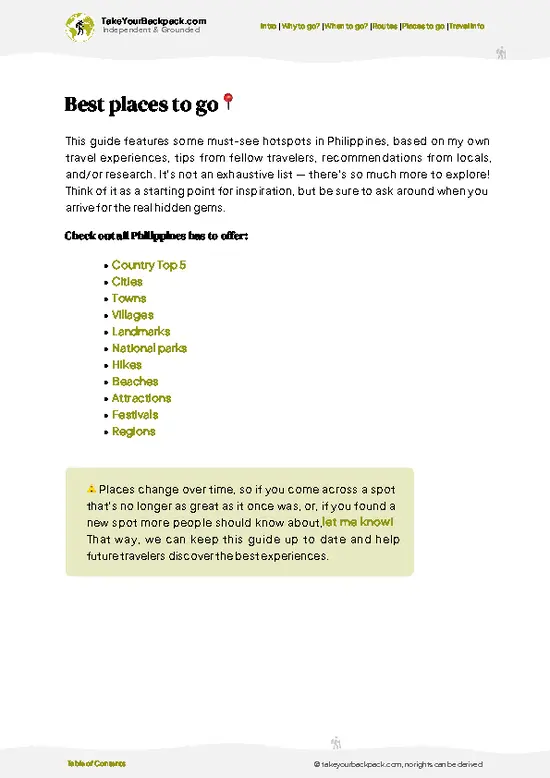
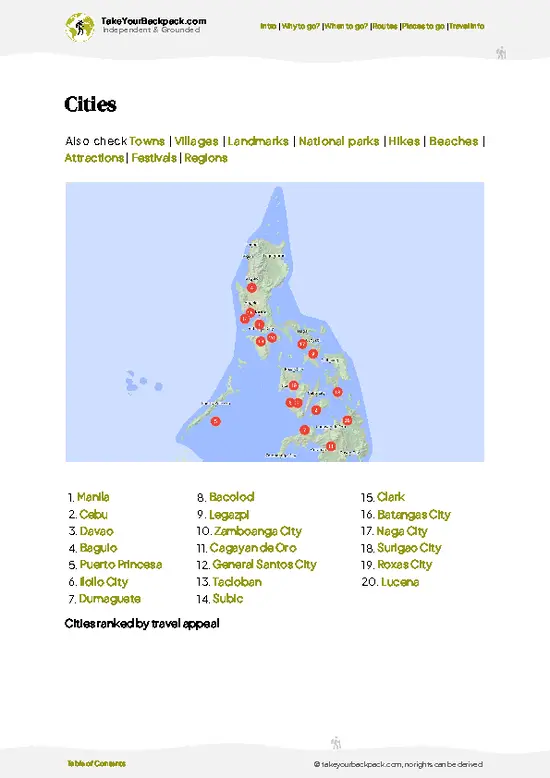
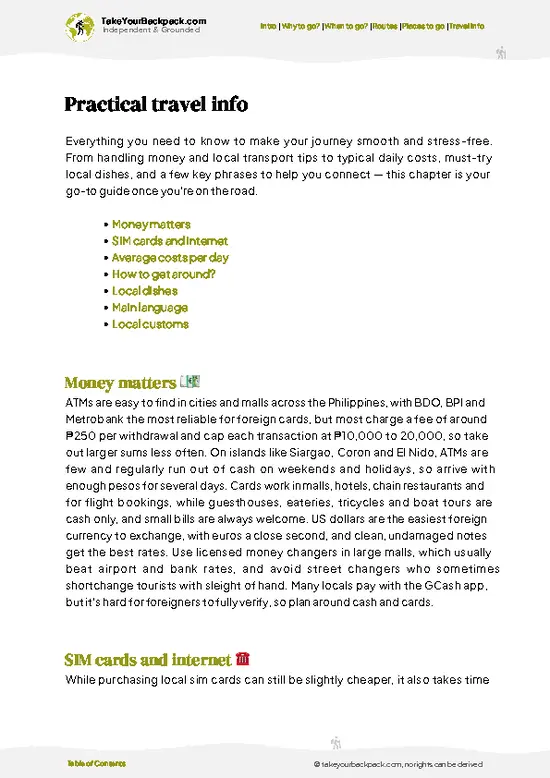
example page 0 from our offline Travel Guide for Philippines
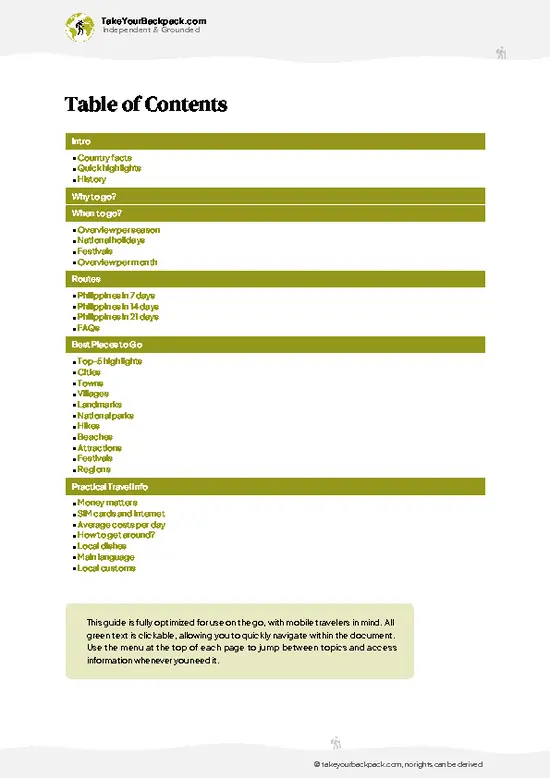
example page 1 from our offline Travel Guide for Philippines
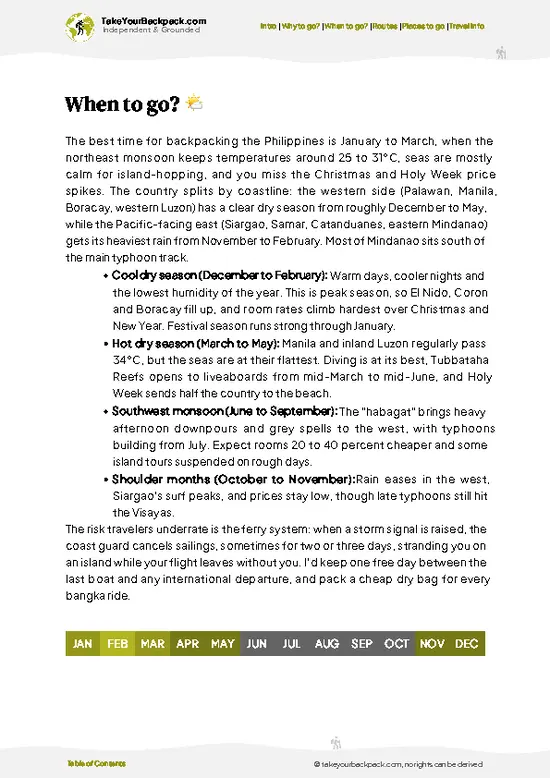
example page 2 from our offline Travel Guide for Philippines
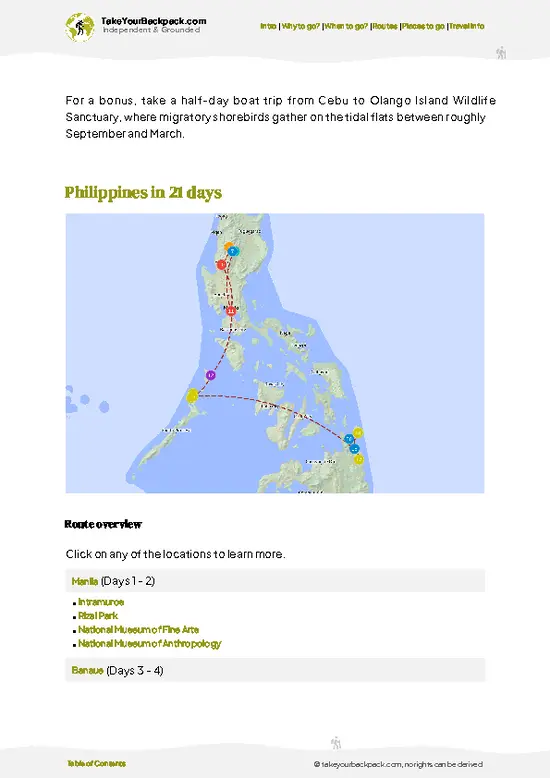
example page 3 from our offline Travel Guide for Philippines
example page 4 from our offline Travel Guide for Philippines
example page 5 from our offline Travel Guide for Philippines
example page 6 from our offline Travel Guide for Philippines
example page 7 from our offline Travel Guide for Philippines
Loading the map 🌍
CLICK TO FILTER
cities
towns
villages
landmarks
national parks
hikes
beaches
attractions
festivals
regions
SHOW COUNTRY’S BESTSHOW ALL

✨ Why go?
Ranked #2 town in Philippines
What makes this town worth visiting

Banaue is a backpacker’s hub that serves as a launchpad for exploring the stunning rice terraces and nearby hikes. The town’s walkable streets make it easy to navigate, with small-scale hostels and guesthouses that foster a friendly, communal vibe. You’ll find yourself sharing stories over a bowl of local rice porridge or a hearty meal of adobo at a nearby eatery.

Most travelers linger here for a few days, soaking in the slow pace and the warmth of the locals. It’s a place where solo travelers and small groups can connect, making it ideal for those who appreciate a social atmosphere without the chaos of nightlife. The scents of street food waft through the air, inviting you to explore the local culture.

While some might use Banaue as a quick stopover, those who take the time to linger … read more 👉
Banaue is a backpacker’s hub that serves as a launchpad for exploring the stunning rice terraces and nearby hikes. The town’s walkable streets make it easy to navigate, with small-scale hostels and guesthouses that foster a friendly, communal vibe. You’ll find yourself sharing stories over a bowl of local rice porridge or a hearty meal of adobo at a nearby eatery.

Most travelers linger here for a few days, soaking in the slow pace and the warmth of the locals. It’s a place where solo travelers and small groups can connect, making it ideal for those who appreciate a social atmosphere without the chaos of nightlife. The scents of street food waft through the air, inviting you to explore the local culture.

While some might use Banaue as a quick stopover, those who take the time to linger will find it rewarding. It’s not just a waypoint; it’s a chance to immerse yourself in the rhythm of rural life.

💡 HighlightsKey sights and experiences for travelers

  1. Banaue Rice Terraces - Town Viewpoint: The classic sweeping terrace amphitheater you see from the municipal lookout — the most immediate, awe-inspiring vista that puts why people come to Banaue into context and is easily reached from the town plaza.
  2. Banaue Museum (Ifugao Ethnographic displays): A small, local museum with carvings, traditional tools, and explanations of rice-cultivation and rituals — helpful for understanding the terraces beyond just the view.
  3. Banaue Public Market: Where farmers, porters and weavers meet — go for fresh mountain produce, smoked meats, and to buy (and bargain for) authentic Ifugao woven cloth and wooden souvenirs while watching everyday life.
  4. Handicraft & Woodcarving Row: The cluster of workshops and stalls along the main road where you can watch carvers
… read more 👉
  1. Banaue Rice Terraces - Town Viewpoint: The classic sweeping terrace amphitheater you see from the municipal lookout — the most immediate, awe-inspiring vista that puts why people come to Banaue into context and is easily reached from the town plaza.
  2. Banaue Museum (Ifugao Ethnographic displays): A small, local museum with carvings, traditional tools, and explanations of rice-cultivation and rituals — helpful for understanding the terraces beyond just the view.
  3. Banaue Public Market: Where farmers, porters and weavers meet — go for fresh mountain produce, smoked meats, and to buy (and bargain for) authentic Ifugao woven cloth and wooden souvenirs while watching everyday life.
  4. Handicraft & Woodcarving Row: The cluster of workshops and stalls along the main road where you can watch carvers and weavers work, ask about materials and meaning, and buy directly from makers rather than tourist middlemen.
  5. Traditional Ifugao Houses near the town center: Several raised wooden houses (bahay nga iffugao) and ancestral structures are still visible around town — modest, tangible examples of local architecture and village layout worth photographing respectfully.
  6. Banaue Hotel / View Decks and Cafés: Not glamorous, but the rooftop decks and roadside cafés reliably deliver close-up terrace views, coffee, and a place to sit and watch light move across the paddies — a practical stop for sunrise or late-afternoon light.
  7. Short Terrace Walks from Poblacion: Gentle trails that leave right from the town center to nearby terraces and hamlets — perfect if you want a 1-3 hour walk without the long jeepney and trek to Batad, with good chances to chat with farmers.
  8. Community Homestays and Home Visits: Several family-run homestays in town offer hands-on experiences (rice planting, cooking local dishes, night chats) — a direct way to learn traditions and support local households.
  9. Banaue Town Plaza & Church: The social heart of town — the plaza and its adjacent church are where festivals, markets and public life happen; useful for people-watching and catching any local events or feasts.
  10. Evening Street Food & Vendor Stalls: Small food stalls and grilled-meat vendors near the market come alive at dusk — a cheap, tasty, and very local way to end the day and try Ifugao snacks and steaming rice cakes.
Nearby day trips from Banaue include the Batad rice-terrace amphitheater and Tappiyah Falls, the Bangaan terraces, and the Hapao hot springs; my personal favorite to explore as a day trip is Batad for its dramatic amphitheater and genuine mountain-village feel.
Spotted a mistake or missing something? Contact us.

Things to do near Banaue

Ratings based on Tripadvisor reviews. When you book through this link, you support our work at no extra cost to you.

🏘️ NeighborhoodsKey areas and districts to know

Banaue is a captivating town known for its iconic rice terraces and rich culture. Each neighborhood offers a unique flavor, making it essential to choose wisely based on your travel style.

Central Banaue: This is the heartbeat of the town. You’ll find budget accommodations, local eateries, and easy access to transport. The vibe is lively, especially in the evenings when locals gather. Perfect for short stays, it’s walkable, but be prepared for some steep hills.

Viewpoint Area: As the name suggests, this area offers stunning panoramas of the terraces. It’s quieter, ideal for those seeking tranquility. Accommodations here can be pricier, but the views are worth it. The walk to the terraces is manageable, making it suitable for longer stays where you can soak in the scenery.

Bangaan Village: … read more 👉
Banaue is a captivating town known for its iconic rice terraces and rich culture. Each neighborhood offers a unique flavor, making it essential to choose wisely based on your travel style.

Central Banaue: This is the heartbeat of the town. You’ll find budget accommodations, local eateries, and easy access to transport. The vibe is lively, especially in the evenings when locals gather. Perfect for short stays, it’s walkable, but be prepared for some steep hills.

Viewpoint Area: As the name suggests, this area offers stunning panoramas of the terraces. It’s quieter, ideal for those seeking tranquility. Accommodations here can be pricier, but the views are worth it. The walk to the terraces is manageable, making it suitable for longer stays where you can soak in the scenery.

Bangaan Village: A short jeepney ride from the town center, this village is a slice of traditional life. The atmosphere is serene, with fewer tourists. It’s perfect for longer stays if you want to immerse yourself in local culture. The walk to the rice terraces is a bit more challenging, but the experience is authentic.

Batad: Known for its remote beauty, Batad is a trekker’s paradise. The vibe is rustic and laid-back. Accommodations are basic but affordable. It’s best for longer stays, as getting here requires a hike, but the payoff is breathtaking.

⌛️ 1 day1-day itinerary for Banaue

Banaue, a small town in the Philippines, is often dubbed the “Rice Terraces Capital of the Philippines.” The terraces, carved into the mountains over 2,000 years ago, are a testament to the ingenuity of the Ifugao people. The air is crisp, filled with the earthy scent of rice and the distant sound of water cascading down the terraces. Spending a day here is about immersing yourself in the culture and the landscape.

Start your morning with a hearty breakfast at a local eatery like the Banaue Viewpoint Restaurant. The warm, sweet aroma of freshly brewed coffee mingles with the scent of grilled meats. After fueling up, head to the Batad Rice Terraces, a short jeepney ride away. The trek down to the terraces is steep but rewarding. As you descend, the light filters through the trees, illuminating … read more 👉
Banaue, a small town in the Philippines, is often dubbed the “Rice Terraces Capital of the Philippines.” The terraces, carved into the mountains over 2,000 years ago, are a testament to the ingenuity of the Ifugao people. The air is crisp, filled with the earthy scent of rice and the distant sound of water cascading down the terraces. Spending a day here is about immersing yourself in the culture and the landscape.

Start your morning with a hearty breakfast at a local eatery like the Banaue Viewpoint Restaurant. The warm, sweet aroma of freshly brewed coffee mingles with the scent of grilled meats. After fueling up, head to the Batad Rice Terraces, a short jeepney ride away. The trek down to the terraces is steep but rewarding. As you descend, the light filters through the trees, illuminating the vibrant greens of the rice paddies. Spend some time wandering the paths, taking in the intricate patterns and the hardworking farmers tending to their fields. This isn’t just a photo op; it’s a glimpse into a way of life.

In the afternoon, return to Banaue and explore the local market. The vibrant colors of fresh produce and handmade crafts create a lively atmosphere. Don’t miss the chance to try some local delicacies, like the sticky rice wrapped in banana leaves. For a less-traveled spot, visit the nearby village of Hapao. The hot springs there are a perfect way to relax after a day of hiking, surrounded by lush greenery and the soothing sound of bubbling water.

As evening falls, find a cozy spot at a local bar or restaurant. Enjoy a cold beer while watching the sunset paint the terraces in shades of gold and orange. The day may have been filled with effort, but the beauty of Banaue is a reward that feels well-earned.

🌤️ When to go?Best time to visit Banaue

  • Topic: Weather - The dry season from November to April is your best bet. Expect clear skies and minimal rain, which means the terraces stay visible and safe to hike. The wet season (May to October) brings heavy rains that can turn trails slippery and obscure views in mist.
  • Topic: Temperature - Daytime temps hover around 20-25°C (68-77°F) during the dry months, perfect for trekking without overheating. Nights can dip to 12°C (54°F), so pack a light jacket. The wet season is warmer but muggy, making physical activity more draining.
  • Topic: Daylight Hours - From November to April, you get roughly 11-12 hours of daylight, enough to start early and explore without rushing. Shorter days in the wet season limit your trekking window and increase the chance of hiking in fading light.
  • Topic: Crowds
… read more 👉
  • Topic: Weather - The dry season from November to April is your best bet. Expect clear skies and minimal rain, which means the terraces stay visible and safe to hike. The wet season (May to October) brings heavy rains that can turn trails slippery and obscure views in mist.
  • Topic: Temperature - Daytime temps hover around 20-25°C (68-77°F) during the dry months, perfect for trekking without overheating. Nights can dip to 12°C (54°F), so pack a light jacket. The wet season is warmer but muggy, making physical activity more draining.
  • Topic: Daylight Hours - From November to April, you get roughly 11-12 hours of daylight, enough to start early and explore without rushing. Shorter days in the wet season limit your trekking window and increase the chance of hiking in fading light.
  • Topic: Crowds - Peak season (December to February) draws more tourists, especially around Christmas and New Year. If you want fewer people, aim for November or March-April when the weather is still good but the terraces feel more personal.
  • Topic: Seasonal Activities - Harvest festivals like the Ifugao Hudhud chants happen in the dry season, offering cultural depth beyond the terraces. The wet season lacks these events and focuses more on local daily life, which can be less accessible to visitors.
  • Topic: Price Fluctuations - Accommodation and tours spike in the dry season, especially during holidays. Booking early can lock in better rates. The wet season sees lower prices but comes with the trade-off of less reliable weather and trail conditions.
Pro-tip: Arrive just before the peak dry season—November or early December—when the terraces are crisp, the air smells fresh from recent rains, and you get the best balance of solitude, weather, and cultural richness.


source: climatestotravel.comJANJanuary: highly recommended for travelingFEBFebruary: highly recommended for travelingMARMarch: excellent for travelingAPRApril: excellent for travelingMAYMay: fair for travelingJUNJune: fair for travelingJULJuly: fair for travelingAUGAugust: fair for travelingSEPSeptember: fair for travelingOCTOctober: fair for travelingNOVNovember: excellent for travelingDECDecember: highly recommended for traveling
when-to-go

✈️ The backpacker research shortcutPhilippines Travel Guide

An offline-friendly backpacking guide with optimized travel routes, ranked highlights, transport advice, and the best areas to stay.
example page 0 from our offline Travel Guide for Philippines
example page 1 from our offline Travel Guide for Philippines
example page 2 from our offline Travel Guide for Philippines
example page 3 from our offline Travel Guide for Philippines
example page 4 from our offline Travel Guide for Philippines
example page 5 from our offline Travel Guide for Philippines
example page 6 from our offline Travel Guide for Philippines
example page 7 from our offline Travel Guide for Philippines
The digital guide (517 pages) contains:
✅ 151 highlights, ranked by travel appeal
✅ Optimized 7, 14 & 21-day travel routes
✅ Cities, national parks, landmarks, beaches
✅ How to get around
✅ Offline-friendly for travel without Wi-Fi
👉 Click to see all 30+ guide features

📅 Plan smarter in minutes, not weeks
✅ Month by month travel advice
✅ Festivals & national holidays
✅ Budget expectations

🗺️ Go to the right places, skip the overrated ones
✅ Honest pros & cons of destinations
✅ Top hikes, parks & viewpoints
✅ Lesser-known places most travelers miss
✅ Clear “worth it vs skip it” guidance

🛏️ Travel smoothly without rookie mistakes
✅ Best areas to stay
✅ Transport systems explained simply
✅ Common scams & safety advice
✅ SIM cards, money & practical tips

🌍 Understand the country, not just visit it
✅ Culture & traditions
✅ 52 Essential phrases & customs
✅ Festivals worth planning around
✅ Traveler-friendly historical context
✅ Insights that make places more meaningful

📱 Built for real travel conditions
✅ Fully downloadable PDF
✅ Works completely offline
✅ Optimized for phone use
✅ Useful in remote areas & buses
✅ Everything in one place
Stop searching, start planning
Get instant access to your full guide. 30‑day money-back guarantee.
+ Add another guide for just

By proceeding you agree to our terms.
Sent to your inbox immediately after payment • 100% Secure Checkout
Best Backpacking Travel Advisor 2025 tourism awardBest Backpacking
Travel Advisor
2025
What others say about Take Your Backpack Guides:
⭐⭐⭐⭐⭐
Fantastic, amazing amount of information!
⭐⭐⭐⭐⭐
My goodness this is amazing, it's what I've been looking for hats off too you!
⭐⭐⭐⭐⭐
I think this is absolutely BRILLIANT
⭐⭐⭐⭐
Very complete and informative. It's still missing places, but I gotta to commend you
⭐⭐⭐⭐⭐
This is truly amazing, thank you, can't wait to explore it with my kids!
⭐⭐⭐⭐⭐
Awesome resource, thank you!
⭐⭐⭐⭐⭐
This is amazing! Can't wait to explore the ones I haven't seen
⭐⭐⭐⭐
I love this! Well done, great idea.
⭐⭐⭐⭐⭐
Thanks for taking the time to make this gem!
⭐⭐⭐⭐⭐
This might be the best website I've ever seen.
⭐⭐⭐⭐⭐
Congratulations, and thank you so much for your work; it's incredibly valuable.
⭐⭐⭐⭐
In all seriousness I think you did a great job pointing out the important spots
⭐⭐⭐⭐⭐
10/10 very good
⭐⭐⭐⭐⭐
As someone who's only just starting to visit regularly this is awesome, thank you.
⭐⭐⭐⭐
Thank you very much! I'm going to visit my dad, it's going to be very useful!
⭐⭐⭐⭐⭐
This is really cool! We'll be travelling for the first time and this definitely come in handy.
⭐⭐⭐⭐⭐
You are now our minister of culture, congratulations 👨‍💼
⭐⭐⭐⭐⭐
Just wanted to tell you that this is a pearl! Going to follow your recommendations.
⭐⭐⭐⭐⭐
This is so cool. I'll definitely be using the resource for my travels soon.
⭐⭐⭐⭐⭐
This is very impressive! Good work.
⭐⭐⭐⭐⭐
This is an amazing and informative site. Very well done!

🛏️ Where to stay?Best areas and accommodation options

Banaue’s backpacker scene centers around the small town proper, where the pulse of local life and traveler energy converge. This area is your best bet for safety and social vibes. Streets here are compact, easy to navigate on foot, and lined with modest eateries and shops where you can snag fresh fruit or a strong cup of local coffee—perfect for fueling early hikes. The air carries a mix of earth and wood smoke, grounding you in the rural rhythm that defines the town.

Compared to the quieter outskirts or the more residential barangays, staying in the town proper means you’re never far from fellow … read more 👉
Banaue’s backpacker scene centers around the small town proper, where the pulse of local life and traveler energy converge. This area is your best bet for safety and social vibes. Streets here are compact, easy to navigate on foot, and lined with modest eateries and shops where you can snag fresh fruit or a strong cup of local coffee—perfect for fueling early hikes. The air carries a mix of earth and wood smoke, grounding you in the rural rhythm that defines the town.

Compared to the quieter outskirts or the more residential barangays, staying in the town proper means you’re never far from fellow travelers swapping trail tips or arranging jeepney rides to the rice terraces. Hostels cluster here, offering budget-friendly dorms and common areas where conversations flow easily, especially in the evenings when the sun softens the rugged landscape into warm hues. This social atmosphere is a magnet for solo backpackers looking to connect without the hassle of long commutes.

Venturing beyond this hub risks isolation and logistical headaches—roads get rough, and options for food and company thin out. So, anchor yourself in the town proper to tap into the heartbeat of Banaue, where every step outside your door feels like the start of an adventure shared.

🚌 Getting aroundHow to get around Banaue

Banaue moves at the pace of the mountains themselves—steady, deliberate, and shaped by rhythms older than any bus schedule. The air carries the scent of damp earth and pine, thick with the promise of rice terraces carved by hands that know patience. Here, time isn’t dictated by clocks but by the sun’s climb and the chatter of locals who navigate the town with a mix of intuition and tradition. You won’t find rigid timetables or polished terminals; instead, expect a dance of minibuses, jeepneys, and tricycles that leave when they’re full, not when the clock says so. This organic flow can feel chaotic if you’re used to precision, but lean into it—this is how you tap into the real pulse of Banaue.
  • Jeepneys: The backbone of local transit, jeepneys run between Banaue and nearby villages like Batad
… read more 👉
Banaue moves at the pace of the mountains themselves—steady, deliberate, and shaped by rhythms older than any bus schedule. The air carries the scent of damp earth and pine, thick with the promise of rice terraces carved by hands that know patience. Here, time isn’t dictated by clocks but by the sun’s climb and the chatter of locals who navigate the town with a mix of intuition and tradition. You won’t find rigid timetables or polished terminals; instead, expect a dance of minibuses, jeepneys, and tricycles that leave when they’re full, not when the clock says so. This organic flow can feel chaotic if you’re used to precision, but lean into it—this is how you tap into the real pulse of Banaue.
  • Jeepneys: The backbone of local transit, jeepneys run between Banaue and nearby villages like Batad and Bangaan. They don’t have fixed departure times—expect to wait until they fill up, which can take anywhere from 15 minutes to an hour. Fares hover around 50-100 PHP depending on distance. They’re slow but offer a rugged, open-air ride that lets you soak in the mountain air and roadside chatter.
  • Minibuses: For longer hauls, minibuses connect Banaue to larger towns like Baguio or Sagada. These leave from the main terminal but still operate on a “when full” basis. Prices range from 150 to 300 PHP, and the ride can be bumpy, winding through narrow mountain roads. They’re faster than jeepneys but less frequent, so plan to arrive early if you want a seat.
  • Tricycles: The go-to for short hops within Banaue or to trailheads. They’re cheap (20-50 PHP) and nimble, perfect for navigating narrow village lanes. Drivers often know the best shortcuts to terraces or homestays, so don’t hesitate to ask for insider tips. Negotiate fares upfront to avoid surprises.
  • Walking: The terraces and villages are best explored on foot. Trails vary from gentle paths to steep climbs, with the scent of wet stone and moss underfoot. Walking lets you catch the subtle shifts in light and sound—the rustle of rice stalks, the distant call of a carabao. Bring sturdy shoes and water; some routes can take hours but reward you with views no vehicle can match.

👛 Costs (as of 15 October 2026)Travel costs and budget guide for Banaue

Backpacking in Banaue, Philippines, offers a raw, earthy experience where every peso counts and the rhythm of the town sets your pace. Here’s what you’re looking at for daily costs, broken down so you can plan like a pro.
  • Dorm Accommodation: Expect to pay around $5 to $10 per night for a bed in a basic guesthouse dorm. These places are simple—think wooden floors, a fan, and the occasional rooster chorus at dawn. It’s not luxury, but it’s clean and close to the rice terraces.
  • Meals: Local eateries serve up hearty meals for $2 to $4. A plate of rice, grilled fish or pork, and fresh vegetables is the norm. Street snacks like banana cue or local fruits cost less than a dollar. If you want to splurge on a coffee or a western-style meal, expect to pay around $3 to $5.
  • Local Transport: Jeepneys
… read more 👉
Backpacking in Banaue, Philippines, offers a raw, earthy experience where every peso counts and the rhythm of the town sets your pace. Here’s what you’re looking at for daily costs, broken down so you can plan like a pro.
  • Dorm Accommodation: Expect to pay around $5 to $10 per night for a bed in a basic guesthouse dorm. These places are simple—think wooden floors, a fan, and the occasional rooster chorus at dawn. It’s not luxury, but it’s clean and close to the rice terraces.
  • Meals: Local eateries serve up hearty meals for $2 to $4. A plate of rice, grilled fish or pork, and fresh vegetables is the norm. Street snacks like banana cue or local fruits cost less than a dollar. If you want to splurge on a coffee or a western-style meal, expect to pay around $3 to $5.
  • Local Transport: Jeepneys and tricycles are the lifeblood here. A short ride within town will set you back about $0.20 to $0.50. For trips to nearby viewpoints or villages, budget $1 to $3. Walking is often the best way to soak in the atmosphere and save cash.
  • Basic Activities/Entry Fees: The main draw is the rice terraces themselves, which have a modest entrance fee of around $1 to $2. Guided hikes or village tours typically cost between $5 and $10, depending on length and group size. Hiring a local guide is worth it—they bring the terraces to life with stories and insights you won’t get solo.
  • Miscellaneous Expenses: Bottled water, snacks, and small souvenirs usually add up to $1 to $3 per day. Internet access can be spotty and often costs $1 to $2 for a few hours at a café or guesthouse.

All told, you’re looking at roughly $10 to $25 a day to cover the essentials without cutting corners. This range lets you experience Banaue’s unique landscape and culture without the stress of overspending. The key is embracing the slower pace—walking, chatting with locals, and savoring simple meals—because that’s where the real magic of Banaue lives.


source: tourism.gov.ph
⚠️ Prices can change and everyone travels differently, so take this as a rough guide. Hope it helps you plan your adventure!

🚌 Day tripsShort trips worth adding

Banaue is a backpacker’s dream base, surrounded by lush rice terraces and vibrant culture. The town’s charm lies in its accessibility to stunning day trips that offer a taste of the Philippines’ natural beauty and rich heritage.

Batad Rice Terraces
Just a short jeepney ride from Banaue, Batad is a UNESCO World Heritage site that feels like stepping into a living postcard. The terraces here are more dramatic and less crowded than those in Banaue, with a breathtaking amphitheater-like layout. The hike down to the terraces can be steep, but the reward is a chance to see local farmers at work and maybe even share a smile or two. Expect to spend about 30 minutes getting there and around 200 PHP for the jeepney fare. The best time to visit is during the dry season, from November to April, when … read more 👉
Banaue is a backpacker’s dream base, surrounded by lush rice terraces and vibrant culture. The town’s charm lies in its accessibility to stunning day trips that offer a taste of the Philippines’ natural beauty and rich heritage.

Batad Rice Terraces
Just a short jeepney ride from Banaue, Batad is a UNESCO World Heritage site that feels like stepping into a living postcard. The terraces here are more dramatic and less crowded than those in Banaue, with a breathtaking amphitheater-like layout. The hike down to the terraces can be steep, but the reward is a chance to see local farmers at work and maybe even share a smile or two. Expect to spend about 30 minutes getting there and around 200 PHP for the jeepney fare. The best time to visit is during the dry season, from November to April, when the paths are less slippery. A common mistake? Underestimating the hike back up; pace yourself and enjoy the views.


Hapao Rice Terraces
A hidden treasure just a 30-minute ride from Banaue, Hapao offers a more tranquil experience. The terraces here are less touristy, allowing you to soak in the serene atmosphere. The scent of fresh rice fills the air as you wander through the fields, and you might even catch a glimpse of locals preparing traditional meals. The round trip costs about 150 PHP, and the best time to go is early morning to catch the sunrise illuminating the terraces. Many first-timers miss the small trails leading to the best viewpoints; don’t hesitate to explore a bit off the beaten path.


Bangaan Village
This quaint village is a mere 20-minute jeepney ride from Banaue and offers a glimpse into traditional Ifugao culture. The village is small, but the warmth of the locals is palpable. You can stroll through the village, visit a local home, and even try your hand at weaving. The total cost for the trip is around 100 PHP, and the best time to visit is during the harvest season, when the terraces are vibrant with life. A common pitfall is rushing through; take your time to engage with the community and savor the experience.


Mayoyao Rice Terraces
For those willing to venture a bit further, Mayoyao is about an hour and a half away and offers stunning views that rival Batad. The terraces here are less maintained, giving them a wild, untouched feel. The journey costs around 300 PHP, and the best time to visit is during the dry months. Many travelers overlook the chance to interact with the locals, who are eager to share their stories and traditions. Don’t miss out on this cultural exchange; it’s what makes the trip truly special.

🛡️ SafetyTraveler Safety Guide

Banaue is generally safe, but a few practical tips can enhance your experience. The rice terraces are breathtaking, but they can also be slippery, especially after rain. Move carefully and wear sturdy shoes; a misstep can lead to a muddy tumble.

If you’re solo, stick to well-lit areas after dark. The town isn’t sprawling, but it’s wise to avoid wandering too far from the main paths at night. Locals are friendly, but a few may try to sell you overpriced souvenirs or tours. Politely decline and remember that haggling is part of the culture; just keep it light-hearted.

Watch for common scams like overly aggressive tour guides. A simple “I’m just exploring” usually diffuses the situation. Carry a small amount of cash and keep your valuables close. This way, you can enjoy the stunning views without unnecessary stress.

FAQFrequently asked questions about Banaue

Yes, Banaue is worth visiting for its iconic 2,000-year-old rice terraces, a UNESCO World Heritage site. It offers unique cultural experiences with the indigenous Ifugao people and stunning natural landscapes. Many travelers spend time exploring the terraces and nearby villages rather than just passing through.
You need at least 2 to 3 days in Banaue to fully appreciate the rice terraces and do some trekking. This allows time for visiting viewpoints, local villages, and possibly the Batad Rice Terraces, which require a half-day hike. Staying overnight in Banaue or nearby villages enhances the experience.
No, Banaue is not ideal for a day trip from nearby cities like Baguio or Manila due to long travel times. The journey from Manila takes about 9 to 10 hours by bus or van, and from Baguio around 6 to 7 hours. Overnight stays are recommended to avoid rushed visits and enjoy the area properly.
⚠️ Things can change over time, so always validate details locally before you go.

Other Filipino towns near Banaue

Explore more nearby:

  • Sagada—Limestone cliffs, hanging coffins, pine forests| 27 km away
  • San Juan, La Union—surf town, beach resorts, laid-back bars| 88 km away
  • Vigan—Calle Crisologo, cobblestone streets, Spanish-era mansions| 103 km away

💡 Not sure where to go next?
Create a personalized itinerary for Philippines including Banaue and the places that fit your trip.

Generate my itinerary

👉 Discover all towns

Or checkout all Philippines has to offer (think cities, towns, villages, national parks, hikes, beaches, festivals)
Country photo of Philippines

We 💚 feedbackWhat to keep in mind

Banaue is a feast for the senses. The smell of fresh rice wafts through the air as you stand before the terraces, a living testament to centuries of hard work. But be ready for the reality check: the roads can be rough, and the altitude might leave you breathless. Embrace the challenge; it’s part of the journey. The payoff? Those views will etch themselves into your memory, reminding you why you came.

✈️ When did I visit Philippines?
Philippines being one of my favorites, due to the people and their mentality. I visited it first in 2010 and came back in January 2016 as part of my 1.5 year world trip.

✍️ Help improve this page!
The information on this page is based on my own backpacking experience in Philippines, supplemented with up-to-date research and feedback from other travelers. Travel details can change, so if you notice anything outdated or incomplete, feel free to let me know.


🙋‍♂️ Give feedback

👋 Meet the founderWho’s Behind Take Your Backpack?

Johan, backpacker and founder of TakeYourBackpackHi, I’m Johan (Netherlands 🇳🇱), the creator of TakeYourBackpack. Over the past 3 decades, I’ve backpacked through 90+ countries across six continents, gaining extensive experience with independent travel, long-term trips, and overland routes.

This site is built on a combination of firsthand travel experience and carefully curated insights from other backpackers. Many guides are based on places I’ve personally visited, while others bring together tips, observations, and practical advice shared by trusted travelers I’ve met along the way.

The goal is to provide realistic, experience-driven guidance — not generic itineraries — so you can explore destinations with better context, clearer expectations, and more confidence.