
×

Philippines🇵🇭 | citiesSubicfreeport zone, shipwreck dives, duty-free shops | things to do and best time to go

Explore Angeles CityExplore San Juan

Backpacking in Subic
🌟 Highlightcity ranked #15
By Johan Kruseman 🇳🇱 | Updated July 30, 2026

Your flip-flops slap against hot concrete as a tricycle rattles past, karaoke spills from a sari-sari store, and the salty air from Subic Bay mixes with grilled pork smoke from a roadside stall. Subic sits on the west coast of Luzon in the Philippines, a few hours from Manila, built around the old US naval base. For backpackers, it’s a weird but interesting mix: duty-free malls, shipwreck diving, forested hills, and a nightlife strip that can feel seedy fast. It’s cheaper and calmer than Manila or Angeles, easy to navigate, reasonably safe if you stay street-smart, but it’s not a social backpacker hub—you come here for wreck dives, bay sunsets, and a slightly scruffy, ex-military-port edge, not for charming old streets or hostel bar culture.

Discover everything you want to know in the 📖 Philippines Travel Guide.
Loading the map 🌍
CLICK TO FILTER
cities
towns
landmarks
national parks
hikes
beaches
attractions
festivals
regions
SHOW COUNTRY’S BESTSHOW ALL

✨ Why go?
Ranked #15 city in Philippines
Reasons people choose to visit here

Subic is a strategic stop for backpackers weaving through the Philippines. It offers a solid mix of affordability and convenience. The hostels here are budget-friendly and often buzzing with fellow travelers, making it easy to swap stories and tips. You’ll find a variety of food options, from street stalls to cozy cafes, catering to every palate without breaking the bank. The city is walkable, allowing you to explore at your own pace, soaking in the local vibe without the hassle of transport. Plus, the nightlife is lively but not overwhelming, perfect for unwinding after a day of adventure. Subic also serves as a basecamp for day trips to nearby attractions, making it a smart choice for those looking to maximize their time without sacrificing comfort. If you’re on a longer journey, consider … read more 👉
Subic is a strategic stop for backpackers weaving through the Philippines. It offers a solid mix of affordability and convenience. The hostels here are budget-friendly and often buzzing with fellow travelers, making it easy to swap stories and tips. You’ll find a variety of food options, from street stalls to cozy cafes, catering to every palate without breaking the bank. The city is walkable, allowing you to explore at your own pace, soaking in the local vibe without the hassle of transport. Plus, the nightlife is lively but not overwhelming, perfect for unwinding after a day of adventure. Subic also serves as a basecamp for day trips to nearby attractions, making it a smart choice for those looking to maximize their time without sacrificing comfort. If you’re on a longer journey, consider Subic a worthwhile pit stop rather than a destination in itself.
Want to include Subic in your Philippines route?
Create a personalized Philippines itinerary that includes Subic and the places that fit your trip — based on your travel style, budget, and available time. Get your route in seconds.

Generate my trip

💡 HighlightsMust-see experiences and standout moments

  • Grande Island (Fort Wint) — a tiny island in Subic Bay with crumbling WWII gun batteries and bunkers to explore, clear snorkeling spots, and short boat runs from the pier that make history and beach time an easy combo.
  • Zoobic Safari — not your average zoo: open enclosures, a short ”safari” ride, close-up encounters with tigers and crocodiles, plus a chance to see conservation work and species you won’t easily find elsewhere in Luzon.
  • Ocean Adventure & Camayan Beach — the dolphin and sea lion shows are touristy but well-staged, and the attached Camayan Beach has fine sand and snorkel-friendly water for a relaxed half-day after the park.
  • Pamulaklakin Forest Trail & Tribal Village — a real forest walk led by guides who share Aeta culture, traditional crafts and hunting techniques; it’s one
read more 👉
  • Grande Island (Fort Wint) — a tiny island in Subic Bay with crumbling WWII gun batteries and bunkers to explore, clear snorkeling spots, and short boat runs from the pier that make history and beach time an easy combo.
  • Zoobic Safari — not your average zoo: open enclosures, a short ”safari” ride, close-up encounters with tigers and crocodiles, plus a chance to see conservation work and species you won’t easily find elsewhere in Luzon.
  • Ocean Adventure & Camayan Beach — the dolphin and sea lion shows are touristy but well-staged, and the attached Camayan Beach has fine sand and snorkel-friendly water for a relaxed half-day after the park.
  • Pamulaklakin Forest Trail & Tribal Village — a real forest walk led by guides who share Aeta culture, traditional crafts and hunting techniques; it’s one of the few places in the area where the local indigenous perspective is front-and-center.
  • Tree Top Adventure (Subic) — ziplines, canopy walks and rope courses set in secondary forest; good for a quick adrenaline fix with proper safety briefings and great treetop views.
  • Inflatable Island (Subic Bay) — a massive floating obstacle course anchored in the bay; silly and exhausting in the best way, ideal for groups wanting something very different from the usual beach day.
  • Subic Bay Boardwalk & Duty-Free Seafront — an easy sunset stroll, seafood restaurants, small bars and the famous duty-free stores; it’s where locals and visitors mix, watch the harbor, and plan boat trips.
  • All Hands Beach — a quiet, palm-lined beach inside the Freeport (once a US Navy spot); good for swimming, simple beach picnics, and calm late-afternoon swims without the crowds.
  • Wreck and Reef Dives out of Subic — Subic is a legit diving hub: accessible reefs, historic wrecks from different eras and reliable local dive shops that run guided dives for snorkelers and certified divers alike.
  • Subic Bay Yacht Club & Marinas — more than a fancy waterfront: a working marina where you can book day sails, private transfers to islands like Grande, or just hang with the sailing crowd over sunset drinks.
A few great day trips just outside Subic: the pine-fringed Anawangin Cove and Capones Island (for beaches and a lighthouse), and the Mt. Pinatubo crater-lake trek — my personal favorite for drama and effort-to-reward ratio.
Spotted a mistake or missing something? Contact us.

Things to do around Subic

Ratings based on Tripadvisor reviews. When you book through this link, you support our work at no extra cost to you.

🏘️ NeighborhoodsKey areas and districts to know

Subic offers a unique blend of urban and natural experiences, making it a prime spot for backpackers seeking both adventure and relaxation. Here’s how the neighborhoods stack up:

Subic Bay Freeport Zone
This area is the heart of Subic, buzzing with activity. You’ll find affordable hostels and eateries. Walkability is high, with easy access to beaches and parks. Nightlife is lively but not overwhelming, perfect for a short stay or a longer exploration of local culture.

Olongapo City
Just outside the Freeport Zone, Olongapo has a more local vibe. It’s budget-friendly, with street food and markets galore. While it’s less walkable, jeepneys and tricycles make transport easy. The nightlife here is vibrant, catering to both locals and travelers, ideal for those looking to immerse themselves … read more 👉
Subic offers a unique blend of urban and natural experiences, making it a prime spot for backpackers seeking both adventure and relaxation. Here’s how the neighborhoods stack up:

Subic Bay Freeport Zone
This area is the heart of Subic, buzzing with activity. You’ll find affordable hostels and eateries. Walkability is high, with easy access to beaches and parks. Nightlife is lively but not overwhelming, perfect for a short stay or a longer exploration of local culture.

Olongapo City
Just outside the Freeport Zone, Olongapo has a more local vibe. It’s budget-friendly, with street food and markets galore. While it’s less walkable, jeepneys and tricycles make transport easy. The nightlife here is vibrant, catering to both locals and travelers, ideal for those looking to immerse themselves in the local scene.

Baloy Beach
For a more laid-back atmosphere, Baloy Beach is your go-to. It’s quieter, with beachfront accommodations that are slightly pricier but worth it for the views. This area is great for longer stays, especially if you want to unwind after a day of exploring. Transport options are limited, so plan accordingly.

⌛️ 1 day1-day itinerary for Subic

Subic, Philippines, is a unique blend of natural beauty and rich history, making it a captivating stop. Once a U.S. naval base, it’s now a thriving hub for adventure and relaxation. You can easily spend a day here, soaking in both the coastal charm and the remnants of its past.

Start your morning at the Subic Bay Freeport Zone. Grab a hearty breakfast at a local café, like the cozy Café de Silo, where the coffee is strong and the pastries are fresh. After fueling up, head to Ocean Adventure. This marine park offers a chance to see dolphins and sea lions up close, a delightful experience that’s both fun and educational.

In the afternoon, make your way to the nearby Subic Bay Boardwalk. Stroll along the waterfront, taking in the views of the bay. If you’re feeling adventurous, rent a kayak … read more 👉
Subic, Philippines, is a unique blend of natural beauty and rich history, making it a captivating stop. Once a U.S. naval base, it’s now a thriving hub for adventure and relaxation. You can easily spend a day here, soaking in both the coastal charm and the remnants of its past.

Start your morning at the Subic Bay Freeport Zone. Grab a hearty breakfast at a local café, like the cozy Café de Silo, where the coffee is strong and the pastries are fresh. After fueling up, head to Ocean Adventure. This marine park offers a chance to see dolphins and sea lions up close, a delightful experience that’s both fun and educational.

In the afternoon, make your way to the nearby Subic Bay Boardwalk. Stroll along the waterfront, taking in the views of the bay. If you’re feeling adventurous, rent a kayak and paddle around the calm waters. For a taste of local life, visit the bustling market in the Central Business District. Here, you can find fresh produce and handmade crafts, giving you a glimpse into the daily rhythm of the locals.

As evening falls, unwind at the All Hands Beach. It’s less touristy than other spots, offering a more relaxed vibe. Enjoy a beachside dinner at a local eatery, where you can savor grilled seafood while watching the sunset paint the sky. This day in Subic isn’t just about ticking boxes; it’s about connecting with the place and its people, making every moment count.
Turn your Subic visit into an Philippines adventure
Build a complete Philippines route with Subic, hidden gems, must-see destinations, and realistic travel times included.

Generate my trip

🌤️ When to go?When to go for the best experience


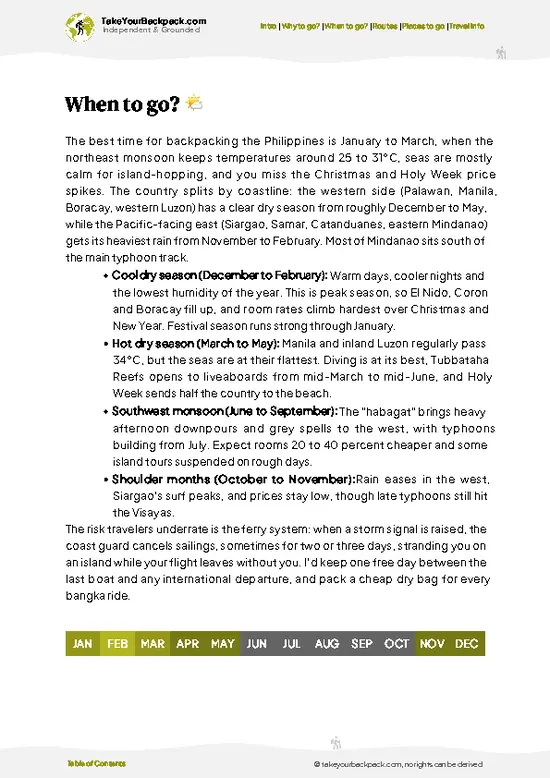
  • Weather: The dry season from November to May offers clear skies and minimal rain, ideal for hiking and beach days. The wet season, June to October, brings heavy rains and typhoons, which can disrupt plans and limit outdoor activities.

  • Temperature: Expect a steady 26-32°C (79-90°F) year-round. The dry months feel more comfortable with lower humidity, while the wet season’s humidity can make the heat feel more oppressive.

  • Daylight Hours: Roughly 11-12 hours of daylight throughout the year, with slight variations. Longer daylight in the dry season means more time to explore without rushing.

  • Crowds: Peak tourist influx aligns with the dry season, especially December to February, so expect busier beaches and higher prices. The wet season sees fewer visitors, offering solitude but with
read more 👉

  • Weather: The dry season from November to May offers clear skies and minimal rain, ideal for hiking and beach days. The wet season, June to October, brings heavy rains and typhoons, which can disrupt plans and limit outdoor activities.

  • Temperature: Expect a steady 26-32°C (79-90°F) year-round. The dry months feel more comfortable with lower humidity, while the wet season’s humidity can make the heat feel more oppressive.

  • Daylight Hours: Roughly 11-12 hours of daylight throughout the year, with slight variations. Longer daylight in the dry season means more time to explore without rushing.

  • Crowds: Peak tourist influx aligns with the dry season, especially December to February, so expect busier beaches and higher prices. The wet season sees fewer visitors, offering solitude but with weather risks.

  • Seasonal Activities: Dry season unlocks water sports, jungle treks, and festivals like the Subic Bay International Marathon. The wet season limits outdoor events but can be great for budget travelers seeking quiet.

  • Price Fluctuations: Accommodation and tours spike in the dry season due to demand. Off-peak months bring discounts but factor in potential weather disruptions that might cost you time and comfort.


Pro-tip: Aim for the shoulder months—November or May—when the weather is still mostly dry, crowds thin out, and prices start to dip. You get the best balance of comfort, cost, and time to savor Subic without the usual trade-offs.


source: climatestotravel.comJANJanuary: highly recommended for travelingFEBFebruary: highly recommended for travelingMARMarch: excellent for travelingAPRApril: excellent for travelingMAYMay: highly recommended for travelingJUNJune: fair for travelingJULJuly: fair for travelingAUGAugust: fair for travelingSEPSeptember: below average for travelingOCTOctober: fair for travelingNOVNovember: highly recommended for travelingDECDecember: highly recommended for traveling
when-to-go

✈️ The backpacker research shortcutPhilippines Travel Guide

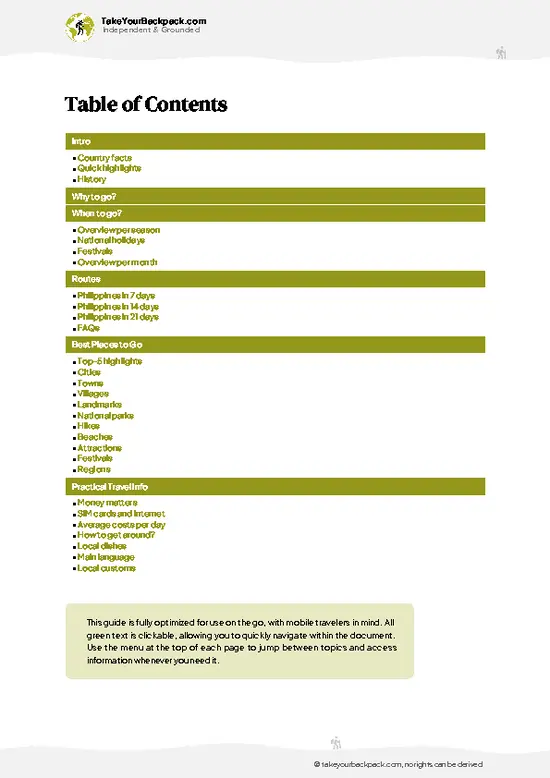
An offline-friendly backpacking guide with optimized travel routes, ranked highlights, transport advice, and the best areas to stay.
example page 0 from our offline Travel Guide for Philippines
example page 1 from our offline Travel Guide for Philippines
example page 2 from our offline Travel Guide for Philippines
example page 3 from our offline Travel Guide for Philippines
example page 4 from our offline Travel Guide for Philippines
example page 5 from our offline Travel Guide for Philippines
example page 6 from our offline Travel Guide for Philippines
example page 7 from our offline Travel Guide for Philippines
The digital guide (503 pages) contains:
144 highlights, ranked by travel appeal
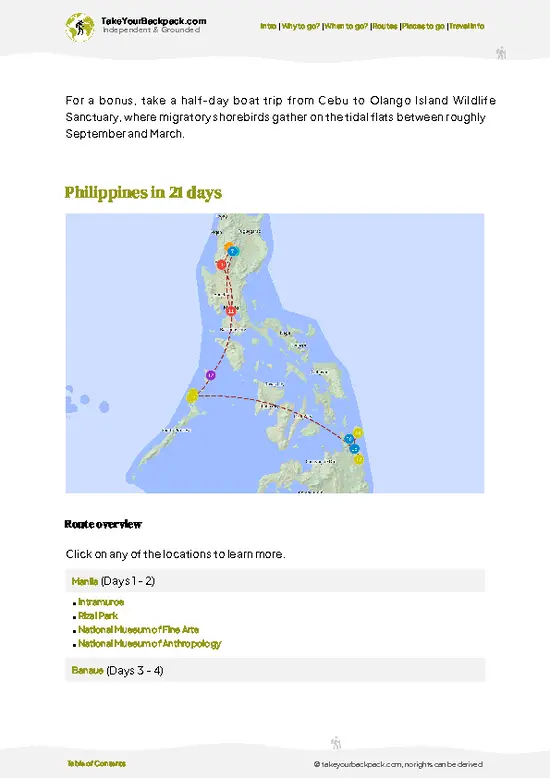
Optimized 7, 14 & 21-day travel routes
Cities, national parks, landmarks, beaches
How to get around
Offline-friendly for travel without Wi-Fi
👉 Click to see all 30+ guide features

📅 Plan smarter in minutes, not weeks
Month by month travel advice
Festivals & national holidays
Budget expectations

🗺️ Go to the right places, skip the overrated ones
Honest pros & cons of destinations
Top hikes, parks & viewpoints
Lesser-known places most travelers miss
Clear “worth it vs skip it” guidance

🛏️ Travel smoothly without rookie mistakes
Best areas to stay
Transport systems explained simply
Common scams & safety advice
SIM cards, money & practical tips

🌍 Understand the country, not just visit it
Culture & traditions
52 Essential phrases & customs
Festivals worth planning around
Traveler-friendly historical context
Insights that make places more meaningful

📱 Built for real travel conditions
Fully downloadable PDF
Works completely offline
Optimized for phone use
Useful in remote areas & buses
Everything in one place
Save weeks of stressful planning
Get instant access to your full guide. 30‑day money-back guarantee.


By proceeding you agree to our terms.
Sent to your inbox immediately after payment • 100% Secure Checkout
Best Backpacking Travel Advisor 2025 tourism awardBest Backpacking
Travel Advisor
2025
What others say about Take Your Backpack Guides:
⭐⭐⭐⭐⭐
Fantastic, amazing amount of information!
⭐⭐⭐⭐⭐
My goodness this is amazing, it's what I've been looking for hats off too you!
⭐⭐⭐⭐⭐
I think this is absolutely BRILLIANT
⭐⭐⭐⭐
Very complete and informative. It's still missing places, but I gotta to commend you
⭐⭐⭐⭐⭐
This is truly amazing, thank you, can't wait to explore it with my kids!
⭐⭐⭐⭐⭐
Awesome resource, thank you!
⭐⭐⭐⭐⭐
This is amazing! Can't wait to explore the ones I haven't seen
⭐⭐⭐⭐
I love this! Well done, great idea.
⭐⭐⭐⭐⭐
Thanks for taking the time to make this gem!
⭐⭐⭐⭐⭐
This might be the best website I've ever seen.
⭐⭐⭐⭐⭐
Congratulations, and thank you so much for your work; it's incredibly valuable.
⭐⭐⭐⭐
In all seriousness I think you did a great job pointing out the important spots
⭐⭐⭐⭐⭐
10/10 very good
⭐⭐⭐⭐⭐
As someone who's only just starting to visit regularly this is awesome, thank you.
⭐⭐⭐⭐
Thank you very much! I'm going to visit my dad, it's going to be very useful!
⭐⭐⭐⭐⭐
This is really cool! We'll be travelling for the first time and this definitely come in handy.
⭐⭐⭐⭐⭐
You are now our minister of culture, congratulations 👨‍💼
⭐⭐⭐⭐⭐
Just wanted to tell you that this is a pearl! Going to follow your recommendations.
⭐⭐⭐⭐⭐
This is so cool. I'll definitely be using the resource for my travels soon.
⭐⭐⭐⭐⭐
This is very impressive! Good work.
⭐⭐⭐⭐⭐
This is an amazing and informative site. Very well done!

🛏️ Where to stay?How to pick the right area

Subic’s prime backpacker turf centers around the Subic Bay Freeport Zone and nearby Olongapo City. The Freeport Zone is your go-to for safety and social buzz—think secure gated areas with a steady flow of fellow travelers and expats. It’s where budget hostels cluster, offering easy access to beaches, bars, and dive shops without the hassle of long commutes. Olongapo City, just outside the Freeport, leans more local and gritty but still safe enough for solo adventurers who want to stretch their pesos and dive into authentic street food scenes and night markets. Compared to scattered outskirts or … read more 👉
Subic’s prime backpacker turf centers around the Subic Bay Freeport Zone and nearby Olongapo City. The Freeport Zone is your go-to for safety and social buzz—think secure gated areas with a steady flow of fellow travelers and expats. It’s where budget hostels cluster, offering easy access to beaches, bars, and dive shops without the hassle of long commutes. Olongapo City, just outside the Freeport, leans more local and gritty but still safe enough for solo adventurers who want to stretch their pesos and dive into authentic street food scenes and night markets. Compared to scattered outskirts or industrial zones, these areas balance comfort and cost without sacrificing the social vibe. You’re trading a bit of quiet for connection, but that’s the currency for memorable backpacking in Subic.

🚌 Getting aroundHow to get around Subic

Subic moves at its own pace—neither a frantic rush nor a slow crawl. It’s a place where schedules exist but bend to the rhythm of the day, and where local intuition often trumps rigid timetables. You’ll find that the flow here is a blend of practical timing and laid-back flexibility, making it a playground for travelers who want to balance efficiency with a bit of spontaneity. Understanding this flow is your first win: it means you can plan smart without feeling boxed in, choosing transport modes that match your priorities—whether that’s saving time, cutting costs, or maximizing comfort.


  • Walking: The ultimate budget option. Subic’s key areas are compact enough to explore on foot, especially around the bay and downtown. Zero cost, full control, and the chance to soak in street-level details.
read more 👉
Subic moves at its own pace—neither a frantic rush nor a slow crawl. It’s a place where schedules exist but bend to the rhythm of the day, and where local intuition often trumps rigid timetables. You’ll find that the flow here is a blend of practical timing and laid-back flexibility, making it a playground for travelers who want to balance efficiency with a bit of spontaneity. Understanding this flow is your first win: it means you can plan smart without feeling boxed in, choosing transport modes that match your priorities—whether that’s saving time, cutting costs, or maximizing comfort.


  • Walking: The ultimate budget option. Subic’s key areas are compact enough to explore on foot, especially around the bay and downtown. Zero cost, full control, and the chance to soak in street-level details. Just watch for midday heat and occasional traffic.

  • Jeepneys: The backbone of local transit. Runs roughly from 5:30 AM to 8 PM, fares hover around 10-20 PHP depending on distance. Slow and crowded during peak hours, but unbeatable for authentic, wallet-friendly rides. Expect basic comfort and a social atmosphere.

  • Tricycles: Short hops and last-mile connections. Available all day, prices vary by distance but generally under 50 PHP. Faster than walking, more flexible than jeepneys, but less comfortable and no fixed schedule—perfect for quick errands or reaching spots off the main routes.

  • Bus Services: For longer hauls, like heading to Olongapo or nearby provinces. Scheduled departures start early morning until evening, fares around 50-100 PHP. Faster and more comfortable than jeepneys, with air conditioning on some routes, but less frequent and slightly pricier.

👛 Costs (as of 30 July 2026)Money, prices, and spending tips

Backpacking in Subic, Philippines, offers a clear trade-off between cost and comfort, with prices that reward savvy planning without breaking the bank.
  • Dorm Accommodation (High Season): Expect to pay around $10 to $15 per night. High season pushes prices up slightly due to demand, but dorms remain basic and clean, perfect for meeting fellow travelers.
  • Dorm Accommodation (Off-Season): Prices drop to about $7 to $10 per night. Off-season means quieter hostels and better bargaining power, so you can snag a solid bed for less.
  • Meals: Local eateries serve filling meals for $2 to $4. Street food and small carinderias offer the best value, while occasional splurges at mid-range restaurants might run $5 to $8.
  • Local Transport: Jeepneys and tricycles dominate, costing roughly $0.20 to $0.50 per
read more 👉
Backpacking in Subic, Philippines, offers a clear trade-off between cost and comfort, with prices that reward savvy planning without breaking the bank.
  • Dorm Accommodation (High Season): Expect to pay around $10 to $15 per night. High season pushes prices up slightly due to demand, but dorms remain basic and clean, perfect for meeting fellow travelers.
  • Dorm Accommodation (Off-Season): Prices drop to about $7 to $10 per night. Off-season means quieter hostels and better bargaining power, so you can snag a solid bed for less.
  • Meals: Local eateries serve filling meals for $2 to $4. Street food and small carinderias offer the best value, while occasional splurges at mid-range restaurants might run $5 to $8.
  • Local Transport: Jeepneys and tricycles dominate, costing roughly $0.20 to $0.50 per short trip. These are the backbone of getting around town cheaply but expect slow rides and frequent stops.
  • City Transport Pass: Subic doesn’t have a formal city transport pass system. Budget around $2 to $3 daily if you plan multiple rides, or simply pay per trip for flexibility.
  • Basic Activities/Entry Fees: Many natural attractions and beaches have entry fees ranging from $1 to $5. Adventure activities like zip-lining or diving start around $10 to $20, so pick your thrills wisely.
  • Miscellaneous Expenses: Budget $1 to $3 for essentials like bottled water, snacks, or occasional laundry. Internet cafes and SIM cards are cheap and reliable, usually under $5 for a decent data package.

All told, a realistic daily budget for backpacking in Subic ranges from about $15 on the leanest days to $35 if you mix in a few comforts and activities. Knowing where to cut costs and when to spend a little more turns your trip into a strategic win, not just a budget struggle.
⚠️ Prices can change and everyone travels differently, so take this as a rough guide. Hope it helps you plan your adventure!

🚌 Day tripsExploring the surroundings

Subic, Philippines, is a strategic launchpad for day trips that blend adventure and culture without breaking the bank. Here are some standout options.

**Mount Pinatubo Trek**
This trek is a must for those who crave a mix of natural beauty and a bit of history. The journey starts with a bumpy ride to the jump-off point, taking about 1.5 hours from Subic. The hike itself is around 2-3 hours, leading you to the stunning crater lake formed by the infamous eruption. Expect to spend around $30 for transportation and a guide. The best time to go is during the dry season, from November to April. A common mistake? Underestimating the difficulty; wear sturdy shoes and bring plenty of water.


**Anawangin Cove**
A slice of paradise, Anawangin Cove offers a unique blend of beach and forest. A 45-minute … read more 👉
Subic, Philippines, is a strategic launchpad for day trips that blend adventure and culture without breaking the bank. Here are some standout options.

**Mount Pinatubo Trek**
This trek is a must for those who crave a mix of natural beauty and a bit of history. The journey starts with a bumpy ride to the jump-off point, taking about 1.5 hours from Subic. The hike itself is around 2-3 hours, leading you to the stunning crater lake formed by the infamous eruption. Expect to spend around $30 for transportation and a guide. The best time to go is during the dry season, from November to April. A common mistake? Underestimating the difficulty; wear sturdy shoes and bring plenty of water.


**Anawangin Cove**
A slice of paradise, Anawangin Cove offers a unique blend of beach and forest. A 45-minute boat ride from San Antonio, this spot is perfect for a day of swimming and lounging under the pine trees. Total costs hover around $20, including the boat fare and a packed lunch. Aim for weekdays to avoid crowds. First-timers often forget to bring enough snacks; the local options are limited.


**Zambales Surfing**
For surf enthusiasts or those wanting to try, Zambales is just a short drive away. The waves here are beginner-friendly, and you can rent a board for about $10. The drive from Subic takes about an hour. The best season for surfing is from October to March. Many newcomers miss out on the local surf schools that offer lessons; don’t hesitate to ask for help!


**Ocean Adventure**
If marine life fascinates you, Ocean Adventure is a fantastic choice. Located just 30 minutes from Subic, this marine park offers interactive shows and encounters with dolphins and sea lions. Expect to pay around $25 for entry. The park is best visited during weekdays to avoid the weekend rush. A common oversight is skipping the early shows; they’re often less crowded and more engaging.
Want to know what more Philippines offers?
The Philippines Travel Guide describes 144 highlights, from cities to national parks, from beaches to hikes

Get the Travel Guide -

🍲 FoodWhat to Eat & Drink

In Subic, **local cuisine** is a vibrant tapestry of flavors. Dive into **sinigang**, a tangy tamarind soup that warms the soul, or savor **adobo**, where marinated meat simmers in soy sauce and vinegar, creating a savory explosion. Don’t miss out on **kinilaw**, a fresh ceviche that showcases the ocean’s bounty, often served with a squeeze of calamansi.

Backpackers will find their culinary adventures in bustling **markets** and along lively streets. Street food stalls serve up **fish balls** and **kwek-kwek** (quail eggs in orange batter), perfect for a quick bite. Casual eateries buzz with locals, offering hearty meals at wallet-friendly prices.

When it comes to drinks, try **tuba**, a local coconut wine, or **San Miguel** beer, a staple in every bar. Embrace the **custom** of sharing … read more 👉
In Subic, **local cuisine** is a vibrant tapestry of flavors. Dive into **sinigang**, a tangy tamarind soup that warms the soul, or savor **adobo**, where marinated meat simmers in soy sauce and vinegar, creating a savory explosion. Don’t miss out on **kinilaw**, a fresh ceviche that showcases the ocean’s bounty, often served with a squeeze of calamansi.

Backpackers will find their culinary adventures in bustling **markets** and along lively streets. Street food stalls serve up **fish balls** and **kwek-kwek** (quail eggs in orange batter), perfect for a quick bite. Casual eateries buzz with locals, offering hearty meals at wallet-friendly prices.

When it comes to drinks, try **tuba**, a local coconut wine, or **San Miguel** beer, a staple in every bar. Embrace the **custom** of sharing food; it’s a sign of camaraderie. Expect lively conversations and laughter as you enjoy the communal spirit of dining here.

🛡️ SafetyStaying Safe: What Travelers Should Know

Subic is generally safe for backpackers, but a few situational awareness tips can enhance your experience. Stick to well-lit areas at night, especially if you’re solo. The waterfront is lively, but quieter streets can feel a bit isolated after dark.

Watch for common scams, like overly friendly locals offering unsolicited tours or rides. Politely decline and stick to established services. Street vendors can be charming, but always check prices first to avoid surprises.

Keep your belongings secure, especially in crowded spots. A crossbody bag can deter pickpockets. Overall, with a bit of mindfulness, you’ll navigate Subic smoothly and enjoy its laid-back vibe without unnecessary stress.

Other Filipino cities near Subic

Explore more nearby:

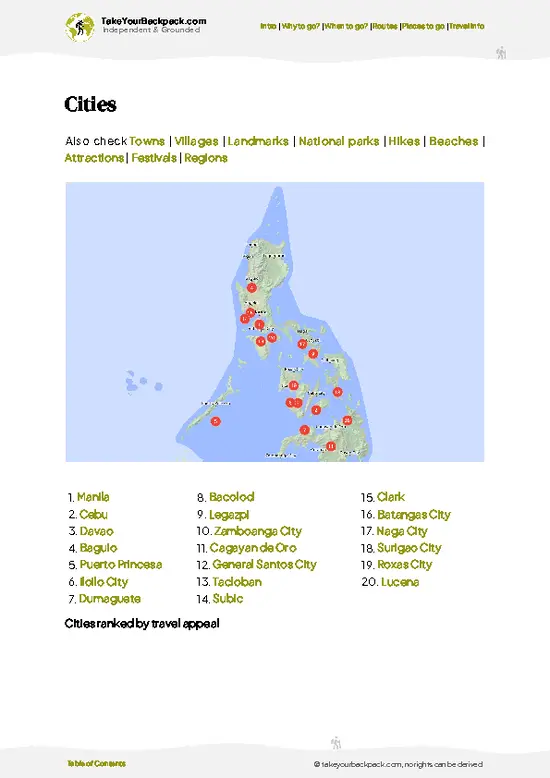
  • Clark—former air base, duty-free shops, wide highways| 53 km away
  • Angeles City—Clark airfield, nightlife strip, food alleys| 59 km away
  • Manila—Intramuros walls, jeepney routes, colonial churches, street markets| 90 km away

💡 Not sure where to go next?
Create a personalized itinerary for Philippines including Subic and the places that fit your trip.

Generate my itinerary

👉 Discover all cities

Or checkout all Philippines has to offer (think cities, towns, villages, national parks, hikes, beaches, festivals)
Country photo of Philippines

We 💚 feedbackKey takeaways before you go

Subic offers a unique blend of adventure and relaxation, with its pristine beaches and thrilling water sports. You can dive into vibrant marine life or chill on the sand. However, be prepared for limited nightlife options; it’s not a party hub. If you’re after a laid-back vibe with a dash of excitement, Subic is a solid choice, just know it winds down early.

✈️ When did I visit Philippines?
Philippines being one of my favorites, due to the people and their mentality. I visited it first in 2010 and came back in January 2016 as part of my 1.5 year world trip.

✍️ Help improve this page!
The information on this page is based on my own backpacking experience in Philippines, supplemented with up-to-date research and feedback from other travelers. Travel details can change, so if you notice anything outdated or incomplete, feel free to let me know.


🙋‍♂️ Give feedback

👋 Meet the founderWho’s Behind Take Your Backpack?

Johan, backpacker and founder of TakeYourBackpackHi, I’m Johan (Netherlands 🇳🇱), the creator of TakeYourBackpack. Over the past decade, I’ve backpacked through 80+ countries across six continents, gaining extensive experience with independent travel, long-term trips, and overland routes.

This site is built on a combination of firsthand travel experience and carefully curated insights from other backpackers. Many guides are based on places I’ve personally visited, while others bring together tips, observations, and practical advice shared by trusted travelers I’ve met along the way.

The goal is to provide realistic, experience-driven guidance — not generic itineraries — so you can explore destinations with better context, clearer expectations, and more confidence.

Get full country guide •
Instant download • 144 highlights • Full Offline guide