×
Auschwitz-Birkenau State Museum

Poland🇵🇱 | attractionsAuschwitz-Birkenau State Museummemorial grounds, preserved barracks, railway tracks | things to do and best time to go

Explore Wrocław’s Centennial HallExplore Wawel Royal Castle

Backpacking in Auschwitz-Birkenau State Museum
🏆 Top pickattraction ranked #1
By Johan Kruseman 🇳🇱 | Updated September 4, 2026

Let’s kill the myth: Auschwitz-Birkenau is not a moody, empty relic for quiet reflection, nor is it a backdrop for somber selfies. It’s a living, breathing confrontation with the darkest chapter of human history—and you will not be alone. Located just outside Oświęcim in southern Poland, about an hour and a half from Kraków, this is one of the most visited sites in the country, and the crowds are real, especially in summer. You’ll queue, you’ll pay (entry is free, but guided tours are mandatory during peak hours and not cheap), and you’ll walk a lot—sometimes in silence, sometimes jostling with tour groups. But here’s the truth: no Instagram filter can prepare you for the raw, physical weight of standing in those barracks or seeing the piles of shoes. It’s not “fun,” but it’s essential. Compared to Poland’s castles or salt mines, Auschwitz-Birkenau is a gut-punch—less spectacle, more reckoning. If you want real impact, this is the place.

Discover everything you want to know in the 📖 Poland Travel Guide.


Get your Poland guide
115 ranked highlights, routes & tips, works offline (419 pages)
Loading the map 🌍
CLICK TO FILTER
cities
towns
landmarks
national parks
hikes
beaches
attractions
festivals
regions
SHOW COUNTRY’S BESTSHOW ALL

✨ Why go?
Ranked #1 attraction in Poland
Reasons people choose to visit here

Auschwitz-Birkenau State Museum is not your typical backpacker pit stop. It’s a place that demands more than just a quick photo for the ‘Gram. Yes, it’s crowded and the entry isn’t free, but that’s part of the reality check. This site is the epicenter of one of history’s darkest chapters, and skipping it means missing a crucial piece of Poland’s—and the world’s—story. The sheer scale of the camp, the preserved barracks, and the haunting remnants of the gas chambers hit you harder than any textbook or documentary ever could. It’s a brutal, raw experience that forces you to confront the depths of human cruelty and resilience. For backpackers weaving through Poland, Auschwitz-Birkenau is a milestone that anchors your journey in something profoundly real. It’s not about thrills or pretty views; … read more 👉
Auschwitz-Birkenau State Museum is not your typical backpacker pit stop. It’s a place that demands more than just a quick photo for the ‘Gram. Yes, it’s crowded and the entry isn’t free, but that’s part of the reality check. This site is the epicenter of one of history’s darkest chapters, and skipping it means missing a crucial piece of Poland’s—and the world’s—story. The sheer scale of the camp, the preserved barracks, and the haunting remnants of the gas chambers hit you harder than any textbook or documentary ever could. It’s a brutal, raw experience that forces you to confront the depths of human cruelty and resilience. For backpackers weaving through Poland, Auschwitz-Birkenau is a milestone that anchors your journey in something profoundly real. It’s not about thrills or pretty views; it’s about respect, remembrance, and understanding. The effort to get there—often a long bus ride from Krakow—is a small price for the perspective shift it delivers. If you want to grasp the weight of history and the cost of freedom, this museum is non-negotiable. It’s heavy, it’s humbling, and it’s absolutely worth your time.
Want to include Auschwitz-Birkenau State Museum in your Poland route?
Create a personalized Poland itinerary that includes Auschwitz-Birkenau State Museum and the places that fit your trip — based on your travel style, budget, and available time. Get your route in seconds.

Generate my trip

💡 HighlightsKey sights and experiences for travelers

Main Auschwitz I Camp
This is not the sanitized, Instagram-ready version of history. The original Auschwitz camp is a punch to the gut—brick barracks, barbed wire, and the infamous “Arbeit Macht Frei” gate. You walk the same gravel paths as prisoners did. The museum exhibits are blunt: piles of shoes, suitcases, and hair. It’s not about spectacle; it’s about the raw, unfiltered reality of what happened here. The silence in the rooms is heavy, and you feel it in your bones. If you want to understand the scale and machinery of the Holocaust, this is where the abstraction ends and the real story begins.

Birkenau (Auschwitz II) Camp
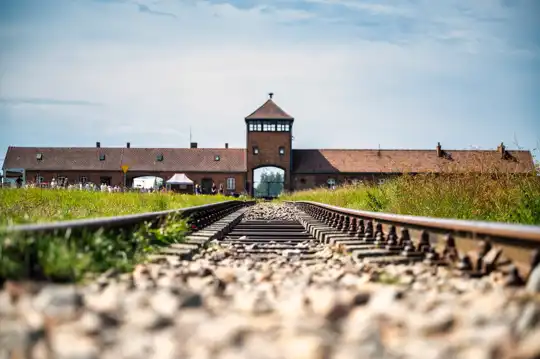
Birkenau is vast—fields of ruined barracks, the railway tracks that delivered over a million people to their deaths, and the haunting guard towers. The sheer scale … read more 👉
Main Auschwitz I Camp
This is not the sanitized, Instagram-ready version of history. The original Auschwitz camp is a punch to the gut—brick barracks, barbed wire, and the infamous “Arbeit Macht Frei” gate. You walk the same gravel paths as prisoners did. The museum exhibits are blunt: piles of shoes, suitcases, and hair. It’s not about spectacle; it’s about the raw, unfiltered reality of what happened here. The silence in the rooms is heavy, and you feel it in your bones. If you want to understand the scale and machinery of the Holocaust, this is where the abstraction ends and the real story begins.

Birkenau (Auschwitz II) Camp
Birkenau is vast—fields of ruined barracks, the railway tracks that delivered over a million people to their deaths, and the haunting guard towers. The sheer scale is what hits hardest. It’s not crowded with exhibits; it’s open, exposed, and brutally honest. You stand at the end of the tracks and realize how industrialized the killing was. The ruins of the gas chambers and crematoria are left as they fell, a deliberate refusal to tidy up history. This is the place where the numbers become real, and the emptiness is its own kind of testimony.

Block 11: The Death Block
Block 11 is the camp within the camp—the site of torture, executions, and the first experiments with Zyklon B. The basement cells are claustrophobic and cold, with standing cells that defy belief. The “Death Wall” outside is where thousands were shot. There’s no attempt to soften the horror. If you want to understand the mechanics of cruelty, this is the place. It’s not for the faint of heart, but it’s essential if you’re serious about confronting the truth.

Personal Belongings Exhibits
The rooms filled with confiscated belongings—mountains of shoes, eyeglasses, and children’s toys—are the most human part of the museum. Each item is a life interrupted. It’s not just about numbers; it’s about faces, names, and the everyday things people brought with them, thinking they’d need them again. The scale is overwhelming, but it’s the tiny details—a child’s shoe, a battered suitcase—that break through the statistics and force you to see the victims as individuals.

International Memorial and Ruins of Crematoria II and III
At Birkenau, the International Memorial stands between the ruins of the largest gas chambers. The memorial itself is stark, with inscriptions in multiple languages, but it’s the shattered concrete and twisted metal of the crematoria that speak loudest. There’s no attempt at reconstruction; the ruins are left as evidence. This is where the machinery of genocide was at its most efficient, and standing here is a confrontation with the darkest side of human history. It’s not entertainment, but it’s unforgettable in a way that no photo or textbook can capture.
Spotted a mistake or missing something? Contact us.

Things to do around Auschwitz-Birkenau State Museum

Ratings based on Tripadvisor reviews. When you book through this link, you support our work at no extra cost to you.

🌤️ When to go?Best time to visit Auschwitz-Birkenau State Museum


  • Weather: Winters (December to February) are brutally cold, often below freezing (-5°C to -10°C / 23°F to 14°F), making the outdoor parts of the site harsh to explore. Summers (June to August) bring mild, comfortable weather around 18°C to 25°C (64°F to 77°F), but that warmth comes with crowds.

  • Temperature: Spring (April to May) and autumn (September to October) offer the best balance, with temperatures ranging from 10°C to 18°C (50°F to 64°F). These months avoid the extremes, making long walks through the grounds more bearable.

  • Daylight Hours: In summer, you get up to 16 hours of daylight, which is great for a relaxed visit. Winter days shrink to about 7-8 hours, forcing a tighter schedule and less time to absorb the site’s gravity.

  • Crowds: Peak season is summer, especially July and
read more 👉

  • Weather: Winters (December to February) are brutally cold, often below freezing (-5°C to -10°C / 23°F to 14°F), making the outdoor parts of the site harsh to explore. Summers (June to August) bring mild, comfortable weather around 18°C to 25°C (64°F to 77°F), but that warmth comes with crowds.

  • Temperature: Spring (April to May) and autumn (September to October) offer the best balance, with temperatures ranging from 10°C to 18°C (50°F to 64°F). These months avoid the extremes, making long walks through the grounds more bearable.

  • Daylight Hours: In summer, you get up to 16 hours of daylight, which is great for a relaxed visit. Winter days shrink to about 7-8 hours, forcing a tighter schedule and less time to absorb the site’s gravity.

  • Crowds: Peak season is summer, especially July and August, when tour groups flood the museum. Spring and autumn see fewer visitors, giving you a quieter, more reflective experience. Winter is the least crowded but also the most challenging weather-wise.

  • Seasonal Activities: The museum doesn’t have seasonal events—this is a place for solemn reflection, not entertainment. The focus is on the history and memory, which remains constant year-round.

  • Price Fluctuations: Entrance fees are stable year-round, but guided tours and accommodations nearby can spike in summer. Booking in shoulder seasons often nets better deals and availability.


Pro-tip: Aim for late spring or early autumn to dodge the crowds and harsh weather, giving you the space and calm to truly engage with the site’s profound history.


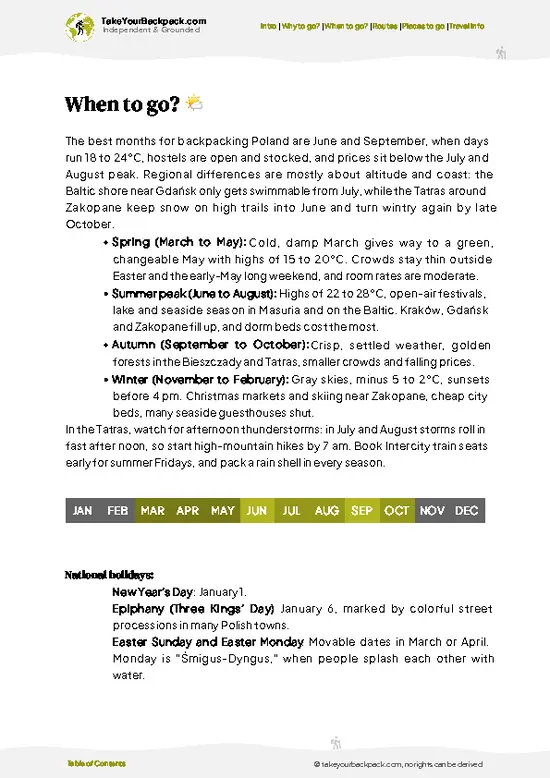
source: climatestotravel.comJANJanuary: fair for travelingFEBFebruary: fair for travelingMARMarch: good for travelingAPRApril: excellent for travelingMAYMay: excellent for travelingJUNJune: highly recommended for travelingJULJuly: good for travelingAUGAugust: good for travelingSEPSeptember: excellent for travelingOCTOctober: excellent for travelingNOVNovember: good for travelingDECDecember: fair for traveling
Poland - Auschwitz-Birkenau State Museum

✈️ The backpacker research shortcutPoland Travel Guide

An offline-friendly backpacking guide with optimized travel routes, ranked highlights, transport advice, and the best areas to stay.
example page 0 from our offline Travel Guide for Poland
example page 1 from our offline Travel Guide for Poland
example page 2 from our offline Travel Guide for Poland
example page 3 from our offline Travel Guide for Poland
example page 4 from our offline Travel Guide for Poland
example page 5 from our offline Travel Guide for Poland
example page 6 from our offline Travel Guide for Poland
example page 7 from our offline Travel Guide for Poland
The digital guide (419 pages) contains:
115 highlights, ranked by travel appeal
Optimized 5, 10 & 15-day travel routes
Cities, national parks, landmarks, beaches
How to get around
Offline-friendly for travel without Wi-Fi
👉 Click to see all 30+ guide features

📅 Plan smarter in minutes, not weeks
Month by month travel advice
Festivals & national holidays
Budget expectations

🗺️ Go to the right places, skip the overrated ones
Honest pros & cons of destinations
Top hikes, parks & viewpoints
Lesser-known places most travelers miss
Clear “worth it vs skip it” guidance

🛏️ Travel smoothly without rookie mistakes
Best areas to stay
Transport systems explained simply
Common scams & safety advice
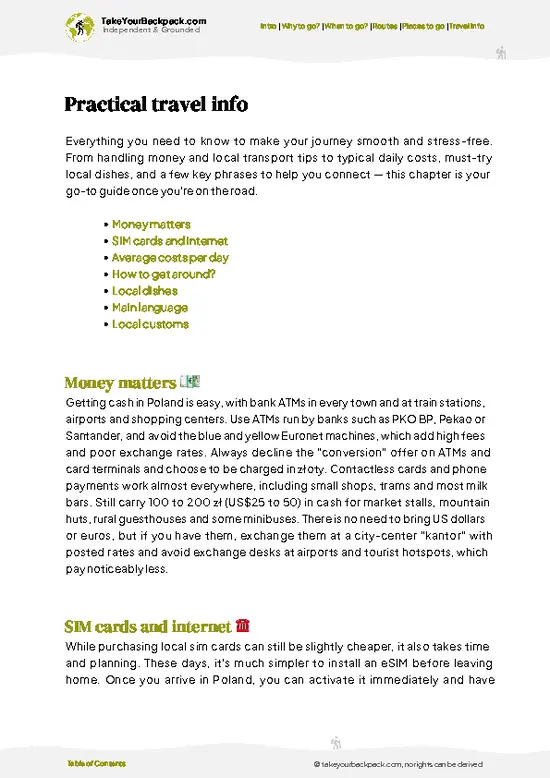
SIM cards, money & practical tips

🌍 Understand the country, not just visit it
Culture & traditions
52 Essential phrases & customs
Festivals worth planning around
Traveler-friendly historical context
Insights that make places more meaningful

📱 Built for real travel conditions
Fully downloadable PDF
Works completely offline
Optimized for phone use
Useful in remote areas & buses
Everything in one place
Save weeks of stressful planning
Get instant access to your full guide. 30‑day money-back guarantee.
+ Add another guide for just A$12.35

By proceeding you agree to our terms.
Sent to your inbox immediately after payment • 100% Secure Checkout
Best Backpacking Travel Advisor 2025 tourism awardBest Backpacking
Travel Advisor
2025
What others say about Take Your Backpack Guides:
⭐⭐⭐⭐⭐
Fantastic, amazing amount of information!
⭐⭐⭐⭐⭐
My goodness this is amazing, it's what I've been looking for hats off too you!
⭐⭐⭐⭐⭐
I think this is absolutely BRILLIANT
⭐⭐⭐⭐
Very complete and informative. It's still missing places, but I gotta to commend you
⭐⭐⭐⭐⭐
This is truly amazing, thank you, can't wait to explore it with my kids!
⭐⭐⭐⭐⭐
Awesome resource, thank you!
⭐⭐⭐⭐⭐
This is amazing! Can't wait to explore the ones I haven't seen
⭐⭐⭐⭐
I love this! Well done, great idea.
⭐⭐⭐⭐⭐
Thanks for taking the time to make this gem!
⭐⭐⭐⭐⭐
This might be the best website I've ever seen.
⭐⭐⭐⭐⭐
Congratulations, and thank you so much for your work; it's incredibly valuable.
⭐⭐⭐⭐
In all seriousness I think you did a great job pointing out the important spots
⭐⭐⭐⭐⭐
10/10 very good
⭐⭐⭐⭐⭐
As someone who's only just starting to visit regularly this is awesome, thank you.
⭐⭐⭐⭐
Thank you very much! I'm going to visit my dad, it's going to be very useful!
⭐⭐⭐⭐⭐
This is really cool! We'll be travelling for the first time and this definitely come in handy.
⭐⭐⭐⭐⭐
You are now our minister of culture, congratulations 👨‍💼
⭐⭐⭐⭐⭐
Just wanted to tell you that this is a pearl! Going to follow your recommendations.
⭐⭐⭐⭐⭐
This is so cool. I'll definitely be using the resource for my travels soon.
⭐⭐⭐⭐⭐
This is very impressive! Good work.
⭐⭐⭐⭐⭐
This is an amazing and informative site. Very well done!

🛏️ Where to stay?How to pick the right area

Let’s cut through the Instagram gloss: Auschwitz-Birkenau is not a place for a casual day trip or a quick selfie. It’s heavy, raw, and packed with visitors who come to confront history’s darkest chapters. Crowds are inevitable, especially in peak seasons, and the emotional weight can be overwhelming. That said, the areas around Oświęcim—the town closest to the museum—offer the best base for backpackers who want to stay grounded yet connected.

Oświęcim itself is where you’ll find the balance between safety, affordability, and a chance to meet other travelers who are there for the same reason. … read more 👉
Let’s cut through the Instagram gloss: Auschwitz-Birkenau is not a place for a casual day trip or a quick selfie. It’s heavy, raw, and packed with visitors who come to confront history’s darkest chapters. Crowds are inevitable, especially in peak seasons, and the emotional weight can be overwhelming. That said, the areas around Oświęcim—the town closest to the museum—offer the best base for backpackers who want to stay grounded yet connected.

Oświęcim itself is where you’ll find the balance between safety, affordability, and a chance to meet other travelers who are there for the same reason. It’s a small town, so it’s easy to navigate on foot or by bike, and the vibe is low-key but respectful. You won’t find wild nightlife here, but you will find quiet cafes and communal spaces where people swap stories and reflect. This is crucial because the experience at Auschwitz-Birkenau isn’t just about the site; it’s about processing what you’ve seen with others who get it.

If you want to stretch your legs and avoid the tourist crush, consider staying in nearby villages just outside Oświęcim. These spots are quieter, cheaper, and offer a more local feel—perfect if you want to decompress after the intense museum visit. Plus, you’ll get a glimpse of everyday Polish life away from the crowds, which adds a layer of humanity to the whole trip.

Bottom line: stay close enough to walk or bike to the museum, but choose a place that respects the gravity of the visit while giving you space to breathe and connect. That’s where the real magic happens—not in the crowds, but in the quiet moments before and after.

👛 Costs (as of 4 September 2026)Money, prices, and spending tips

The entrance ticket to Auschwitz-Birkenau State Museum typically costs between USD20 and USD40, depending on the type of tour chosen. Guided tours are generally more expensive, while self-guided entry is less costly. Additional costs may include audio guides or special exhibitions.

source: auschwitz.org
⚠️ Prices can change and everyone travels differently, so take this as a rough guide. Hope it helps you plan your adventure!

FAQFrequently asked questions about Auschwitz-Birkenau State Museum

3 to 4 hours is typically needed to visit Auschwitz-Birkenau State Museum thoroughly. This allows time to explore both the Auschwitz I and Auschwitz II-Birkenau sites and absorb the exhibits. Guided tours usually last around 3.5 hours.
Yes, the Auschwitz-Birkenau State Museum is worth the entrance fee, which is free but requires an online reservation or a small fee for guided tours starting around 60 PLN. The visit offers a profound historical experience and education about the Holocaust. It is a significant and sobering site that many find essential to understand history.
You can get to Auschwitz-Birkenau State Museum by taking a train or bus from Krakow, which is about 70 km away. The train journey takes roughly 1.5 hours to Oświęcim, followed by a short walk or local bus to the museum. Organized tours from Krakow also provide direct transport.
⚠️ Things can change over time, so always validate details locally before you go.

Other Polish attractions near Auschwitz-Birkenau State Museum

Explore more nearby:


💡 Not sure where to go next?
Create a personalized itinerary for Poland including Auschwitz-Birkenau State Museum and the places that fit your trip.

Generate my itinerary

👉 Discover all attractions

Or checkout all Poland has to offer (think cities, towns, villages, national parks, hikes, beaches, festivals)
Country photo of Poland

We 💚 feedbackWhat to keep in mind

Visiting Auschwitz-Birkenau isn’t a casual stroll or a photo op—it’s a heavy, raw confrontation with history that demands respect and reflection. Expect crowds, especially in peak season, and a somber atmosphere that can weigh on you more than you anticipate. The real surprise? How the silence and the scale of the place punch through any detachment. It’s not just about what happened here, but how it forces you to reckon with humanity’s darkest depths—and why remembering matters. Don’t rush it. Let it settle.

✍️ Help improve this page!
The information on this page is based on in-depth research, insights shared by experienced travelers, and feedback from the local travel community in Poland. While every effort is made to keep the information accurate and current, conditions can change — so if you spot anything incorrect or outdated, please get in touch.


🙋‍♂️ Give feedback

👋 Meet the founderWho’s Behind Take Your Backpack?

Johan, backpacker and founder of TakeYourBackpackHi, I’m Johan (Netherlands 🇳🇱), the creator of TakeYourBackpack. Over the past decade, I’ve backpacked through 80+ countries across six continents, gaining extensive experience with independent travel, long-term trips, and overland routes.

This site is built on a combination of firsthand travel experience and carefully curated insights from other backpackers. Many guides are based on places I’ve personally visited, while others bring together tips, observations, and practical advice shared by trusted travelers I’ve met along the way.

The goal is to provide realistic, experience-driven guidance — not generic itineraries — so you can explore destinations with better context, clearer expectations, and more confidence.

Get full Poland guide •
Instant download • 115 highlights • Full Offline guide