v2.webp)




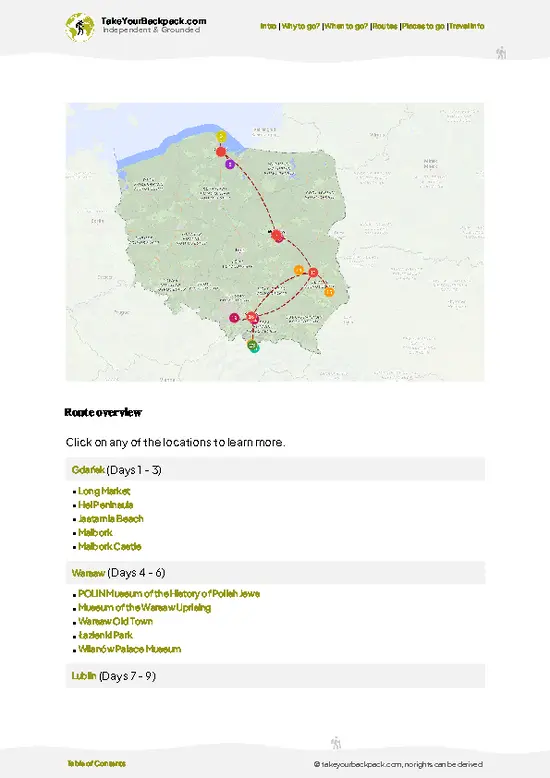

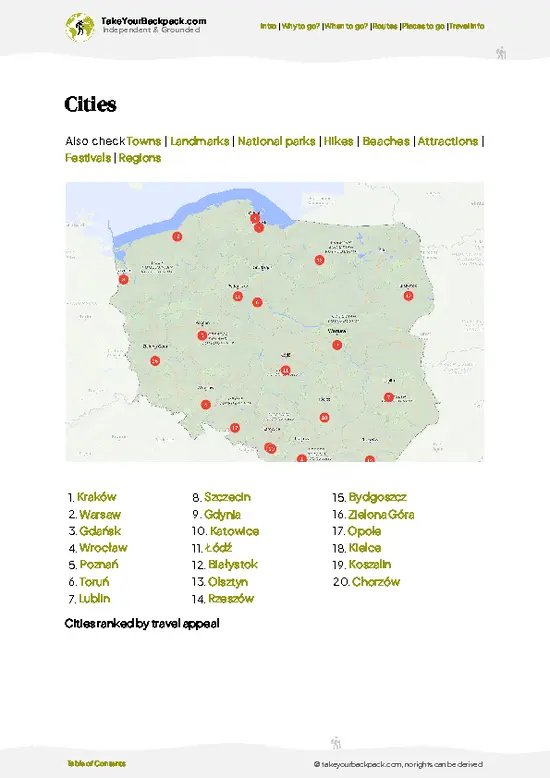

1. The Lady with an Ermine by Leonardo da Vinci
Let’s cut through the hype: yes, you’ll have to elbow your way past a crowd of selfie sticks for a glimpse, but this painting is the real deal. One of only four female portraits by Leonardo, it’s not just a pretty face—it’s a psychological chess match in oil. The subject’s sideways glance, the tension in her hand, the almost-living ermine—stand in front of it and you’ll feel the centuries collapse. If you’ve ever rolled your eyes at the Mona Lisa’s mob scene, this is your chance to see a Da Vinci up close, in a room that actually lets you breathe.
2. Polish Arms and Armor Collection
Forget dusty rows of identical swords. This is a full-throttle, Game-of-Thrones-level arsenal, with winged hussar armor that looks like it was designed by a rock … read more 👉
Let’s cut through the hype: yes, you’ll have to elbow your way past a crowd of selfie sticks for a glimpse, but this painting is the real deal. One of only four female portraits by Leonardo, it’s not just a pretty face—it’s a psychological chess match in oil. The subject’s sideways glance, the tension in her hand, the almost-living ermine—stand in front of it and you’ll feel the centuries collapse. If you’ve ever rolled your eyes at the Mona Lisa’s mob scene, this is your chance to see a Da Vinci up close, in a room that actually lets you breathe.
2. Polish Arms and Armor Collection
Forget dusty rows of identical swords. This is a full-throttle, Game-of-Thrones-level arsenal, with winged hussar armor that looks like it was designed by a rock … read more 👉
1. The Lady with an Ermine by Leonardo da Vinci
Let’s cut through the hype: yes, you’ll have to elbow your way past a crowd of selfie sticks for a glimpse, but this painting is the real deal. One of only four female portraits by Leonardo, it’s not just a pretty face—it’s a psychological chess match in oil. The subject’s sideways glance, the tension in her hand, the almost-living ermine—stand in front of it and you’ll feel the centuries collapse. If you’ve ever rolled your eyes at the Mona Lisa’s mob scene, this is your chance to see a Da Vinci up close, in a room that actually lets you breathe.
2. Polish Arms and Armor Collection
Forget dusty rows of identical swords. This is a full-throttle, Game-of-Thrones-level arsenal, with winged hussar armor that looks like it was designed by a rock star. The craftsmanship is wild—etched steel, gilded hilts, helmets that could double as parade floats. You don’t have to be a military buff to appreciate the swagger on display here. It’s a crash course in Polish history, told through objects that were built to intimidate, not just decorate.
3. Gallery of 20th-Century Polish Art
This isn’t your standard parade of landscapes and portraits. The 20th-century gallery is a punchy, sometimes jarring ride through Poland’s artistic soul—think bold colors, political edge, and a refusal to play it safe. You’ll see works by Wyspiański, Malczewski, and Kantor that channel everything from war trauma to avant-garde rebellion. If you want to understand Poland beyond pierogi and postcards, this is where the country’s real personality comes out swinging.
4. Decorative Arts and Design
If you think “decorative arts” means a snoozy stroll past porcelain teacups, you’re in for a surprise. This collection is a riot of color and ingenuity: Art Nouveau stained glass, folk costumes with embroidery that would make a Paris runway jealous, and furniture that looks like it could walk out of the room on its own. It’s a reminder that Polish creativity isn’t just on canvas—it’s woven, carved, and hammered into everyday life.
5. Temporary Exhibitions
Here’s where the museum shakes off its grand-old-institution vibe and gets experimental. The rotating exhibitions are where curators take risks—think contemporary installations, international collaborations, or deep dives into overlooked corners of Polish culture. Sometimes you’ll hit a dud, but when they get it right, you’ll see something you won’t find in any guidebook or Instagram feed. Check what’s on before you go, but don’t skip this wing just because it’s not “famous.” This is where the museum feels most alive.
Let’s cut through the hype: yes, you’ll have to elbow your way past a crowd of selfie sticks for a glimpse, but this painting is the real deal. One of only four female portraits by Leonardo, it’s not just a pretty face—it’s a psychological chess match in oil. The subject’s sideways glance, the tension in her hand, the almost-living ermine—stand in front of it and you’ll feel the centuries collapse. If you’ve ever rolled your eyes at the Mona Lisa’s mob scene, this is your chance to see a Da Vinci up close, in a room that actually lets you breathe.
2. Polish Arms and Armor Collection
Forget dusty rows of identical swords. This is a full-throttle, Game-of-Thrones-level arsenal, with winged hussar armor that looks like it was designed by a rock star. The craftsmanship is wild—etched steel, gilded hilts, helmets that could double as parade floats. You don’t have to be a military buff to appreciate the swagger on display here. It’s a crash course in Polish history, told through objects that were built to intimidate, not just decorate.
3. Gallery of 20th-Century Polish Art
This isn’t your standard parade of landscapes and portraits. The 20th-century gallery is a punchy, sometimes jarring ride through Poland’s artistic soul—think bold colors, political edge, and a refusal to play it safe. You’ll see works by Wyspiański, Malczewski, and Kantor that channel everything from war trauma to avant-garde rebellion. If you want to understand Poland beyond pierogi and postcards, this is where the country’s real personality comes out swinging.
4. Decorative Arts and Design
If you think “decorative arts” means a snoozy stroll past porcelain teacups, you’re in for a surprise. This collection is a riot of color and ingenuity: Art Nouveau stained glass, folk costumes with embroidery that would make a Paris runway jealous, and furniture that looks like it could walk out of the room on its own. It’s a reminder that Polish creativity isn’t just on canvas—it’s woven, carved, and hammered into everyday life.
5. Temporary Exhibitions
Here’s where the museum shakes off its grand-old-institution vibe and gets experimental. The rotating exhibitions are where curators take risks—think contemporary installations, international collaborations, or deep dives into overlooked corners of Polish culture. Sometimes you’ll hit a dud, but when they get it right, you’ll see something you won’t find in any guidebook or Instagram feed. Check what’s on before you go, but don’t skip this wing just because it’s not “famous.” This is where the museum feels most alive.
Spotted a mistake or missing something? Contact us.

Complete Cracow Bike Tour (small group of maximum 15 people!)
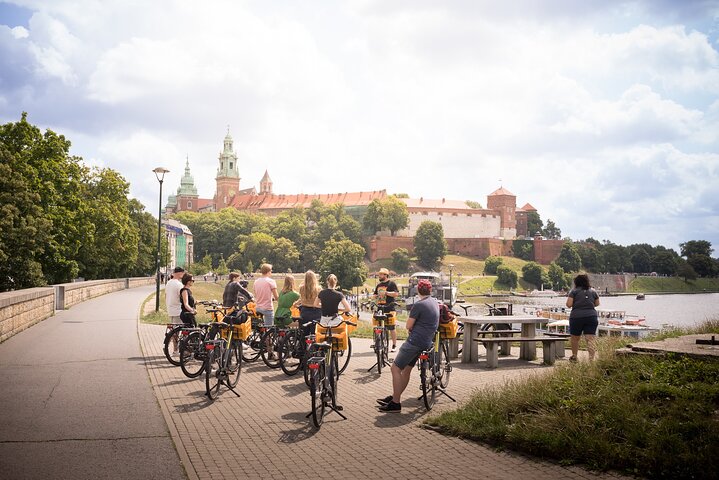
Full Bike Tour - the Old Town, Jewish Qtr & the Ghetto NEW BIKES

Wieliczka Salt Mine Guided Tour with Ticket & Pick-up from Krakow

Krakow: Private Guided City Tour by Golf Buggy (with pick-up)

Krakow Food Tour by Foot: Polish Tastings in Old Town & Kazimierz

Private Bike Tour in Krakow

Discover Kraków by Bike with a Dutch guide

3-Hour E-Bike Tour In Krakow

Krakow: Private Guided City Tour by Electric Car


 Best Backpacking
.jpg) Hi, I’m Johan (Netherlands 🇳🇱), the creator of TakeYourBackpack. Over the past 3 decades, I’ve backpacked through 90+ countries across six continents, gaining extensive experience with independent travel, long-term trips, and overland routes.
Hi, I’m Johan (Netherlands 🇳🇱), the creator of TakeYourBackpack. Over the past 3 decades, I’ve backpacked through 90+ countries across six continents, gaining extensive experience with independent travel, long-term trips, and overland routes.