×

Poland🇵🇱 | best attractionsExplore the 10 Best attractions in Poland

Poland’s attractions are defined less by postcard perfection and more by layered history, regional contrasts, and seasonal shifts that shape every visit. From the gritty, post-industrial charm of Silesia to the medieval streets of Kraków or the Baltic coast’s brisk sea air, each region offers distinct experiences that influence a backpacker’s pace and budget. Independent travel here means weighing factors like crowd density in summer versus the quiet of winter, or the difference between urban cultural hubs and remote natural parks. Choosing the right attraction in Poland directly affects your immersion, safety, and ease of travel, making thoughtful selection essential for a meaningful journey.

By Johan Kruseman 🇳🇱 | Updated June 2, 2026
Explore the best festivals in Poland

Why go?Why Travelers Love These Spots

Why These Attractions Matter

Poland’s attractions stand apart because they are steeped in a complex history that is both deeply tragic and remarkably resilient. Unlike countries where heritage sites are often preserved as isolated monuments, Poland’s landmarks are woven into the fabric of everyday life, reflecting centuries of shifting borders, cultural intersections, and survival through conflict. This makes exploring Polish attractions less about ticking off famous spots and more about engaging with layered narratives that demand time and attention.

The country’s geographic position in Central Europe means its attractions often come with trade-offs between accessibility and depth. Major sites are well-connected by rail and road, but venturing beyond the main corridors reveals quieter, less … read more 👉
Why These Attractions Matter

Poland’s attractions stand apart because they are steeped in a complex history that is both deeply tragic and remarkably resilient. Unlike countries where heritage sites are often preserved as isolated monuments, Poland’s landmarks are woven into the fabric of everyday life, reflecting centuries of shifting borders, cultural intersections, and survival through conflict. This makes exploring Polish attractions less about ticking off famous spots and more about engaging with layered narratives that demand time and attention.

The country’s geographic position in Central Europe means its attractions often come with trade-offs between accessibility and depth. Major sites are well-connected by rail and road, but venturing beyond the main corridors reveals quieter, less commercialized experiences that require more effort to reach. This is where travelers must decide if they prefer a polished, convenient visit or a more immersive, sometimes challenging journey into Poland’s diverse regions.

Climatic factors also shape the experience. Harsh winters can limit access to outdoor sites, while summers bring crowds that dilute the authenticity of popular attractions. Infrastructure varies widely; urban centers offer modern amenities, but rural areas may lack tourist services, demanding a degree of self-sufficiency.

Ultimately, Poland’s attractions matter because they offer a rare combination of historical depth and cultural complexity, but appreciating them fully requires balancing convenience with curiosity and being prepared for the uneven realities of travel in a country still reconciling its past with its present.
How the List Was Created
The list of best attractions in Poland is created based on cultural significance or entertainment value. If you feel a attraction is missing in this list, please let us know.

When to go?Best Time to Visit Poland for attractions

Seasonal Patterns and Their Impact on Visiting Attractions


Poland’s climate swings between cold winters and warm summers, shaping how and when its attractions come alive. Winter months bring freezing temperatures and snow, which can limit access to outdoor sites and slow travel between regions. Many attractions remain open but expect shorter daylight hours and fewer services. This season suits travelers prepared for cold weather and interested in indoor cultural experiences or winter sports, but it’s not ideal for exploring the full range of outdoor landmarks.

Spring and autumn serve as the country’s shoulder seasons. These periods offer milder weather and fewer crowds compared to summer, though conditions can be unpredictable—rain and chilly days are common. Visiting during these months … read more 👉

Seasonal Patterns and Their Impact on Visiting Attractions


Poland’s climate swings between cold winters and warm summers, shaping how and when its attractions come alive. Winter months bring freezing temperatures and snow, which can limit access to outdoor sites and slow travel between regions. Many attractions remain open but expect shorter daylight hours and fewer services. This season suits travelers prepared for cold weather and interested in indoor cultural experiences or winter sports, but it’s not ideal for exploring the full range of outdoor landmarks.

Spring and autumn serve as the country’s shoulder seasons. These periods offer milder weather and fewer crowds compared to summer, though conditions can be unpredictable—rain and chilly days are common. Visiting during these months means balancing quieter sites and lower prices against the possibility of less stable weather. Some attractions may have reduced hours or limited accessibility, but the trade-off is a more relaxed experience without the summer rush.

Summer is the peak period for tourism, with long days and generally pleasant weather. This is when most outdoor attractions are fully operational and festivals are in full swing. However, expect larger crowds and higher costs, especially at well-known spots. Planning ahead is essential to avoid the busiest times and secure accommodations.

Understanding these seasonal rhythms helps set realistic expectations and ensures a visit that matches personal priorities, whether that’s avoiding crowds, enjoying outdoor activities, or accessing cultural events.

attraction hoppingHow to Combine attractions Into One Trip

Efficiently Combining Poland’s Top Attractions

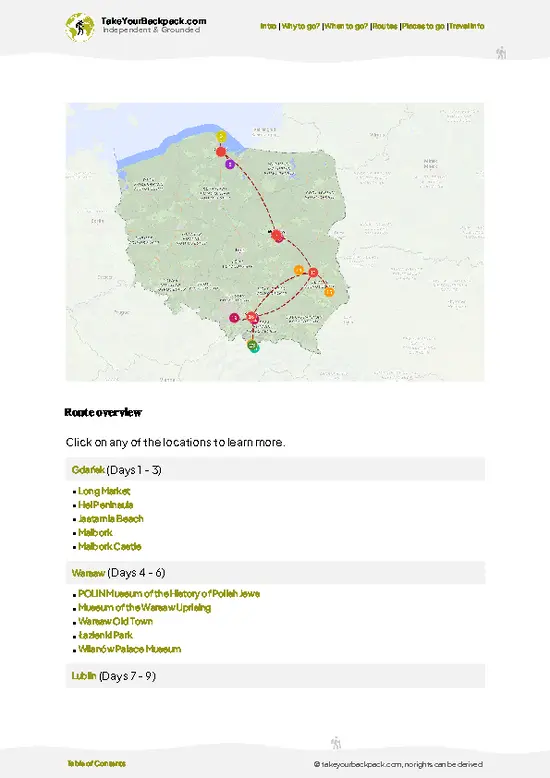
Navigating Poland’s diverse attractions requires a clear sense of regional grouping and travel flow. The country naturally divides into clusters—urban centers, historical sites, and natural landscapes—that work best when tackled in logical sequences rather than random jumps across the map. For example, focusing on southern Poland’s cultural hubs before moving northward to the Baltic coast minimizes backtracking and wasted travel time.

Expect to spend at least a full day in major cities to absorb their layered histories and atmospheres, while smaller towns or natural spots might only need a half-day or so. Rushing through multiple stops in a single day often leads to superficial experiences, especially when museums or landmarks demand time … read more 👉

Efficiently Combining Poland’s Top Attractions

Navigating Poland’s diverse attractions requires a clear sense of regional grouping and travel flow. The country naturally divides into clusters—urban centers, historical sites, and natural landscapes—that work best when tackled in logical sequences rather than random jumps across the map. For example, focusing on southern Poland’s cultural hubs before moving northward to the Baltic coast minimizes backtracking and wasted travel time.

Expect to spend at least a full day in major cities to absorb their layered histories and atmospheres, while smaller towns or natural spots might only need a half-day or so. Rushing through multiple stops in a single day often leads to superficial experiences, especially when museums or landmarks demand time to appreciate fully.

A common pitfall is overloading the itinerary with too many distant points, which forces a frantic pace and leaves little room for unexpected discoveries or rest. Balancing speed with depth means accepting that some places will get more attention than others. Budget constraints often push travelers toward cheaper accommodations or transport, but this can eat into energy levels and overall enjoyment.

Flexibility is key. Weather, local events, or transport delays can disrupt plans, so building in buffer days or optional detours helps maintain a steady rhythm. Strategic planning means prioritizing what matters most—whether that’s cultural immersion, scenic variety, or historical significance—and sequencing stops to maximize both convenience and meaningful engagement.

The ListTop attractions of Poland

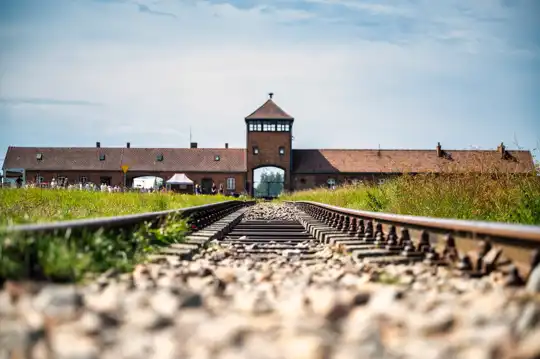
1 Auschwitz-Birkenau State Museum

memorial grounds, preserved barracks, railway tracks

Reflect on the realities of twentieth-century history while walking through original camp structures and thoughtfully curated exhibitions.

Poland - Auschwitz-Birkenau State Museum

2 Wawel Royal Castle

hilltop complex, Renaissance interiors, cathedral

Tour state rooms and royal tombs within a fortified site that has served as the seat of Polish rulers for centuries.

poland-attraction-wawel-royal-castle
© Google |

3 Wieliczka Salt Mine

underground chambers, salt sculptures, chapel

Descend into a subterranean world of carved tunnels, saline lakes, and intricate chapels created entirely from rock salt.

poland-attraction-wieliczka-salt-mine
© Google |

4 Malbork Castle

brick fortress, Teutonic Order, defensive towers

Traverse vast courtyards and fortified halls that illustrate medieval military architecture and the power of the Teutonic Knights.

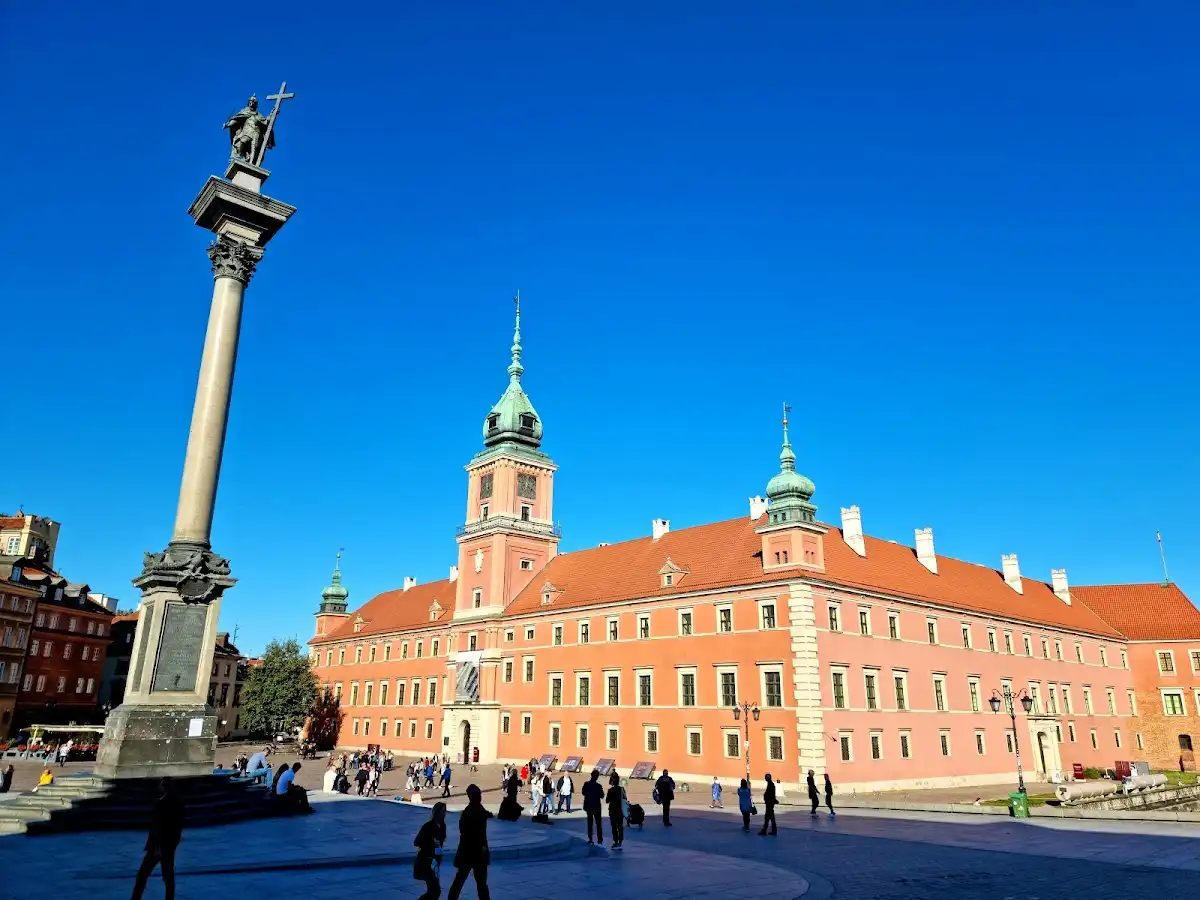
5 Warsaw Old Town and Royal Castle

reconstructed palaces, defensive walls, Sigismund’s Column

Explore meticulously restored streets and royal chambers that reveal the city’s resilience and evolving identity.

poland-attraction-warsaw-old-town-and-royal-castle
© Google |

6 Gdańsk Main Town and Long Market

ornate facades, merchant houses, Neptune Fountain

Stroll among colorful architecture and centuries-old trade routes that reveal the city’s maritime legacy and layered urban culture.

7 Łazienki Królewskie (Royal Łazienki Park and Palace Complex

palace on the water, landscaped gardens, peacocks

Wander through expansive parkland dotted with neoclassical pavilions, lakes, and open-air sculptures in the heart of Warsaw.

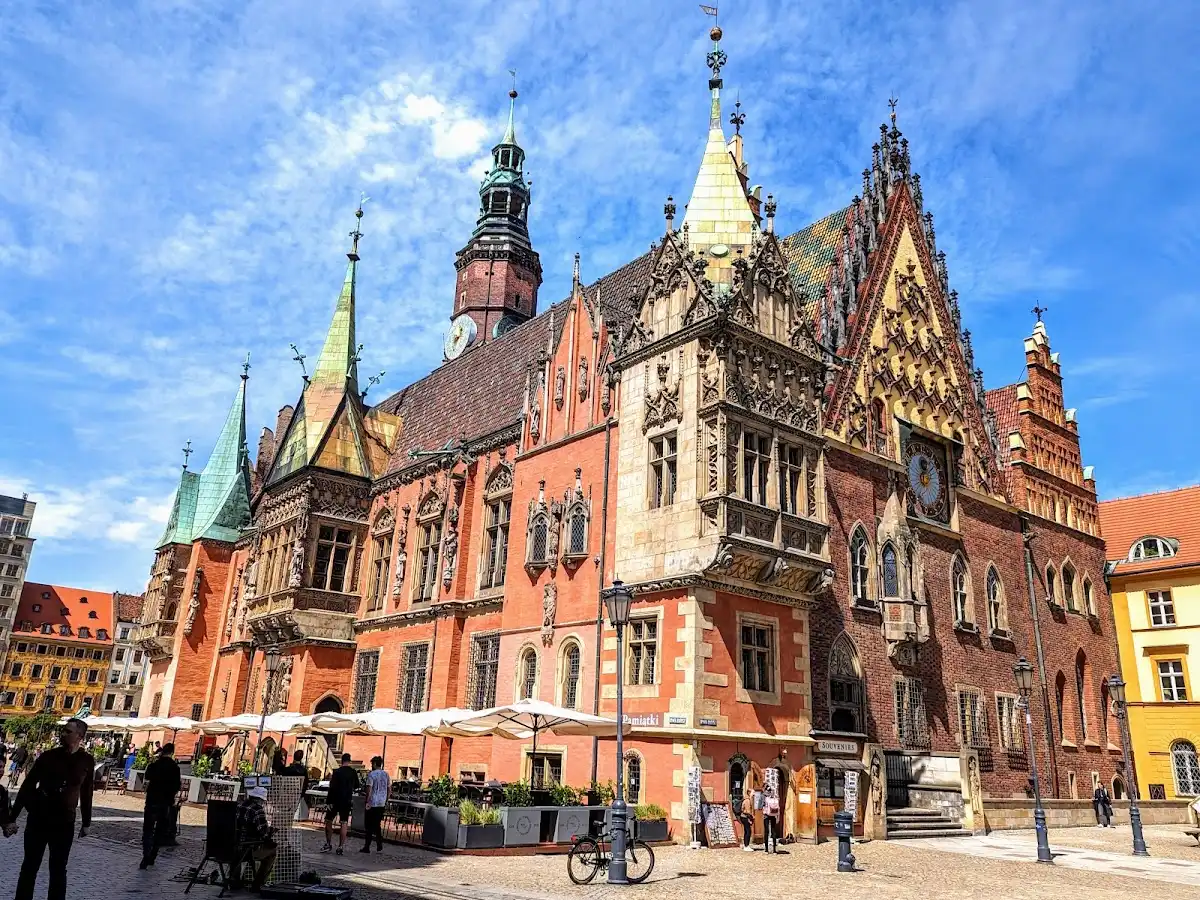
8 Wrocław Market Square and Town Hall

Gothic town hall, colorful facades, public clock

Relax in a lively square framed by ornate buildings and a landmark town hall, central to the city’s daily rhythm.

poland-attraction-wroclaw-market-square-and-town-hall
© Google |

9 POLIN Museum of the History of Polish Jews

modern architecture, multimedia narratives, Jewish heritage

Trace a millennium of Jewish life in Poland through interactive galleries and evocative storytelling in a striking contemporary space.

poland-attraction-polin-museum-of-the-history-of-polish-jews
© Google |

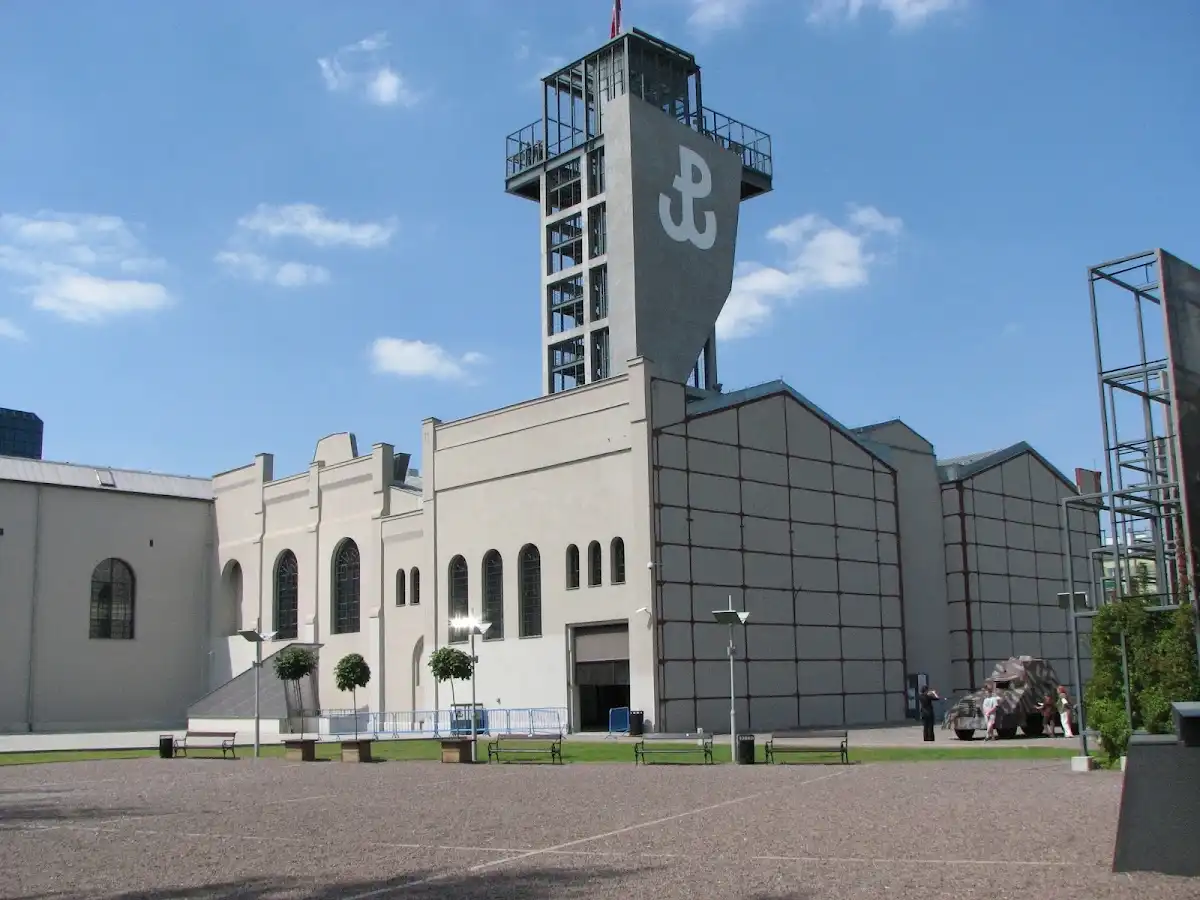
10 Museum of the Warsaw Uprising

wartime artifacts, immersive displays, resistance stories

Experience the city’s 1944 uprising through multimedia installations and personal accounts that document civilian and combatant life.

poland-attraction-museum-of-the-warsaw-uprising
© Google |

11 Schindler’s Factory Museum (Oskar Schindler’s Enamel Factory

industrial interiors, wartime exhibits, personal testimonies

Walk through immersive rooms that document Kraków’s wartime experience and the stories of those saved by Oskar Schindler.

12 Wilanów Palace Museum

baroque residence, formal gardens, royal apartments

Admire lavish interiors and landscaped grounds that illustrate the tastes and ambitions of Poland’s seventeenth-century elite.

13 Centrum Nauki Kopernik (Copernicus Science Centre

interactive exhibits, hands-on labs, riverside location

Engage with hundreds of science installations designed for all ages, encouraging experimentation and discovery in a modern setting.

14 Jagiellonian University Museum – Collegium Maius

Gothic courtyard, astronomical instruments, academic relics

Step inside Poland’s oldest university building to see medieval lecture halls and artifacts linked to pioneering scholars.

15 National Museum in Kraków

Polish art, historical collections, decorative objects

View a diverse range of works from medieval icons to twentieth-century paintings, housed in a spacious, purpose-built gallery.

16 National Museum in Warsaw

fine arts, archaeological finds, rotating exhibitions

Browse extensive galleries featuring European masters, ancient artifacts, and regularly updated thematic displays.

17 Old Town Market Square and Royal Route

cobblestone plaza, pastel townhouses, ceremonial avenue

Follow a route lined with reconstructed buildings and monuments, connecting Warsaw’s historic center to its regal past.

18 Wrocław Centennial Hall and Pergola

modernist dome, multimedia fountain, exhibition space

Visit a pioneering concrete structure and its surrounding park, known for large-scale events and seasonal water shows.

Think you know Poland?

Prove you’re a true local — uncover 8 lesser-known attractions in Poland that locals tend to keep to themselves.
Loading the map 🌍

Expert viewWhat You Should Know

Expert Commentary


When planning your visit to Poland’s attractions, it’s crucial to temper expectations shaped by glossy social media shots. The country’s most famous sites often come with crowds that can test patience, especially in peak seasons. This means you’ll want to be selective rather than trying to tick off every highlight. A practical approach is to aim for around three to five major attractions, depending on your travel pace and interests. Trying to cram more risks diluting the experience and burning out your energy—and budget.

Time investment varies widely. Some attractions demand just a few hours, while others, especially those with rich historical layers or sprawling grounds, can easily consume a full day. Factor in travel time, which can be deceptively long due to regional … read more 👉

Expert Commentary


When planning your visit to Poland’s attractions, it’s crucial to temper expectations shaped by glossy social media shots. The country’s most famous sites often come with crowds that can test patience, especially in peak seasons. This means you’ll want to be selective rather than trying to tick off every highlight. A practical approach is to aim for around three to five major attractions, depending on your travel pace and interests. Trying to cram more risks diluting the experience and burning out your energy—and budget.

Time investment varies widely. Some attractions demand just a few hours, while others, especially those with rich historical layers or sprawling grounds, can easily consume a full day. Factor in travel time, which can be deceptively long due to regional infrastructure differences. Poland’s rail and bus networks are generally reliable but not always swift, so hopping between distant sites in a single day can be frustrating. Prioritize clusters of attractions within the same region to maximize your time and reduce transit stress.

Budget-wise, Poland offers a range of options. Entrance fees to major sites are usually modest by Western European standards, but costs add up when you include guided tours, transportation, and meals. Don’t underestimate incidental expenses like parking or local transport within towns. If you’re on a tighter budget, focus on outdoor or public spaces that offer cultural value without a ticket price. Conversely, splurging on a well-curated guided experience can unlock deeper understanding, especially for sites heavy with historical significance.

Cultural context is key. Poland’s attractions often carry complex histories that resonate differently depending on your background and knowledge. Approaching these places with respect and a willingness to engage beyond surface-level sightseeing enriches the visit. Local guides and museums can provide this depth, but be prepared for some exhibits or narratives to be emotionally heavy or challenging. This is part of the country’s fabric, not a tourist gimmick.

Safety is generally straightforward but worth noting. Popular tourist spots are well-patrolled and safe during the day, but like anywhere, vigilance is wise in crowded areas to avoid petty theft. Some rural or less-visited sites may lack extensive visitor facilities or clear signage, so preparation is essential. Comfortable footwear and weather-appropriate gear are non-negotiable, especially if you plan to explore beyond the main paths.

One of the less advertised but genuinely rewarding aspects is the regional variation in atmosphere and pace. Northern and western parts tend to be more polished and tourist-ready, while eastern regions offer a quieter, more authentic feel with fewer crowds but also fewer amenities. This trade-off means you’ll need to decide what matters more: convenience and infrastructure or solitude and raw cultural encounters.

In my experience, the real magic of Poland’s attractions lies in the details that don’t make the postcards: the texture of local markets near historic sites, the quiet moments in centuries-old churches, or the conversations with locals who remember the stories behind the stones. These moments require time and openness, which is why rushing through too many attractions is counterproductive.

Ultimately, your itinerary should reflect your priorities—whether that’s deep historical immersion, natural beauty, or cultural interaction. Accept that you can’t see it all, and instead focus on a handful of well-chosen sites where you can linger and absorb. This approach not only respects the scale and complexity of Poland’s heritage but also ensures your trip is rewarding rather than exhausting.

✈️ The backpacker research shortcutPoland Travel Guide

An offline-friendly backpacking guide with optimized travel routes, ranked highlights, transport advice, and the best areas to stay.
example page 0 from our offline Travel Guide for Polandexample page 1 from our offline Travel Guide for Polandexample page 2 from our offline Travel Guide for Polandexample page 3 from our offline Travel Guide for Polandexample page 4 from our offline Travel Guide for Polandexample page 5 from our offline Travel Guide for Polandexample page 6 from our offline Travel Guide for Polandexample page 7 from our offline Travel Guide for Poland
The digital guide (432 pages) contains:
116 highlights, ranked by travel appeal
Optimized 5, 10 & 15-day travel routes
Cities, national parks, landmarks, beaches
How to get around
Offline-friendly for travel without Wi-Fi
👉 Click to see all 30+ guide features

📅 Plan smarter in minutes, not weeks
Month by month travel advice
Festivals & national holidays
Budget expectations

🗺️ Go to the right places, skip the overrated ones
Honest pros & cons of destinations
Top hikes, parks & viewpoints
Lesser-known places most travelers miss
Clear “worth it vs skip it” guidance

🛏️ Travel smoothly without rookie mistakes
Best areas to stay
Transport systems explained simply
Common scams & safety advice
SIM cards, money & practical tips

🌍 Understand the country, not just visit it
Culture & traditions
52 Essential phrases & customs
Festivals worth planning around
Traveler-friendly historical context
Insights that make places more meaningful

📱 Built for real travel conditions
Fully downloadable PDF
Works completely offline
Optimized for phone use
Useful in remote areas & buses
Everything in one place
Save weeks of stressful planning
Get instant access to your full guide. 30‑day money-back guarantee.


Sent to your inbox immediately after payment • 100% Secure Checkout
Best Backpacking Travel Advisor 2025 tourism awardBest Backpacking
Travel Advisor
2025
What others say about Take Your Backpack Guides:
⭐⭐⭐⭐⭐
Fantastic, amazing amount of information!
⭐⭐⭐⭐⭐
My goodness this is amazing, it's what I've been looking for hats off too you!
⭐⭐⭐⭐⭐
I think this is absolutely BRILLIANT
⭐⭐⭐⭐
Very complete and informative. It's still missing places, but I gotta to commend you
⭐⭐⭐⭐⭐
This is truly amazing, thank you, can't wait to explore it with my kids!
⭐⭐⭐⭐⭐
Awesome resource, thank you!
⭐⭐⭐⭐⭐
This is amazing! Can't wait to explore the ones I haven't seen
⭐⭐⭐⭐
I love this! Well done, great idea.
⭐⭐⭐⭐⭐
Thanks for taking the time to make this gem!
⭐⭐⭐⭐⭐
This might be the best website I've ever seen.
⭐⭐⭐⭐⭐
Congratulations, and thank you so much for your work; it's incredibly valuable.
⭐⭐⭐⭐
In all seriousness I think you did a great job pointing out the important spots
⭐⭐⭐⭐⭐
10/10 very good
⭐⭐⭐⭐⭐
As someone who's only just starting to visit regularly this is awesome, thank you.
⭐⭐⭐⭐
Thank you very much! I'm going to visit my dad, it's going to be very useful!
⭐⭐⭐⭐⭐
This is really cool! We'll be travelling for the first time and this definitely come in handy.
⭐⭐⭐⭐⭐
You are now our minister of culture, congratulations 👨‍💼
⭐⭐⭐⭐⭐
Just wanted to tell you that this is a pearl! Going to follow your recommendations.
⭐⭐⭐⭐⭐
This is so cool. I'll definitely be using the resource for my travels soon.
⭐⭐⭐⭐⭐
This is very impressive! Good work.
⭐⭐⭐⭐⭐
This is an amazing and informative site. Very well done!

🛏️ Where to stay?Top Areas to Stay

Yes — hostels and budget accommodation are widespread across Poland, concentrated in city centres, near main train stations and in popular tourist towns; expect lower prices off‑season and sharp hikes in summer and around events.
In Warsaw look in Śródmieście for the easiest access to Old Town, museums and transport (convenient but busier and pricier), or Praga for cheaper, trendier spots with more nightlife but uneven street‑level safety after dark.
In Kraków choose Stare Miasto for walking distance to major sights and loud nights, or Kazimierz for bars and a lively scene; in Gdańsk/Sopot the Old Town/seaside areas give beach access at higher cost, while Wrzeszcz, Wrocław Rynek and Poznań read more 👉
Yes — hostels and budget accommodation are widespread across Poland, concentrated in city centres, near main train stations and in popular tourist towns; expect lower prices off‑season and sharp hikes in summer and around events.
In Warsaw look in Śródmieście for the easiest access to Old Town, museums and transport (convenient but busier and pricier), or Praga for cheaper, trendier spots with more nightlife but uneven street‑level safety after dark.
In Kraków choose Stare Miasto for walking distance to major sights and loud nights, or Kazimierz for bars and a lively scene; in Gdańsk/Sopot the Old Town/seaside areas give beach access at higher cost, while Wrzeszcz, Wrocław Rynek and Poznań Stary Rynek offer central, transport‑friendly bases that are convenient for trains but can be noisy.

If you enjoy meeting fellow travelers, consider choosing hostels with high ratings for atmosphere. On the other hand, if you prefer having your own space, a hotel might be a better option.

PolandDiscover the Country

👋 Meet the founderWho’s Behind Take Your Backpack?

Johan, backpacker and founder of TakeYourBackpackHi, I’m Johan (Netherlands 🇳🇱), the creator of TakeYourBackpack. Over the past decade, I’ve backpacked through 80+ countries across six continents, gaining extensive experience with independent travel, long-term trips, and overland routes.

This site is built on a combination of firsthand travel experience and carefully curated insights from other backpackers. Many guides are based on places I’ve personally visited, while others bring together tips, observations, and practical advice shared by trusted travelers I’ve met along the way.

The goal is to provide realistic, experience-driven guidance — not generic itineraries — so you can explore destinations with better context, clearer expectations, and more confidence.

Get full Poland guide •
Instant download • 116 highlights • Full Offline guide