v2.webp)
The Faras Gallery
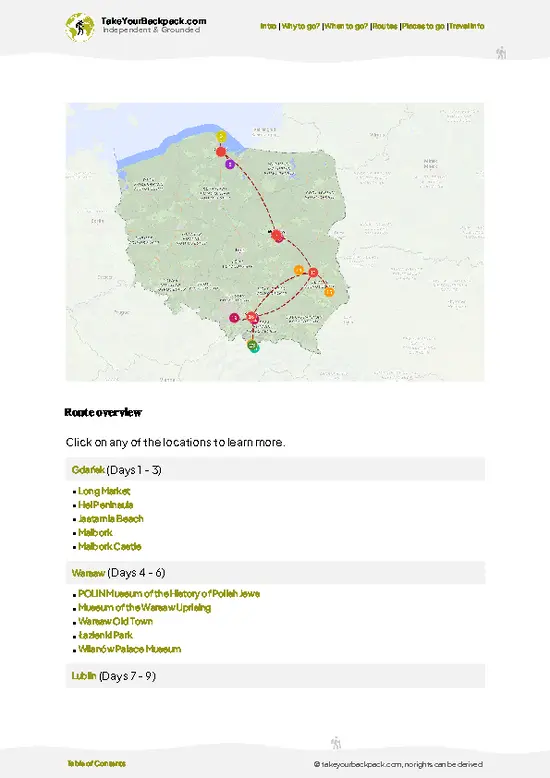
Forget the usual parade of European oil paintings for a minute. The Faras Gallery is a time capsule from ancient Nubia—think Sudan, not Egypt—packed with 8th-century Christian frescoes rescued from a flooded desert cathedral. These aren’t just relics; they’re a rare, full-room immersion into a lost civilization, with colors and faces that survived centuries underwater. It’s the only place outside Sudan where you can stand surrounded by this much Nubian art. The room feels like a secret portal, and you’ll have it mostly to yourself—no influencer crowds, just you and the ghosts of medieval Africa.
Polish Art: Matejko, Malczewski, and the National Icons
If you want to understand Poland’s soul, skip the touristy Old Town and come here. The museum’s Polish painting collection … read more 👉
Forget the usual parade of European oil paintings for a minute. The Faras Gallery is a time capsule from ancient Nubia—think Sudan, not Egypt—packed with 8th-century Christian frescoes rescued from a flooded desert cathedral. These aren’t just relics; they’re a rare, full-room immersion into a lost civilization, with colors and faces that survived centuries underwater. It’s the only place outside Sudan where you can stand surrounded by this much Nubian art. The room feels like a secret portal, and you’ll have it mostly to yourself—no influencer crowds, just you and the ghosts of medieval Africa.
Polish Art: Matejko, Malczewski, and the National Icons
If you want to understand Poland’s soul, skip the touristy Old Town and come here. The museum’s Polish painting collection … read more 👉
The Faras Gallery
Forget the usual parade of European oil paintings for a minute. The Faras Gallery is a time capsule from ancient Nubia—think Sudan, not Egypt—packed with 8th-century Christian frescoes rescued from a flooded desert cathedral. These aren’t just relics; they’re a rare, full-room immersion into a lost civilization, with colors and faces that survived centuries underwater. It’s the only place outside Sudan where you can stand surrounded by this much Nubian art. The room feels like a secret portal, and you’ll have it mostly to yourself—no influencer crowds, just you and the ghosts of medieval Africa.
Polish Art: Matejko, Malczewski, and the National Icons
If you want to understand Poland’s soul, skip the touristy Old Town and come here. The museum’s Polish painting collection is a crash course in national identity, rebellion, and wild imagination. Jan Matejko’s epic battle scenes are the kind of paintings that make you want to stand taller, even if you don’t know the history. Jacek Malczewski’s Symbolist fever dreams are pure, unfiltered weirdness—think angels, devils, and existential dread, all painted with the intensity of a man who’s seen too much. These aren’t just pretty pictures; they’re emotional gut-punches that explain why Poles are so stubbornly proud.
Gallery of Medieval Art
This isn’t your average “saints and halos” snoozefest. The medieval rooms here are dark, moody, and packed with altarpieces that look like they’ve been dragged straight out of a Gothic cathedral. The wood carvings are raw and expressive—sometimes even a little creepy. If you want to feel the weight of centuries and see how faith and fear shaped a continent, this is your spot. It’s atmospheric, a little eerie, and totally absorbing.
European Masters—But Without the Elbowing
You don’t come to Warsaw expecting to see Rembrandt, Botticelli, or Cranach, but here they are—minus the mobs you’d find in Paris or Florence. The European collection is small but punchy, with just enough heavy hitters to make you feel like you’ve scored a secret. You can actually get close to the canvases, breathe, and take your time. No jostling, no selfie sticks. It’s art appreciation the way it should be: personal, quiet, and a little bit smug.
Temporary Exhibitions That Actually Take Risks
Most museums play it safe. Not here. The National Museum in Warsaw has a habit of throwing curveballs—think provocative contemporary art, boundary-pushing retrospectives, or deep dives into overlooked corners of Polish culture. Sometimes it’s weird, sometimes it’s brilliant, but it’s never boring. If you’re lucky enough to catch a good one, you’ll leave with your brain buzzing and your assumptions challenged. This is where the museum stops being a history lesson and becomes a live wire.
Forget the usual parade of European oil paintings for a minute. The Faras Gallery is a time capsule from ancient Nubia—think Sudan, not Egypt—packed with 8th-century Christian frescoes rescued from a flooded desert cathedral. These aren’t just relics; they’re a rare, full-room immersion into a lost civilization, with colors and faces that survived centuries underwater. It’s the only place outside Sudan where you can stand surrounded by this much Nubian art. The room feels like a secret portal, and you’ll have it mostly to yourself—no influencer crowds, just you and the ghosts of medieval Africa.
Polish Art: Matejko, Malczewski, and the National Icons
If you want to understand Poland’s soul, skip the touristy Old Town and come here. The museum’s Polish painting collection is a crash course in national identity, rebellion, and wild imagination. Jan Matejko’s epic battle scenes are the kind of paintings that make you want to stand taller, even if you don’t know the history. Jacek Malczewski’s Symbolist fever dreams are pure, unfiltered weirdness—think angels, devils, and existential dread, all painted with the intensity of a man who’s seen too much. These aren’t just pretty pictures; they’re emotional gut-punches that explain why Poles are so stubbornly proud.
Gallery of Medieval Art
This isn’t your average “saints and halos” snoozefest. The medieval rooms here are dark, moody, and packed with altarpieces that look like they’ve been dragged straight out of a Gothic cathedral. The wood carvings are raw and expressive—sometimes even a little creepy. If you want to feel the weight of centuries and see how faith and fear shaped a continent, this is your spot. It’s atmospheric, a little eerie, and totally absorbing.
European Masters—But Without the Elbowing
You don’t come to Warsaw expecting to see Rembrandt, Botticelli, or Cranach, but here they are—minus the mobs you’d find in Paris or Florence. The European collection is small but punchy, with just enough heavy hitters to make you feel like you’ve scored a secret. You can actually get close to the canvases, breathe, and take your time. No jostling, no selfie sticks. It’s art appreciation the way it should be: personal, quiet, and a little bit smug.
Temporary Exhibitions That Actually Take Risks
Most museums play it safe. Not here. The National Museum in Warsaw has a habit of throwing curveballs—think provocative contemporary art, boundary-pushing retrospectives, or deep dives into overlooked corners of Polish culture. Sometimes it’s weird, sometimes it’s brilliant, but it’s never boring. If you’re lucky enough to catch a good one, you’ll leave with your brain buzzing and your assumptions challenged. This is where the museum stops being a history lesson and becomes a live wire.
Spotted a mistake or missing something? Contact us.
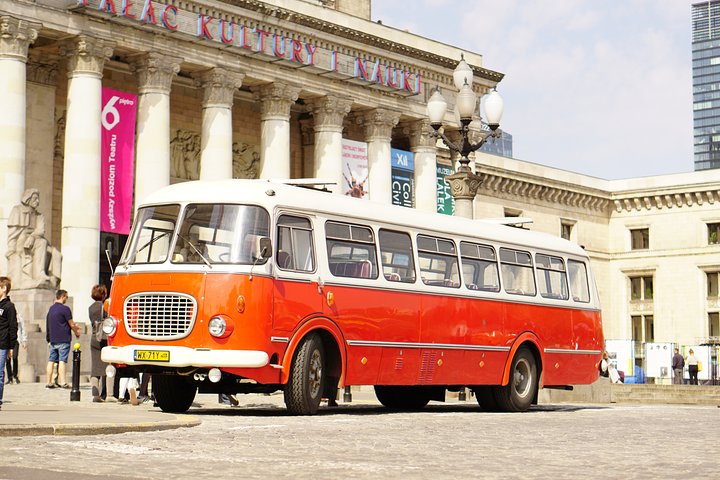
Warsaw City Sightseeing in a Retro Bus for Groups

Majdanek Concentration Camp & Lublin Full Day Private Tour from Warsaw

Warsaw Photographer - One Hour 200 Photos

Wolf's Lair & Treblinka Tour in 1 day from Warsaw

Life Behind the Iron Curtain Warsaw Walking Tour

Discover the Real Warsaw: Past & Present

A Journey Through Old Town Warsaw

Self-Drive Tour: Communist Warsaw by Retro Fiat "Toddler"

Private guide-driver & car services in Poland & Central Europe


 Best Backpacking
.jpg) Hi, I’m Johan (Netherlands 🇳🇱), the creator of TakeYourBackpack. Over the past 3 decades, I’ve backpacked through 90+ countries across six continents, gaining extensive experience with independent travel, long-term trips, and overland routes.
Hi, I’m Johan (Netherlands 🇳🇱), the creator of TakeYourBackpack. Over the past 3 decades, I’ve backpacked through 90+ countries across six continents, gaining extensive experience with independent travel, long-term trips, and overland routes.