v2.webp)
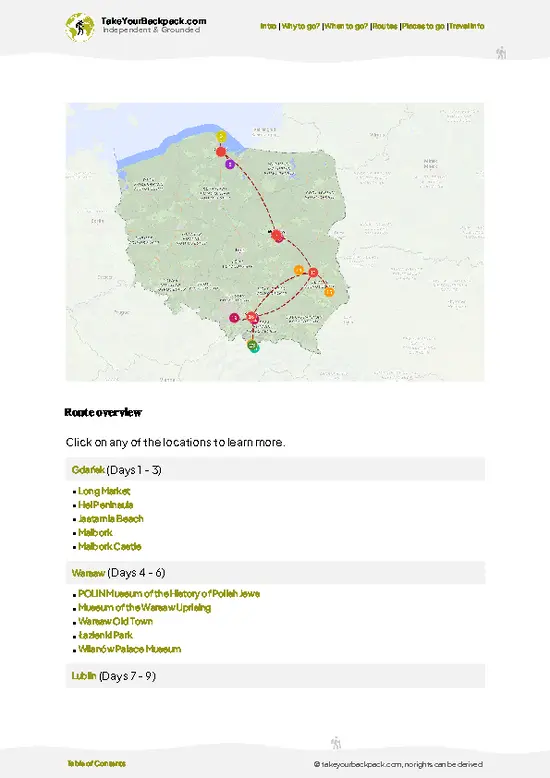
The Royal Apartments
Forget the Instagram-perfect shots of gold ceilings and velvet ropes. The real thrill is standing in rooms where Polish kings actually lived, plotted, and—let’s be honest—probably argued about dinner. The Royal Apartments aren’t just a parade of antique furniture. You’ll see the personal quirks of King Jan III Sobieski and Queen Marie, from their taste in art to the oddball gifts from foreign dignitaries. The details are intimate: a chessboard left mid-game, a portrait with a sly wink, a library that smells like old paper and ambition. This is history you can almost eavesdrop on.
The Baroque Gardens
Yes, you’ll see people posing for wedding photos. Ignore them. The gardens are a living, breathing work of geometry and obsession. Every hedge, every fountain, every gravel … read more 👉
Forget the Instagram-perfect shots of gold ceilings and velvet ropes. The real thrill is standing in rooms where Polish kings actually lived, plotted, and—let’s be honest—probably argued about dinner. The Royal Apartments aren’t just a parade of antique furniture. You’ll see the personal quirks of King Jan III Sobieski and Queen Marie, from their taste in art to the oddball gifts from foreign dignitaries. The details are intimate: a chessboard left mid-game, a portrait with a sly wink, a library that smells like old paper and ambition. This is history you can almost eavesdrop on.
The Baroque Gardens
Yes, you’ll see people posing for wedding photos. Ignore them. The gardens are a living, breathing work of geometry and obsession. Every hedge, every fountain, every gravel … read more 👉
The Royal Apartments
Forget the Instagram-perfect shots of gold ceilings and velvet ropes. The real thrill is standing in rooms where Polish kings actually lived, plotted, and—let’s be honest—probably argued about dinner. The Royal Apartments aren’t just a parade of antique furniture. You’ll see the personal quirks of King Jan III Sobieski and Queen Marie, from their taste in art to the oddball gifts from foreign dignitaries. The details are intimate: a chessboard left mid-game, a portrait with a sly wink, a library that smells like old paper and ambition. This is history you can almost eavesdrop on.
The Baroque Gardens
Yes, you’ll see people posing for wedding photos. Ignore them. The gardens are a living, breathing work of geometry and obsession. Every hedge, every fountain, every gravel path was designed to impress—and intimidate—visiting ambassadors. The layout is a masterclass in symmetry, but the real magic is in the micro-details: the way the light hits the orange trees, the scent of roses in June, the sudden hush when you step away from the main axis. It’s not just pretty; it’s a power move in green.
The Museum’s Art Collection
This isn’t your standard “old paintings on beige walls” situation. Wilanów’s collection is a time capsule of Polish swagger. You’ll find battle scenes that look like movie stills, portraits that practically dare you to look away, and a smattering of oddities (hello, 17th-century Turkish armor). The curation is sharp—less about overwhelming you with quantity, more about telling the story of a country that’s always had to fight for its place on the map. If you want to understand Polish pride, start here.
The Chinese Pavilion
It’s easy to miss, tucked away from the main palace drag, but that’s the point. The Chinese Pavilion is a relic of Europe’s centuries-long obsession with the Far East. Step inside and you’re hit with lacquered panels, delicate porcelain, and a sense of whimsy that’s rare in royal architecture. It’s a reminder that even Polish kings needed a break from all the ceremony—a place to sip tea, gossip, and show off their global connections.
The Palace’s Seasonal Events
Here’s where Wilanów ditches the museum stiffness. In winter, the gardens explode with light installations—think Alice in Wonderland meets Polish folklore. Summer brings open-air concerts, baroque music echoing off marble. These events aren’t just tourist bait; locals actually show up, which is the real litmus test for authenticity. If you want to see the palace alive, time your visit for one of these.
The King’s Private Chapel
Skip the main church and duck into the private chapel. It’s small, almost claustrophobic, but the intimacy is the point. Frescoes crowd the ceiling, gold leaf glints in the candlelight, and you get a rare sense of the king’s personal faith—less about spectacle, more about solace. It’s a quiet counterpoint to the palace’s public bravado, and a rare moment of stillness in a place built for show.
Forget the Instagram-perfect shots of gold ceilings and velvet ropes. The real thrill is standing in rooms where Polish kings actually lived, plotted, and—let’s be honest—probably argued about dinner. The Royal Apartments aren’t just a parade of antique furniture. You’ll see the personal quirks of King Jan III Sobieski and Queen Marie, from their taste in art to the oddball gifts from foreign dignitaries. The details are intimate: a chessboard left mid-game, a portrait with a sly wink, a library that smells like old paper and ambition. This is history you can almost eavesdrop on.
The Baroque Gardens
Yes, you’ll see people posing for wedding photos. Ignore them. The gardens are a living, breathing work of geometry and obsession. Every hedge, every fountain, every gravel path was designed to impress—and intimidate—visiting ambassadors. The layout is a masterclass in symmetry, but the real magic is in the micro-details: the way the light hits the orange trees, the scent of roses in June, the sudden hush when you step away from the main axis. It’s not just pretty; it’s a power move in green.
The Museum’s Art Collection
This isn’t your standard “old paintings on beige walls” situation. Wilanów’s collection is a time capsule of Polish swagger. You’ll find battle scenes that look like movie stills, portraits that practically dare you to look away, and a smattering of oddities (hello, 17th-century Turkish armor). The curation is sharp—less about overwhelming you with quantity, more about telling the story of a country that’s always had to fight for its place on the map. If you want to understand Polish pride, start here.
The Chinese Pavilion
It’s easy to miss, tucked away from the main palace drag, but that’s the point. The Chinese Pavilion is a relic of Europe’s centuries-long obsession with the Far East. Step inside and you’re hit with lacquered panels, delicate porcelain, and a sense of whimsy that’s rare in royal architecture. It’s a reminder that even Polish kings needed a break from all the ceremony—a place to sip tea, gossip, and show off their global connections.
The Palace’s Seasonal Events
Here’s where Wilanów ditches the museum stiffness. In winter, the gardens explode with light installations—think Alice in Wonderland meets Polish folklore. Summer brings open-air concerts, baroque music echoing off marble. These events aren’t just tourist bait; locals actually show up, which is the real litmus test for authenticity. If you want to see the palace alive, time your visit for one of these.
The King’s Private Chapel
Skip the main church and duck into the private chapel. It’s small, almost claustrophobic, but the intimacy is the point. Frescoes crowd the ceiling, gold leaf glints in the candlelight, and you get a rare sense of the king’s personal faith—less about spectacle, more about solace. It’s a quiet counterpoint to the palace’s public bravado, and a rare moment of stillness in a place built for show.
Spotted a mistake or missing something? Contact us.

Wilanow Royal Palace : SMALL GROUP /inc. Pick-up/

Best of Warsaw Full-Day Private Tour with Transport & Ticket

Warsaw Old Town with Royal Castle + Wilanów Palace: PRIVATE TOUR /inc. Pick-up/

Lazienki Park + Museum of King Jan III's Palace at Wilanow:Small group /Pick-up/

Wilanów Royal Palace + Polish Vodka Museum: SMALL GROUP /inc. Pick-up/

Wilanów Palace Grounds: A Self-Guided Audio Tour

Warsaw with Wilanów Palace

Wilanow Royal Palace + POLIN Museum : PRIVATE /inc. Pick-up/
Wilanów Royal Palace + POLIN Museum: SMALL GROUP /inc. Pick-up/


 Best Backpacking
.jpg) Hi, I’m Johan (Netherlands 🇳🇱), the creator of TakeYourBackpack. Over the past 3 decades, I’ve backpacked through 90+ countries across six continents, gaining extensive experience with independent travel, long-term trips, and overland routes.
Hi, I’m Johan (Netherlands 🇳🇱), the creator of TakeYourBackpack. Over the past 3 decades, I’ve backpacked through 90+ countries across six continents, gaining extensive experience with independent travel, long-term trips, and overland routes.