×

Portugal🇵🇹 | landmarksConímbrigaRoman mosaics, excavated villas, ancient baths | things to do and best time to go

Explore Convent of ChristExplore Mafra National Palace

Backpacking in Conímbriga
👀 For curious travelersunique site ranked #6
By Johan Kruseman 🇳🇱 | Updated October 15, 2026

Everyone shows up to Conímbriga for the mosaics, like they’re checking off a Roman-ruins bingo card. Yes, the mosaics are impressive, but what actually hits you is the scale of the whole ruined city and how quietly it breathes compared to Portugal’s headline sights. Conímbriga sits inland, near Coimbra in central Portugal, and it feels like a detour in the best way. As a backpacker, you get serious history—Roman houses, baths, defensive walls—without Lisbon or Porto prices or chaos. The wow-factor is slow-burn, not jaw-drop; it’s more “I could live in this timeline” than “one perfect selfie.” Crowds are light outside peak weekends, the entry fee is fair, and it’s easy enough by bus or rideshare, though connections can be clunky. The vibe is open, sun-baked, and oddly intimate, especially if you wander past the main paths.

Discover everything you want to know in the 📖 Portugal Travel Guide.


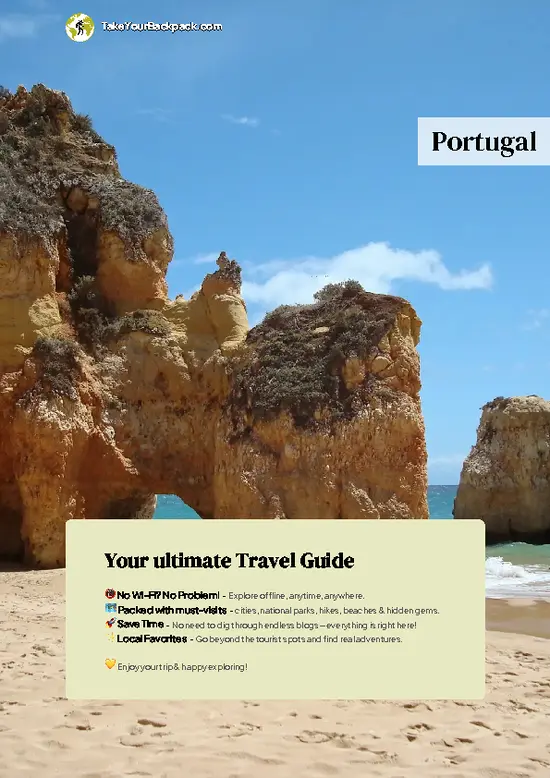
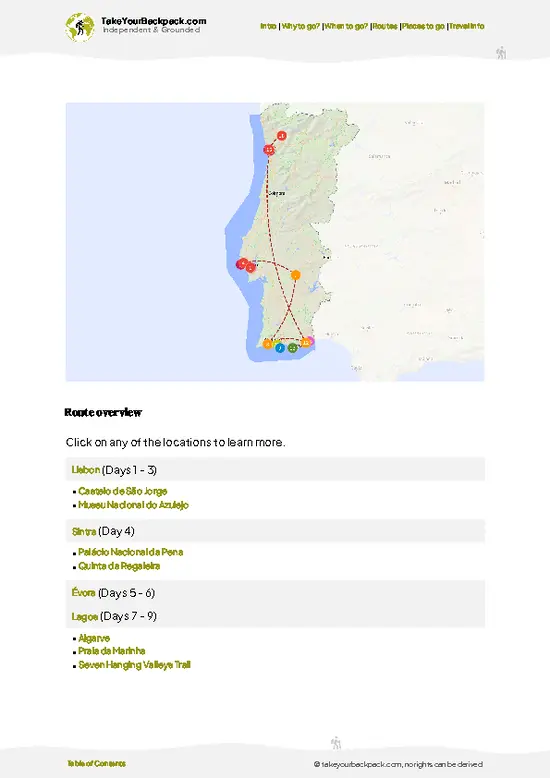
example page 0 from our offline Travel Guide for Portugal
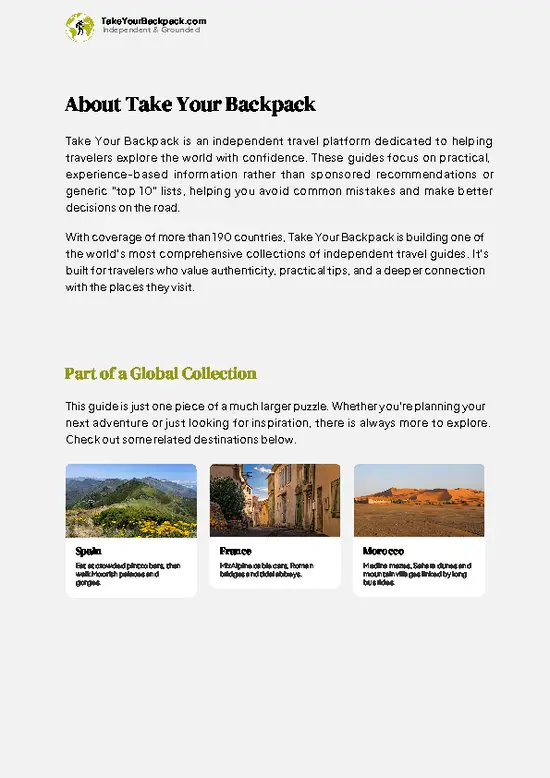
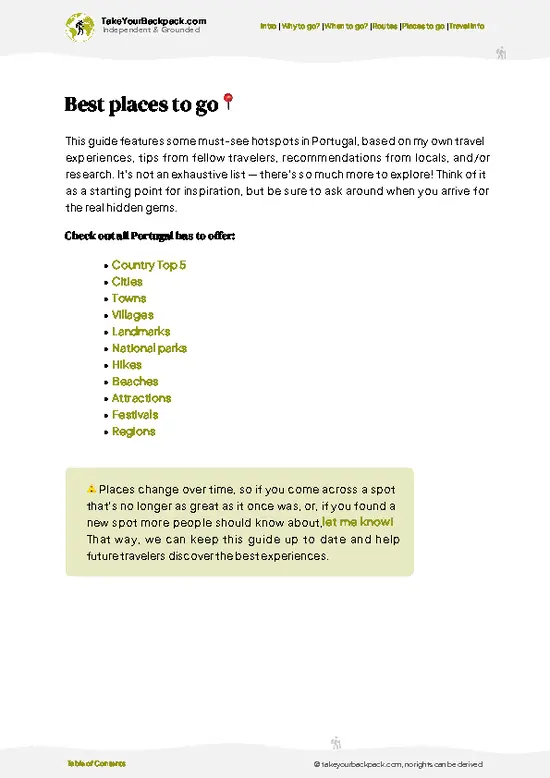
example page 1 from our offline Travel Guide for Portugal
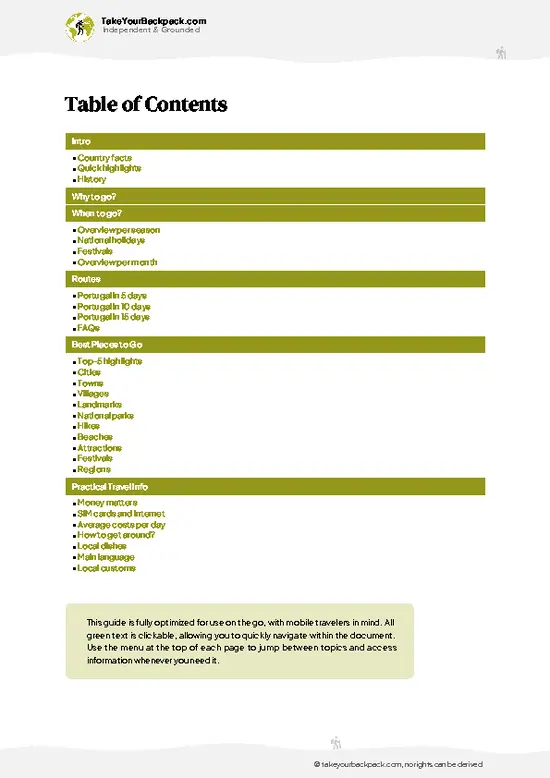
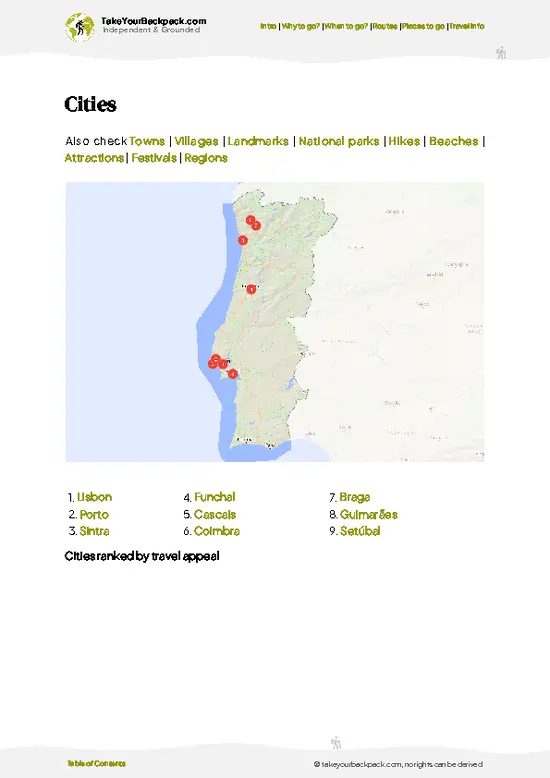
example page 2 from our offline Travel Guide for Portugal
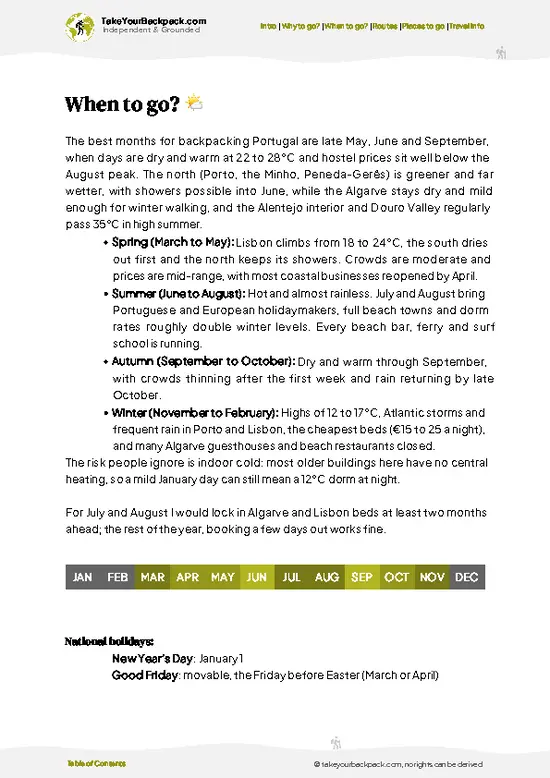
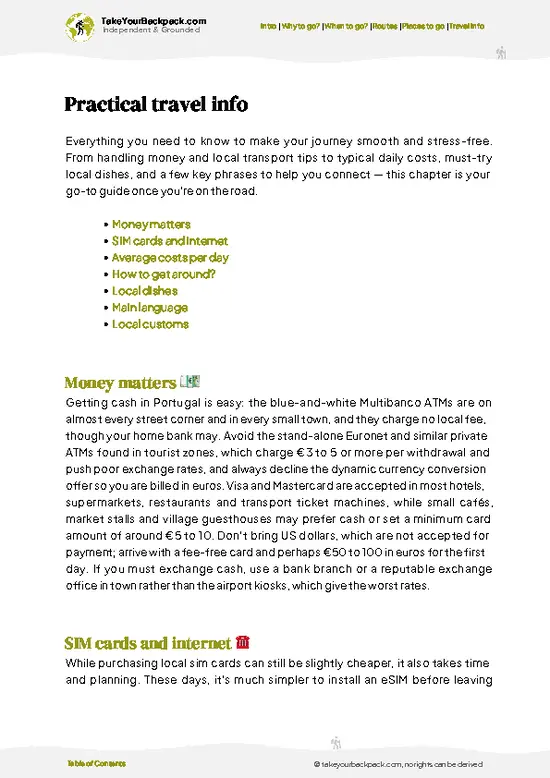
example page 3 from our offline Travel Guide for Portugal
example page 4 from our offline Travel Guide for Portugal
example page 5 from our offline Travel Guide for Portugal
example page 6 from our offline Travel Guide for Portugal
example page 7 from our offline Travel Guide for Portugal
Loading the map 🌍
CLICK TO FILTER
cities
towns
villages
landmarks
national parks
hikes
beaches
attractions
festivals
regions
SHOW COUNTRY’S BESTSHOW ALL

✨ Why go?
Ranked #6 unique site in Portugal
Reasons people choose to visit here

Conímbriga isn’t just another stop; it’s a time capsule that pulls you into the heart of Roman life in Portugal. Yes, it can get crowded, especially in peak season, but the sheer scale of the ruins and the intricate mosaics make it worth the hustle. You’ll find yourself wandering through ancient streets, stepping on stones that have felt the weight of history.

The entry fee is a steal, often under €5, making it a budget-friendly gem. Plus, it fits seamlessly into a broader route through Portugal. If you’re heading to Coimbra or the stunning landscapes of the Serra da Estrela, Conímbriga is a natural pit stop.

What sets it apart? The authenticity of the site. Unlike the heavily marketed attractions, here you can almost hear the whispers of the past. It’s a place where you can truly connect … read more 👉
Conímbriga isn’t just another stop; it’s a time capsule that pulls you into the heart of Roman life in Portugal. Yes, it can get crowded, especially in peak season, but the sheer scale of the ruins and the intricate mosaics make it worth the hustle. You’ll find yourself wandering through ancient streets, stepping on stones that have felt the weight of history.

The entry fee is a steal, often under €5, making it a budget-friendly gem. Plus, it fits seamlessly into a broader route through Portugal. If you’re heading to Coimbra or the stunning landscapes of the Serra da Estrela, Conímbriga is a natural pit stop.

What sets it apart? The authenticity of the site. Unlike the heavily marketed attractions, here you can almost hear the whispers of the past. It’s a place where you can truly connect with history, not just snap a photo for Instagram. Don’t miss it; it’s a slice of real magic.

💡 HighlightsTop highlights of Conímbriga

  • House of the Fountains (Casa dos Repuxos) — One of the site’s showpieces: a wealthy domus with a central courtyard and intact water features. The scale and state of preservation make it easy to imagine daily life here and why water was a status symbol in Roman towns.
  • The mosaics scattered through several houses — Conímbriga boasts some of Portugal’s best-preserved and most varied mosaic panels: geometric designs, animals and mythic scenes. They’re vivid, often in situ, and a real highlight for anyone who likes art that’s 2,000 years old and still readable.
  • Roman Baths (Thermae) — You can still see the layout and parts of the hypocaust (underfloor heating) system. It’s one of the clearest illustrations on site of Roman engineering and the social importance of bathing.
  • City walls and defensive
… read more 👉
  • House of the Fountains (Casa dos Repuxos) — One of the site’s showpieces: a wealthy domus with a central courtyard and intact water features. The scale and state of preservation make it easy to imagine daily life here and why water was a status symbol in Roman towns.
  • The mosaics scattered through several houses — Conímbriga boasts some of Portugal’s best-preserved and most varied mosaic panels: geometric designs, animals and mythic scenes. They’re vivid, often in situ, and a real highlight for anyone who likes art that’s 2,000 years old and still readable.
  • Roman Baths (Thermae) — You can still see the layout and parts of the hypocaust (underfloor heating) system. It’s one of the clearest illustrations on site of Roman engineering and the social importance of bathing.
  • City walls and defensive towers — Massive stone walls and tower foundations outline the urban footprint. Walking their line gives a good sense of the town’s original scale and later defensive reuse through the centuries.
  • Aqueduct and waterworks — Traces of channels and plumbing show how water was brought and distributed to fountains, baths and houses. It’s small-scale engineering that tells a big story about Roman urban planning.
  • Conímbriga Museum (Museu Monográfico) — A compact museum on site that houses the finest finds: large mosaic panels removed for conservation, sculptures, altars and everyday objects. Essential for context — what you see in the ruins gets explained here.
  • Panoramic views and visible layers of history — The site sits on a ridge above the Mondego valley, so the outlook is great for photos and for seeing how the ruins sit in the landscape. The visible stratigraphy — Roman streets, later medieval additions, and modern excavation trenches — makes the whole place feel like an open history book.
Spotted a mistake or missing something? Contact us.

Things to do near Conímbriga

Ratings based on Tripadvisor reviews. When you book through this link, you support our work at no extra cost to you.

🌤️ When to go?Best time to visit Conímbriga

  • Weather: Summers in Conímbriga scorch, often hitting 30-35°C (86-95°F). If you’re not a fan of baking under the sun, spring and fall offer milder temps around 18-24°C (64-75°F), perfect for wandering ruins without melting.
  • Temperature: Winters dip to 8-12°C (46-54°F), which is chilly but manageable with layers. The site stays open year-round, but cold days can make the stones feel even older and lonelier—in a good way.
  • Daylight Hours: Long summer days mean more time to explore, but the crowds come with them. In winter, shorter days limit your window but give you a quieter, more intimate experience.
  • Crowds: Peak season (June to August) floods the site with tourists, turning what should be a contemplative stroll into a photo scramble. Off-season, especially November through March, you’ll have the
… read more 👉
  • Weather: Summers in Conímbriga scorch, often hitting 30-35°C (86-95°F). If you’re not a fan of baking under the sun, spring and fall offer milder temps around 18-24°C (64-75°F), perfect for wandering ruins without melting.
  • Temperature: Winters dip to 8-12°C (46-54°F), which is chilly but manageable with layers. The site stays open year-round, but cold days can make the stones feel even older and lonelier—in a good way.
  • Daylight Hours: Long summer days mean more time to explore, but the crowds come with them. In winter, shorter days limit your window but give you a quieter, more intimate experience.
  • Crowds: Peak season (June to August) floods the site with tourists, turning what should be a contemplative stroll into a photo scramble. Off-season, especially November through March, you’ll have the place mostly to yourself.
  • Seasonal Activities: Summer sometimes hosts local cultural events nearby, but these are hit-or-miss and can add to the crowd chaos. Spring and fall are quieter, letting you soak in the history without distractions.
  • Price Fluctuations: Entrance fees stay stable year-round, but accommodation and transport costs spike in summer. Visiting shoulder seasons can save you a bundle and spare you the tourist crush.
Pro-tip: Aim for late April or early October—cooler temps, fewer people, and the ruins feel like your own secret time capsule.


source: climatestotravel.comJANJanuary: good for travelingFEBFebruary: good for travelingMARMarch: good for travelingAPRApril: highly recommended for travelingMAYMay: highly recommended for travelingJUNJune: fair for travelingJULJuly: fair for travelingAUGAugust: fair for travelingSEPSeptember: highly recommended for travelingOCTOctober: highly recommended for travelingNOVNovember: good for travelingDECDecember: good for traveling
when-to-go

✈️ The backpacker research shortcutPortugal Travel Guide

An offline-friendly backpacking guide with optimized travel routes, ranked highlights, transport advice, and the best areas to stay.
example page 0 from our offline Travel Guide for Portugal
example page 1 from our offline Travel Guide for Portugal
example page 2 from our offline Travel Guide for Portugal
example page 3 from our offline Travel Guide for Portugal
example page 4 from our offline Travel Guide for Portugal
example page 5 from our offline Travel Guide for Portugal
example page 6 from our offline Travel Guide for Portugal
example page 7 from our offline Travel Guide for Portugal
The digital guide (361 pages) contains:
✅ 87 highlights, ranked by travel appeal
✅ Optimized 5, 10 & 15-day travel routes
✅ Cities, national parks, landmarks, beaches
✅ How to get around
✅ Offline-friendly for travel without Wi-Fi
👉 Click to see all 30+ guide features

📅 Plan smarter in minutes, not weeks
✅ Month by month travel advice
✅ Festivals & national holidays
✅ Budget expectations

🗺️ Go to the right places, skip the overrated ones
✅ Honest pros & cons of destinations
✅ Top hikes, parks & viewpoints
✅ Lesser-known places most travelers miss
✅ Clear “worth it vs skip it” guidance

🛏️ Travel smoothly without rookie mistakes
✅ Best areas to stay
✅ Transport systems explained simply
✅ Common scams & safety advice
✅ SIM cards, money & practical tips

🌍 Understand the country, not just visit it
✅ Culture & traditions
✅ 52 Essential phrases & customs
✅ Festivals worth planning around
✅ Traveler-friendly historical context
✅ Insights that make places more meaningful

📱 Built for real travel conditions
✅ Fully downloadable PDF
✅ Works completely offline
✅ Optimized for phone use
✅ Useful in remote areas & buses
✅ Everything in one place
Stop searching, start planning
Get instant access to your full guide. 30‑day money-back guarantee.
+ Add another guide for just

By proceeding you agree to our terms.
Sent to your inbox immediately after payment • 100% Secure Checkout
Best Backpacking Travel Advisor 2025 tourism awardBest Backpacking
Travel Advisor
2025
What others say about Take Your Backpack Guides:
⭐⭐⭐⭐⭐
Fantastic, amazing amount of information!
⭐⭐⭐⭐⭐
My goodness this is amazing, it's what I've been looking for hats off too you!
⭐⭐⭐⭐⭐
I think this is absolutely BRILLIANT
⭐⭐⭐⭐
Very complete and informative. It's still missing places, but I gotta to commend you
⭐⭐⭐⭐⭐
This is truly amazing, thank you, can't wait to explore it with my kids!
⭐⭐⭐⭐⭐
Awesome resource, thank you!
⭐⭐⭐⭐⭐
This is amazing! Can't wait to explore the ones I haven't seen
⭐⭐⭐⭐
I love this! Well done, great idea.
⭐⭐⭐⭐⭐
Thanks for taking the time to make this gem!
⭐⭐⭐⭐⭐
This might be the best website I've ever seen.
⭐⭐⭐⭐⭐
Congratulations, and thank you so much for your work; it's incredibly valuable.
⭐⭐⭐⭐
In all seriousness I think you did a great job pointing out the important spots
⭐⭐⭐⭐⭐
10/10 very good
⭐⭐⭐⭐⭐
As someone who's only just starting to visit regularly this is awesome, thank you.
⭐⭐⭐⭐
Thank you very much! I'm going to visit my dad, it's going to be very useful!
⭐⭐⭐⭐⭐
This is really cool! We'll be travelling for the first time and this definitely come in handy.
⭐⭐⭐⭐⭐
You are now our minister of culture, congratulations 👨‍💼
⭐⭐⭐⭐⭐
Just wanted to tell you that this is a pearl! Going to follow your recommendations.
⭐⭐⭐⭐⭐
This is so cool. I'll definitely be using the resource for my travels soon.
⭐⭐⭐⭐⭐
This is very impressive! Good work.
⭐⭐⭐⭐⭐
This is an amazing and informative site. Very well done!

🛏️ Where to stay?How to pick the right area

Conímbriga is a treasure trove of Roman ruins, but let’s be real: the crowds can be overwhelming, especially in peak season. To make the most of your visit, consider staying in Coimbra, just a short bus ride away. This city has a vibrant student population, which means you’ll find plenty of affordable eateries and lively bars. The energy here is infectious, and you’ll meet fellow travelers eager to share stories.

Another option is to look for accommodations in the nearby town of Condeixa-a-Nova. It’s quieter, with a more local vibe. You’ll find charming guesthouses that offer a glimpse into Portuguese … read more 👉
Conímbriga is a treasure trove of Roman ruins, but let’s be real: the crowds can be overwhelming, especially in peak season. To make the most of your visit, consider staying in Coimbra, just a short bus ride away. This city has a vibrant student population, which means you’ll find plenty of affordable eateries and lively bars. The energy here is infectious, and you’ll meet fellow travelers eager to share stories.

Another option is to look for accommodations in the nearby town of Condeixa-a-Nova. It’s quieter, with a more local vibe. You’ll find charming guesthouses that offer a glimpse into Portuguese life, and the proximity to Conímbriga makes it easy to explore the ruins early in the morning before the tour buses roll in.

If you’re feeling adventurous, consider camping in the surrounding countryside. It’s a fantastic way to connect with nature and escape the tourist hustle. Just make sure to pack your gear and check local regulations. The real magic of Conímbriga isn’t just in the ruins; it’s in the experience of the journey itself.

👛 Costs (as of 15 October 2026)Money, prices, and spending tips

Visiting Conímbriga, Portugal, is a journey into ancient history, but it comes with its own set of costs. Here’s a breakdown to help you plan your visit without breaking the bank.
  • Entrance Fee: Expect to pay around €4 to €6 for adults. Discounts are often available for students and seniors, usually around €2 to €3. This ticket grants you access to the ruins and the small museum on-site, which is worth it for the context it provides.
  • Transportation: If you’re coming from Coimbra, a bus ticket will set you back about €2 to €3 each way. Taxis are pricier, generally ranging from €15 to €20. If you’re feeling adventurous, consider biking the 16 km; it’s a great way to soak in the scenery.
  • Food: There aren’t many dining options right at Conímbriga. Pack a lunch or snack; a decent meal in Coimbra will
… read more 👉
Visiting Conímbriga, Portugal, is a journey into ancient history, but it comes with its own set of costs. Here’s a breakdown to help you plan your visit without breaking the bank.
  • Entrance Fee: Expect to pay around €4 to €6 for adults. Discounts are often available for students and seniors, usually around €2 to €3. This ticket grants you access to the ruins and the small museum on-site, which is worth it for the context it provides.
  • Transportation: If you’re coming from Coimbra, a bus ticket will set you back about €2 to €3 each way. Taxis are pricier, generally ranging from €15 to €20. If you’re feeling adventurous, consider biking the 16 km; it’s a great way to soak in the scenery.
  • Food: There aren’t many dining options right at Conímbriga. Pack a lunch or snack; a decent meal in Coimbra will cost you around €10 to €15. If you want to indulge, budget for €20 to €30 at a sit-down restaurant.
  • Souvenirs: The on-site shop has some unique items, but don’t expect to find anything under €5. Most souvenirs will range from €10 to €30. It’s a nice way to remember your visit, but keep it in check.
  • Guided Tours: If you want a deeper dive into the history, guided tours are available for about €10 to €15 per person. They can enhance your experience significantly, especially if you’re keen on the details.

Plan accordingly, and you’ll find that Conímbriga offers a rich experience that’s worth every cent.


source: visitportugal.com
⚠️ Prices can change and everyone travels differently, so take this as a rough guide. Hope it helps you plan your adventure!

FAQCommon questions from travelers

Conímbriga is one of the largest and best-preserved Roman ruins in Portugal, featuring extensive mosaics, baths, and a forum. It dates back to the 1st century AD and offers insight into Roman urban life. The site covers around 30 hectares.
You need about 2 to 3 hours to visit Conímbriga thoroughly, enough time to explore the ruins and the onsite museum. Guided tours typically last around 90 minutes. Plan extra time if you want to study the mosaics in detail.
Conímbriga is located about 16 kilometers south of Coimbra. You can reach it by car via the A1 highway or take a regional train from Coimbra to Condeixa-a-Nova, then a short taxi ride to the site. There are also occasional local buses from Coimbra.
⚠️ Things can change over time, so always validate details locally before you go.

Other Portuguese landmarks near Conímbriga

Explore more nearby:


💡 Not sure where to go next?
Create a personalized itinerary for Portugal including Conímbriga and the places that fit your trip.

Generate my itinerary

👉 Discover all landmarks

Or checkout all Portugal has to offer (think cities, towns, villages, national parks, hikes, beaches, festivals)
Country photo of Portugal

We 💚 feedbackSumming up the experience

Conímbriga is a treasure trove of Roman history, with stunning mosaics that’ll make your jaw drop. You can almost hear the whispers of the past as you wander through the ruins. But let’s be real: it can get crowded, especially in peak season. If you want that magical moment alone with the mosaics, aim for early morning or late afternoon. It’s worth the effort to soak in the history without the selfie sticks.

✈️ When did I visit Portugal?
Portugal is a lovely country in Europe. Have been multiple times in the south as well as Lissabon and Porto.

✍️ Help improve this page!
The information on this page is based on my own backpacking experience in Portugal, supplemented with up-to-date research and feedback from other travelers. Travel details can change, so if you notice anything outdated or incomplete, feel free to let me know.


🙋‍♂️ Give feedback

👋 Meet the founderWho’s Behind Take Your Backpack?

Johan, backpacker and founder of TakeYourBackpackHi, I’m Johan (Netherlands 🇳🇱), the creator of TakeYourBackpack. Over the past 3 decades, I’ve backpacked through 90+ countries across six continents, gaining extensive experience with independent travel, long-term trips, and overland routes.

This site is built on a combination of firsthand travel experience and carefully curated insights from other backpackers. Many guides are based on places I’ve personally visited, while others bring together tips, observations, and practical advice shared by trusted travelers I’ve met along the way.

The goal is to provide realistic, experience-driven guidance — not generic itineraries — so you can explore destinations with better context, clearer expectations, and more confidence.