v2.webp)
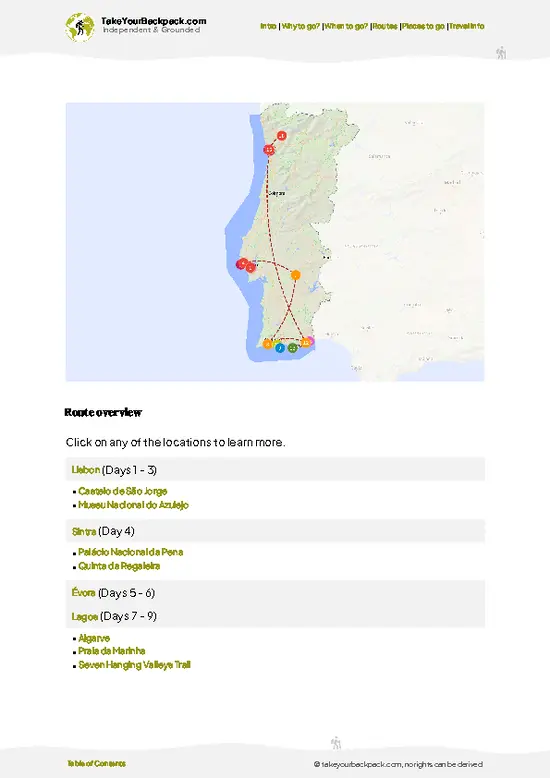
- Roman Temple (Templo Romano / Temple of Diana) — The iconic Roman remains set in a little square of columns and granite; great for imagining Évora as a Roman town and for unbeatable photos right in the historic centre.
- Évora Cathedral (Sé de Évora) — Massive mix of Romanesque and Gothic with a climbable roof/terrace that pays off with panoramic views over whitewashed rooftops and the surrounding Alentejo plain.
- Capela dos Ossos (Chapel of Bones) — A short, slightly creepy, deeply atmospheric experience: walls and pillars lined with human bones and a powerful reminder of mortality and baroque religiosity.
- Igreja de São Francisco — The church that contains the Chapel of Bones; its Gothic-Manueline architecture and the adjoining cloister are worth seeing on their own for sculpted details
- Roman Temple (Templo Romano / Temple of Diana) — The iconic Roman remains set in a little square of columns and granite; great for imagining Évora as a Roman town and for unbeatable photos right in the historic centre.
- Évora Cathedral (Sé de Évora) — Massive mix of Romanesque and Gothic with a climbable roof/terrace that pays off with panoramic views over whitewashed rooftops and the surrounding Alentejo plain.
- Capela dos Ossos (Chapel of Bones) — A short, slightly creepy, deeply atmospheric experience: walls and pillars lined with human bones and a powerful reminder of mortality and baroque religiosity.
- Igreja de São Francisco — The church that contains the Chapel of Bones; its Gothic-Manueline architecture and the adjoining cloister are worth seeing on their own for sculpted details and moodier interiors.
- Praça do Giraldo — Évora’s social heart: wide square, cafés, the Moorish-style fountain and a place to sit, watch locals, and feel how the city’s layers of history meet everyday life.
- Universidade de Évora (Colégio do Espírito Santo and cloisters) — One of Portugal’s oldest universities; its cloisters and historic college buildings give a real sense of student life across centuries and often host small exhibits and concerts.
- Museu de Évora — Housed in an old Jesuit college, the museum brings together local archaeology, medieval and baroque art, and artifacts that explain the region’s Roman and Moorish past.
- Aqueduto da Água de Prata — The town’s aqueduct stitches through streets and even through houses in places; walk alongside the arches for a different perspective on how Évora was supplied with water for centuries.
- City walls and gates (Muralhas and Portas) — Walk the old fortifications and poke through gates like Porta de Alconchel; the walls frame the medieval layout and give pleasant vantage points without leaving town.
- Palácio dos Duques de Cadaval — A real town palace with historic rooms, family collections and tilework; visiting gives a peek at aristocratic life in Évora across the centuries (check opening hours or tours).
Spotted a mistake or missing something? Contact us.

Évora Private Walking Tour with Cathedral & Chapel of Bones

Évora : Love at First Sight – Private Walking Tour with a Local

Half Day Megaliths Cromlech Tour from Evora by Archaeologists

Évora : Small-Group Cultural Walking Tour & Chapel of Bones

Évora Walking Tour

Evora: University, Cathedral & Bones Chapel — SkipLine + Wine

Évora Jewish Heritage: Inquisition & Memory — Private Tour

From Lisbon: Évora, Chapel of Bones, Monsaraz and Wine

Discover Évora : Essential Highlights with a Local Guide


 Best Backpacking
.jpg) Hi, I’m Johan (Netherlands 🇳🇱), the creator of TakeYourBackpack. Over the past 3 decades, I’ve backpacked through 90+ countries across six continents, gaining extensive experience with independent travel, long-term trips, and overland routes.
Hi, I’m Johan (Netherlands 🇳🇱), the creator of TakeYourBackpack. Over the past 3 decades, I’ve backpacked through 90+ countries across six continents, gaining extensive experience with independent travel, long-term trips, and overland routes.