×

Portugal🇵🇹 | townsBejamedieval tower, wheat fields, regional museum | things to do and best time to go

Explore EstremozExplore Vila do Conde

Backpacking in Beja
👌 Worth visitingtown ranked #23
By Johan Kruseman 🇳🇱 | Updated October 16, 2026

Your boots scrape on pale cobblestones still holding the afternoon heat, the air thick with dry grass, frying garlic, and that slow Alentejo silence that makes every sound feel louder. This is Beja, in Portugal’s inland Alentejo, south of Évora and far from any beach. It’s a mellow, slightly faded hill town: whitewashed lanes, a castle tower with big-sky views, old men in cafés, not much nightlife. For backpackers, Beja works best as a quiet pause between Lisbon/Évora and the Algarve, or as a base for renting a car to explore cork forests and tiny villages. Trains and buses connect reliably but not frequently; once here, you walk almost everywhere, with only occasional taxis needed. It’s cheaper and calmer than Évora, safer than it feels at first glance, and you’ll meet more locals than travelers, which is either the charm or the deal-breaker.

Discover everything you want to know in the 📖 Portugal Travel Guide.


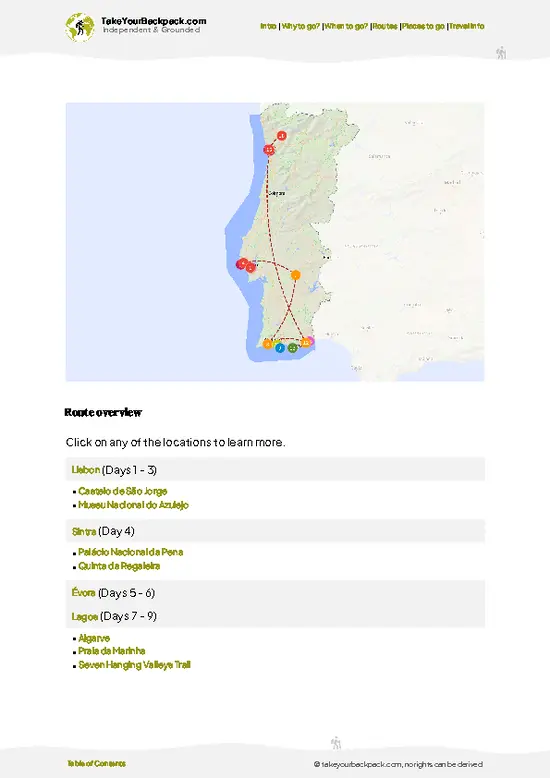
example page 0 from our offline Travel Guide for Portugal
example page 1 from our offline Travel Guide for Portugal
example page 2 from our offline Travel Guide for Portugal
example page 3 from our offline Travel Guide for Portugal
example page 4 from our offline Travel Guide for Portugal
example page 5 from our offline Travel Guide for Portugal
example page 6 from our offline Travel Guide for Portugal
example page 7 from our offline Travel Guide for Portugal
Loading the map 🌍
CLICK TO FILTER
cities
towns
villages
landmarks
national parks
hikes
beaches
attractions
festivals
regions
SHOW COUNTRY’S BESTSHOW ALL

✨ Why go?
Ranked #23 town in Portugal
What makes this town worth visiting

Backpackers flock to Beja for its strategic location along the Alentejo route, making it a perfect base for hikes in the surrounding hills or day trips to nearby beaches. The town’s walkable streets invite exploration, with small-scale hostels and guesthouses fostering a friendly atmosphere. You’ll find local eateries serving hearty dishes that reflect the region’s flavors. Travelers often linger a few days, soaking in the cultural vibe and connecting with fellow adventurers. It’s ideal for slow travelers and solo explorers seeking a blend of tranquility and community, rather than a bustling nightlife scene.

💡 HighlightsEssential experiences to have while visiting Beja

  • Castelo de Beja & Torre de Menagem — The town’s skyline-defining fortress and keep; climb the tower for one of the best bird’s-eye views over the flat Alentejo and to feel the medieval spine of the city.
  • Museu Regional de Beja — Local history, archaeology and art in a historic building; it’s where the city’s Roman, medieval and rural stories are gathered and explained without fuss.
  • Sé de Beja (Cathedral) — The cathedral’s sober exterior and atmospheric interior give a clear sense of Beja’s religious and civic importance over the centuries.
  • Igreja de Santo Amaro — A fine example of regional church art—look for richly tiled walls, carved wood and the quiet corners that reveal local devotion and crafts.
  • Igreja da Misericórdia — Notable for its historic façade and interior decorations; a
… read more 👉
  • Castelo de Beja & Torre de Menagem — The town’s skyline-defining fortress and keep; climb the tower for one of the best bird’s-eye views over the flat Alentejo and to feel the medieval spine of the city.
  • Museu Regional de Beja — Local history, archaeology and art in a historic building; it’s where the city’s Roman, medieval and rural stories are gathered and explained without fuss.
  • Sé de Beja (Cathedral) — The cathedral’s sober exterior and atmospheric interior give a clear sense of Beja’s religious and civic importance over the centuries.
  • Igreja de Santo Amaro — A fine example of regional church art—look for richly tiled walls, carved wood and the quiet corners that reveal local devotion and crafts.
  • Igreja da Misericórdia — Notable for its historic façade and interior decorations; a compact, photogenic stop that ties into Beja’s brotherhood and charity traditions.
  • Praça da República & Pelourinho — The city’s main square with its pillory, municipal buildings and cafés; great for people-watching and feeling how past power and present daily life meet here.
  • Teatro Pax Julia — A restored municipal theatre with a name that echoes Beja’s Roman past; catch a performance or just admire the architecture and cultural program that keeps the city lively.
  • Mercado Municipal de Beja — The town market where you can sample Alentejo cheeses, bread and charcuterie, meet vendors and get a real taste of local life beyond the tourist postcard.
  • Roman-era remains and archaeological displays (Pax Julia traces) — Scattered finds and museum displays in the city point to Beja’s Roman past; visiting these spots (and the museum sections that explain them) gives tangible context to the name Pax Julia.
  • Public gardens and riverside walks — Small green pockets and promenade areas inside the city that are perfect for slow afternoons, local picnics, and watching the light on Alentejo streets—simple, unhurried Beja.
A few easy day trips from Beja: the medieval riverside town of Mértola, the fortified town and plains around Serpa, and the UNESCO-rich city of Évora are all close enough for a full outing.
Spotted a mistake or missing something? Contact us.

Things to do near Beja

Ratings based on Tripadvisor reviews. When you book through this link, you support our work at no extra cost to you.

🏘️ NeighborhoodsHow different areas shape the experience

Beja, a charming town in Portugal, offers a blend of history and local life that’s perfect for backpackers seeking authenticity.

Centro Histórico: This is the heart of Beja, where cobblestone streets meet ancient architecture. It’s walkable and packed with cafes and shops. Perfect for short stays, you can soak in the local vibe without breaking the bank.

Alto da Guerra: A quieter residential area, ideal for longer stays. You’ll find local markets and parks, making it feel homey. Transport links are decent, but nightlife is minimal, so expect peaceful evenings.

Jardim Público: This area is great for relaxation. The park is a lovely spot to unwind, and nearby eateries offer affordable meals. It’s a short walk to the center, balancing tranquility with accessibility.

⌛️ 1 dayHow to make the most of one day

Beja, Portugal, is a town where history whispers through the cobblestone streets and the scent of grilled sardines fills the air. Start your morning at the Praça da República, where the sun spills golden light over the ancient castle walls. Grab a pastel de nata from a local bakery—its flaky crust and creamy custard are a must.

In the afternoon, wander through the winding streets of the historic center, stopping by the Museu Rainha Dona Leonor. This lesser-known gem showcases local art and artifacts, giving you a taste of Beja’s rich heritage without the crowds. The cool, quiet galleries offer a refreshing break from the heat.

As evening approaches, head to the Jardim Público. The soft rustle of leaves and the distant laughter of families create a warm atmosphere. Find a bench, soak in the … read more 👉
Beja, Portugal, is a town where history whispers through the cobblestone streets and the scent of grilled sardines fills the air. Start your morning at the Praça da República, where the sun spills golden light over the ancient castle walls. Grab a pastel de nata from a local bakery—its flaky crust and creamy custard are a must.

In the afternoon, wander through the winding streets of the historic center, stopping by the Museu Rainha Dona Leonor. This lesser-known gem showcases local art and artifacts, giving you a taste of Beja’s rich heritage without the crowds. The cool, quiet galleries offer a refreshing break from the heat.

As evening approaches, head to the Jardim Público. The soft rustle of leaves and the distant laughter of families create a warm atmosphere. Find a bench, soak in the sunset, and enjoy a glass of local wine. This is where the day’s hard work pays off, as you connect with the heart of Beja, a town that feels like a well-kept secret waiting to be discovered.

🌤️ When to go?Choosing the right time of year

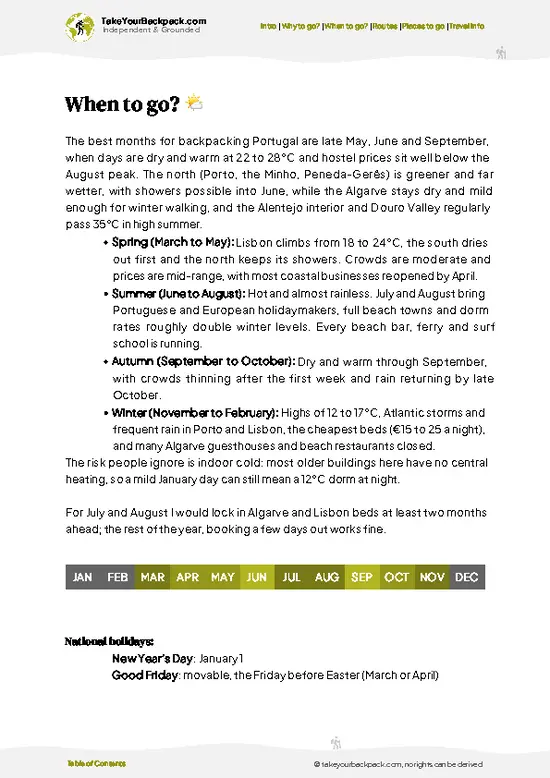
  • Weather: Spring (March to May) offers mild, dry days around 18-22°C (64-72°F), perfect for exploring without overheating or rain dampening your plans.
  • Temperature: Summers can scorch at 30-35°C (86-95°F), making midday hikes tough; winters dip to 8-12°C (46-54°F), chillier but manageable with layers.
  • Daylight Hours: Long spring and early summer days stretch to 14-15 hours, giving you more daylight to roam the cobbled streets and ruins.
  • Crowds: Tourist numbers swell in July and August, turning quiet plazas into busy spots; shoulder seasons keep the vibe relaxed and authentic.
  • Seasonal Activities: Spring brings local festivals and fresh markets, while autumn offers harvest events and fewer tourists, enriching your cultural immersion.
  • Price Fluctuations: Accommodation and transport costs
… read more 👉
  • Weather: Spring (March to May) offers mild, dry days around 18-22°C (64-72°F), perfect for exploring without overheating or rain dampening your plans.
  • Temperature: Summers can scorch at 30-35°C (86-95°F), making midday hikes tough; winters dip to 8-12°C (46-54°F), chillier but manageable with layers.
  • Daylight Hours: Long spring and early summer days stretch to 14-15 hours, giving you more daylight to roam the cobbled streets and ruins.
  • Crowds: Tourist numbers swell in July and August, turning quiet plazas into busy spots; shoulder seasons keep the vibe relaxed and authentic.
  • Seasonal Activities: Spring brings local festivals and fresh markets, while autumn offers harvest events and fewer tourists, enriching your cultural immersion.
  • Price Fluctuations: Accommodation and transport costs peak in summer; booking in spring or autumn scores better deals without sacrificing experience.
Pro-tip: Aim for late April or early October—pleasant temps, fewer crowds, and the scent of blossoming orange trees or ripe olives make every step feel earned.


source: climatestotravel.comJANJanuary: fair for travelingFEBFebruary: fair for travelingMARMarch: highly recommended for travelingAPRApril: excellent for travelingMAYMay: highly recommended for travelingJUNJune: good for travelingJULJuly: fair for travelingAUGAugust: fair for travelingSEPSeptember: highly recommended for travelingOCTOctober: excellent for travelingNOVNovember: good for travelingDECDecember: fair for traveling
when-to-go

✈️ The backpacker research shortcutPortugal Travel Guide

An offline-friendly backpacking guide with optimized travel routes, ranked highlights, transport advice, and the best areas to stay.
example page 0 from our offline Travel Guide for Portugal
example page 1 from our offline Travel Guide for Portugal
example page 2 from our offline Travel Guide for Portugal
example page 3 from our offline Travel Guide for Portugal
example page 4 from our offline Travel Guide for Portugal
example page 5 from our offline Travel Guide for Portugal
example page 6 from our offline Travel Guide for Portugal
example page 7 from our offline Travel Guide for Portugal
The digital guide (361 pages) contains:
✅ 87 highlights, ranked by travel appeal
✅ Optimized 5, 10 & 15-day travel routes
✅ Cities, national parks, landmarks, beaches
✅ How to get around
✅ Offline-friendly for travel without Wi-Fi
👉 Click to see all 30+ guide features

📅 Plan smarter in minutes, not weeks
✅ Month by month travel advice
✅ Festivals & national holidays
✅ Budget expectations

🗺️ Go to the right places, skip the overrated ones
✅ Honest pros & cons of destinations
✅ Top hikes, parks & viewpoints
✅ Lesser-known places most travelers miss
✅ Clear “worth it vs skip it” guidance

🛏️ Travel smoothly without rookie mistakes
✅ Best areas to stay
✅ Transport systems explained simply
✅ Common scams & safety advice
✅ SIM cards, money & practical tips

🌍 Understand the country, not just visit it
✅ Culture & traditions
✅ 52 Essential phrases & customs
✅ Festivals worth planning around
✅ Traveler-friendly historical context
✅ Insights that make places more meaningful

📱 Built for real travel conditions
✅ Fully downloadable PDF
✅ Works completely offline
✅ Optimized for phone use
✅ Useful in remote areas & buses
✅ Everything in one place
Stop searching, start planning
Get instant access to your full guide. 30‑day money-back guarantee.
+ Add another guide for just

By proceeding you agree to our terms.
Sent to your inbox immediately after payment • 100% Secure Checkout
Best Backpacking Travel Advisor 2025 tourism awardBest Backpacking
Travel Advisor
2025
What others say about Take Your Backpack Guides:
⭐⭐⭐⭐⭐
Fantastic, amazing amount of information!
⭐⭐⭐⭐⭐
My goodness this is amazing, it's what I've been looking for hats off too you!
⭐⭐⭐⭐⭐
I think this is absolutely BRILLIANT
⭐⭐⭐⭐
Very complete and informative. It's still missing places, but I gotta to commend you
⭐⭐⭐⭐⭐
This is truly amazing, thank you, can't wait to explore it with my kids!
⭐⭐⭐⭐⭐
Awesome resource, thank you!
⭐⭐⭐⭐⭐
This is amazing! Can't wait to explore the ones I haven't seen
⭐⭐⭐⭐
I love this! Well done, great idea.
⭐⭐⭐⭐⭐
Thanks for taking the time to make this gem!
⭐⭐⭐⭐⭐
This might be the best website I've ever seen.
⭐⭐⭐⭐⭐
Congratulations, and thank you so much for your work; it's incredibly valuable.
⭐⭐⭐⭐
In all seriousness I think you did a great job pointing out the important spots
⭐⭐⭐⭐⭐
10/10 very good
⭐⭐⭐⭐⭐
As someone who's only just starting to visit regularly this is awesome, thank you.
⭐⭐⭐⭐
Thank you very much! I'm going to visit my dad, it's going to be very useful!
⭐⭐⭐⭐⭐
This is really cool! We'll be travelling for the first time and this definitely come in handy.
⭐⭐⭐⭐⭐
You are now our minister of culture, congratulations 👨‍💼
⭐⭐⭐⭐⭐
Just wanted to tell you that this is a pearl! Going to follow your recommendations.
⭐⭐⭐⭐⭐
This is so cool. I'll definitely be using the resource for my travels soon.
⭐⭐⭐⭐⭐
This is very impressive! Good work.
⭐⭐⭐⭐⭐
This is an amazing and informative site. Very well done!

🛏️ Where to stay?Best areas to stay in Portugal

Beja’s heart for backpackers pulses strongest around the historic center. Here, narrow streets catch the golden afternoon light, and the scent of fresh bread drifts from corner bakeries. This area is compact, safe, and alive with locals and travelers alike, making it easy to strike up conversations over a cheap coffee or a shared table at a small tasca. Hostels cluster near the main square, offering a social vibe without the noise of nightlife-heavy districts. Compared to the quieter residential outskirts, staying here means you’re steps from Beja’s castle, museums, and lively markets—perfect … read more 👉
Beja’s heart for backpackers pulses strongest around the historic center. Here, narrow streets catch the golden afternoon light, and the scent of fresh bread drifts from corner bakeries. This area is compact, safe, and alive with locals and travelers alike, making it easy to strike up conversations over a cheap coffee or a shared table at a small tasca. Hostels cluster near the main square, offering a social vibe without the noise of nightlife-heavy districts. Compared to the quieter residential outskirts, staying here means you’re steps from Beja’s castle, museums, and lively markets—perfect for solo travelers craving both connection and authentic rhythm.

🚌 Getting aroundHow to get from A to B

Beja moves at a pace that feels like a slow, deliberate breath rather than a frantic rush. The town’s rhythm is shaped by the sun’s arc and the quiet hum of daily life—shops open mid-morning, locals linger over coffee, and the streets fill with the scent of fresh bread and earth. It’s not a place where you’ll find tight schedules or relentless timetables. Instead, you navigate by intuition and the gentle pulse of community routines. This relaxed flow means you get to savor the moments between destinations, but it also demands a bit of patience and flexibility if you want to move efficiently.
  • Walking: Beja’s compact center is best explored on foot. The cobblestone streets and low-rise buildings invite slow wandering, and most key sights are within a 20-minute stroll. No cost, just wear sturdy
… read more 👉
Beja moves at a pace that feels like a slow, deliberate breath rather than a frantic rush. The town’s rhythm is shaped by the sun’s arc and the quiet hum of daily life—shops open mid-morning, locals linger over coffee, and the streets fill with the scent of fresh bread and earth. It’s not a place where you’ll find tight schedules or relentless timetables. Instead, you navigate by intuition and the gentle pulse of community routines. This relaxed flow means you get to savor the moments between destinations, but it also demands a bit of patience and flexibility if you want to move efficiently.
  • Walking: Beja’s compact center is best explored on foot. The cobblestone streets and low-rise buildings invite slow wandering, and most key sights are within a 20-minute stroll. No cost, just wear sturdy shoes for uneven surfaces.
  • Local Bus: The town’s bus service runs from around 7:00 AM to 8:00 PM, with tickets costing under €2. It’s slow but reliable for reaching neighborhoods outside the center, though expect infrequent departures and a casual timetable.
  • Taxi: Taxis are available but not abundant; flagging one down on the street can be hit or miss. Metered rides start at about €3, making them a practical choice for short hops when time is tight or after dark.
  • Bicycle Rental: Renting a bike is a smart move for covering more ground without losing the town’s intimate feel. Rentals run about €10 per day, and the flat terrain makes pedaling easy, though watch for occasional traffic on narrow streets.

👛 Costs (as of 16 October 2026)What things cost and how to budget

Backpacking in Beja, Portugal, offers a quiet, authentic slice of Alentejo life without the tourist crowds, and your daily costs reflect that calm pace.
  • Dorm Accommodation: Expect to pay around €15-€25 per night for a bed in a basic hostel dorm. Beja’s options are limited but comfortable, often in converted historic buildings with thick stone walls that keep the summer heat at bay.
  • Meals: Local cafes and tascas serve hearty, simple meals for about €6-€10. A typical lunch might be a plate of açorda (bread soup with garlic and coriander) or pork with clams, filling and flavorful without fuss. For snacks or pastries, budget around €1-€3.
  • Local Transport: Beja is compact enough to explore mostly on foot, but if you need a bus, a single ticket costs about €1.50. Taxis start around €3.50 for
… read more 👉
Backpacking in Beja, Portugal, offers a quiet, authentic slice of Alentejo life without the tourist crowds, and your daily costs reflect that calm pace.
  • Dorm Accommodation: Expect to pay around €15-€25 per night for a bed in a basic hostel dorm. Beja’s options are limited but comfortable, often in converted historic buildings with thick stone walls that keep the summer heat at bay.
  • Meals: Local cafes and tascas serve hearty, simple meals for about €6-€10. A typical lunch might be a plate of açorda (bread soup with garlic and coriander) or pork with clams, filling and flavorful without fuss. For snacks or pastries, budget around €1-€3.
  • Local Transport: Beja is compact enough to explore mostly on foot, but if you need a bus, a single ticket costs about €1.50. Taxis start around €3.50 for short rides, but walking is the best way to soak in the quiet streets and the scent of eucalyptus.
  • Basic Activities/Entry Fees: Museums and historical sites like the Regional Museum or the Castle tower charge modest entry fees, usually between €2-€5. These spots offer a deep dive into the region’s layered history without breaking the bank.
  • Miscellaneous Expenses: Budget around €3-€5 for essentials like bottled water, coffee, or a local SIM card top-up. Small markets and shops keep prices reasonable, but don’t expect the hustle of bigger cities.

All told, you’re looking at roughly €30-€50 per day to live comfortably in Beja as a backpacker. It’s a place where the slower rhythm means your money stretches further, and the quiet streets invite you to linger over every detail—from the cracked cobblestones to the distant church bells.


source: visitportugal.com
⚠️ Prices can change and everyone travels differently, so take this as a rough guide. Hope it helps you plan your adventure!

🚌 Day tripsShort trips worth adding

Beja is a fantastic base for exploring the heart of Alentejo, where history and nature intertwine seamlessly.

Évora
Just an hour away, Évora is a UNESCO World Heritage site that feels like stepping into a time capsule. The Roman Temple and the eerie Chapel of Bones are must-sees, but don’t rush. Wander the cobblestone streets, savoring the scent of grilled sardines wafting from local eateries. A round-trip train ticket costs around €10, making it a budget-friendly adventure. Spring and fall are ideal for mild weather and fewer crowds, but avoid the mistake of only visiting the main attractions; the hidden plazas and local shops are where the real charm lies.
👉 Explore Évora

Serpa
About 40 minutes by bus, Serpa is a quaint town known for its impressive castle and traditional cheese. The … read more 👉
Beja is a fantastic base for exploring the heart of Alentejo, where history and nature intertwine seamlessly.

Évora
Just an hour away, Évora is a UNESCO World Heritage site that feels like stepping into a time capsule. The Roman Temple and the eerie Chapel of Bones are must-sees, but don’t rush. Wander the cobblestone streets, savoring the scent of grilled sardines wafting from local eateries. A round-trip train ticket costs around €10, making it a budget-friendly adventure. Spring and fall are ideal for mild weather and fewer crowds, but avoid the mistake of only visiting the main attractions; the hidden plazas and local shops are where the real charm lies.
👉 Explore Évora

Serpa
About 40 minutes by bus, Serpa is a quaint town known for its impressive castle and traditional cheese. The bus fare is roughly €5. Spend your day exploring the ancient walls and sampling local delicacies at the market. The best time to visit is during the summer when the town comes alive with festivals. A common rookie error is underestimating the time needed to enjoy the local cuisine; plan to linger over a meal.


Castelo de Beja
Right in Beja, this castle offers stunning views of the surrounding plains. It’s a quick walk from the town center, making it perfect for a leisurely afternoon. Entry is usually free, so you can soak in the history without spending a dime. Early mornings or late afternoons are best for soft light and fewer visitors. Many overlook this gem, but it’s a fantastic way to connect with the local heritage without the hassle of travel.

🛡️ SafetyTraveler Safety Guide

Beja is generally safe, but like any town, it has its quirks. Stay aware in crowded markets; pickpockets can be sneaky. If you’re solo, stick to well-lit streets after dark. The atmosphere shifts, and it’s best to blend in with locals rather than stand out.

Watch for overly friendly strangers offering unsolicited help; they might have an agenda. Carry your belongings close and keep your phone handy for navigation. A confident demeanor goes a long way in avoiding unwanted attention. Enjoy the charm, but stay savvy.

FAQCommon questions from travelers

Yes, Beja is worth visiting for its rich history and well-preserved medieval architecture, including the 13th-century castle and the Regional Museum. It offers a quieter, authentic experience of Alentejo culture beyond typical tourist routes.
Two days are sufficient to explore Beja thoroughly, allowing time to visit the castle, museums, and local markets, as well as enjoy the nearby countryside. This duration also lets you experience local cuisine and relax without rushing.
Yes, Beja can be visited as a day trip from nearby cities like Évora, which is about 90 kilometers away. The journey takes roughly 1.5 hours by car or bus, making it feasible to explore the main sights within a day.
⚠️ Things can change over time, so always validate details locally before you go.

Other Portuguese towns near Beja

Explore more nearby:

  • Mértola—riverside citadel, Islamic heritage, whitewashed lanes| 45 km away
  • Évora—Roman temple, whitewashed lanes, university town| 62 km away
  • Santiago do Cacém—Roman ruins, castle ruins, cork forests| 73 km away

💡 Not sure where to go next?
Create a personalized itinerary for Portugal including Beja and the places that fit your trip.

Generate my itinerary

👉 Discover all towns

Or checkout all Portugal has to offer (think cities, towns, villages, national parks, hikes, beaches, festivals)
Country photo of Portugal

We 💚 feedbackIs it worth it?

Beja’s charm lies in its rich history, where ancient walls whisper stories and the scent of grilled sardines fills the air. But be ready for the heat—summers can be sweltering. Embrace the slow pace, and you’ll find the magic in every sun-soaked corner.

✈️ When did I visit Portugal?
Portugal is a lovely country in Europe. Have been multiple times in the south as well as Lissabon and Porto.

✍️ Help improve this page!
The information on this page is based on my own backpacking experience in Portugal, supplemented with up-to-date research and feedback from other travelers. Travel details can change, so if you notice anything outdated or incomplete, feel free to let me know.


🙋‍♂️ Give feedback

👋 Meet the founderWho’s Behind Take Your Backpack?

Johan, backpacker and founder of TakeYourBackpackHi, I’m Johan (Netherlands 🇳🇱), the creator of TakeYourBackpack. Over the past 3 decades, I’ve backpacked through 90+ countries across six continents, gaining extensive experience with independent travel, long-term trips, and overland routes.

This site is built on a combination of firsthand travel experience and carefully curated insights from other backpackers. Many guides are based on places I’ve personally visited, while others bring together tips, observations, and practical advice shared by trusted travelers I’ve met along the way.

The goal is to provide realistic, experience-driven guidance — not generic itineraries — so you can explore destinations with better context, clearer expectations, and more confidence.