v2.webp)
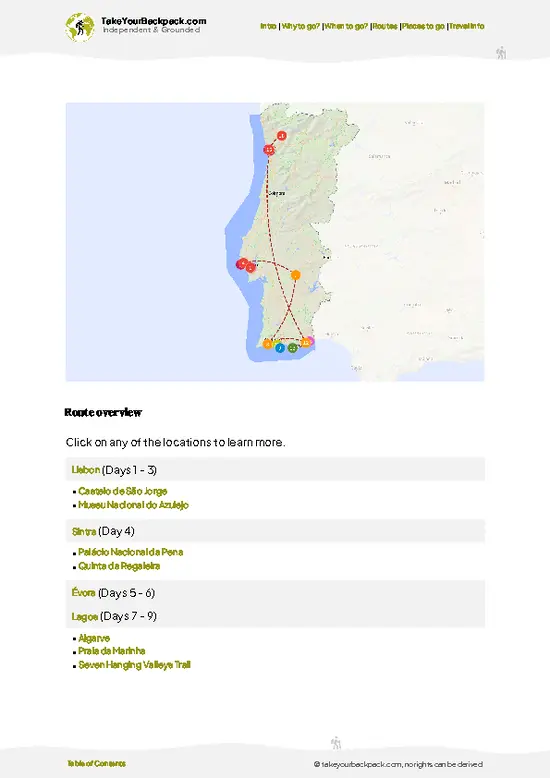
The Chimneys (The Kitchen)
Let’s get real: you’re not coming to Sintra to stare at another velvet-rope throne room. You’re here for the kitchen. Yes, the kitchen. Those two white, conical chimneys poking out of the palace roof aren’t just architectural quirks—they’re the original industrial exhausts for a medieval mega-kitchen. Step inside and you’ll see a space built to feed a royal court, with ceilings so high you could lose a falcon in there. The scale is absurd, the tilework is pure Portuguese, and the sense of history is thick as the smell of roasting game must have been. It’s the most honest room in the palace, and it’s my personal favorite—because it’s where the real work happened, not just the royal posturing.
The Swan Room (Sala dos Cisnes)
Forget the endless parade of “opulent” … read more 👉
Let’s get real: you’re not coming to Sintra to stare at another velvet-rope throne room. You’re here for the kitchen. Yes, the kitchen. Those two white, conical chimneys poking out of the palace roof aren’t just architectural quirks—they’re the original industrial exhausts for a medieval mega-kitchen. Step inside and you’ll see a space built to feed a royal court, with ceilings so high you could lose a falcon in there. The scale is absurd, the tilework is pure Portuguese, and the sense of history is thick as the smell of roasting game must have been. It’s the most honest room in the palace, and it’s my personal favorite—because it’s where the real work happened, not just the royal posturing.
The Swan Room (Sala dos Cisnes)
Forget the endless parade of “opulent” … read more 👉
The Chimneys (The Kitchen)
Let’s get real: you’re not coming to Sintra to stare at another velvet-rope throne room. You’re here for the kitchen. Yes, the kitchen. Those two white, conical chimneys poking out of the palace roof aren’t just architectural quirks—they’re the original industrial exhausts for a medieval mega-kitchen. Step inside and you’ll see a space built to feed a royal court, with ceilings so high you could lose a falcon in there. The scale is absurd, the tilework is pure Portuguese, and the sense of history is thick as the smell of roasting game must have been. It’s the most honest room in the palace, and it’s my personal favorite—because it’s where the real work happened, not just the royal posturing.
The Swan Room (Sala dos Cisnes)
Forget the endless parade of “opulent” ballrooms you’ve seen elsewhere. The Swan Room is a riot of painted birds, each one with its own personality, gliding across the wooden ceiling. It’s whimsical, a little weird, and totally unpretentious. This was where the queen and her ladies hung out, and you can feel the difference: it’s less about impressing foreign dignitaries and more about actual living. The swans aren’t just pretty—they’re a flex, a symbol of loyalty and grace, but also a reminder that this palace was a home, not just a showpiece.
The Magpie Room (Sala das Pegas)
Here’s where the palace gets gossipy. The ceiling is covered in magpies, each with a banner in its beak reading “Por Bem” (“For Good”). Legend says the king was caught flirting with a lady-in-waiting, and to hush the court’s chatter, he had magpies painted for every court lady. It’s a rare moment of royal self-awareness, immortalized in wood and paint. The room is both a confession and a joke, and it’s a reminder that even in a palace, people are people—petty, clever, and occasionally caught out.
The Arab Room (Sala dos Árabes)
This is where Sintra’s Moorish roots punch through the later layers of Portuguese grandeur. The geometric tiles, the horseshoe arches, the cool hush of the space—it’s a time capsule from the era before Portugal was even Portugal. Stand here and you feel the centuries stack up. It’s not flashy, but it’s the soul of the building, and a sharp contrast to the Renaissance and Gothic flourishes elsewhere.
The Stag Room (Sala dos Brasões)
If you want spectacle, this is your stop. The domed ceiling is a heraldic fever dream, covered in the coats of arms of Portugal’s noble families, with antlered stags leaping between them. It’s a power move in wood and paint, a medieval LinkedIn flex. But it’s also visually wild—there’s nothing subtle about it, and that’s the point. It’s the palace saying, “We run this country, and don’t you forget it.”
Let’s get real: you’re not coming to Sintra to stare at another velvet-rope throne room. You’re here for the kitchen. Yes, the kitchen. Those two white, conical chimneys poking out of the palace roof aren’t just architectural quirks—they’re the original industrial exhausts for a medieval mega-kitchen. Step inside and you’ll see a space built to feed a royal court, with ceilings so high you could lose a falcon in there. The scale is absurd, the tilework is pure Portuguese, and the sense of history is thick as the smell of roasting game must have been. It’s the most honest room in the palace, and it’s my personal favorite—because it’s where the real work happened, not just the royal posturing.
The Swan Room (Sala dos Cisnes)
Forget the endless parade of “opulent” ballrooms you’ve seen elsewhere. The Swan Room is a riot of painted birds, each one with its own personality, gliding across the wooden ceiling. It’s whimsical, a little weird, and totally unpretentious. This was where the queen and her ladies hung out, and you can feel the difference: it’s less about impressing foreign dignitaries and more about actual living. The swans aren’t just pretty—they’re a flex, a symbol of loyalty and grace, but also a reminder that this palace was a home, not just a showpiece.
The Magpie Room (Sala das Pegas)
Here’s where the palace gets gossipy. The ceiling is covered in magpies, each with a banner in its beak reading “Por Bem” (“For Good”). Legend says the king was caught flirting with a lady-in-waiting, and to hush the court’s chatter, he had magpies painted for every court lady. It’s a rare moment of royal self-awareness, immortalized in wood and paint. The room is both a confession and a joke, and it’s a reminder that even in a palace, people are people—petty, clever, and occasionally caught out.
The Arab Room (Sala dos Árabes)
This is where Sintra’s Moorish roots punch through the later layers of Portuguese grandeur. The geometric tiles, the horseshoe arches, the cool hush of the space—it’s a time capsule from the era before Portugal was even Portugal. Stand here and you feel the centuries stack up. It’s not flashy, but it’s the soul of the building, and a sharp contrast to the Renaissance and Gothic flourishes elsewhere.
The Stag Room (Sala dos Brasões)
If you want spectacle, this is your stop. The domed ceiling is a heraldic fever dream, covered in the coats of arms of Portugal’s noble families, with antlered stags leaping between them. It’s a power move in wood and paint, a medieval LinkedIn flex. But it’s also visually wild—there’s nothing subtle about it, and that’s the point. It’s the palace saying, “We run this country, and don’t you forget it.”
Spotted a mistake or missing something? Contact us.

Private Sintra Tour from Lisbon: Pena Palace, Cabo Roca & Cascais

Private Sintra Tuk Tuk-Mountain, Palaces & Dream Beaches-Antonio

Sintra, Roca and Cascais Full-Day Private Tour with Pena Tickets

4x4 Tours in Portuguese Classic Jeeps (UMM) around Sintra

Tour Sintra from Lisbon

Private Adventure Tuk-Tuk,Sintra and Cascais, full day

Sintra Electric Tuk Tuk Tour with Local Expert Guides 2h30

Sintra & Cascais e-bike Guided Tour

Sintra & Cascais Private Tour


 Best Backpacking
.jpg) Hi, I’m Johan (Netherlands 🇳🇱), the creator of TakeYourBackpack. Over the past 3 decades, I’ve backpacked through 90+ countries across six continents, gaining extensive experience with independent travel, long-term trips, and overland routes.
Hi, I’m Johan (Netherlands 🇳🇱), the creator of TakeYourBackpack. Over the past 3 decades, I’ve backpacked through 90+ countries across six continents, gaining extensive experience with independent travel, long-term trips, and overland routes.