How many attractions to plan: Plan
one or two major attractions a day, and no more than about 10 to 14 paid entries over a two-week trip. Portuguese sights reward unhurried visits, and the steep hills and midday sun drain energy. Rushing five stops a day mostly means five queues. Leave open hours for a tram ride, a café stop with a
pastel de nata still warm from the oven, or a stroll along a river promenade.
Matching attractions to your travel style: History fans should concentrate on monasteries, castles and palaces, which are the country's densest and best-preserved category. Budget travelers and walkers do better with
free or cheap outdoor experiences: viewpoints (miradouros), old quarters, beaches, coastal trails such as the Rota Vicentina, and church interiors that cost little or nothing. …
read more 👉 How many attractions to plan: Plan one or two major attractions a day, and no more than about 10 to 14 paid entries over a two-week trip. Portuguese sights reward unhurried visits, and the steep hills and midday sun drain energy. Rushing five stops a day mostly means five queues. Leave open hours for a tram ride, a café stop with a pastel de nata still warm from the oven, or a stroll along a river promenade.
Matching attractions to your travel style: History fans should concentrate on monasteries, castles and palaces, which are the country's densest and best-preserved category. Budget travelers and walkers do better with free or cheap outdoor experiences: viewpoints (miradouros), old quarters, beaches, coastal trails such as the Rota Vicentina, and church interiors that cost little or nothing. Food and wine lovers should give the Douro and Alentejo real time, since the tastings are the attraction. If you hate crowds, skip the headline palaces at midday and choose smaller towns, where you may share a granite square with only a few locals.
What it costs: A realistic backpacker budget is €45 to 75 a day including a hostel dorm bed (€20 to 40 in Lisbon or Porto in season), meals and local transport. Set aside €10 to 25 a day for attractions. Major monuments typically charge about €6 to 20 each, and the busiest palaces in Sintra cost around €10 to 20 apiece. Many museums and monuments offer free entry on the first Sunday of the month for residents and sometimes for all visitors, and students and under-30s often get discounts, so carry ID. Guided tours run roughly €15 to 40 for a few hours, wine tastings at quintas about €10 to 30, and a day return by train to Sintra costs a few euros. Booking timed tickets online can save an hour in the sun during high season.
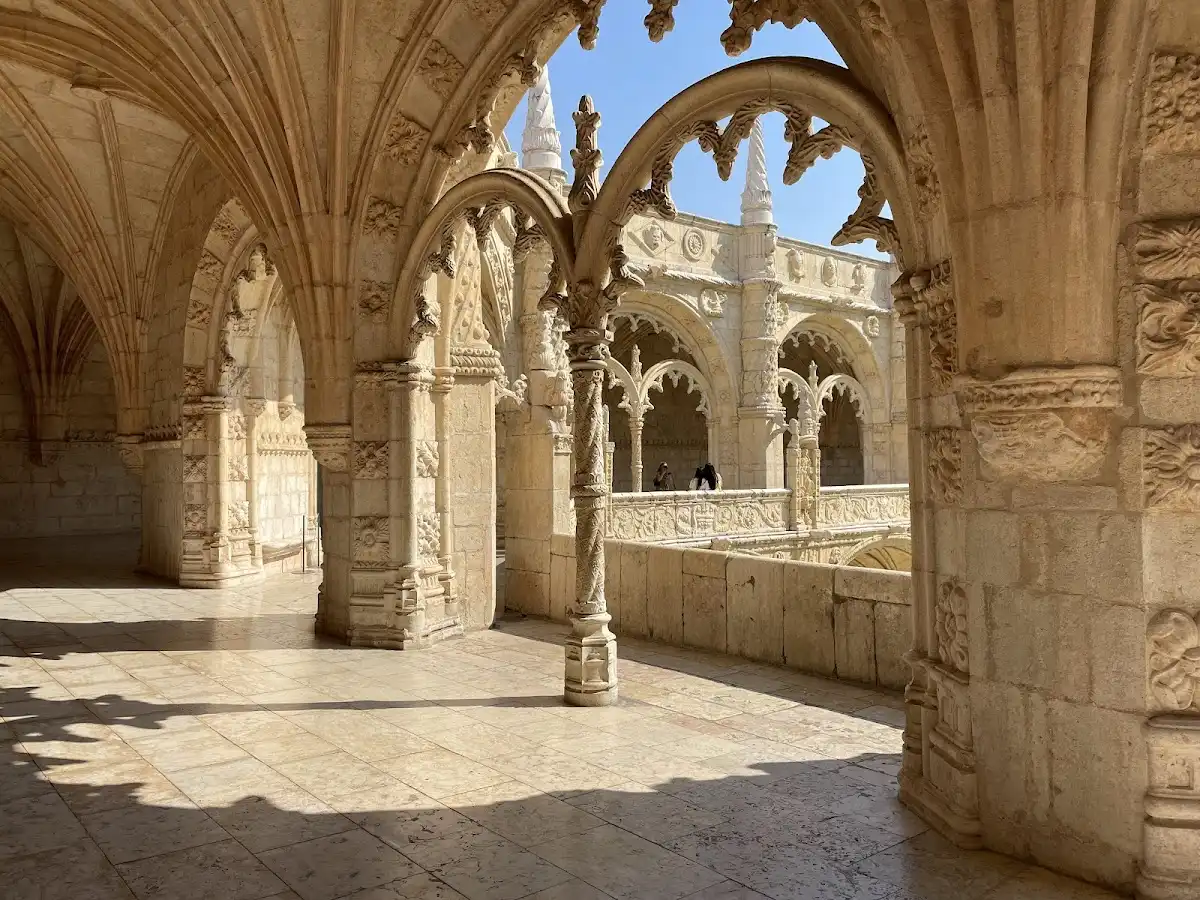
Safety and etiquette: Portugal is among Europe's safest countries, and violent crime against visitors is rare. Pickpocketing is the main concern on crowded trams, at viewpoints and in queues, so keep bags zipped in front. Polished limestone pavements and worn steps are slippery when wet, so wear shoes with grip. Cover shoulders and knees in active churches and monasteries, keep your voice low during services, and avoid flash photography. Cliff edges on the coast often lack railings, and strong Atlantic waves sweep people off rocks, so stay back and obey flag colors on beaches. Many sights shut for a long lunch or on Mondays, and in summer carry at least 1.5 liters of water.





 Best Backpacking
 Hi, I’m Johan (Netherlands 🇳🇱), the creator of TakeYourBackpack. Over the past 3 decades, I’ve backpacked through 90+ countries across six continents, gaining extensive experience with independent travel, long-term trips, and overland routes.