
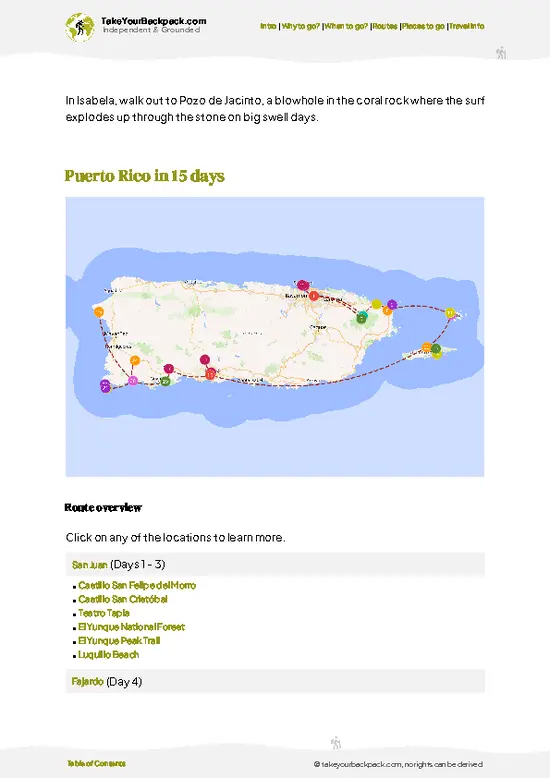
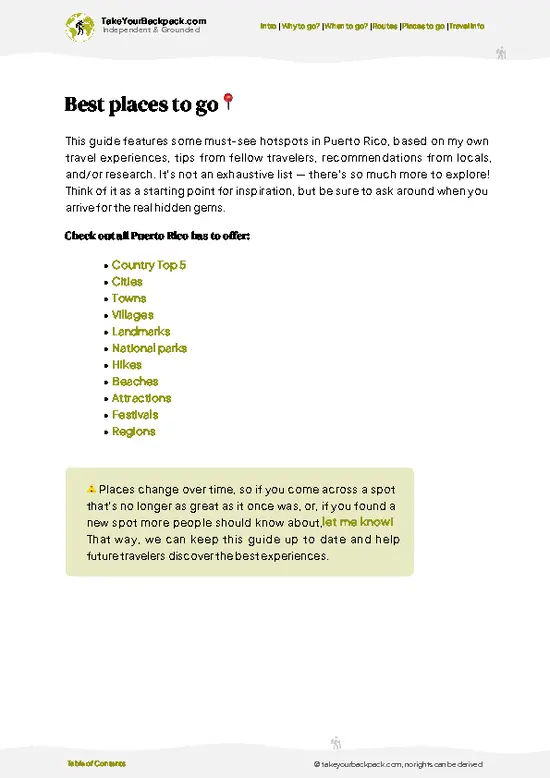
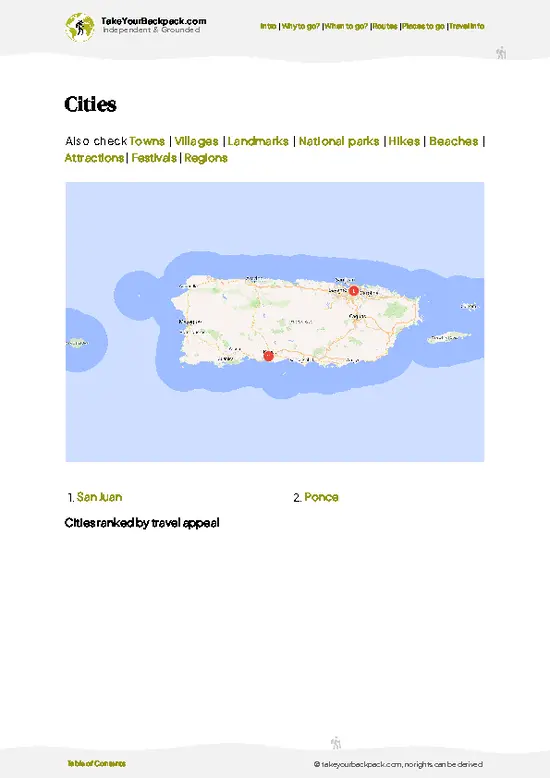
The Water-Powered Coffee Mill in Action
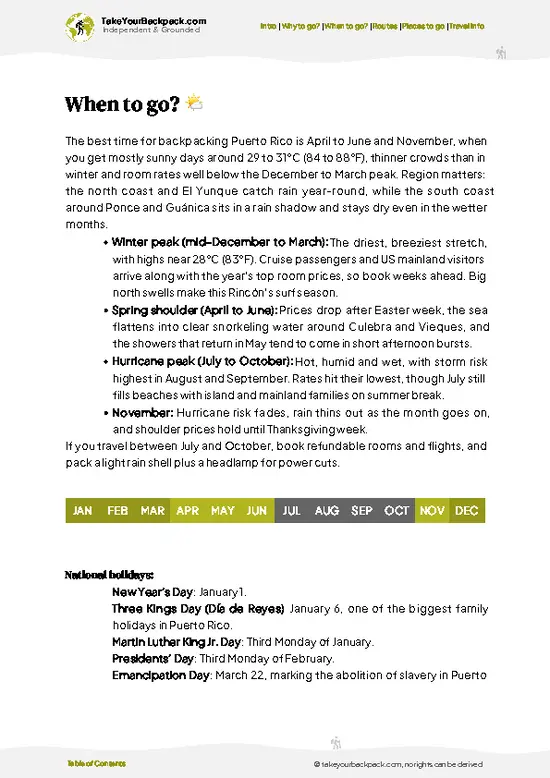
Forget the Instagram shots of a crumbling hacienda—this is the real show. Hacienda Buena Vista’s 19th-century coffee mill is a living machine, not a museum prop. You’ll see the original hydraulic turbine (imported from New York in 1853, if you’re counting) still cranking away, powered by a hand-built aqueduct that diverts a mountain stream. The sound is thunderous, the gears are massive, and the smell of ground coffee is as honest as it gets. This is industrial history you can feel in your bones, not just read on a plaque.
The Aqueduct Trail and Waterfall
Most people miss this: the aqueduct isn’t just a backdrop, it’s a feat of Puerto Rican engineering. Follow the stone-lined channel up the hill and you’ll find a waterfall that’s more than a photo op—it’s … read more 👉
Forget the Instagram shots of a crumbling hacienda—this is the real show. Hacienda Buena Vista’s 19th-century coffee mill is a living machine, not a museum prop. You’ll see the original hydraulic turbine (imported from New York in 1853, if you’re counting) still cranking away, powered by a hand-built aqueduct that diverts a mountain stream. The sound is thunderous, the gears are massive, and the smell of ground coffee is as honest as it gets. This is industrial history you can feel in your bones, not just read on a plaque.
The Aqueduct Trail and Waterfall
Most people miss this: the aqueduct isn’t just a backdrop, it’s a feat of Puerto Rican engineering. Follow the stone-lined channel up the hill and you’ll find a waterfall that’s more than a photo op—it’s … read more 👉
The Water-Powered Coffee Mill in Action
Forget the Instagram shots of a crumbling hacienda—this is the real show. Hacienda Buena Vista’s 19th-century coffee mill is a living machine, not a museum prop. You’ll see the original hydraulic turbine (imported from New York in 1853, if you’re counting) still cranking away, powered by a hand-built aqueduct that diverts a mountain stream. The sound is thunderous, the gears are massive, and the smell of ground coffee is as honest as it gets. This is industrial history you can feel in your bones, not just read on a plaque.
The Aqueduct Trail and Waterfall
Most people miss this: the aqueduct isn’t just a backdrop, it’s a feat of Puerto Rican engineering. Follow the stone-lined channel up the hill and you’ll find a waterfall that’s more than a photo op—it’s the reason this place exists. The cool mist and the roar of water are a full-body reset after the sticky heat of Ponce. If you want a break from the crowds, this is where you’ll find it. No filters needed.
Hands-On Coffee Roasting
You don’t just watch someone roast beans—you get to do it yourself. The guides here are actual coffee nerds, not bored part-timers. They’ll walk you through the process, from raw green beans to the first crackle of roasting, and you’ll taste the difference between supermarket coffee and the real deal. It’s messy, it’s hot, and it’s the best way to understand why Puerto Rican coffee was once the toast of Europe.
The Hacienda House Tour
This isn’t a velvet-rope, look-but-don’t-touch kind of tour. The main house is preserved with just enough rough edges to feel authentic. You’ll see the original family’s furniture, kitchen gadgets, and even their old-school coffee grinders. The guides don’t sugarcoat the history—there’s talk of the enslaved labor that built the place and the boom-and-bust cycles of coffee. It’s a crash course in Puerto Rican resilience, not a sanitized fairy tale.
Birdwatching in the Shade-Grown Groves
If you’re expecting a manicured garden, you’re in the wrong place. The coffee is grown under a tangled canopy of native trees, which means the birdlife is wild and loud. Bring binoculars if you have them, but even without, you’ll spot Puerto Rican woodpeckers and todies darting through the branches. This is what sustainable agriculture looks like—messy, alive, and buzzing with energy.
Fresh Chocolate Tasting (Seasonal)
If you hit the right season, you’ll get to taste chocolate made from cacao grown right on the property. It’s gritty, earthy, and nothing like the candy-bar stuff. The staff will show you how the beans are fermented, dried, and ground—sometimes right in front of you. It’s a rare, hands-on look at Puerto Rico’s lesser-known chocolate tradition, and it’s worth the sticky fingers.
Forget the Instagram shots of a crumbling hacienda—this is the real show. Hacienda Buena Vista’s 19th-century coffee mill is a living machine, not a museum prop. You’ll see the original hydraulic turbine (imported from New York in 1853, if you’re counting) still cranking away, powered by a hand-built aqueduct that diverts a mountain stream. The sound is thunderous, the gears are massive, and the smell of ground coffee is as honest as it gets. This is industrial history you can feel in your bones, not just read on a plaque.
The Aqueduct Trail and Waterfall
Most people miss this: the aqueduct isn’t just a backdrop, it’s a feat of Puerto Rican engineering. Follow the stone-lined channel up the hill and you’ll find a waterfall that’s more than a photo op—it’s the reason this place exists. The cool mist and the roar of water are a full-body reset after the sticky heat of Ponce. If you want a break from the crowds, this is where you’ll find it. No filters needed.
Hands-On Coffee Roasting
You don’t just watch someone roast beans—you get to do it yourself. The guides here are actual coffee nerds, not bored part-timers. They’ll walk you through the process, from raw green beans to the first crackle of roasting, and you’ll taste the difference between supermarket coffee and the real deal. It’s messy, it’s hot, and it’s the best way to understand why Puerto Rican coffee was once the toast of Europe.
The Hacienda House Tour
This isn’t a velvet-rope, look-but-don’t-touch kind of tour. The main house is preserved with just enough rough edges to feel authentic. You’ll see the original family’s furniture, kitchen gadgets, and even their old-school coffee grinders. The guides don’t sugarcoat the history—there’s talk of the enslaved labor that built the place and the boom-and-bust cycles of coffee. It’s a crash course in Puerto Rican resilience, not a sanitized fairy tale.
Birdwatching in the Shade-Grown Groves
If you’re expecting a manicured garden, you’re in the wrong place. The coffee is grown under a tangled canopy of native trees, which means the birdlife is wild and loud. Bring binoculars if you have them, but even without, you’ll spot Puerto Rican woodpeckers and todies darting through the branches. This is what sustainable agriculture looks like—messy, alive, and buzzing with energy.
Fresh Chocolate Tasting (Seasonal)
If you hit the right season, you’ll get to taste chocolate made from cacao grown right on the property. It’s gritty, earthy, and nothing like the candy-bar stuff. The staff will show you how the beans are fermented, dried, and ground—sometimes right in front of you. It’s a rare, hands-on look at Puerto Rico’s lesser-known chocolate tradition, and it’s worth the sticky fingers.
Spotted a mistake or missing something? Contact us.
v2.webp)


Best Backpacking
Hi, I’m Johan (Netherlands 🇳🇱), the creator of TakeYourBackpack. Over the past decade, I’ve backpacked through 80+ countries across six continents, gaining extensive experience with independent travel, long-term trips, and overland routes.