v2.webp)
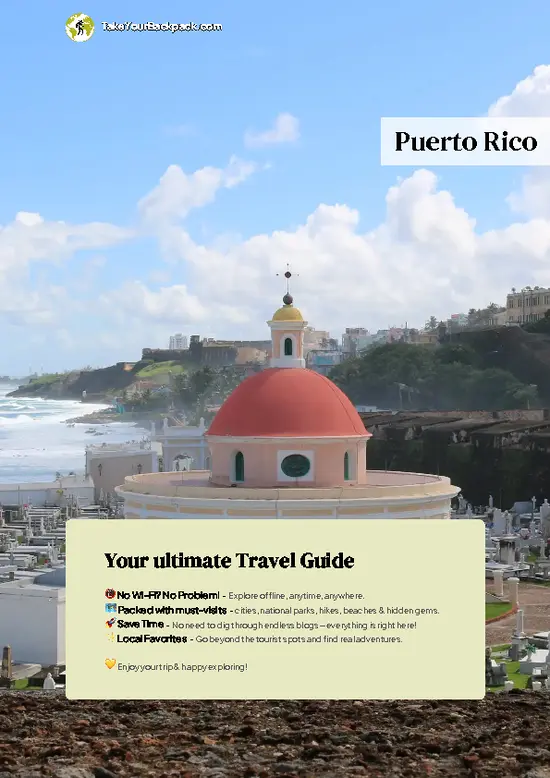
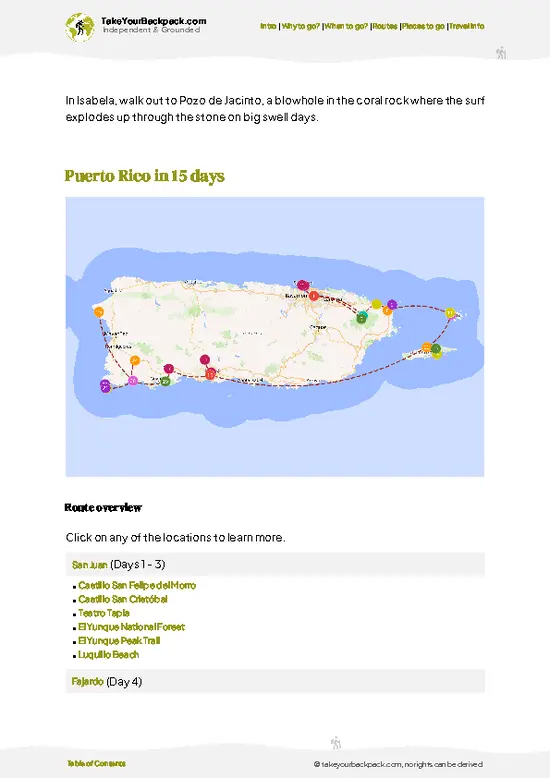
- Porta Coeli Chapel: A 17th-century Dominican chapel on a hill above Plaza Santo Domingo, one of the oldest churches in the Americas. It now holds a small religious art museum. Go in the morning for soft light. Entry is about US$3 to 5 and a visit takes 45 minutes.
- Plaza Santo Domingo: The shaded main square, with benches, old trees and Spanish-era buildings around it. Late afternoon is best, when locals gather. Free, allow 30 to 60 minutes.
- Parroquia San Germán de Auxerre: The grand parish church on Plaza Francisco Mariano Quiñones, with a colonial facade. Visit outside Mass times. Free, 20 to 30 minutes.
- Plaza Francisco Mariano Quiñones: The second square, lined with pastel colonial houses and balconies. Walk it around sunset. Free, about 30 minutes.
- Casa Morales: A well-preserved historic house
- Porta Coeli Chapel: A 17th-century Dominican chapel on a hill above Plaza Santo Domingo, one of the oldest churches in the Americas. It now holds a small religious art museum. Go in the morning for soft light. Entry is about US$3 to 5 and a visit takes 45 minutes.
- Plaza Santo Domingo: The shaded main square, with benches, old trees and Spanish-era buildings around it. Late afternoon is best, when locals gather. Free, allow 30 to 60 minutes.
- Parroquia San Germán de Auxerre: The grand parish church on Plaza Francisco Mariano Quiñones, with a colonial facade. Visit outside Mass times. Free, 20 to 30 minutes.
- Plaza Francisco Mariano Quiñones: The second square, lined with pastel colonial houses and balconies. Walk it around sunset. Free, about 30 minutes.
- Casa Morales: A well-preserved historic house in the old center, good for seeing the local architecture up close. Hours vary, so check at the plaza first. Plan on 20 to 30 minutes from outside.
Spotted a mistake or missing something? Contact us.

Rincon Snorkeling Adventure

Snorkeling Adventure in Aguadilla

The Parguera Los Cayos & Sandbars Water Bike Tour
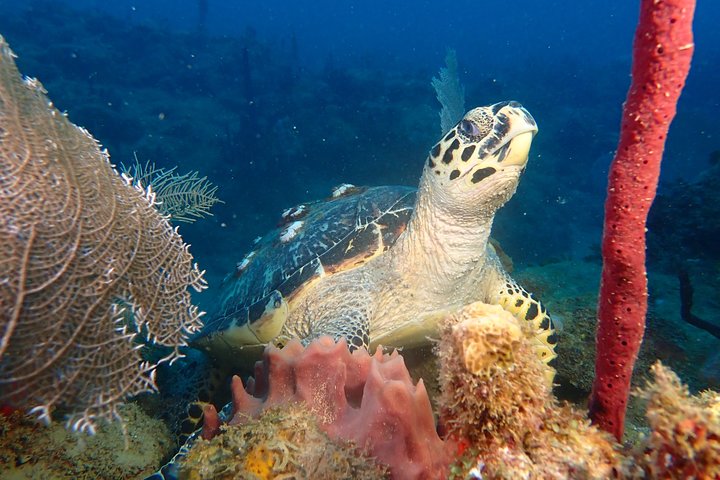
Experience Scuba Diving / NO certification Needed

Coral Reef Snorkel Adventure with Photos and Videos

Guided Coral Reef Snorkeling Tour

Discover Scuba in Rincon | Expert Guides, Small Groups

Horseback Ride by the Beach in Isabela, Puerto Rico

Sightseeing Hop-On Hop-Off Tour in West of Puerto Rico


 Best Backpacking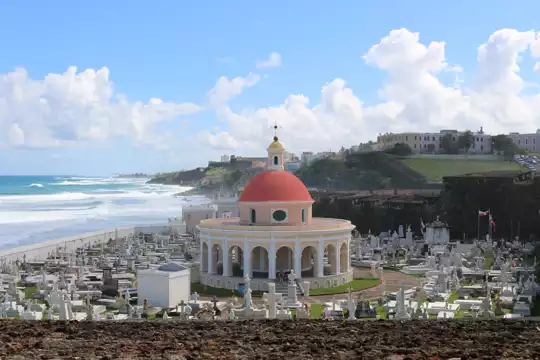
.jpg) Hi, I’m Johan (Netherlands 🇳🇱), the creator of TakeYourBackpack. Over the past 3 decades, I’ve backpacked through 90+ countries across six continents, gaining extensive experience with independent travel, long-term trips, and overland routes.
Hi, I’m Johan (Netherlands 🇳🇱), the creator of TakeYourBackpack. Over the past 3 decades, I’ve backpacked through 90+ countries across six continents, gaining extensive experience with independent travel, long-term trips, and overland routes.