

The Facade: Brutalist Grandeur Meets Tropical Sun
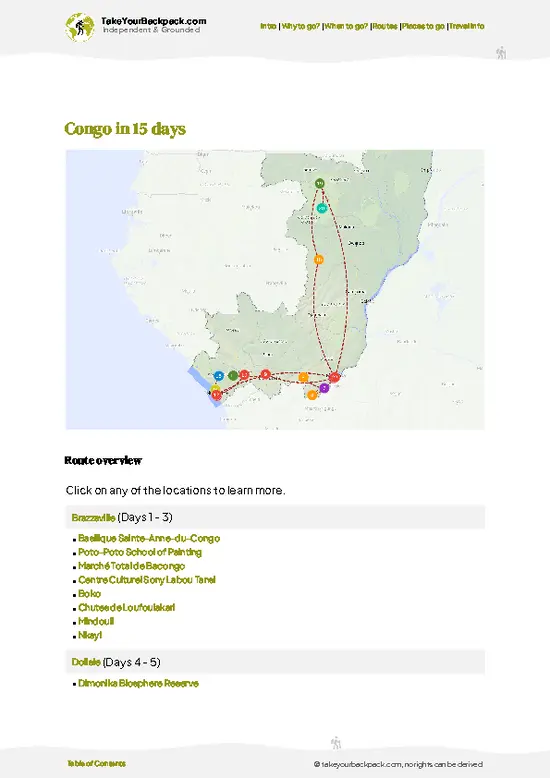
Forget the Instagram filters—this is not your average European basilica copy-pasted into Africa. The exterior of Basilique Sainte-Anne-du-Congo is a slab of 1940s concrete modernism, all sharp lines and bold curves, but it’s the green-tiled roof that steals the show. It glows like a giant emerald under the Congo sun. You’ll see locals and travelers alike pausing mid-commute just to stare. The basilica’s silhouette is unmistakable, and it’s a rare example of architecture that’s both imposing and oddly inviting. It’s not “pretty” in the postcard sense, but it’s unforgettable in the way a thunderstorm is unforgettable.
The Roof: A Masterpiece of Craft and Color
This isn’t just a roof—it’s a statement. Those green tiles were handmade and fired … read more 👉
Forget the Instagram filters—this is not your average European basilica copy-pasted into Africa. The exterior of Basilique Sainte-Anne-du-Congo is a slab of 1940s concrete modernism, all sharp lines and bold curves, but it’s the green-tiled roof that steals the show. It glows like a giant emerald under the Congo sun. You’ll see locals and travelers alike pausing mid-commute just to stare. The basilica’s silhouette is unmistakable, and it’s a rare example of architecture that’s both imposing and oddly inviting. It’s not “pretty” in the postcard sense, but it’s unforgettable in the way a thunderstorm is unforgettable.
The Roof: A Masterpiece of Craft and Color
This isn’t just a roof—it’s a statement. Those green tiles were handmade and fired … read more 👉
The Facade: Brutalist Grandeur Meets Tropical Sun
Forget the Instagram filters—this is not your average European basilica copy-pasted into Africa. The exterior of Basilique Sainte-Anne-du-Congo is a slab of 1940s concrete modernism, all sharp lines and bold curves, but it’s the green-tiled roof that steals the show. It glows like a giant emerald under the Congo sun. You’ll see locals and travelers alike pausing mid-commute just to stare. The basilica’s silhouette is unmistakable, and it’s a rare example of architecture that’s both imposing and oddly inviting. It’s not “pretty” in the postcard sense, but it’s unforgettable in the way a thunderstorm is unforgettable.
The Roof: A Masterpiece of Craft and Color
This isn’t just a roof—it’s a statement. Those green tiles were handmade and fired on-site in the 1940s, a logistical feat that still impresses engineers today. The color isn’t just for show; it’s a nod to the lush forests of Congo, and when the afternoon light hits, the whole building seems to pulse with life. If you’re lucky enough to catch it after a rainstorm, the tiles shimmer like wet leaves. No photo does it justice. This is one of those rare moments where standing in front of the real thing beats any digital version.
The Interior: Light, Space, and Sacred Silence
Step inside and the chaos of Brazzaville drops away. The nave is vast, airy, and surprisingly minimalist—no gold overload, no clutter. Instead, you get soaring arches, natural light pouring through tall windows, and a sense of calm that’s almost physical. The acoustics are so good you’ll hear your own footsteps echo. If you’re there during a service, the sound of the choir fills the space in a way that’s both intimate and monumental. It’s a place that makes you want to slow down, breathe, and just listen.
Local Life: The Basilica as a Living Landmark
This isn’t a museum piece. The basilica is woven into the daily rhythm of Brazzaville. You’ll see school kids in uniform, market vendors ducking in for a moment of shade, and families gathering on the steps. On Sundays, the place buzzes with energy—think bright dresses, laughter, and a sense of community that’s impossible to fake. If you want to see the real Congo, skip the tourist circuit and spend an hour here watching life unfold.
History in Concrete: A Symbol of Independence
Built in 1949, the basilica is more than a church—it’s a monument to Congo’s complex history. Designed by French architect Roger Erell, it was one of the first major structures in Brazzaville to break from colonial tradition and embrace a modern, African identity. Locals still talk about it with pride. The building survived wars, political upheaval, and decades of change, and it stands as a stubborn, beautiful reminder that Congo does things its own way. If you want a crash course in the country’s spirit, start here.
Forget the Instagram filters—this is not your average European basilica copy-pasted into Africa. The exterior of Basilique Sainte-Anne-du-Congo is a slab of 1940s concrete modernism, all sharp lines and bold curves, but it’s the green-tiled roof that steals the show. It glows like a giant emerald under the Congo sun. You’ll see locals and travelers alike pausing mid-commute just to stare. The basilica’s silhouette is unmistakable, and it’s a rare example of architecture that’s both imposing and oddly inviting. It’s not “pretty” in the postcard sense, but it’s unforgettable in the way a thunderstorm is unforgettable.
The Roof: A Masterpiece of Craft and Color
This isn’t just a roof—it’s a statement. Those green tiles were handmade and fired on-site in the 1940s, a logistical feat that still impresses engineers today. The color isn’t just for show; it’s a nod to the lush forests of Congo, and when the afternoon light hits, the whole building seems to pulse with life. If you’re lucky enough to catch it after a rainstorm, the tiles shimmer like wet leaves. No photo does it justice. This is one of those rare moments where standing in front of the real thing beats any digital version.
The Interior: Light, Space, and Sacred Silence
Step inside and the chaos of Brazzaville drops away. The nave is vast, airy, and surprisingly minimalist—no gold overload, no clutter. Instead, you get soaring arches, natural light pouring through tall windows, and a sense of calm that’s almost physical. The acoustics are so good you’ll hear your own footsteps echo. If you’re there during a service, the sound of the choir fills the space in a way that’s both intimate and monumental. It’s a place that makes you want to slow down, breathe, and just listen.
Local Life: The Basilica as a Living Landmark
This isn’t a museum piece. The basilica is woven into the daily rhythm of Brazzaville. You’ll see school kids in uniform, market vendors ducking in for a moment of shade, and families gathering on the steps. On Sundays, the place buzzes with energy—think bright dresses, laughter, and a sense of community that’s impossible to fake. If you want to see the real Congo, skip the tourist circuit and spend an hour here watching life unfold.
History in Concrete: A Symbol of Independence
Built in 1949, the basilica is more than a church—it’s a monument to Congo’s complex history. Designed by French architect Roger Erell, it was one of the first major structures in Brazzaville to break from colonial tradition and embrace a modern, African identity. Locals still talk about it with pride. The building survived wars, political upheaval, and decades of change, and it stands as a stubborn, beautiful reminder that Congo does things its own way. If you want a crash course in the country’s spirit, start here.
Spotted a mistake or missing something? Contact us.
v2.webp)

Best Backpacking
Hi, I’m Johan (Netherlands 🇳🇱), the creator of TakeYourBackpack. Over the past decade, I’ve backpacked through 80+ countries across six continents, gaining extensive experience with independent travel, long-term trips, and overland routes.