×

Congo🇨🇬 | townsEpenaLikouala-aux-Herbes landing, flooded forest, riverside beer, forest paths | things to do and best time to go

Explore MossakaExplore Chutes de Loufoulakari

Backpacking in Epena
👍 Recommendedtown ranked #7
By Johan Kruseman 🇳🇱 | Updated October 22, 2026

Pirogues knock against the muddy bank while a woman scales fish on a plank, and the smell of smoke and river water settles into your shirt within minutes. That is Epena, in the north of the Republic of the Congo, in the Likouala department, on the Likouala-aux-Herbes river. It is remote, humid and short on comforts. Expect basic lodging, few other travelers and slow, sweaty logistics. You get something rare in return: river life, forest markets and the gateway to the swamp forests toward Lac Télé. Reaching it takes real effort, and evenings are quiet, with a beer and conversation at a local bar. Unlike Impfondo, the regional capital with more services and some NGO presence, Epena is smaller, rougher and much less visited.

Discover everything you want to know in the 📖 Congo Travel Guide.
Safety warning

The current risk level for Congo is high. Check the advice before going.


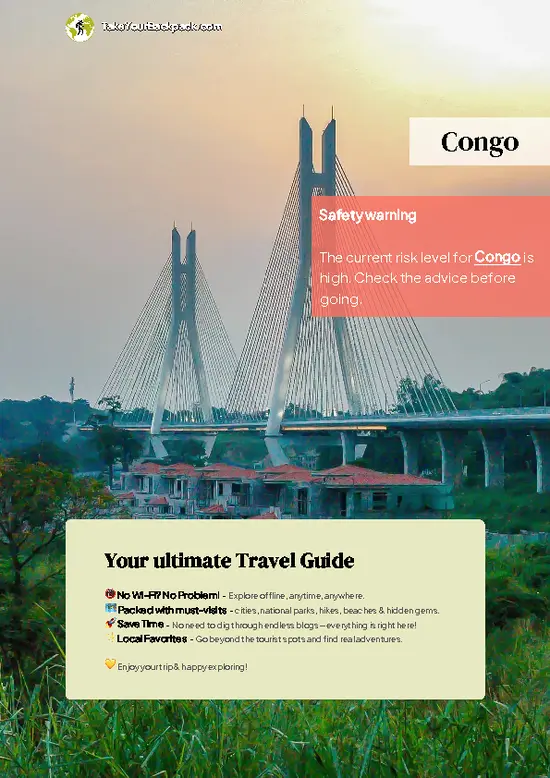
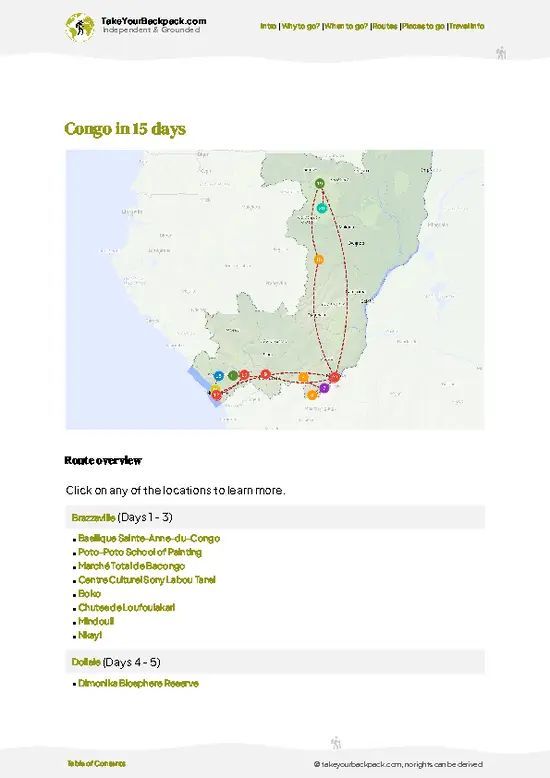
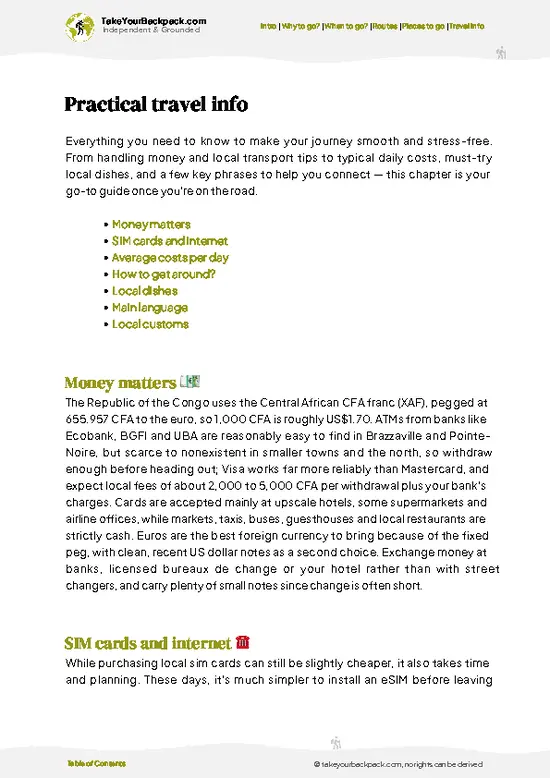
example page 0 from our offline Travel Guide for Republic of the Congo
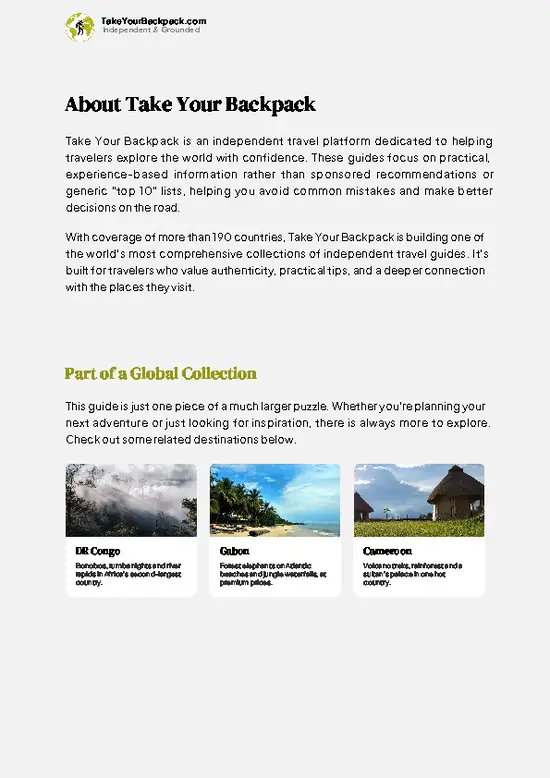
example page 1 from our offline Travel Guide for Republic of the Congo
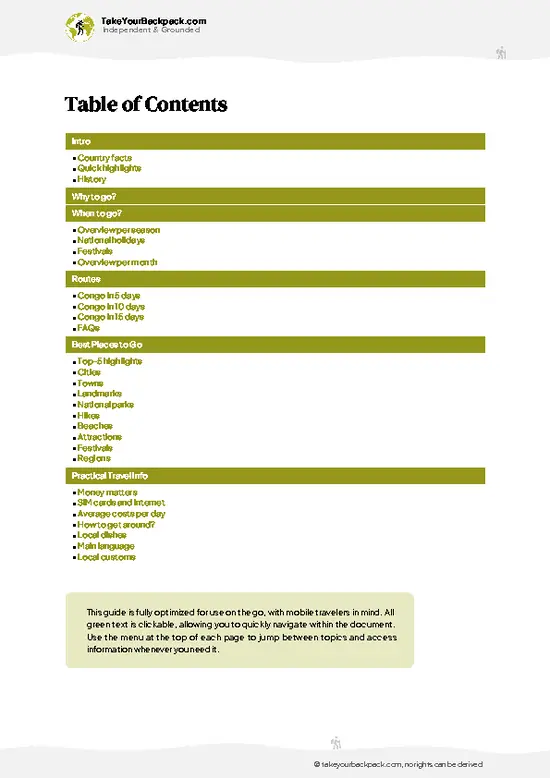
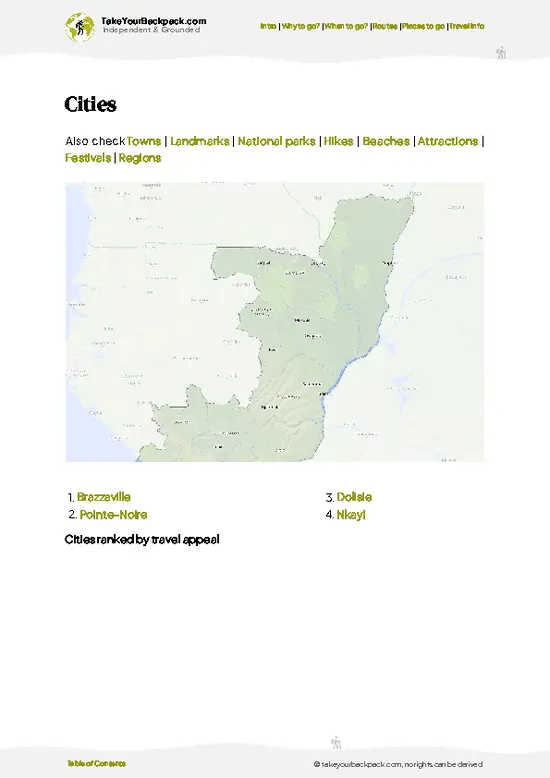
example page 2 from our offline Travel Guide for Republic of the Congo
example page 3 from our offline Travel Guide for Republic of the Congo
example page 4 from our offline Travel Guide for Republic of the Congo
example page 5 from our offline Travel Guide for Republic of the Congo
example page 6 from our offline Travel Guide for Republic of the Congo
example page 7 from our offline Travel Guide for Republic of the Congo
Loading the map 🌍
CLICK TO FILTER
cities
towns
landmarks
national parks
hikes
beaches
attractions
festivals
regions
SHOW COUNTRY’S BESTSHOW ALL

✨ Why go?
Ranked #7 town in Congo
Why visitors keep coming back

Epena suits the backpacker who wants the Congo basin without a packaged lodge between you and it. Here the river is the road, and dugout pirogues are how people reach fishing camps, farm clearings and villages that no bus serves. You can linger a few days to arrange a river trip, watch the riverside market fill with smoked fish, cassava and bushmeat-free staples, and talk to locals who rarely see foreigners. Guesthouses are simple and few, so it works best for self-sufficient solo travelers or small groups happy to improvise, speak some French, and accept that schedules bend. Hikers will find forest paths rather than marked trails. Nightlife barely exists, and that is the appeal for slow travelers. If you need hostels, meeting backpackers and easy transport, treat Epena as a hard but rewarding detour, or skip it.

💡 HighlightsEssential experiences to have while visiting Epena

  1. Likouala-aux-Herbes riverfront: The town’s heart is its landing, where pirogues unload fish, bananas and cassava. Go early morning, when activity peaks. Free, 1 to 2 hours.
  2. Epena central market: Stalls sell smoked fish, forest greens, palm oil and cloth. Mornings are best, and cash is the only option. Free to enter, budget about €2 to 5 for snacks, 1 hour.
  3. Pirogue ride on the river: A paddled dugout gives you the river’s edge, flooded forest and passing fishing camps. Early morning or late afternoon is coolest. Expect to negotiate roughly €5 to 15 with a local boatman, 1 to 3 hours.
  4. Evening riverside bars: Simple bars near the landing serve cold local beer as the day cools and generators hum. Come after dark for conversation. Roughly €1 to 2 a bottle, 1 to 2 hours.
  5. Village walk along the forest
… read more 👉
  1. Likouala-aux-Herbes riverfront: The town’s heart is its landing, where pirogues unload fish, bananas and cassava. Go early morning, when activity peaks. Free, 1 to 2 hours.
  2. Epena central market: Stalls sell smoked fish, forest greens, palm oil and cloth. Mornings are best, and cash is the only option. Free to enter, budget about €2 to 5 for snacks, 1 hour.
  3. Pirogue ride on the river: A paddled dugout gives you the river’s edge, flooded forest and passing fishing camps. Early morning or late afternoon is coolest. Expect to negotiate roughly €5 to 15 with a local boatman, 1 to 3 hours.
  4. Evening riverside bars: Simple bars near the landing serve cold local beer as the day cools and generators hum. Come after dark for conversation. Roughly €1 to 2 a bottle, 1 to 2 hours.
  5. Village walk along the forest edge: Paths lead from town to farm plots, palm groves and small hamlets. Go in the morning before the heat. Free, 2 to 3 hours, and greeting people first matters.
Day trips from Epena can reach riverside villages along the Likouala-aux-Herbes and, with serious planning, the swamp forests toward Lac Télé and the Likouala wetlands. Start with the riverfront at dawn, because the landing is busiest then and it orients you to everything else.
Spotted a mistake or missing something? Contact us.

🏘️ NeighborhoodsKey areas and districts to know

Epena is a small river-country town in the Likouala department, and you can cover all of it on foot in an afternoon. Each area has its own pace.
  • Town center and main road: The central stretch holds the market stalls, a few small shops and the administrative buildings. Red dust clings to everything, motorbike engines whine, and by mid-morning the smell of smoked fish and frying dough drifts over the stalls. You leave with a plate of cassava and grilled fish for a few euros and a good sense of local life.
  • Riverside and landing: Down toward the water, pirogues are hauled up on the mud and people wash, fish and trade. It is slippery underfoot after rain and loud in the early morning when boats arrive. Come at dawn for the best light and the freshest catch.
  • Residential quarters: Behind the center,
… read more 👉
Epena is a small river-country town in the Likouala department, and you can cover all of it on foot in an afternoon. Each area has its own pace.
  • Town center and main road: The central stretch holds the market stalls, a few small shops and the administrative buildings. Red dust clings to everything, motorbike engines whine, and by mid-morning the smell of smoked fish and frying dough drifts over the stalls. You leave with a plate of cassava and grilled fish for a few euros and a good sense of local life.
  • Riverside and landing: Down toward the water, pirogues are hauled up on the mud and people wash, fish and trade. It is slippery underfoot after rain and loud in the early morning when boats arrive. Come at dawn for the best light and the freshest catch.
  • Residential quarters: Behind the center, sandy lanes run between mud-brick and timber houses with banana plants in the yards. Kids call out greetings, radios play rumba, and evenings smell of wood smoke. A slow loop here gives you the nearest thing to a real conversation with neighbors.
  • Forest edge: Walk out past the last houses and the trail narrows into swamp forest, humid and loud with insects and birds. Go with a local guide, since paths flood. You get shade, birdsong and the sense of how remote this region is.

⌛️ 1 dayHow to make the most of one day

6:30 AM, Riverfront landing: Arrive as pirogues come in. Watch fish and produce unload, buy a coffee and bread from a vendor, and greet people before taking photos. Walk ten minutes up to the market.
8:00 AM, Central market: Browse smoked fish, greens and cloth while it is still cool. Try fried dough or cassava snacks for breakfast, then walk to the district’s quieter lanes.
10:00 AM, Forest-edge village path: Off the usual route, follow footpaths past houses to farm plots and palm groves. You see how families live beside the forest. Carry water and a hat.
12:30 PM, Midday meal: Eat grilled river fish with rice or cassava at a simple local eatery, then rest in the shade during the worst heat.
3:30 PM, Pirogue paddle: Hire a boatman for a short trip along the Likouala-aux-Herbes. Late light flattens … read more 👉
6:30 AM, Riverfront landing: Arrive as pirogues come in. Watch fish and produce unload, buy a coffee and bread from a vendor, and greet people before taking photos. Walk ten minutes up to the market.
8:00 AM, Central market: Browse smoked fish, greens and cloth while it is still cool. Try fried dough or cassava snacks for breakfast, then walk to the district’s quieter lanes.
10:00 AM, Forest-edge village path: Off the usual route, follow footpaths past houses to farm plots and palm groves. You see how families live beside the forest. Carry water and a hat.
12:30 PM, Midday meal: Eat grilled river fish with rice or cassava at a simple local eatery, then rest in the shade during the worst heat.
3:30 PM, Pirogue paddle: Hire a boatman for a short trip along the Likouala-aux-Herbes. Late light flattens the heat, and you pass fishing camps and flooded trees. Agree the price first.
6:30 PM, Riverside bar: Finish with a cold beer near the landing, where talk drifts over the generator hum. Walk back before full dark.

🌤️ When to go?Choosing the right time of year

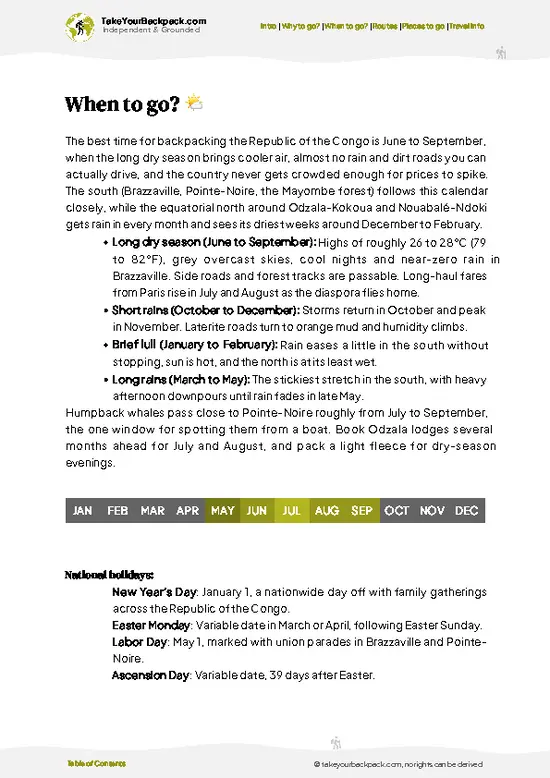
  • Main dry season (December to February): Least rain, daytime highs of 29 to 32°C (84 to 90°F), and the easiest travel on dirt roads and rivers. River levels drop, so some channels get shallow.
  • Short dry spell (June to August): Slightly cooler at 26 to 30°C (79 to 86°F), with cloudier skies and fewer downpours. Good for forest walks.
  • Wet seasons (March to May, September to November): Heavy storms, mud, 24 to 30°C (75 to 86°F) and humidity that never lets up. Tracks can become impassable, and fuel and transport prices rise when supply is slow. Rivers are high, which helps boat travel.
  • Daylight and crowds: Days stay close to twelve hours all year, and Epena sees almost no tourists in any month.
Plan for December to February, and add buffer days because schedules here slip regardless of the weather.

source: climatestotravel.comJANJanuary: fair for travelingFEBFebruary: fair for travelingMARMarch: fair for travelingAPRApril: fair for travelingMAYMay: fair for travelingJUNJune: highly recommended for travelingJULJuly: excellent for travelingAUGAugust: excellent for travelingSEPSeptember: highly recommended for travelingOCTOctober: fair for travelingNOVNovember: fair for travelingDECDecember: fair for traveling
when-to-go

✈️ The backpacker research shortcutCongo Travel Guide

An offline-friendly backpacking guide with optimized travel routes, ranked highlights, transport advice, and the best areas to stay.
example page 0 from our offline Travel Guide for Republic of the Congo
example page 1 from our offline Travel Guide for Republic of the Congo
example page 2 from our offline Travel Guide for Republic of the Congo
example page 3 from our offline Travel Guide for Republic of the Congo
example page 4 from our offline Travel Guide for Republic of the Congo
example page 5 from our offline Travel Guide for Republic of the Congo
example page 6 from our offline Travel Guide for Republic of the Congo
example page 7 from our offline Travel Guide for Republic of the Congo
The digital guide (205 pages) contains:
✅ 46 highlights, ranked by travel appeal
✅ Optimized 5, 10 & 15-day travel routes
✅ Cities, national parks, landmarks, beaches
✅ How to get around
✅ Offline-friendly for travel without Wi-Fi
👉 Click to see all 30+ guide features

📅 Plan smarter in minutes, not weeks
✅ Month by month travel advice
✅ Festivals & national holidays
✅ Budget expectations

🗺️ Go to the right places, skip the overrated ones
✅ Honest pros & cons of destinations
✅ Top hikes, parks & viewpoints
✅ Lesser-known places most travelers miss
✅ Clear “worth it vs skip it” guidance

🛏️ Travel smoothly without rookie mistakes
✅ Best areas to stay
✅ Transport systems explained simply
✅ Common scams & safety advice
✅ SIM cards, money & practical tips

🌍 Understand the country, not just visit it
✅ Culture & traditions
✅ 52 Essential phrases & customs
✅ Festivals worth planning around
✅ Traveler-friendly historical context
✅ Insights that make places more meaningful

📱 Built for real travel conditions
✅ Fully downloadable PDF
✅ Works completely offline
✅ Optimized for phone use
✅ Useful in remote areas & buses
✅ Everything in one place
Stop searching, start planning
Get instant access to your full guide. 30‑day money-back guarantee.
+ Add another guide for just

By proceeding you agree to our terms.
Sent to your inbox immediately after payment • 100% Secure Checkout
Best Backpacking Travel Advisor 2025 tourism awardBest Backpacking
Travel Advisor
2025
What others say about Take Your Backpack Guides:
⭐⭐⭐⭐⭐
Fantastic, amazing amount of information!
⭐⭐⭐⭐⭐
My goodness this is amazing, it's what I've been looking for hats off too you!
⭐⭐⭐⭐⭐
I think this is absolutely BRILLIANT
⭐⭐⭐⭐
Very complete and informative. It's still missing places, but I gotta to commend you
⭐⭐⭐⭐⭐
This is truly amazing, thank you, can't wait to explore it with my kids!
⭐⭐⭐⭐⭐
Awesome resource, thank you!
⭐⭐⭐⭐⭐
This is amazing! Can't wait to explore the ones I haven't seen
⭐⭐⭐⭐
I love this! Well done, great idea.
⭐⭐⭐⭐⭐
Thanks for taking the time to make this gem!
⭐⭐⭐⭐⭐
This might be the best website I've ever seen.
⭐⭐⭐⭐⭐
Congratulations, and thank you so much for your work; it's incredibly valuable.
⭐⭐⭐⭐
In all seriousness I think you did a great job pointing out the important spots
⭐⭐⭐⭐⭐
10/10 very good
⭐⭐⭐⭐⭐
As someone who's only just starting to visit regularly this is awesome, thank you.
⭐⭐⭐⭐
Thank you very much! I'm going to visit my dad, it's going to be very useful!
⭐⭐⭐⭐⭐
This is really cool! We'll be travelling for the first time and this definitely come in handy.
⭐⭐⭐⭐⭐
You are now our minister of culture, congratulations 👨‍💼
⭐⭐⭐⭐⭐
Just wanted to tell you that this is a pearl! Going to follow your recommendations.
⭐⭐⭐⭐⭐
This is so cool. I'll definitely be using the resource for my travels soon.
⭐⭐⭐⭐⭐
This is very impressive! Good work.
⭐⭐⭐⭐⭐
This is an amazing and informative site. Very well done!

🛏️ Where to stay?Choosing the right base

Stay in or near the town center of Epena, close to the market and main road. Beds are limited to a handful of basic guesthouses and simple rooms, with no true hostels, so expect private rooms with fans or basic shared facilities, often at about €10 to 25 a night. Power and running water can be unreliable, so a headlamp and a few bottles of water help.

The center works best because you can walk to food, money changers and the transport stops, and it feels safer at night with people about and some lighting. Noise comes from motorbikes, generators and early market sellers, so earplugs are useful. … read more 👉
Stay in or near the town center of Epena, close to the market and main road. Beds are limited to a handful of basic guesthouses and simple rooms, with no true hostels, so expect private rooms with fans or basic shared facilities, often at about €10 to 25 a night. Power and running water can be unreliable, so a headlamp and a few bottles of water help.

The center works best because you can walk to food, money changers and the transport stops, and it feels safer at night with people about and some lighting. Noise comes from motorbikes, generators and early market sellers, so earplugs are useful. The area near the riverside landing suits you if you have an early boat, since you can be at the water in minutes, though it is quieter and darker after sunset. Arrange your room before arrival if you can, since options are few, and carry cash because cards are rarely accepted.

🚌 Getting aroundMoving around without the hassle

A motorbike taxi ride across Epena costs about €0.30 to 0.80, paid in cash in local currency at the end, and you should agree the price before you climb on. The town is compact, so walking covers most needs, though the sandy lanes turn to red mud after rain and traffic is light but noisy. There is no formal public transport. Everything runs on negotiation and patience.
  • Walking: Free and the best way to see the market, the landing and the back lanes. You hear the radios, smell the smoke and can stop for a skewer whenever you like.
  • Motorbike taxi: Short hops cost about €0.30 to 0.80, and longer rides out of town about €2 to 8 depending on the track. Expect dust in your teeth and a rider who knows every pothole. Ask for a helmet, though they are often missing.
  • Pirogue and river boats: The Likouala
… read more 👉
A motorbike taxi ride across Epena costs about €0.30 to 0.80, paid in cash in local currency at the end, and you should agree the price before you climb on. The town is compact, so walking covers most needs, though the sandy lanes turn to red mud after rain and traffic is light but noisy. There is no formal public transport. Everything runs on negotiation and patience.
  • Walking: Free and the best way to see the market, the landing and the back lanes. You hear the radios, smell the smoke and can stop for a skewer whenever you like.
  • Motorbike taxi: Short hops cost about €0.30 to 0.80, and longer rides out of town about €2 to 8 depending on the track. Expect dust in your teeth and a rider who knows every pothole. Ask for a helmet, though they are often missing.
  • Pirogue and river boats: The Likouala waterways are the real highways here. A short motorized hop costs roughly €2 to 10 and long trips take many hours or days, with prices shifting by fuel cost. Pack rain cover and sit low. You get silent forest walls and the odd kingfisher.
  • Shared trucks and 4x4s: Overland links toward Impfondo and beyond run irregularly on rough tracks, and fares typically run €10 to 30 for long legs. Departures happen when the vehicle fills, usually early morning. Bring water and snacks, and expect delays after rain. You see forest villages most tourists never reach.

👛 Costs (as of 22 October 2026)What things cost and how to budget

Epena costs about €38 to 62 a day for a backpacker, with about €43 a day in a typical high-season setup. Prices are higher than the national average because everything arrives by long, rough routes, and you pay in local currency.
CategoryBudget RangeLocal Reality
Dorm accommodation€10 to 25No dorms exist, so you take a basic private room with a fan
Meals€6 to 12Grilled fish, cassava and rice at market stalls and small eateries
Local transport€2 to 8Motorbike taxis for most trips, with boats costing extra
Basic activities/entry fees€5 to 15Guides and pirogue hire, with no ticketed sights
Miscellaneous expenses€3 to 6Water, phone credit and small gifts
Total Daily Budget€43High-season estimate for one person
Buy water and snacks in bulk at the market and share boat or motorbike hire costs with other travelers to cut your daily spend.

source: worldbank.org
⚠️ Prices can change and everyone travels differently, so take this as a rough guide. Hope it helps you plan your adventure!

🚌 Day tripsBest day trips from Epena

Epena works as a base for short outings by foot, motorbike or pirogue, but there are no organized tours, so you arrange everything locally.
Likouala River Pirogue Ride: Hire a local boatman for a half-day paddle or motor along the river, watching fishing camps and forest walls slide by. Expect about €10 to 25 for the boat, depending on fuel. Go early when the air is cooler. First-timers often forget a rain cover and sun protection.

Forest Edge Walk with a Guide: A guide leads you through swamp forest on a half-day walk of two to four hours, for around €5 to 15. You may hear monkeys and hornbills, and see raffia palms and flooded trails. The dry months are best, and rubber boots matter because mud is deep.

Nearby Riverside Villages: A motorbike ride of about 30 to 90 minutes reaches small … read more 👉
Epena works as a base for short outings by foot, motorbike or pirogue, but there are no organized tours, so you arrange everything locally.
Likouala River Pirogue Ride: Hire a local boatman for a half-day paddle or motor along the river, watching fishing camps and forest walls slide by. Expect about €10 to 25 for the boat, depending on fuel. Go early when the air is cooler. First-timers often forget a rain cover and sun protection.

Forest Edge Walk with a Guide: A guide leads you through swamp forest on a half-day walk of two to four hours, for around €5 to 15. You may hear monkeys and hornbills, and see raffia palms and flooded trails. The dry months are best, and rubber boots matter because mud is deep.

Nearby Riverside Villages: A motorbike ride of about 30 to 90 minutes reaches small villages where fishing and cassava processing continue. Budget €5 to 15 round trip. Bring small gifts or ask permission before taking photographs. A common mistake is arriving without greeting the village elder, which is expected.

🛡️ SafetyStaying Safe: What Travelers Should Know

Epena is quiet and low in crime, and the main issues are practical rather than dangerous. Walk the center after dark only with a light, since lanes are unlit and uneven. Solo travelers, women included, tend to attract curiosity rather than hassle, but it is wise to be back at your room by early evening. Expect occasional document checks from officials in this remote region, so carry your passport copy and visa, stay polite and be patient. Petty requests for money or gifts happen, and a calm, friendly refusal works. Health matters more than crime here: malaria is present, so use repellent and a net, drink only treated water, and carry a basic medical kit because the nearest good clinic is far away.

FAQCommon questions from travelers

Epena is worth visiting only if you want remote river and forest travel in the Likouala region, not a standard sightseeing stop. You can see the market, the river landing and nearby swamp forest in a day or two, and a guide costs roughly €5 to 15. Facilities are basic and there is almost no tourism, so it suits experienced, flexible travelers.
Two to three days is enough in Epena to see the market, take a pirogue ride and walk the forest edge with a guide. Add a buffer day or two because river and road schedules slip, especially in the rainy months. Budget about €43 a day.
Epena is not realistic as a day trip from a nearby city, because roads are rough and the distances to larger towns such as Impfondo are long, often taking many hours or a full day by truck or boat. Plan to stay at least one night, with rooms around €10 to 25. Travel in the dry months of December to February for the best chance of smooth connections.
⚠️ Things can change over time, so always validate details locally before you go.

Other Congolese towns near Epena

Explore more nearby:

  • Impfondo—Ubangi port, old colonial quarter, mango avenues, Likouala gateway| 74 km away
  • Enyellé—swampy terrain, pirogue access, isolated settlements| 174 km away
  • Bétou—Ubangi landing, pirogue crossings, laterite streets, mission church| 224 km away

💡 Not sure where to go next?
Create a personalized itinerary for Congo including Epena and the places that fit your trip.

Generate my itinerary

👉 Discover all towns

Or checkout all Congo has to offer (think cities, towns, villages, national parks, hikes, beaches, festivals)
Country photo of Congo

We 💚 feedbackKey takeaways before you go

Epena is best in the early morning, when the river is cool and the landing is crowded with fish and paddles. Go in the drier months if you can, since paths and boat trips are easier. I would bring small bills, a head torch and patience, and skip any plan that depends on a fixed schedule.

✍️ Help improve this page!
The information on this page is based on in-depth research, insights shared by experienced travelers, and feedback from the local travel community in Congo. While every effort is made to keep the information accurate and current, conditions can change — so if you spot anything incorrect or outdated, please get in touch.


🙋‍♂️ Give feedback

👋 Meet the founderWho’s Behind Take Your Backpack?

Johan, backpacker and founder of TakeYourBackpackHi, I’m Johan (Netherlands 🇳🇱), the creator of TakeYourBackpack. Over the past 3 decades, I’ve backpacked through 90+ countries across six continents, gaining extensive experience with independent travel, long-term trips, and overland routes.

This site is built on a combination of firsthand travel experience and carefully curated insights from other backpackers. Many guides are based on places I’ve personally visited, while others bring together tips, observations, and practical advice shared by trusted travelers I’ve met along the way.

The goal is to provide realistic, experience-driven guidance — not generic itineraries — so you can explore destinations with better context, clearer expectations, and more confidence.