×

Congo🇨🇬 | townsNganga Lingoloroad junction, roadside stalls, commuter traffic | things to do and best time to go

Explore MouilaExplore Ewo

Backpacking in Nganga Lingolo
By Johan Kruseman 🇳🇱 | Updated May 1, 2026

Everyone talks about Nganga Lingolo as a pit stop for the train—like it’s just a dot on the Brazzaville–Pointe-Noire line—but that’s missing the point. What actually matters is how the place feels: the red dust underfoot, the slow swirl of woodsmoke at dusk, the sense that you’re on the edge of something wilder. Nganga Lingolo sits just southwest of Brazzaville, Congo, and for backpackers, it’s less a destination than a threshold. You won’t find a buzzing hostel scene or a parade of cafés, but you will find a practical launchpad for exploring the forests and villages beyond, or a breather between the city’s chaos and the deeper interior. It’s easy enough to reach by train or bush taxi, and you can walk most of the town, though you’ll need local rides for anything ambitious. Costs are low, safety is average for rural Congo—keep your wits about you, but don’t expect drama. Compared to Brazzaville, Nganga Lingolo is quieter, more utilitarian, and far less touristic; it’s where the journey feels stripped down, and that’s exactly its value.

Discover everything you want to know in the 📖 Congo Travel Guide.
Loading the map 🌍
CLICK TO FILTER
city
town
unique site
national park
hike
beach
attraction
festival
region
SHOW COUNTRY’S BESTSHOW ALL

✨ Why go?
Ranked #99 town in Congo
Why visitors keep coming back

Nganga Lingolo is a gateway for backpackers seeking the raw beauty of Congo. It’s perfectly positioned for hikes in the nearby Lola ya Bonobo Sanctuary, where you can trek through lush forests and catch glimpses of playful bonobos. The beaches along the Congo River offer a refreshing escape, ideal for a lazy afternoon or a sunset picnic.

Accommodations here are small-scale and welcoming, with guesthouses that feel like home. You’ll find local food stalls serving up hearty dishes that reflect the region’s flavors, making every meal an experience. The streets are walkable, inviting you to explore and connect with locals.

Travelers often linger for a few days, soaking in the friendly atmosphere. It’s a place for slow travelers and solo adventurers who appreciate a mix of quiet reflectionread more 👉
Nganga Lingolo is a gateway for backpackers seeking the raw beauty of Congo. It’s perfectly positioned for hikes in the nearby Lola ya Bonobo Sanctuary, where you can trek through lush forests and catch glimpses of playful bonobos. The beaches along the Congo River offer a refreshing escape, ideal for a lazy afternoon or a sunset picnic.

Accommodations here are small-scale and welcoming, with guesthouses that feel like home. You’ll find local food stalls serving up hearty dishes that reflect the region’s flavors, making every meal an experience. The streets are walkable, inviting you to explore and connect with locals.

Travelers often linger for a few days, soaking in the friendly atmosphere. It’s a place for slow travelers and solo adventurers who appreciate a mix of quiet reflection and casual socializing. If you’re looking for a quick stop, you might miss the heart of Nganga Lingolo. Embrace the pace; it’s worth it.
Get the complete Travel Guide for Congo
Everything organized for offline planning — routes, highlights, costs & tips

See what’s inside 👉

Get the Travel Guide -

💡 HighlightsTop highlights of Nganga Lingolo

    Brazzaville’s Congo River waterfront and Basilique Sainte-Anne, the Tchimpounga Chimpanzee Rehabilitation Center near Pointe-Noire, and Odzala-Kokoua National Park are real, visitable highlights in the Republic of the Congo that travelers commonly explore on day-trip or nearby excursion itineraries.
    Spotted a mistake or missing something? Contact us.

    🏘️ NeighborhoodsHow different areas shape the experience

    Nganga Lingolo offers a unique blend of culture and nature, making it a fascinating stop for backpackers. Here’s how to navigate its neighborhoods:

    Centre Ville: This is the heart of Nganga Lingolo. The vibe is lively, with local markets and street vendors filling the air with the scent of grilled fish and spices. It’s walkable, making it easy to explore shops and cafes. Costs are moderate, and you’ll find budget-friendly accommodations. Nightlife is low-key, perfect for those who prefer a quiet evening after a day of exploration. Ideal for short stays.

    Quartier des Artisans: Known for its vibrant arts scene, this area is a treasure trove of local crafts. The atmosphere buzzes with creativity, and you can often catch artisans at work. It’s slightly more expensive but worth it for the unique … read more 👉
    Nganga Lingolo offers a unique blend of culture and nature, making it a fascinating stop for backpackers. Here’s how to navigate its neighborhoods:

    Centre Ville: This is the heart of Nganga Lingolo. The vibe is lively, with local markets and street vendors filling the air with the scent of grilled fish and spices. It’s walkable, making it easy to explore shops and cafes. Costs are moderate, and you’ll find budget-friendly accommodations. Nightlife is low-key, perfect for those who prefer a quiet evening after a day of exploration. Ideal for short stays.

    Quartier des Artisans: Known for its vibrant arts scene, this area is a treasure trove of local crafts. The atmosphere buzzes with creativity, and you can often catch artisans at work. It’s slightly more expensive but worth it for the unique souvenirs. Walkability is good, and the area feels safe. Suitable for longer stays if you want to immerse yourself in the local culture.

    Zone de Verdure: This neighborhood is a breath of fresh air, surrounded by lush greenery. It’s quieter, perfect for those seeking solitude. Costs are lower here, and you can find charming guesthouses. While nightlife is minimal, the tranquility makes it ideal for longer retreats. Transport access is decent, but you might need to walk a bit to reach the main attractions.

    ⌛️ 1 day1-day itinerary for Nganga Lingolo

    Nganga Lingolo is a vibrant slice of life in Congo, where the rhythm of daily existence pulses through the streets. This town is a tapestry of local culture, with its bustling markets and the warm smiles of its residents. You’ll find a blend of traditional and modern life that makes every corner worth exploring.

    Start your morning at the local market, where the air is thick with the scent of fresh produce and spices. Engage with vendors selling everything from cassava to colorful fabrics. Grab a breakfast of akam, a fermented porridge, and sip on some locally brewed coffee. The energy here is infectious, and you’ll feel the town waking up around you.

    In the afternoon, head towards the nearby hills for a hike. The trails offer stunning views of the surrounding landscape, where the lush greenery … read more 👉
    Nganga Lingolo is a vibrant slice of life in Congo, where the rhythm of daily existence pulses through the streets. This town is a tapestry of local culture, with its bustling markets and the warm smiles of its residents. You’ll find a blend of traditional and modern life that makes every corner worth exploring.

    Start your morning at the local market, where the air is thick with the scent of fresh produce and spices. Engage with vendors selling everything from cassava to colorful fabrics. Grab a breakfast of akam, a fermented porridge, and sip on some locally brewed coffee. The energy here is infectious, and you’ll feel the town waking up around you.

    In the afternoon, head towards the nearby hills for a hike. The trails offer stunning views of the surrounding landscape, where the lush greenery contrasts beautifully with the clear blue sky. This isn’t just a workout; it’s a chance to connect with nature and the local wildlife. If you’re lucky, you might spot some unique bird species that call this area home.

    As evening approaches, make your way to the riverside. The sun sets in a blaze of orange and pink, casting a warm glow over the water. Here, you can enjoy a meal at a local eatery, savoring grilled fish seasoned with spices that dance on your palate. Don’t miss the chance to chat with locals; their stories will enrich your experience.

    Nganga Lingolo may not be on every tourist’s radar, but it’s a place where the heart of Congo beats strong, and every moment feels like a discovery.
    Build the Right Itinerary
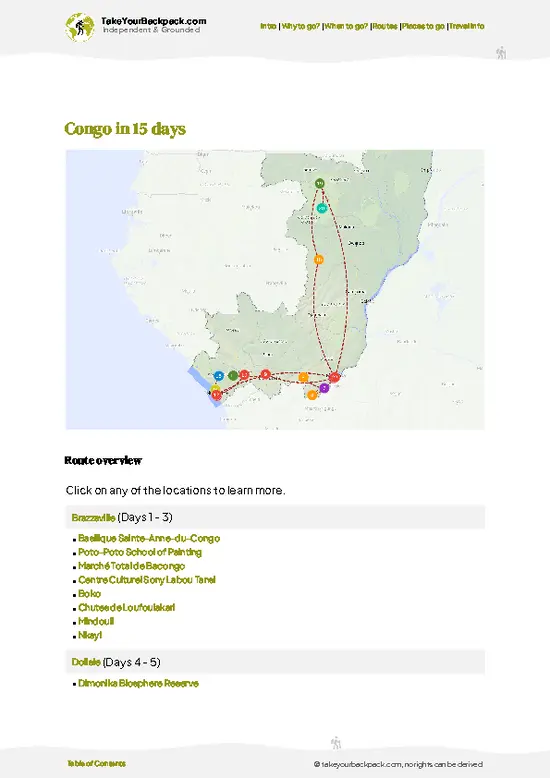
    Use the Congo Travel Guide’s 5, 10 & 15-day routes as a starting point to plan a trip that actually works on the ground.

    Get the Travel Guide -

    🌤️ When to go?Best time to visit Nganga Lingolo


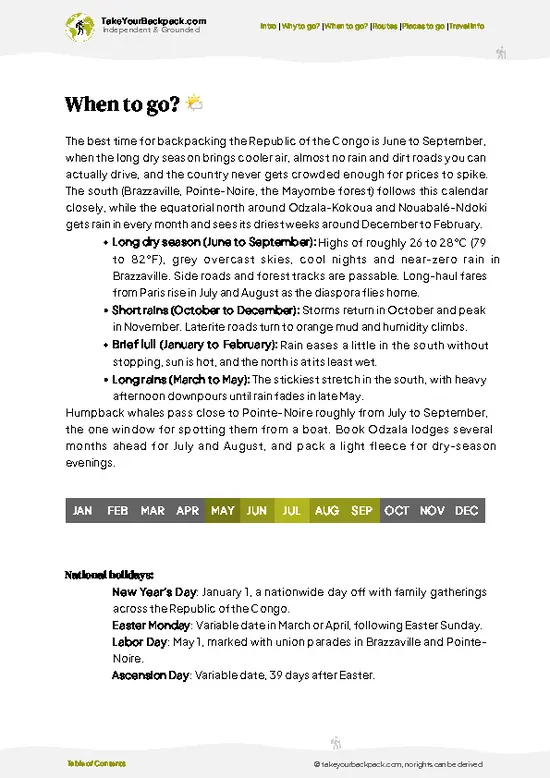
    • Weather: Nganga Lingolo’s dry season from June to September offers clear skies and less humidity, making trails less slippery and the air easier to breathe. The wet season, October to May, brings heavy rains that can turn paths into mud baths and swell rivers unpredictably.

    • Temperature: Daytime highs hover around 28-32°C (82-90°F) year-round, but humidity spikes in the rainy months, making it feel hotter and stickier. Dry months feel fresher, especially in the mornings and evenings.

    • Daylight Hours: Near the equator, daylight stays steady at about 12 hours daily, so you won’t lose precious hiking time to short days regardless of when you visit.

    • Crowds: The dry season draws more locals and a handful of international visitors, so expect a livelier atmosphere but also more competition
    read more 👉

    • Weather: Nganga Lingolo’s dry season from June to September offers clear skies and less humidity, making trails less slippery and the air easier to breathe. The wet season, October to May, brings heavy rains that can turn paths into mud baths and swell rivers unpredictably.

    • Temperature: Daytime highs hover around 28-32°C (82-90°F) year-round, but humidity spikes in the rainy months, making it feel hotter and stickier. Dry months feel fresher, especially in the mornings and evenings.

    • Daylight Hours: Near the equator, daylight stays steady at about 12 hours daily, so you won’t lose precious hiking time to short days regardless of when you visit.

    • Crowds: The dry season draws more locals and a handful of international visitors, so expect a livelier atmosphere but also more competition for lodging and guides.

    • Seasonal Activities: Dry months are prime for trekking and wildlife spotting, while the wet season offers lush greenery and fewer tourists but tougher conditions.

    • Price Fluctuations: Accommodation and guide fees tend to rise during the dry season due to demand. The wet season can offer bargains but at the cost of comfort and accessibility.


    Pro-tip: Aim for early dry season visits—June or July—when the landscape is still vibrant from recent rains, but trails are firm and the crowds haven’t peaked yet.


    source: climatestotravel.comJANJanuary: fair for travelingFEBFebruary: fair for travelingMARMarch: fair for travelingAPRApril: fair for travelingMAYMay: fair for travelingJUNJune: excellent for travelingJULJuly: excellent for travelingAUGAugust: highly recommended for travelingSEPSeptember: highly recommended for travelingOCTOctober: below average for travelingNOVNovember: below average for travelingDECDecember: below average for traveling
    when-to-go

    ✈️ The backpacker research shortcutCongo Travel Guide

    An offline-friendly backpacking guide with optimized travel routes, ranked highlights, transport advice, and the best areas to stay.
    example page 0 from our offline Travel Guide for Republic of the Congoexample page 1 from our offline Travel Guide for Republic of the Congoexample page 2 from our offline Travel Guide for Republic of the Congoexample page 3 from our offline Travel Guide for Republic of the Congoexample page 4 from our offline Travel Guide for Republic of the Congoexample page 5 from our offline Travel Guide for Republic of the Congoexample page 6 from our offline Travel Guide for Republic of the Congoexample page 7 from our offline Travel Guide for Republic of the Congo
    The digital guide (256 pages) contains:
    57 highlights, ranked by travel appeal
    Optimized 5, 10 & 15-day travel routes
    Cities, national parks, beaches, historical sites, ...
    How to get around
    Offline-friendly for travel without Wi-Fi
    👉 Click to see all 30+ guide features

    📅 Plan smarter in minutes, not weeks
    Month by month travel advice
    Festivals & national holidays
    Budget expectations

    🗺️ Go to the right places, skip the overrated ones
    Honest pros & cons of destinations
    Top hikes, parks & viewpoints
    Lesser-known places most travelers miss
    Clear “worth it vs skip it” guidance

    🛏️ Travel smoothly without rookie mistakes
    Best areas to stay
    Transport systems explained simply
    Common scams & safety advice
    SIM cards, money & practical tips

    🌍 Understand the country, not just visit it
    Culture & traditions
    52 Essential phrases & customs
    Festivals worth planning around
    Traveler-friendly historical context
    Insights that make places more meaningful

    📱 Built for real travel conditions
    Fully downloadable PDF
    Works completely offline
    Optimized for phone use
    Useful in remote areas & buses
    Everything in one place
    Save weeks of stressful planning
    Get instant access to the full guide directly. 30-day money-back guarantee.


    Sent to your inbox immediately after payment • 100% Secure Checkout
    Best Backpacking Travel Advisor 2025 tourism awardBest Backpacking
    Travel Advisor
    2025
    What others say about Take Your Backpack Guides:
    ⭐⭐⭐⭐⭐
    Fantastic, amazing amount of information!
    ⭐⭐⭐⭐⭐
    My goodness this is amazing, it's what I've been looking for hats off too you!
    ⭐⭐⭐⭐⭐
    I think this is absolutely BRILLIANT
    ⭐⭐⭐⭐
    Very complete and informative. It's still missing places, but I gotta to commend you
    ⭐⭐⭐⭐⭐
    This is truly amazing, thank you, can't wait to explore it with my kids!
    ⭐⭐⭐⭐⭐
    Awesome resource, thank you!
    ⭐⭐⭐⭐⭐
    This is amazing! Can't wait to explore the ones I haven't seen
    ⭐⭐⭐⭐
    I love this! Well done, great idea.
    ⭐⭐⭐⭐⭐
    Thanks for taking the time to make this gem!
    ⭐⭐⭐⭐⭐
    This might be the best website I've ever seen.
    ⭐⭐⭐⭐⭐
    Congratulations, and thank you so much for your work; it's incredibly valuable.
    ⭐⭐⭐⭐
    In all seriousness I think you did a great job pointing out the important spots
    ⭐⭐⭐⭐⭐
    10/10 very good
    ⭐⭐⭐⭐⭐
    As someone who's only just starting to visit regularly this is awesome, thank you.
    ⭐⭐⭐⭐
    Thank you very much! I'm going to visit my dad, it's going to be very useful!
    ⭐⭐⭐⭐⭐
    This is really cool! We'll be travelling for the first time and this definitely come in handy.
    ⭐⭐⭐⭐⭐
    You are now our minister of culture, congratulations 👨‍💼
    ⭐⭐⭐⭐⭐
    Just wanted to tell you that this is a pearl! Going to follow your recommendations.
    ⭐⭐⭐⭐⭐
    This is so cool. I'll definitely be using the resource for my travels soon.
    ⭐⭐⭐⭐⭐
    This is very impressive! Good work.
    ⭐⭐⭐⭐⭐
    This is an amazing and informative site. Very well done!

    🛏️ Where to stay?How to pick the right area

    Nganga Lingolo’s heart for backpackers beats strongest in the district around the central market and riverfront. This area hums with life—vendors shouting, the scent of grilled fish mingling with fresh rain on dusty streets. It’s where budget travelers find hostels packed with fellow wanderers, making it easy to swap stories over shared meals. Safety here is a relative term, but the presence of other travelers and local vendors creates a natural watchfulness that quieter neighborhoods lack. Stepping outside this zone means fewer social spots and a heavier sense of isolation, so stick close to … read more 👉
    Nganga Lingolo’s heart for backpackers beats strongest in the district around the central market and riverfront. This area hums with life—vendors shouting, the scent of grilled fish mingling with fresh rain on dusty streets. It’s where budget travelers find hostels packed with fellow wanderers, making it easy to swap stories over shared meals. Safety here is a relative term, but the presence of other travelers and local vendors creates a natural watchfulness that quieter neighborhoods lack. Stepping outside this zone means fewer social spots and a heavier sense of isolation, so stick close to the bustle if you want to feel connected and secure.

    🚌 Getting aroundHow to get from A to B

    Nganga Lingolo moves at its own rhythm—less clockwork, more pulse. The sun spills golden light over uneven streets where time bends around market chatter and the scent of roasting cassava. Here, schedules are a suggestion, not a rule. You’ll find the flow in the ebb and surge of people, the sudden honk of a moto, the slow shuffle of feet on dusty paths. To navigate like a local, you lean into this organic chaos, letting intuition guide you through the town’s heartbeat rather than fighting it.


    • Walking: The most reliable way to soak in the town’s texture. Streets are compact but uneven; wear sturdy shoes. Walking costs nothing and lets you catch the scent of spices and hear the rhythm of daily life up close.

    • Moto-taxis: The lifeblood of quick transit here. They dart through traffic with
    read more 👉
    Nganga Lingolo moves at its own rhythm—less clockwork, more pulse. The sun spills golden light over uneven streets where time bends around market chatter and the scent of roasting cassava. Here, schedules are a suggestion, not a rule. You’ll find the flow in the ebb and surge of people, the sudden honk of a moto, the slow shuffle of feet on dusty paths. To navigate like a local, you lean into this organic chaos, letting intuition guide you through the town’s heartbeat rather than fighting it.


    • Walking: The most reliable way to soak in the town’s texture. Streets are compact but uneven; wear sturdy shoes. Walking costs nothing and lets you catch the scent of spices and hear the rhythm of daily life up close.

    • Moto-taxis: The lifeblood of quick transit here. They dart through traffic with reckless grace, fares typically under $1. Expect to negotiate prices upfront; rides run from dawn until late evening but slow down after dark.

    • Shared Minibuses: Budget-friendly for longer hauls, these clatter along main roads on no fixed schedule. They fill up before leaving, so patience is key. Fares hover around $0.50 to $1.50, and comfort is basic—think wooden benches and open windows.

    • Bicycle Rentals: A quiet, flexible option if you want to cover more ground without losing the town’s intimate pace. Rentals cost about $3–5 per day. Roads can be bumpy, so a sturdy bike is a must.

    👛 Costs (as of 30 April 2026)Money, prices, and spending tips

    Backpacking in Nganga Lingolo, Congo, demands a practical approach to daily expenses, balancing modest comforts with local realities.
    • Dorm Accommodation: Expect to pay around €5 to €10 per night for a basic dorm bed. Options are limited and often simple, with minimal amenities, but clean enough to rest after a day of exploring.
    • Meals: Street food and local eateries dominate the scene. A filling meal typically costs between €1.50 and €3. Freshly grilled fish or chicken with rice and vegetables is common, offering both flavor and fuel without breaking the bank.
    • Local Transport: Getting around usually means shared taxis or minibuses. Fares hover around €0.50 to €1 per trip within town. The rides can be bumpy and crowded, but they’re the most efficient way to navigate the area.
    • Basic Activities/Entry
    read more 👉
    Backpacking in Nganga Lingolo, Congo, demands a practical approach to daily expenses, balancing modest comforts with local realities.
    • Dorm Accommodation: Expect to pay around €5 to €10 per night for a basic dorm bed. Options are limited and often simple, with minimal amenities, but clean enough to rest after a day of exploring.
    • Meals: Street food and local eateries dominate the scene. A filling meal typically costs between €1.50 and €3. Freshly grilled fish or chicken with rice and vegetables is common, offering both flavor and fuel without breaking the bank.
    • Local Transport: Getting around usually means shared taxis or minibuses. Fares hover around €0.50 to €1 per trip within town. The rides can be bumpy and crowded, but they’re the most efficient way to navigate the area.
    • Basic Activities/Entry Fees: Cultural sites or small local museums charge entry fees in the range of €1 to €3. Guided tours are rare and often arranged informally, so budgeting a bit extra for a local guide or tip is wise.
    • Miscellaneous Expenses: This includes bottled water, snacks, and occasional phone credit top-ups. Plan for about €1 to €2 daily, as tap water isn’t safe to drink and staying connected is crucial for navigation and safety.

    Altogether, a realistic daily budget for backpacking in Nganga Lingolo falls between €10 and €20. This range covers the essentials without luxury, letting you focus on the raw, authentic experience Congo offers while keeping your wallet intact.


    source: congotourisme.org
    ⚠️ Prices can change and everyone travels differently, so take this as a rough guide. Hope it helps you plan your adventure!

    🚌 Day tripsExploring the surroundings

    Nganga Lingolo is a backpacker’s dream base, offering access to some of Congo’s most intriguing landscapes and cultures. The town itself has a laid-back vibe, with the scent of local street food wafting through the air and the sounds of laughter echoing from nearby markets. Here are some day trips that will elevate your experience.

    Trip to the Loubomo Falls
    A trek to Loubomo Falls is a must. The journey takes about two hours by local transport, winding through lush greenery and vibrant villages. Once you arrive, the roar of the cascading water will drown out any lingering doubts about the effort it took to get there. Bring a picnic to enjoy by the water’s edge, where the mist cools your skin. Costs are minimal—around $5 for transport and snacks. The best time to visit is during the rainy … read more 👉
    Nganga Lingolo is a backpacker’s dream base, offering access to some of Congo’s most intriguing landscapes and cultures. The town itself has a laid-back vibe, with the scent of local street food wafting through the air and the sounds of laughter echoing from nearby markets. Here are some day trips that will elevate your experience.

    Trip to the Loubomo Falls
    A trek to Loubomo Falls is a must. The journey takes about two hours by local transport, winding through lush greenery and vibrant villages. Once you arrive, the roar of the cascading water will drown out any lingering doubts about the effort it took to get there. Bring a picnic to enjoy by the water’s edge, where the mist cools your skin. Costs are minimal—around $5 for transport and snacks. The best time to visit is during the rainy season when the falls are at their most powerful. A common mistake is underestimating the trail; sturdy shoes are essential.


    Trip to the Odzala-Kokoua National Park
    For wildlife enthusiasts, a day trip to Odzala-Kokoua National Park is a game-changer. It’s about a three-hour drive, but the chance to see gorillas in their natural habitat makes it worth every minute. Entry fees hover around $10, and local guides are available for a small fee. The dry season from June to September is ideal for spotting wildlife. Many first-timers miss the early morning hours when animals are most active, so set your alarm!
    👉 Explore Odzala-Kokoua National Park

    Trip to the Congo River
    A boat trip on the Congo River offers a different perspective on the region. Just a short 30-minute ride from Nganga Lingolo, you can immerse yourself in the river’s rhythm. Local fishermen and families dot the banks, and the sunset paints the sky in hues of orange and pink. Expect to spend around $10 for a round trip. The best time is late afternoon, when the light is magical. A rookie mistake is not bringing a camera; you’ll want to capture those moments.
    Want to know what more Congo offers?
    The Congo Travel Guide describes 57 highlights, from cities to national parks, from beaches to hikes

    Get the Travel Guide -

    🛡️ SafetyTraveler Safety Guide

    Nganga Lingolo is generally safe, but a little awareness goes a long way. Stick to well-lit areas at night, especially if you’re solo. The streets can feel quiet, and while that’s often peaceful, it’s wise to keep your wits about you.

    Watch for common scams, like overly friendly locals who might ask for money or offer unsolicited help. Politely decline and keep moving. Street vendors can be persistent, but a friendly smile and a firm “no, thank you” usually do the trick.

    Carry your belongings close, especially in crowded spots. The atmosphere is laid-back, but being mindful of your surroundings helps you soak in the local vibe without distraction. Enjoy the journey; it’s all part of the experience.

    Other Congolese towns near Nganga Lingolo

    Explore more nearby:

    • Kinkala—hilly terrain, regional capital, roadside stalls| 43 km away
    • Boko—upland plateau, roadside market, farming community| 74 km away
    • Mindouli—railway town, hilly landscape, local mining| 85 km away

    👉 Discover all towns

    Or checkout all Congo has to offer (think cities, towns, villages, national parks, hikes, beaches, festivals)
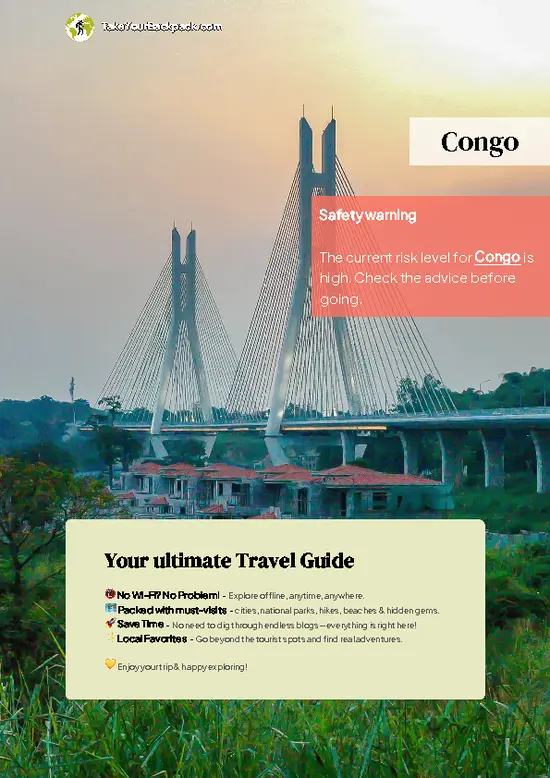
    Country photo of Congo

    We 💚 feedbackWhat to keep in mind

    Nganga Lingolo is a pulse of raw energy. The air is thick with the scent of earth after rain, and the laughter of locals fills the streets. The best surprise? Stumbling upon a vibrant market where colors and flavors collide—don’t miss the grilled plantains. Just a heads-up: the roads can be rough, so pack patience. Embrace the chaos; it’s part of the magic. You’ll leave with stories that linger long after you’ve gone.

    ✍️ Help improve this page!
    The information on this page is based on in-depth research, insights shared by experienced travelers, and feedback from the local travel community in Congo. While every effort is made to keep the information accurate and current, conditions can change — so if you spot anything incorrect or outdated, please get in touch.


    🙋‍♂️ Give feedback

    👋 Meet the founderWho’s Behind Take Your Backpack?

    Johan, backpacker and founder of TakeYourBackpackHi, I’m Johan (Netherlands 🇳🇱), the creator of TakeYourBackpack. Over the past decade, I’ve backpacked through 80+ countries across six continents, gaining extensive experience with independent travel, long-term trips, and overland routes.

    This site is built on a combination of firsthand travel experience and carefully curated insights from other backpackers. Many guides are based on places I’ve personally visited, while others bring together tips, observations, and practical advice shared by trusted travelers I’ve met along the way.

    The goal is to provide realistic, experience-driven guidance — not generic itineraries — so you can explore destinations with better context, clearer expectations, and more confidence.

    Get full Congo guide •
    Instant download • 57 highlights • Full Offline guide