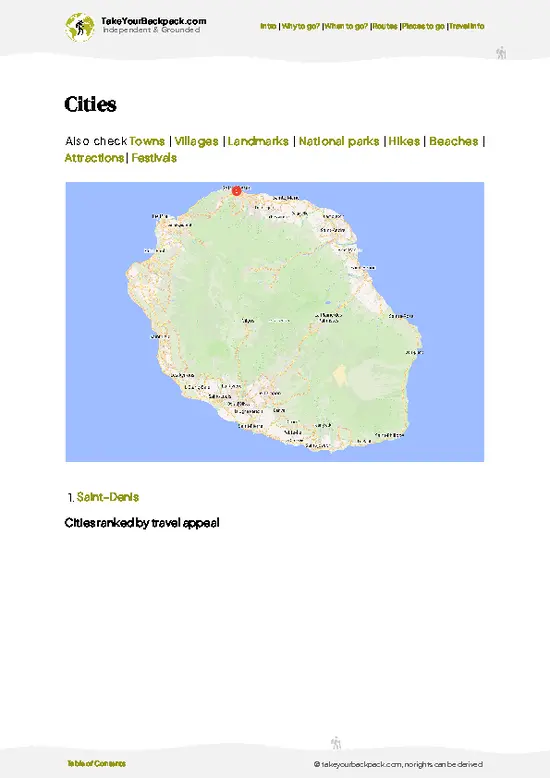
Le Barachois
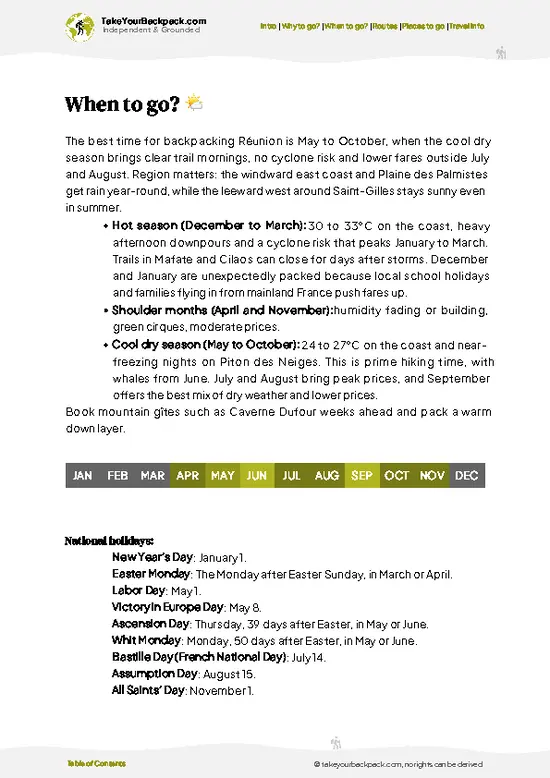
Saint-Denis’s oceanfront promenade is the city’s social pressure valve. Locals come here to walk, snack, and gossip under the shade of old cannons and banyan trees. You’re not here for solitude; you’re here to watch the city breathe. The best time is late afternoon, when the heat fades and food trucks roll in. Free to visit, but a few euros for a samosa or fresh juice is money well spent. Give it 45 minutes to an hour—longer if you want to join the locals for sunset.
Rue de Paris & Creole Mansions
This is the architectural backbone of Saint-Denis. The street is lined with 19th-century Creole mansions—think wide verandas, intricate woodwork, and gardens that look like they’ve been plotting a coup against the sidewalk. Some houses are now museums or government buildings, but even … read more 👉
Saint-Denis’s oceanfront promenade is the city’s social pressure valve. Locals come here to walk, snack, and gossip under the shade of old cannons and banyan trees. You’re not here for solitude; you’re here to watch the city breathe. The best time is late afternoon, when the heat fades and food trucks roll in. Free to visit, but a few euros for a samosa or fresh juice is money well spent. Give it 45 minutes to an hour—longer if you want to join the locals for sunset.
Rue de Paris & Creole Mansions
This is the architectural backbone of Saint-Denis. The street is lined with 19th-century Creole mansions—think wide verandas, intricate woodwork, and gardens that look like they’ve been plotting a coup against the sidewalk. Some houses are now museums or government buildings, but even … read more 👉
Le Barachois
Saint-Denis’s oceanfront promenade is the city’s social pressure valve. Locals come here to walk, snack, and gossip under the shade of old cannons and banyan trees. You’re not here for solitude; you’re here to watch the city breathe. The best time is late afternoon, when the heat fades and food trucks roll in. Free to visit, but a few euros for a samosa or fresh juice is money well spent. Give it 45 minutes to an hour—longer if you want to join the locals for sunset.
Rue de Paris & Creole Mansions
This is the architectural backbone of Saint-Denis. The street is lined with 19th-century Creole mansions—think wide verandas, intricate woodwork, and gardens that look like they’ve been plotting a coup against the sidewalk. Some houses are now museums or government buildings, but even a slow walk is a lesson in colonial ambition and tropical adaptation. Free, unless you enter a museum (expect 3-5 euros). Early morning or late afternoon is best for photos and shade. Allow 30-60 minutes, more if you linger in the gardens.
Jardin de l’État & Muséum d’Histoire Naturelle
This botanical garden is a green lung in the city’s heart, with a bonus: the island’s oldest natural history museum. The garden is free, and the museum (about 3 euros) is a time capsule of Réunion’s biodiversity and colonial science. The garden is at its coolest and quietest before noon. Expect 60-90 minutes for both, depending on your curiosity for taxidermy and tropical trees.
Grand Marché
The city’s main market is a riot of color, scent, and bargaining. Skip the tourist trinkets and focus on the local crafts—woven baskets, vanilla pods, and the kind of spice blends that make you want to cook, even if you never do. Open mornings, closed Sundays. Free to enter, but bring cash for small purchases. You can do a lap in 20 minutes, but an hour lets you chat with vendors and sample snacks.
La Mosquée Noor-e-Islam
The oldest mosque in France, built in 1905, is a working place of worship and a symbol of Réunion’s cultural mosaic. The exterior is striking, with its green-and-white minaret, and the surrounding streets pulse with Indo-Muslim life—bakeries, sari shops, and halal butchers. Non-Muslims can’t enter, but the area is worth a respectful stroll. Free, 15-30 minutes, best outside prayer times.
Temple Kalikambal
This Hindu temple is a riot of sculpted color, tucked between city blocks. It’s a living place of worship, so dress modestly and be discreet with photos. The temple’s gopuram (gateway tower) is a visual overload of gods and monsters, and ceremonies are often visible from the street. Free, 10-20 minutes, best in the morning.
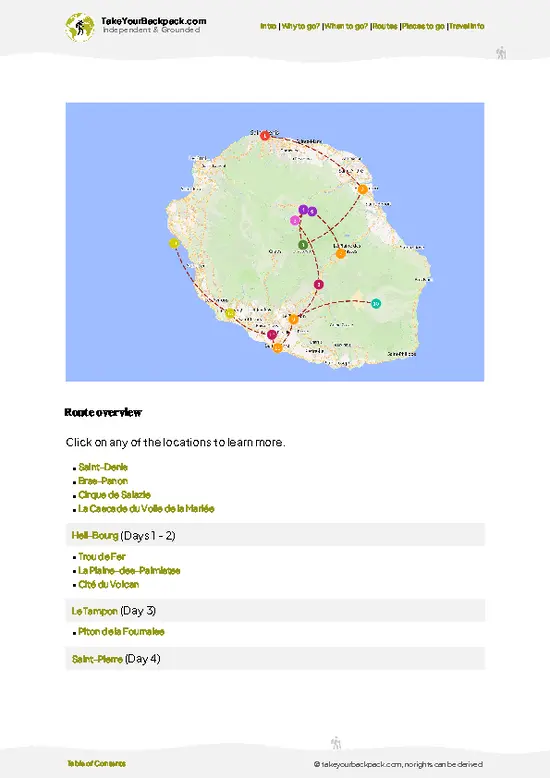
Saint-Denis is your launchpad: just outside the city, you’ll find the Cirque de Salazie’s waterfalls, the lunar landscapes of Piton de la Fournaise, and the black-sand beaches of Saint-Paul—all easy day trips that dial up the island’s drama.
Saint-Denis’s oceanfront promenade is the city’s social pressure valve. Locals come here to walk, snack, and gossip under the shade of old cannons and banyan trees. You’re not here for solitude; you’re here to watch the city breathe. The best time is late afternoon, when the heat fades and food trucks roll in. Free to visit, but a few euros for a samosa or fresh juice is money well spent. Give it 45 minutes to an hour—longer if you want to join the locals for sunset.
Rue de Paris & Creole Mansions
This is the architectural backbone of Saint-Denis. The street is lined with 19th-century Creole mansions—think wide verandas, intricate woodwork, and gardens that look like they’ve been plotting a coup against the sidewalk. Some houses are now museums or government buildings, but even a slow walk is a lesson in colonial ambition and tropical adaptation. Free, unless you enter a museum (expect 3-5 euros). Early morning or late afternoon is best for photos and shade. Allow 30-60 minutes, more if you linger in the gardens.
Jardin de l’État & Muséum d’Histoire Naturelle
This botanical garden is a green lung in the city’s heart, with a bonus: the island’s oldest natural history museum. The garden is free, and the museum (about 3 euros) is a time capsule of Réunion’s biodiversity and colonial science. The garden is at its coolest and quietest before noon. Expect 60-90 minutes for both, depending on your curiosity for taxidermy and tropical trees.
Grand Marché
The city’s main market is a riot of color, scent, and bargaining. Skip the tourist trinkets and focus on the local crafts—woven baskets, vanilla pods, and the kind of spice blends that make you want to cook, even if you never do. Open mornings, closed Sundays. Free to enter, but bring cash for small purchases. You can do a lap in 20 minutes, but an hour lets you chat with vendors and sample snacks.
La Mosquée Noor-e-Islam
The oldest mosque in France, built in 1905, is a working place of worship and a symbol of Réunion’s cultural mosaic. The exterior is striking, with its green-and-white minaret, and the surrounding streets pulse with Indo-Muslim life—bakeries, sari shops, and halal butchers. Non-Muslims can’t enter, but the area is worth a respectful stroll. Free, 15-30 minutes, best outside prayer times.
Temple Kalikambal
This Hindu temple is a riot of sculpted color, tucked between city blocks. It’s a living place of worship, so dress modestly and be discreet with photos. The temple’s gopuram (gateway tower) is a visual overload of gods and monsters, and ceremonies are often visible from the street. Free, 10-20 minutes, best in the morning.
Saint-Denis is your launchpad: just outside the city, you’ll find the Cirque de Salazie’s waterfalls, the lunar landscapes of Piton de la Fournaise, and the black-sand beaches of Saint-Paul—all easy day trips that dial up the island’s drama.
Spotted a mistake or missing something? Contact us.
v2.webp)

Best Backpacking
Hi, I’m Johan (Netherlands 🇳🇱), the creator of TakeYourBackpack. Over the past decade, I’ve backpacked through 80+ countries across six continents, gaining extensive experience with independent travel, long-term trips, and overland routes.