v2.webp)
The Windmills and Watermills
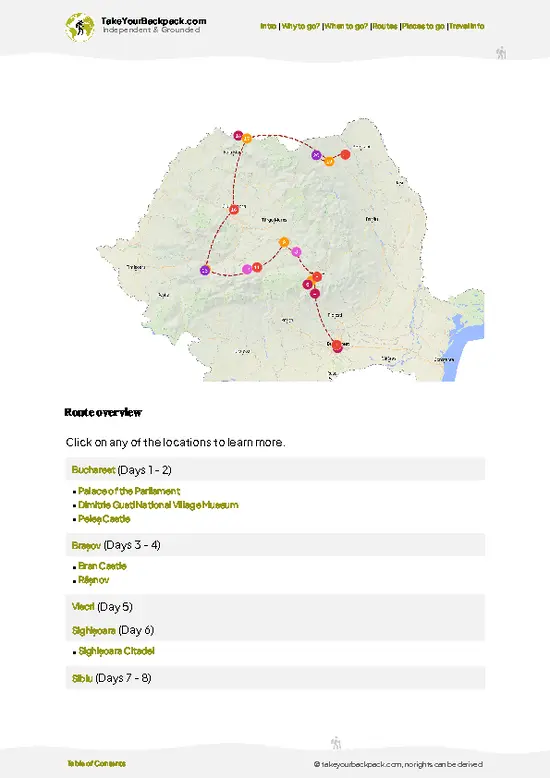
Forget the Instagram shots of quaint wooden houses—ASTRA’s real flex is its collection of windmills and watermills, scattered across the lakeside like a mechanical Stonehenge. These aren’t just props. You can walk right up, touch the ancient gears, and sometimes see them in action. The scale is wild: you’re not peeking over a velvet rope, you’re ducking under mill blades and hearing the creak of timber that’s outlasted empires. It’s kinetic history, not a diorama.
Traditional Workshops (Live Demonstrations)
Here’s where ASTRA leaves the “open-air museum” cliché in the dust. If you time it right, you’ll catch blacksmiths hammering out horseshoes, potters spinning clay, or weavers threading looms—all using techniques that predate your great-great-grandparents. This … read more 👉
Forget the Instagram shots of quaint wooden houses—ASTRA’s real flex is its collection of windmills and watermills, scattered across the lakeside like a mechanical Stonehenge. These aren’t just props. You can walk right up, touch the ancient gears, and sometimes see them in action. The scale is wild: you’re not peeking over a velvet rope, you’re ducking under mill blades and hearing the creak of timber that’s outlasted empires. It’s kinetic history, not a diorama.
Traditional Workshops (Live Demonstrations)
Here’s where ASTRA leaves the “open-air museum” cliché in the dust. If you time it right, you’ll catch blacksmiths hammering out horseshoes, potters spinning clay, or weavers threading looms—all using techniques that predate your great-great-grandparents. This … read more 👉
The Windmills and Watermills
Forget the Instagram shots of quaint wooden houses—ASTRA’s real flex is its collection of windmills and watermills, scattered across the lakeside like a mechanical Stonehenge. These aren’t just props. You can walk right up, touch the ancient gears, and sometimes see them in action. The scale is wild: you’re not peeking over a velvet rope, you’re ducking under mill blades and hearing the creak of timber that’s outlasted empires. It’s kinetic history, not a diorama.
Traditional Workshops (Live Demonstrations)
Here’s where ASTRA leaves the “open-air museum” cliché in the dust. If you time it right, you’ll catch blacksmiths hammering out horseshoes, potters spinning clay, or weavers threading looms—all using techniques that predate your great-great-grandparents. This isn’t a staged performance for tourists; these craftspeople are the real deal, and you can ask questions, get your hands dirty, or even buy something made on the spot. It’s a direct line to the skills that built rural Romania.
Village Festivals and Folk Events
ASTRA doesn’t just display history—it throws you into it. During festivals, the place erupts with music, dancing, and food stalls that smell like woodsmoke and wild herbs. Locals show up in full folk costume, and you’re not just watching from the sidelines. You’ll be handed a wooden spoon, pulled into a circle dance, or offered a shot of țuică (plum brandy) before you know what hit you. It’s messy, loud, and absolutely electric—nothing like the sanitized “cultural experiences” you’ll find in city museums.
The Lake and Rowboats
Most people snap a quick photo of the water and move on. Big mistake. Rent a rowboat and you’ll see the museum from a completely different angle: windmills reflected in the water, herons stalking the reeds, and the entire patchwork of historic buildings laid out like a storybook map. It’s peaceful, but not precious—there’s a rawness to the landscape that makes you feel like you’ve slipped through a crack in time.
Authentic Peasant Houses (and Their Interiors)
ASTRA’s houses aren’t just facades. Step inside and you’ll find soot-blackened hearths, hand-carved furniture, and everyday objects that tell you exactly how tough—and ingenious—rural life was. No airbrushed nostalgia here: you’ll see patched roofs, smoke stains, and the kind of practical beauty that comes from making do with what you have. It’s a crash course in resilience, not a fairy tale.
The Shepherd’s Settlement
This isn’t a petting zoo. The shepherd’s area is a working slice of mountain life, complete with sheepfolds, traditional cheese-making huts, and sometimes even real shepherds tending their flocks. If you’re lucky, you’ll catch a cheese-making demo or hear stories about wolf encounters and blizzards. It’s gritty, elemental, and about as far from the “Instagrammable” version of rural Romania as you can get.
Forget the Instagram shots of quaint wooden houses—ASTRA’s real flex is its collection of windmills and watermills, scattered across the lakeside like a mechanical Stonehenge. These aren’t just props. You can walk right up, touch the ancient gears, and sometimes see them in action. The scale is wild: you’re not peeking over a velvet rope, you’re ducking under mill blades and hearing the creak of timber that’s outlasted empires. It’s kinetic history, not a diorama.
Traditional Workshops (Live Demonstrations)
Here’s where ASTRA leaves the “open-air museum” cliché in the dust. If you time it right, you’ll catch blacksmiths hammering out horseshoes, potters spinning clay, or weavers threading looms—all using techniques that predate your great-great-grandparents. This isn’t a staged performance for tourists; these craftspeople are the real deal, and you can ask questions, get your hands dirty, or even buy something made on the spot. It’s a direct line to the skills that built rural Romania.
Village Festivals and Folk Events
ASTRA doesn’t just display history—it throws you into it. During festivals, the place erupts with music, dancing, and food stalls that smell like woodsmoke and wild herbs. Locals show up in full folk costume, and you’re not just watching from the sidelines. You’ll be handed a wooden spoon, pulled into a circle dance, or offered a shot of țuică (plum brandy) before you know what hit you. It’s messy, loud, and absolutely electric—nothing like the sanitized “cultural experiences” you’ll find in city museums.
The Lake and Rowboats
Most people snap a quick photo of the water and move on. Big mistake. Rent a rowboat and you’ll see the museum from a completely different angle: windmills reflected in the water, herons stalking the reeds, and the entire patchwork of historic buildings laid out like a storybook map. It’s peaceful, but not precious—there’s a rawness to the landscape that makes you feel like you’ve slipped through a crack in time.
Authentic Peasant Houses (and Their Interiors)
ASTRA’s houses aren’t just facades. Step inside and you’ll find soot-blackened hearths, hand-carved furniture, and everyday objects that tell you exactly how tough—and ingenious—rural life was. No airbrushed nostalgia here: you’ll see patched roofs, smoke stains, and the kind of practical beauty that comes from making do with what you have. It’s a crash course in resilience, not a fairy tale.
The Shepherd’s Settlement
This isn’t a petting zoo. The shepherd’s area is a working slice of mountain life, complete with sheepfolds, traditional cheese-making huts, and sometimes even real shepherds tending their flocks. If you’re lucky, you’ll catch a cheese-making demo or hear stories about wolf encounters and blizzards. It’s gritty, elemental, and about as far from the “Instagrammable” version of rural Romania as you can get.
Spotted a mistake or missing something? Contact us.


 Best Backpacking
.jpg) Hi, I’m Johan (Netherlands 🇳🇱), the creator of TakeYourBackpack. Over the past 3 decades, I’ve backpacked through 90+ countries across six continents, gaining extensive experience with independent travel, long-term trips, and overland routes.
Hi, I’m Johan (Netherlands 🇳🇱), the creator of TakeYourBackpack. Over the past 3 decades, I’ve backpacked through 90+ countries across six continents, gaining extensive experience with independent travel, long-term trips, and overland routes.