
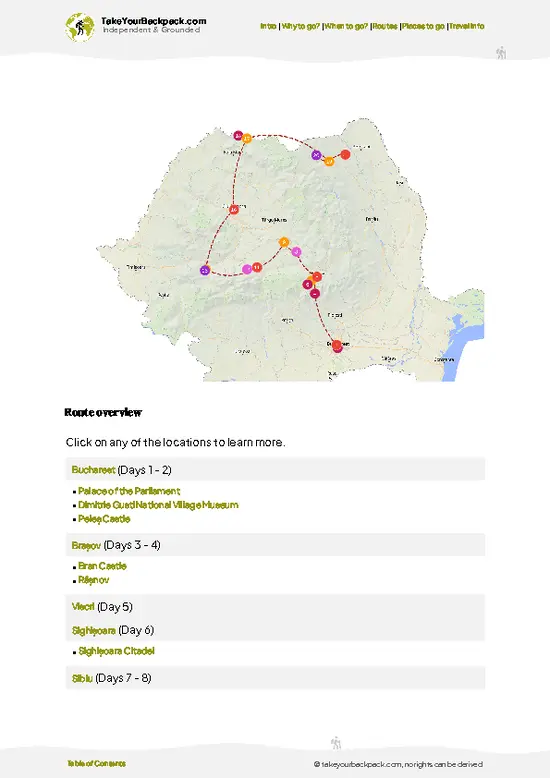
The Clock Tower (Turnul cu Ceas)
Forget the postcard-perfect angles—this is the real Sighișoara power move. The Clock Tower is the Citadel’s exclamation point, not just its centerpiece. Yes, you’ll dodge selfie sticks at the entrance, but climb the creaking wooden stairs anyway. The reward: a 360-degree view that’s pure Transylvania, with red-tiled roofs tumbling down the hill and the Târnava Mare River winding below. The clock’s mechanical figurines—medieval, slightly creepy, and still working—are a reminder that this place isn’t a museum piece. It’s alive, and it’s been keeping time since the 17th century. The museum inside? Actually worth it, especially for the weapons and pharmacy exhibits that feel more “witchy apothecary” than “dry history lesson.”
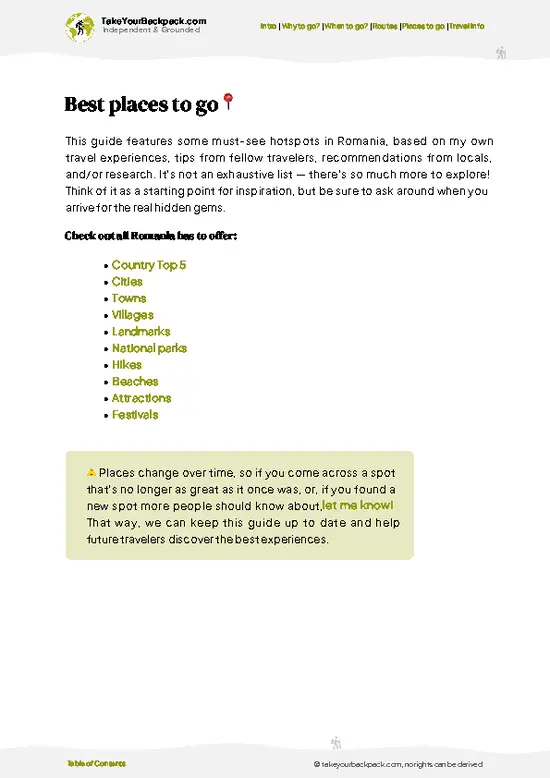
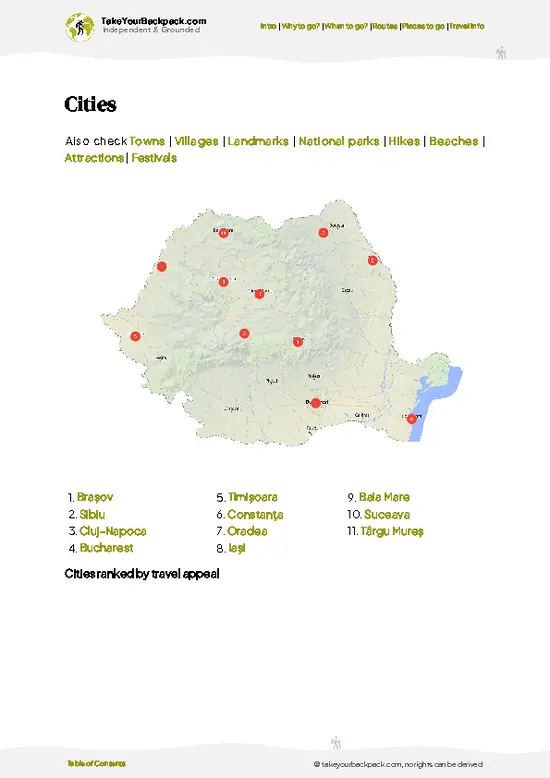
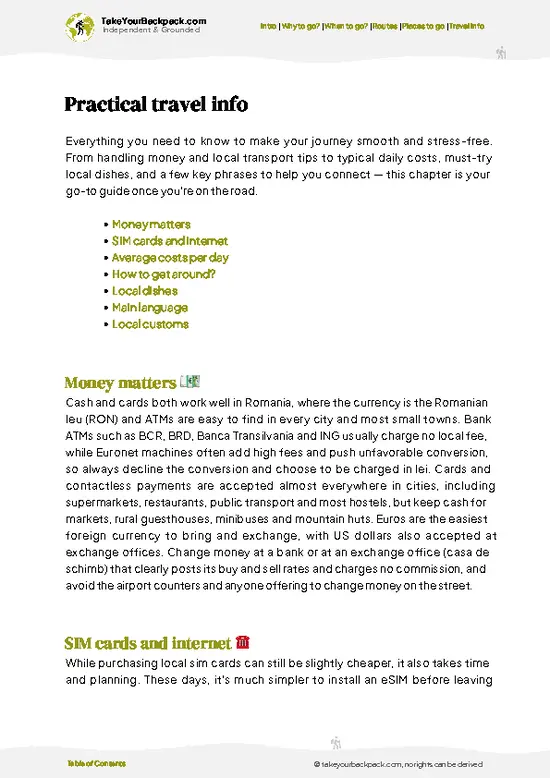
The Covered Staircase (Scara Acoperită)
This … read more 👉
The Clock Tower (Turnul cu Ceas)
Forget the postcard-perfect angles—this is the real Sighișoara power move. The Clock Tower is the Citadel’s exclamation point, not just its centerpiece. Yes, you’ll dodge selfie sticks at the entrance, but climb the creaking wooden stairs anyway. The reward: a 360-degree view that’s pure Transylvania, with red-tiled roofs tumbling down the hill and the Târnava Mare River winding below. The clock’s mechanical figurines—medieval, slightly creepy, and still working—are a reminder that this place isn’t a museum piece. It’s alive, and it’s been keeping time since the 17th century. The museum inside? Actually worth it, especially for the weapons and pharmacy exhibits that feel more “witchy apothecary” than “dry history lesson.”
The Covered Staircase (Scara Acoperită)
This isn’t just a staircase; it’s a rite of passage. Locals call it the Scholar’s Stairs, and it’s a shadowy, wooden tunnel that zigzags up to the Church on the Hill. In winter, it’s a windbreak; in summer, it’s a cool, echoing shortcut. The boards are worn smooth by centuries of hurried schoolchildren and, yes, a few out-of-shape tourists. It’s one of those rare places where you can feel the centuries under your boots. If you want a photo without a crowd, go early or late—otherwise, embrace the shuffle and let your imagination fill in the rest.
The Church on the Hill (Biserica din Deal)
Most people snap a photo from below and move on. Big mistake. Hike up (via the Covered Staircase, if you’re doing it right) and step inside. The church is a patchwork of Gothic, Baroque, and local quirks—faded frescoes, crypts with skulls, and a view that’s worth every bead of sweat. The graveyard outside is a lesson in Transylvanian history, with mossy stones and tangled roots. It’s quiet, a little eerie, and absolutely authentic. No filter needed.
The Citadel’s Streets After Dark
Daytime is for tour groups and souvenir hawkers. But after sunset, the cobblestones empty out, and the Citadel feels like a movie set—minus the crowds. Lantern light spills from tavern windows, and the pastel houses glow against the night sky. You’ll hear your own footsteps echo. This is when Sighișoara’s magic isn’t staged for anyone. If you want a taste of medieval Europe without the Instagram circus, this is your hour.
The Tailors’ Tower (Turnul Croitorilor)
Most people walk right past it, but this is the Citadel’s unsung hero. The Tailors’ Tower is a survivor—blasted open by an explosion in 1676, patched up, and still standing. It’s less polished than the Clock Tower, but that’s the point. You can see the scars, the old wooden gates, and the rough stonework. It’s a reminder that Sighișoara wasn’t built for tourists; it was built to keep people safe. And it did.
Spotted a mistake or missing something? Contact us.

Transylvania: Dracula's Castle and Birthplace Tour

Sighisoara and Biertan: UNESCO in Transylvania

Sighisoara Fortress Quest: Exploration Game and Tour

City Tour Sighisoara Legends & Landmarks A Walk Through Time

Guilds Towers and Dracula Self Guided Tour of Sighisoara

Castle Tour of Transylvania

Sighișoara Vlad Dracula Medieval Self Guided Audio Walking Tour

Sighisoara walking tour or the real house of Dracula -Outdoor experience

Sighisoara to Bucharest - Private Guided Transfer - Car and Driver


 Best Backpacking
 Hi, I’m Johan (Netherlands 🇳🇱), the creator of TakeYourBackpack. Over the past 3 decades, I’ve backpacked through 90+ countries across six continents, gaining extensive experience with independent travel, long-term trips, and overland routes.