How many to visit: Aim for
8 to 12 attractions over two weeks, which gives about one major stop every day or two. More than that and you spend the trip on buses, with rural roads often adding an hour to every plan. Fewer leaves the country half seen. That pace leaves time for the village lane at dusk, when woodsmoke hangs low and the only sound is a distant cowbell.
Prioritizing by travel style: Culture-minded travelers should lean toward
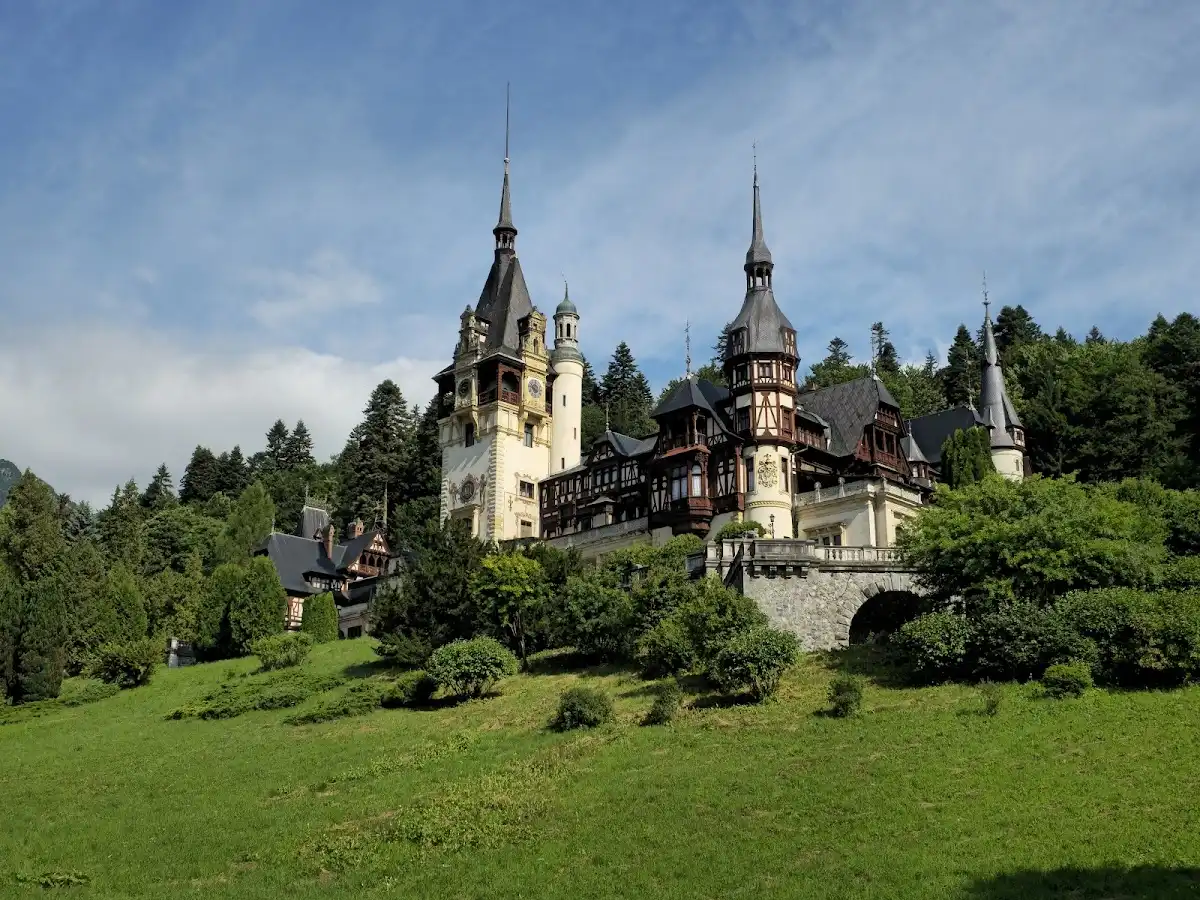
painted monasteries, wooden churches and Saxon towns, where the payoff is fresco color and cool stone interiors. Hikers should choose
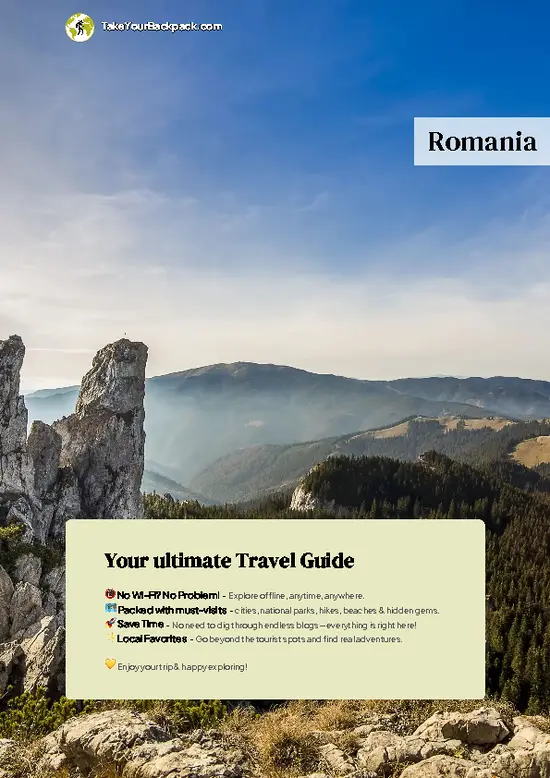
Carpathian trails, where you get ridge views and the smell of spruce after rain. Photographers and birders will find the
Danube Delta worth a boat day. Budget travelers can skip paid castles and city museums in favor of free …
read more 👉 How many to visit: Aim for
8 to 12 attractions over two weeks, which gives about one major stop every day or two. More than that and you spend the trip on buses, with rural roads often adding an hour to every plan. Fewer leaves the country half seen. That pace leaves time for the village lane at dusk, when woodsmoke hangs low and the only sound is a distant cowbell.
Prioritizing by travel style: Culture-minded travelers should lean toward
painted monasteries, wooden churches and Saxon towns, where the payoff is fresco color and cool stone interiors. Hikers should choose
Carpathian trails, where you get ridge views and the smell of spruce after rain. Photographers and birders will find the
Danube Delta worth a boat day. Budget travelers can skip paid castles and city museums in favor of free trails and village churches. Pick one kind as your anchor and mix in the rest.
Costs: Expect
US$35 to 60 a day (roughly 160 to 280 lei) for a backpacker staying in hostels and eating local food. Castle and museum entry usually runs 20 to 60 lei (US$4 to 13), monasteries and village churches 5 to 20 lei, with a photo fee at some. Guides for the Delta or mountain days cost roughly US$40 to 100 for a group, while a delta boat trip costs more. Local trains and buses between towns cost about 20 to 80 lei per leg. Carry cash, because rural ticket desks often skip cards.
Safety and culture: Romania is generally safe, but watch for
pickpockets in Bucharest metro and busy train stations, and for
unofficial taxis at the airport (use Bolt or Uber). In the mountains,
bears and sheepdogs are real concerns. Make noise on forest trails, never approach cubs, and give flock dogs a wide berth. Trails can lose their markings quickly, so download offline maps and check weather first. In churches and monasteries, cover your
shoulders and knees, women often need a headscarf or wraparound skirt (usually lent at the door), and men remove hats. Photography is restricted inside some, so look for signs. A few words of Romanian, like “mulțumesc” for thank you, are rewarded with warmer service and sometimes a second plum brandy.



 Best Backpacking
 Hi, I’m Johan (Netherlands 🇳🇱), the creator of TakeYourBackpack. Over the past 3 decades, I’ve backpacked through 90+ countries across six continents, gaining extensive experience with independent travel, long-term trips, and overland routes.