v2.webp)
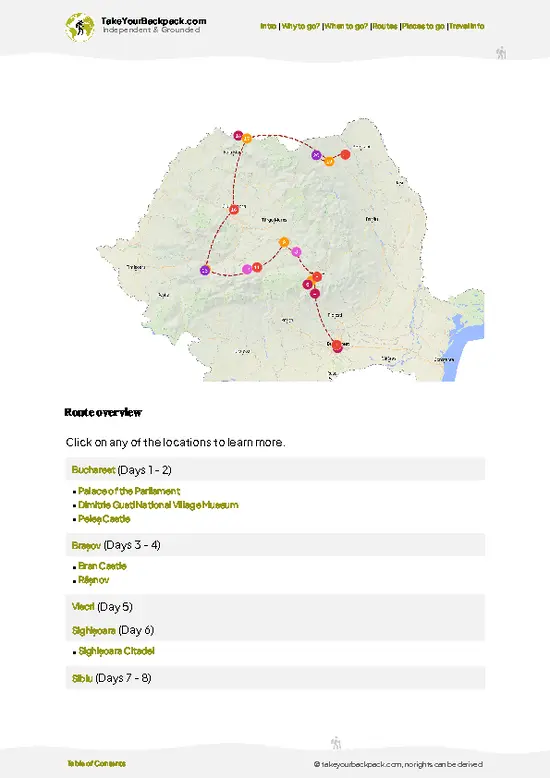
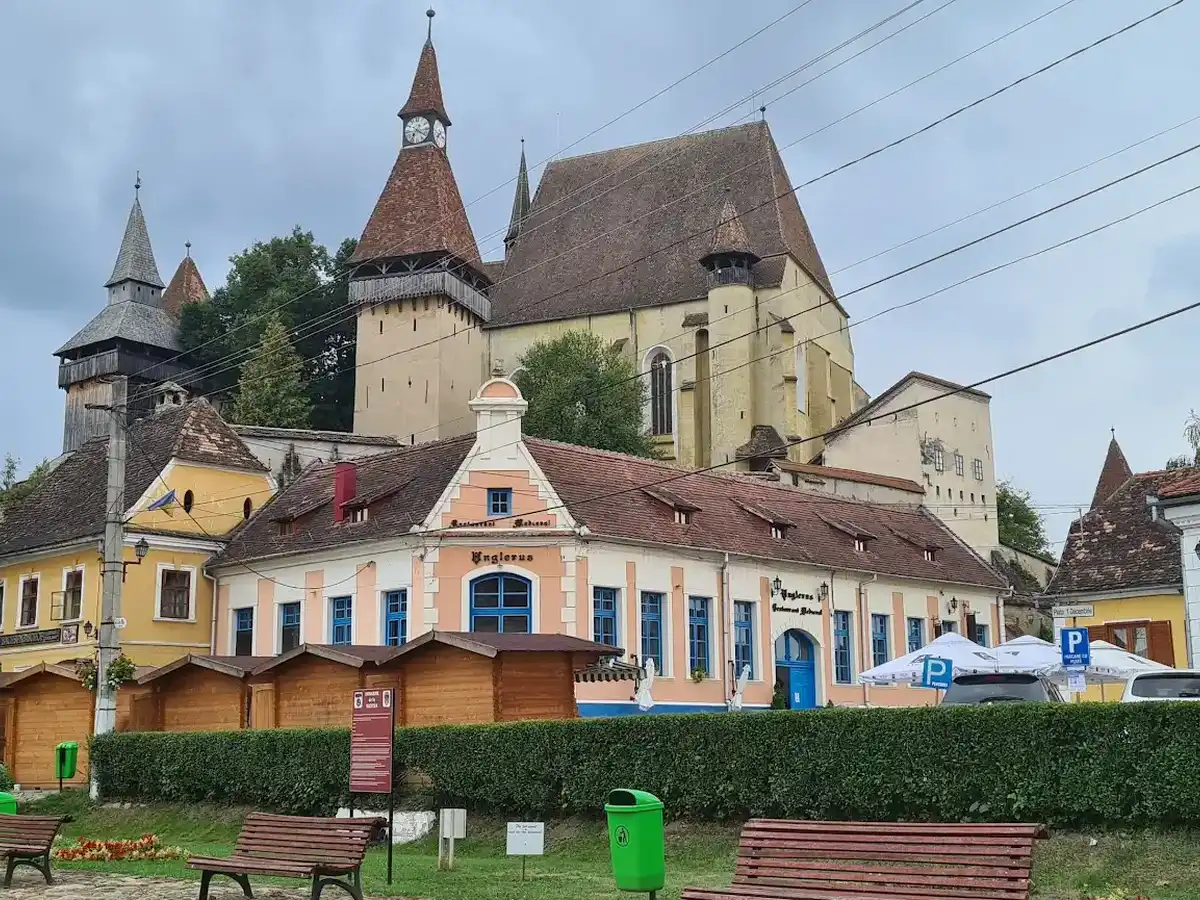
- Biertan Fortified Church (Biserica fortificată din Biertan) — The town’s showpiece and a UNESCO site: a massive late-medieval fortified church with thick walls, a baroque pulpit and a strong sense of history you can actually walk around and inside.
- The unique door-locking system and sacristy displays — Inside the church you’ll find the famous complex wooden locks and metalwork (the sort of medieval engineering you won’t see every day) along with liturgical objects that tell the story of the Transylvanian Saxon community.
- Concentric ramparts and defensive galleries — The multiple curtain walls and enclosed courtyards are physically visitable; climbing the ramparts or circling the layers gives a real feel for how the village defended itself for centuries.
- Towers and gatehouses of the fortress
- Biertan Fortified Church (Biserica fortificată din Biertan) — The town’s showpiece and a UNESCO site: a massive late-medieval fortified church with thick walls, a baroque pulpit and a strong sense of history you can actually walk around and inside.
- The unique door-locking system and sacristy displays — Inside the church you’ll find the famous complex wooden locks and metalwork (the sort of medieval engineering you won’t see every day) along with liturgical objects that tell the story of the Transylvanian Saxon community.
- Concentric ramparts and defensive galleries — The multiple curtain walls and enclosed courtyards are physically visitable; climbing the ramparts or circling the layers gives a real feel for how the village defended itself for centuries.
- Towers and gatehouses of the fortress — Several of the fortress towers and gateways are still standing and readable: each has its own scars and repairs, and walking among them gives a tangible sense of local craft and conflict.
- The former Lutheran bishop’s/parish house — Biertan was an ecclesiastical center for the Saxon church; the old parish buildings (exterior and some rooms accessible) carry that institutional history in their layout, carpentry and carved details.
- Saxon streets and traditional houses — The village itself is an open-air exhibit of old Saxon architecture: painted facades, stable-to-house layouts and carved wooden gates. Strolling the lanes is a quiet, character-rich experience.
- Evangelical (Saxon) cemetery — Weathered German and Saxon tombstones and funerary art offer a sober, personal view of the people who lived here; it’s a short, atmospheric stop that rewards slow reading of names and dates.
- Village viewpoints from the church hill — The church sits on a rise with clear sightlines over the Tarnava Mare valley; mornings and late afternoons are especially good for seeing the patchwork fields and nearby hamlets.
- Local wine cellars and household cellars — Biertan and the surrounding microregion have family cellars where you can often arrange tastings of local wines and hear first-hand stories about harvests, traditions and village life.
- Community spaces and guesthouse workshops — Small museums, guesthouses and craft workshops (often run by locals) show traditional crafts, offer simple home cooking, or host short talks about Saxon life—low-key but very human encounters that bring the village to life.
Spotted a mistake or missing something? Contact us.

Transylvania: Dracula's Castle and Birthplace Tour

Sighisoara and Biertan: UNESCO in Transylvania

Sighisoara Fortress Quest: Exploration Game and Tour

City Tour Sighisoara Legends & Landmarks A Walk Through Time

Guilds Towers and Dracula Self Guided Tour of Sighisoara

Castle Tour of Transylvania

Sighișoara Vlad Dracula Medieval Self Guided Audio Walking Tour

Sighisoara walking tour or the real house of Dracula -Outdoor experience

Sighisoara to Bucharest - Private Guided Transfer - Car and Driver

 Best Backpacking
.jpg) Hi, I’m Johan (Netherlands 🇳🇱), the creator of TakeYourBackpack. Over the past 3 decades, I’ve backpacked through 90+ countries across six continents, gaining extensive experience with independent travel, long-term trips, and overland routes.
Hi, I’m Johan (Netherlands 🇳🇱), the creator of TakeYourBackpack. Over the past 3 decades, I’ve backpacked through 90+ countries across six continents, gaining extensive experience with independent travel, long-term trips, and overland routes.