v2.webp)
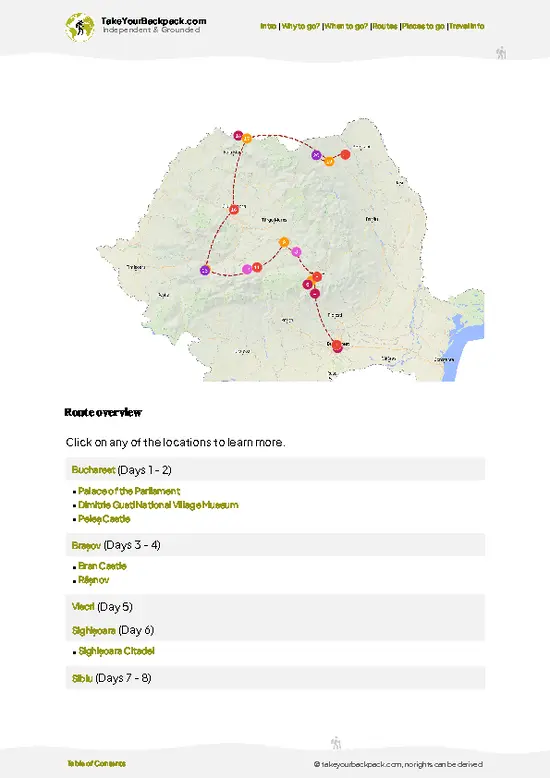
The Grand Staircase
Forget the Instagram shots of endless marble—this is the real deal, and it’s absurdly over-the-top. The staircase is so wide and dramatic, you half-expect a dictator to descend with a cape flapping behind him. It’s not just for show: Ceaușescu wanted to impress (or intimidate) foreign dignitaries, and you feel that power-play in every echoing footstep. The sheer scale is almost comical, but it’s also a rare, physical manifestation of political ego—one you can actually walk on.
The Hall of Human Rights
This isn’t just another gilded chamber. The Hall of Human Rights is a cavernous, chandelier-drenched space that’s hosted everything from international summits to fashion shows. The irony isn’t lost on anyone: a room built by a regime infamous for ignoring human rights, now … read more 👉
Forget the Instagram shots of endless marble—this is the real deal, and it’s absurdly over-the-top. The staircase is so wide and dramatic, you half-expect a dictator to descend with a cape flapping behind him. It’s not just for show: Ceaușescu wanted to impress (or intimidate) foreign dignitaries, and you feel that power-play in every echoing footstep. The sheer scale is almost comical, but it’s also a rare, physical manifestation of political ego—one you can actually walk on.
The Hall of Human Rights
This isn’t just another gilded chamber. The Hall of Human Rights is a cavernous, chandelier-drenched space that’s hosted everything from international summits to fashion shows. The irony isn’t lost on anyone: a room built by a regime infamous for ignoring human rights, now … read more 👉
The Grand Staircase
Forget the Instagram shots of endless marble—this is the real deal, and it’s absurdly over-the-top. The staircase is so wide and dramatic, you half-expect a dictator to descend with a cape flapping behind him. It’s not just for show: Ceaușescu wanted to impress (or intimidate) foreign dignitaries, and you feel that power-play in every echoing footstep. The sheer scale is almost comical, but it’s also a rare, physical manifestation of political ego—one you can actually walk on.
The Hall of Human Rights
This isn’t just another gilded chamber. The Hall of Human Rights is a cavernous, chandelier-drenched space that’s hosted everything from international summits to fashion shows. The irony isn’t lost on anyone: a room built by a regime infamous for ignoring human rights, now used for global dialogue. The acoustics are wild, the proportions are surreal, and the sense of history—both dark and redemptive—hangs in the air.
The View from the Balcony
Most people don’t realize you can stand on the very balcony where Ceaușescu planned to address the masses (he never got the chance). The view down Bulevardul Unirii is pure urban theater: a dictator’s fantasy of grandeur, stretching all the way to the fountains. It’s a rare moment where you can literally see how architecture was used as propaganda. The city sprawls beneath you, and for a second, you get a dictator’s-eye view—minus the paranoia.
The Crystal Chandeliers
These aren’t your grandma’s light fixtures. The Palace is home to some of the heaviest chandeliers in Europe—one weighs over three tons. They’re all Romanian crystal, custom-made, and so ostentatious they border on satire. But stand beneath one, and you’ll feel the weight of history (and maybe a little anxiety about the ceiling’s structural integrity). It’s a masterclass in excess, and weirdly, it’s mesmerizing.
The Underground Bunkers
This is where the Instagram crowd thins out. Deep below the marble and velvet, the Palace hides a network of tunnels and bunkers designed for Ceaușescu’s escape. Most tours only hint at them, but if you get a guide who’s willing, you’ll hear stories that sound straight out of a Cold War thriller. It’s a reminder that beneath all the bling, paranoia and fear shaped every inch of this place.
The Sheer Absurdity of Scale
You can’t really grasp the size of the Palace until you’re inside. It’s the world’s heaviest building, and the second largest administrative building after the Pentagon. Corridors stretch for what feels like miles. Rooms are so big you could play soccer in them. It’s not beautiful in the traditional sense, but it’s jaw-dropping in its audacity. The entertainment is in the shock—how did anyone think this was a good idea? And yet, here it stands, a monument to ambition run amok.
Forget the Instagram shots of endless marble—this is the real deal, and it’s absurdly over-the-top. The staircase is so wide and dramatic, you half-expect a dictator to descend with a cape flapping behind him. It’s not just for show: Ceaușescu wanted to impress (or intimidate) foreign dignitaries, and you feel that power-play in every echoing footstep. The sheer scale is almost comical, but it’s also a rare, physical manifestation of political ego—one you can actually walk on.
The Hall of Human Rights
This isn’t just another gilded chamber. The Hall of Human Rights is a cavernous, chandelier-drenched space that’s hosted everything from international summits to fashion shows. The irony isn’t lost on anyone: a room built by a regime infamous for ignoring human rights, now used for global dialogue. The acoustics are wild, the proportions are surreal, and the sense of history—both dark and redemptive—hangs in the air.
The View from the Balcony
Most people don’t realize you can stand on the very balcony where Ceaușescu planned to address the masses (he never got the chance). The view down Bulevardul Unirii is pure urban theater: a dictator’s fantasy of grandeur, stretching all the way to the fountains. It’s a rare moment where you can literally see how architecture was used as propaganda. The city sprawls beneath you, and for a second, you get a dictator’s-eye view—minus the paranoia.
The Crystal Chandeliers
These aren’t your grandma’s light fixtures. The Palace is home to some of the heaviest chandeliers in Europe—one weighs over three tons. They’re all Romanian crystal, custom-made, and so ostentatious they border on satire. But stand beneath one, and you’ll feel the weight of history (and maybe a little anxiety about the ceiling’s structural integrity). It’s a masterclass in excess, and weirdly, it’s mesmerizing.
The Underground Bunkers
This is where the Instagram crowd thins out. Deep below the marble and velvet, the Palace hides a network of tunnels and bunkers designed for Ceaușescu’s escape. Most tours only hint at them, but if you get a guide who’s willing, you’ll hear stories that sound straight out of a Cold War thriller. It’s a reminder that beneath all the bling, paranoia and fear shaped every inch of this place.
The Sheer Absurdity of Scale
You can’t really grasp the size of the Palace until you’re inside. It’s the world’s heaviest building, and the second largest administrative building after the Pentagon. Corridors stretch for what feels like miles. Rooms are so big you could play soccer in them. It’s not beautiful in the traditional sense, but it’s jaw-dropping in its audacity. The entertainment is in the shock—how did anyone think this was a good idea? And yet, here it stands, a monument to ambition run amok.
Spotted a mistake or missing something? Contact us.
Private Walking Tour: Essential Bucharest + Hidden Gems

Contrasts of Communism - Small Group Walking Tour in Bucharest

Private Tour to Dracula's Castle, Peles Castle from Bucharest

Bucharest Jewish Heritage | Holocaust Memorial | Private Car Tour

Bucharest: Communism, Revolution & City Highlights Tour

Life in Communism

Bicycle Sightseeing in Bucharest

Wine Tasting in Bucharest long version

Full-Day Private Tour to Sinaia, Bran and Brasov from Bucharest


 Best Backpacking
.jpg) Hi, I’m Johan (Netherlands 🇳🇱), the creator of TakeYourBackpack. Over the past 3 decades, I’ve backpacked through 90+ countries across six continents, gaining extensive experience with independent travel, long-term trips, and overland routes.
Hi, I’m Johan (Netherlands 🇳🇱), the creator of TakeYourBackpack. Over the past 3 decades, I’ve backpacked through 90+ countries across six continents, gaining extensive experience with independent travel, long-term trips, and overland routes.