v2.webp)
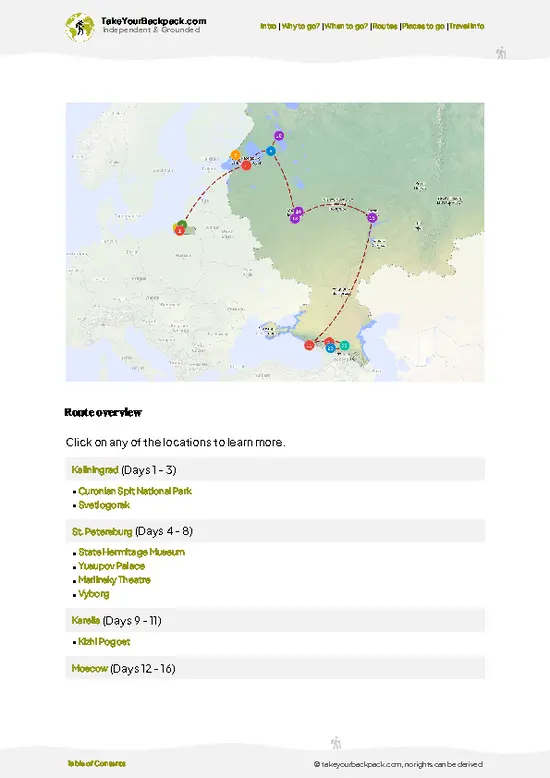

- Fyodor Dostoevsky House-Museum — The real draw for literature fans: the apartment where Dostoevsky stayed, preserved rooms and manuscripts, plus rotating exhibits about his time in town and how Staraya Russa seeped into his work.
- Staraya Russa balneological resort & Kurort Park — Centuries-old mineral springs and the old sanatorium buildings; worth a stroll through the park even if you skip the treatments — the promenades and period architecture give you the town’s spa-town vibe.
- Local History (Kraevedchesky) Museum — Compact but packed with context: exhibits on salt production, local crafts, WWII history and everyday life in the Novgorod region. Good starting point to understand why the town looks and feels the way it does.
- Historic saltworks area (solyanki) — Staraya Russa grew around
- Fyodor Dostoevsky House-Museum — The real draw for literature fans: the apartment where Dostoevsky stayed, preserved rooms and manuscripts, plus rotating exhibits about his time in town and how Staraya Russa seeped into his work.
- Staraya Russa balneological resort & Kurort Park — Centuries-old mineral springs and the old sanatorium buildings; worth a stroll through the park even if you skip the treatments — the promenades and period architecture give you the town’s spa-town vibe.
- Local History (Kraevedchesky) Museum — Compact but packed with context: exhibits on salt production, local crafts, WWII history and everyday life in the Novgorod region. Good starting point to understand why the town looks and feels the way it does.
- Historic saltworks area (solyanki) — Staraya Russa grew around salt. You can visit the old salt-making sites and related exhibits to see how evaporation pans and trade shaped the town’s economy for centuries.
- Transfiguration (Spaso-Preobrazhensky) church/monastery complex — One of the town’s most atmospheric religious sites: layered architecture, old iconography and cemetery stones. It’s a quiet place that connects medieval Novgorod spiritual life to the town’s later history.
- Riverside old town and wooden merchant houses — Walk the embankment along the Polist and through the backstreets to find well-worn wooden façades, painted balconies and small courtyards. Best for slow photography and feeling how merchants and spa guests mixed here.
- Dostoevsky memorial spots and small literary installations — Scattered benches, plaques and a modest monument create a small “literary trail” through town. It’s low-key but meaningful when you’re tracing the author’s footsteps.
- War memorials and Victory Square — The town takes its WWII memory seriously; the memorial complex and local monuments are respectful, easy to visit, and provide insight into local wartime stories and losses.
- City art gallery / House of Culture — Local painters, traveling regional shows and craft evenings happen here. Not flashy, but a good place to meet locals and see contemporary takes on regional identity.
- Central market and pedestrian streets — The living, breathing part of town: seasonal stalls, local foodstuffs, honey, smoked fish and baked goods. Great for a snack, casual people-watching and picking up small souvenirs.
Spotted a mistake or missing something? Contact us.

 Best Backpacking
.jpg) Hi, I’m Johan (Netherlands 🇳🇱), the creator of TakeYourBackpack. Over the past 3 decades, I’ve backpacked through 90+ countries across six continents, gaining extensive experience with independent travel, long-term trips, and overland routes.
Hi, I’m Johan (Netherlands 🇳🇱), the creator of TakeYourBackpack. Over the past 3 decades, I’ve backpacked through 90+ countries across six continents, gaining extensive experience with independent travel, long-term trips, and overland routes.