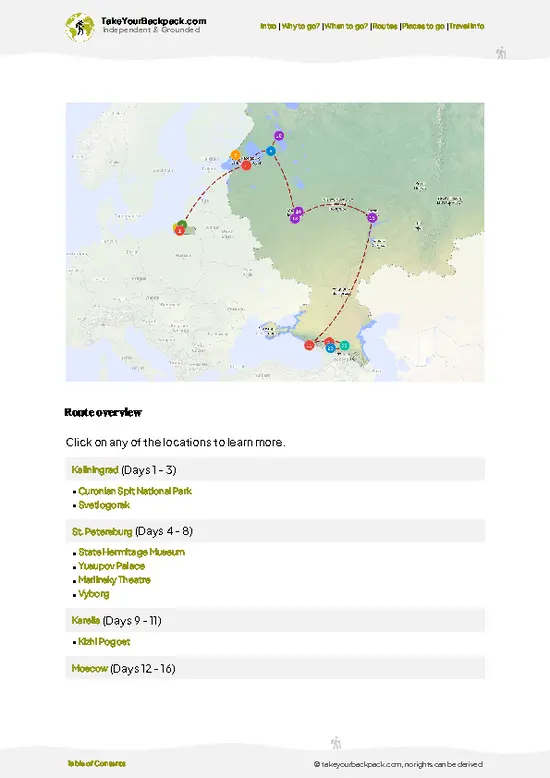
v2.webp)
Suzdal Kremlin
The Suzdal Kremlin isn’t just a relic—it’s the pulse of the town’s thousand-year-old story. Step through the whitewashed walls and you’re in a world where the air smells faintly of river mud and old wood, and the blue domes of the Nativity Cathedral catch the sun like a beacon. Inside, icons glow in the half-light and the silence is thick, broken only by the creak of floorboards. The Kremlin is best in the early morning, when the tour buses haven’t arrived and the mist still clings to the Kamenka River. Entry is around 400 rubles for the cathedral and museum. Give yourself at least 90 minutes; more if you want to linger in the quiet corners or climb the bell tower for a view that makes the walk up feel like a pilgrimage.
Museum of Wooden Architecture and Peasant Life
Suzdal’s … read more 👉
The Suzdal Kremlin isn’t just a relic—it’s the pulse of the town’s thousand-year-old story. Step through the whitewashed walls and you’re in a world where the air smells faintly of river mud and old wood, and the blue domes of the Nativity Cathedral catch the sun like a beacon. Inside, icons glow in the half-light and the silence is thick, broken only by the creak of floorboards. The Kremlin is best in the early morning, when the tour buses haven’t arrived and the mist still clings to the Kamenka River. Entry is around 400 rubles for the cathedral and museum. Give yourself at least 90 minutes; more if you want to linger in the quiet corners or climb the bell tower for a view that makes the walk up feel like a pilgrimage.
Museum of Wooden Architecture and Peasant Life
Suzdal’s … read more 👉
Suzdal Kremlin
The Suzdal Kremlin isn’t just a relic—it’s the pulse of the town’s thousand-year-old story. Step through the whitewashed walls and you’re in a world where the air smells faintly of river mud and old wood, and the blue domes of the Nativity Cathedral catch the sun like a beacon. Inside, icons glow in the half-light and the silence is thick, broken only by the creak of floorboards. The Kremlin is best in the early morning, when the tour buses haven’t arrived and the mist still clings to the Kamenka River. Entry is around 400 rubles for the cathedral and museum. Give yourself at least 90 minutes; more if you want to linger in the quiet corners or climb the bell tower for a view that makes the walk up feel like a pilgrimage.
Museum of Wooden Architecture and Peasant Life
Suzdal’s open-air museum is a living lesson in rural Russia, minus the kitsch. Here, the scent of pine and birch lingers in the air, and the wind rattles the shutters of centuries-old farmhouses and wooden churches. You can duck inside a log izba and feel the chill of a Russian winter, or watch a blacksmith hammer iron in a smoky forge. It’s immersive, not staged—especially on weekends, when local craftspeople demonstrate old trades. Spring and autumn are ideal: fewer crowds, softer light, and the grass still green underfoot. Entry is about 400 rubles. Plan for 1.5-2 hours, more if you catch a festival or folk performance.
Trading Rows (Torgovye Ryady)
This 19th-century arcade is Suzdal’s social heart. The colonnades echo with footsteps and the chatter of locals selling honey, pickles, and hand-embroidered linens. The best time to visit is late morning, when the stalls are full and the air is thick with the smell of fresh bread and smoked fish. Prices are negotiable, but expect to pay 100-300 rubles for snacks or souvenirs. You can see the whole place in 30 minutes, but it’s worth lingering—grab a pastry, watch the world go by, and let the rhythm of small-town Russia sink in.
Monastery of Saint Euthymius
This fortress-like monastery is a study in contrasts: thick red-brick walls outside, hushed gardens and golden icons within. The real draw is the echoing sound of the prison museum—grim cells and stories that make the past feel close enough to touch. If you time it right, you’ll catch the bell-ringers practicing, their music rolling over the ramparts. Late afternoon is best, when the light slants through the apple orchards and the crowds thin out. Entry is about 400 rubles, with an extra fee for the bell tower. Allow 2 hours to do it justice.
Church of Boris and Gleb in Kideksha
Technically just outside Suzdal’s official boundary but still part of its living orbit, this church is where Suzdal’s story begins. The stone walls are rough, the frescoes faded, but the sense of age is palpable. Early morning is magical, with dew on the grass and the Volga countryside stretching out in silence. Entry is around 200 rubles. You only need 30-40 minutes, but the quiet lingers with you.
If you’re hungry for more, day trips from Suzdal open up the Golden Ring’s deeper layers: the fortress churches of Vladimir, the frescoes of Bogolyubovo, and the wildflower meadows around Yuryev-Polsky. My personal favorite? The Church of the Intercession on the Nerl—especially at sunrise, when the mist and silence make the centuries feel close enough to touch.
The Suzdal Kremlin isn’t just a relic—it’s the pulse of the town’s thousand-year-old story. Step through the whitewashed walls and you’re in a world where the air smells faintly of river mud and old wood, and the blue domes of the Nativity Cathedral catch the sun like a beacon. Inside, icons glow in the half-light and the silence is thick, broken only by the creak of floorboards. The Kremlin is best in the early morning, when the tour buses haven’t arrived and the mist still clings to the Kamenka River. Entry is around 400 rubles for the cathedral and museum. Give yourself at least 90 minutes; more if you want to linger in the quiet corners or climb the bell tower for a view that makes the walk up feel like a pilgrimage.
Museum of Wooden Architecture and Peasant Life
Suzdal’s open-air museum is a living lesson in rural Russia, minus the kitsch. Here, the scent of pine and birch lingers in the air, and the wind rattles the shutters of centuries-old farmhouses and wooden churches. You can duck inside a log izba and feel the chill of a Russian winter, or watch a blacksmith hammer iron in a smoky forge. It’s immersive, not staged—especially on weekends, when local craftspeople demonstrate old trades. Spring and autumn are ideal: fewer crowds, softer light, and the grass still green underfoot. Entry is about 400 rubles. Plan for 1.5-2 hours, more if you catch a festival or folk performance.
Trading Rows (Torgovye Ryady)
This 19th-century arcade is Suzdal’s social heart. The colonnades echo with footsteps and the chatter of locals selling honey, pickles, and hand-embroidered linens. The best time to visit is late morning, when the stalls are full and the air is thick with the smell of fresh bread and smoked fish. Prices are negotiable, but expect to pay 100-300 rubles for snacks or souvenirs. You can see the whole place in 30 minutes, but it’s worth lingering—grab a pastry, watch the world go by, and let the rhythm of small-town Russia sink in.
Monastery of Saint Euthymius
This fortress-like monastery is a study in contrasts: thick red-brick walls outside, hushed gardens and golden icons within. The real draw is the echoing sound of the prison museum—grim cells and stories that make the past feel close enough to touch. If you time it right, you’ll catch the bell-ringers practicing, their music rolling over the ramparts. Late afternoon is best, when the light slants through the apple orchards and the crowds thin out. Entry is about 400 rubles, with an extra fee for the bell tower. Allow 2 hours to do it justice.
Church of Boris and Gleb in Kideksha
Technically just outside Suzdal’s official boundary but still part of its living orbit, this church is where Suzdal’s story begins. The stone walls are rough, the frescoes faded, but the sense of age is palpable. Early morning is magical, with dew on the grass and the Volga countryside stretching out in silence. Entry is around 200 rubles. You only need 30-40 minutes, but the quiet lingers with you.
If you’re hungry for more, day trips from Suzdal open up the Golden Ring’s deeper layers: the fortress churches of Vladimir, the frescoes of Bogolyubovo, and the wildflower meadows around Yuryev-Polsky. My personal favorite? The Church of the Intercession on the Nerl—especially at sunrise, when the mist and silence make the centuries feel close enough to touch.
Spotted a mistake or missing something? Contact us.

 Best Backpacking
.jpg) Hi, I’m Johan (Netherlands 🇳🇱), the creator of TakeYourBackpack. Over the past 3 decades, I’ve backpacked through 90+ countries across six continents, gaining extensive experience with independent travel, long-term trips, and overland routes.
Hi, I’m Johan (Netherlands 🇳🇱), the creator of TakeYourBackpack. Over the past 3 decades, I’ve backpacked through 90+ countries across six continents, gaining extensive experience with independent travel, long-term trips, and overland routes.