×

Russia🇷🇺 | best townsEssential 6 towns to Explore in Russia

In Russia, the best towns offer a rich tapestry of culture, history, and local charm that can significantly shape your backpacking experience. Each region presents its own unique vibe, influenced by geography, climate, and local traditions. From the bustling streets of Moscow to the serene landscapes of Vladimir, the choice of town can dictate not just your itinerary but also your budget and safety.

Towns in Russia vary widely. For instance, Siberian towns like Irkutsk provide a gateway to Lake Baikal, while St. Petersburg dazzles with its imperial architecture and vibrant arts scene. Seasonal nuances also play a crucial role; winter can transform towns into snowy wonderlands, but it can also complicate travel logistics.

Choosing the right town impacts your cultural immersion. Smaller towns often offer more authentic interactions with locals, while larger cities may present a more cosmopolitan experience. Walkability is another factor; some towns are best explored on foot, allowing you to soak in the atmosphere and discover hidden corners. Understanding these dynamics will help you navigate your journey effectively, ensuring that your energy and budget are preserved for the moments that truly matter.

By Johan Kruseman 🇳🇱 | Updated June 14, 2026
Explore the best villages in Russia

Why go?What Makes Them Special

In Russia, towns are more than mere stops on a map; they embody the country’s vast cultural tapestry and regional diversity. Each town offers a unique glimpse into the local way of life, shaped by history, geography, and climate. The pace of life varies significantly from bustling urban centers to quiet rural enclaves, allowing travelers to experience a spectrum of Russian culture.

The culinary scene in these towns reflects regional ingredients and traditions. From hearty Siberian dishes to the delicate flavors of the Volga region, food becomes a lens through which to understand local customs. This culinary diversity is not just about sustenance; it’s a celebration of community and heritage, often best experienced in local markets or family-run eateries.

Geographically, Russia is a land … read more 👉
In Russia, towns are more than mere stops on a map; they embody the country’s vast cultural tapestry and regional diversity. Each town offers a unique glimpse into the local way of life, shaped by history, geography, and climate. The pace of life varies significantly from bustling urban centers to quiet rural enclaves, allowing travelers to experience a spectrum of Russian culture.

The culinary scene in these towns reflects regional ingredients and traditions. From hearty Siberian dishes to the delicate flavors of the Volga region, food becomes a lens through which to understand local customs. This culinary diversity is not just about sustenance; it’s a celebration of community and heritage, often best experienced in local markets or family-run eateries.

Geographically, Russia is a land of extremes, with vast distances between towns that can affect travel plans. While the infrastructure has improved in recent years, long travel times can be a reality. This means that clustering towns in a single itinerary can enhance depth of exploration but may also require careful planning to avoid fatigue. The trade-off between accessibility and immersive experiences is crucial; some towns may be harder to reach but offer richer cultural insights.

Climatically, Russia presents its own challenges. Harsh winters can limit travel options, while summer brings a vibrant energy to towns, with festivals and outdoor activities. Understanding the seasonal rhythms is essential for maximizing the experience.

Moreover, the historical context of each town adds layers to the travel experience. Many towns have been shaped by significant events, from the rise and fall of empires to the everyday lives of ordinary people. This historical backdrop enriches the journey, offering travelers a chance to connect with the past in a tangible way.

In summary, the towns of Russia are unique in their ability to convey the essence of the country’s diverse culture and history. However, travelers should be mindful of the constraints posed by geography, climate, and infrastructure. Balancing travel time with the desire for deeper exploration is key to making the most of these experiences. Understanding these factors will not only preserve energy and budget but also enhance the overall journey through this complex and fascinating land.
How the List Was Created
The list of best towns in Russia is created based on charm, local culture, atmosphere, hidden gems, and visitor appeal. If you feel a town is missing in this list, please let us know.

When to go?Timing Your Visit for the Best Experience

Seasonality in Russia’s Towns


Weather in Russia varies dramatically across the seasons, influencing local life and travel experiences. Winter, spanning from late November to early March, brings frigid temperatures and heavy snowfall. This season transforms towns into winter wonderlands, but it also means shorter days and potential travel disruptions due to snow. Visitors should prepare for icy conditions and limited daylight, which can affect outdoor activities and sightseeing.

Spring, from March to May, marks a transition. Temperatures gradually rise, and towns begin to awaken from their winter slumber. This is a shoulder season, offering a balance between fewer crowds and blossoming landscapes. However, early spring can still be chilly, and mud from melting snow can make some areas less … read more 👉

Seasonality in Russia’s Towns


Weather in Russia varies dramatically across the seasons, influencing local life and travel experiences. Winter, spanning from late November to early March, brings frigid temperatures and heavy snowfall. This season transforms towns into winter wonderlands, but it also means shorter days and potential travel disruptions due to snow. Visitors should prepare for icy conditions and limited daylight, which can affect outdoor activities and sightseeing.

Spring, from March to May, marks a transition. Temperatures gradually rise, and towns begin to awaken from their winter slumber. This is a shoulder season, offering a balance between fewer crowds and blossoming landscapes. However, early spring can still be chilly, and mud from melting snow can make some areas less accessible. Late spring is ideal for those wanting to experience local festivals and the vibrant re-emergence of community life.

Summer, particularly June through August, is peak season for many towns. The weather is generally warm, with long daylight hours. This is when towns come alive with festivals, outdoor markets, and cultural events. However, the influx of tourists can lead to crowded attractions and higher prices. Travelers should book accommodations and transport in advance to avoid last-minute hassles.

Autumn, from September to November, offers a different charm. The weather cools, and towns often host harvest festivals. Early autumn can be a great time to visit, with mild temperatures and fewer tourists. However, as the season progresses, temperatures drop, and days shorten, which can limit outdoor activities.

Travelers should also consider regional variations. Northern towns may experience harsher winters and shorter summers, while southern areas might enjoy milder climates year-round. Understanding these patterns helps in planning trips that align with local events and seasonal highlights.

In summary, timing a visit to Russia’s towns requires careful consideration of weather patterns and local life. Each season presents unique opportunities and challenges. By planning around these factors, travelers can maximize their experiences while minimizing potential inconveniences.

town hoppingHow to Combine towns Into One Trip

Combining towns in Russia requires a thoughtful approach to maximize experiences while minimizing travel fatigue. Start by clustering towns within regions. For example, the Golden Ring offers a rich tapestry of history and culture, with towns like Vladimir and Suzdal close enough to explore without excessive travel. This regional focus allows for deeper immersion in local character.

When planning your route, consider the direction of travel. Moving from west to east or vice versa can help streamline your journey. The Trans-Siberian Railway is a prime example of this logic, connecting major cities across vast distances. However, don’t overlook the charm of smaller towns along the way. They often provide a more authentic glimpse into Russian life.

Time management is crucial. Allocate at least read more 👉
Combining towns in Russia requires a thoughtful approach to maximize experiences while minimizing travel fatigue. Start by clustering towns within regions. For example, the Golden Ring offers a rich tapestry of history and culture, with towns like Vladimir and Suzdal close enough to explore without excessive travel. This regional focus allows for deeper immersion in local character.

When planning your route, consider the direction of travel. Moving from west to east or vice versa can help streamline your journey. The Trans-Siberian Railway is a prime example of this logic, connecting major cities across vast distances. However, don’t overlook the charm of smaller towns along the way. They often provide a more authentic glimpse into Russian life.

Time management is crucial. Allocate at least two to three days per stop for larger cities like Moscow or St. Petersburg. Smaller towns can often be explored in a day or two. This pacing helps avoid the burnout that comes from a packed schedule. Rushing through destinations can lead to missed experiences, so prioritize quality over quantity.

Common mistakes include underestimating travel times and overloading itineraries. Russia is vast, and distances can be deceptive. Train schedules may not always align with your plans, so allow for flexibility. It’s wise to have a buffer day or two in your itinerary to accommodate unexpected delays or to simply enjoy a place longer than planned.

Trade-offs are inevitable. Speed often sacrifices depth of experience. A whirlwind tour may seem appealing, but it can leave you feeling like a tourist rather than a traveler. Budget considerations also play a role. While luxury trains and accommodations offer comfort, they can quickly drain funds. Consider local guesthouses or budget-friendly transport options to stretch your budget further.

Ultimately, the key lies in balancing effort and reward. Embrace the journey as much as the destination. Each town has its own story, and taking the time to engage with locals or savor regional cuisine can enrich your experience. Stay open to spontaneity; sometimes the best moments come from unplanned detours. With strategic planning and a flexible mindset, the towns of Russia can weave together into a memorable adventure.

The ListHighly Recommended towns of Russia

1 Suzdal

onion-domed monasteries, meandering rivers, wooden churches

Step into a landscape of centuries-old architecture and rural lanes, where religious heritage and open fields define the pace of daily life.

2 Vyborg

medieval fortress, cobbled alleys, Nordic influences

Navigate stone streets between castle walls and northern architecture, discovering a town shaped by shifting borders and layered cultural traces.

russia-city-vyborg v1
© Google |

3 Gatchina

palace parks, lakeside walks, imperial estates

Wander through landscaped grounds and lakes, tracing the legacy of Russian nobility in a town shaped by royal retreats and quiet green spaces.

russia-city-gatchina v1
© Google |

4 Staraya Russa

mineral springs, wooden bathhouses, Dostoevsky connections

Soak in mineral-rich waters and visit sites tied to literary history, all set in a town known for its therapeutic traditions and quiet streets.

5 Naryan-Mar

Arctic riverfront, Nenets culture, tundra outskirts

Experience the edge of the Russian Arctic, where indigenous traditions meet modern life and the tundra stretches beyond the last colorful buildings.

russia-city-naryan-mar
© Google | Evgeny Nelzikov

6 Tobolsk

Hilltop kremlin, Siberian exile sites, wooden houses

Climb to the fortress for sweeping views and descend into a town shaped by exile, trade, and the rhythms of Siberian life.

Loading the map 🌍

Expert viewTips and Advice from Travelers

Regional Clusters

When planning your journey through Russia, consider focusing on a few key regional clusters. The vastness of the country can be overwhelming, and trying to see too many towns can lead to burnout. Aim for three to five towns within a specific region to maximize your experience. Each cluster offers a unique slice of Russian life, from the cultural richness of the Golden Ring to the rugged beauty of Siberia.

Traveling between towns can be time-consuming, especially in remote areas. The infrastructure varies significantly; some towns are well-connected by train or bus, while others may require a car or even a long hike. Prioritize towns that are within a reasonable distance from each other to minimize travel time and maximize your immersion in local culture.

Travel Rhythm

read more 👉

Regional Clusters

When planning your journey through Russia, consider focusing on a few key regional clusters. The vastness of the country can be overwhelming, and trying to see too many towns can lead to burnout. Aim for three to five towns within a specific region to maximize your experience. Each cluster offers a unique slice of Russian life, from the cultural richness of the Golden Ring to the rugged beauty of Siberia.

Traveling between towns can be time-consuming, especially in remote areas. The infrastructure varies significantly; some towns are well-connected by train or bus, while others may require a car or even a long hike. Prioritize towns that are within a reasonable distance from each other to minimize travel time and maximize your immersion in local culture.

Travel Rhythm

Establishing a travel rhythm is crucial. Russia’s towns each have their own pace, influenced by local customs and lifestyles. Some towns are bustling with activity, while others offer a slower, more contemplative atmosphere. Spend at least two to three days in each town to soak in the local vibe. This allows you to explore beyond the tourist spots and engage with residents, which is where the real charm lies.

Keep in mind that weekends can be particularly lively in urban areas, while smaller towns may feel deserted. If you want to experience local life, plan your visits around market days or festivals. However, be prepared for the possibility of crowds, which can detract from your experience if you’re not ready for it.

Local Charm

Each town has its own character shaped by history, architecture, and the people who live there. Look for local markets, artisan shops, and community events to get a taste of authentic life. Engaging with locals can lead to unexpected adventures, whether it’s sharing a meal or participating in a traditional craft.

However, be aware that not all towns have the same level of tourist infrastructure. Some may lack English signage or have limited dining options. This can be a barrier, but it also presents an opportunity to practice your Russian. A few key phrases can go a long way in building rapport and enhancing your experience.

Logistical Considerations

Logistics can be a double-edged sword in Russia. While the train system is extensive and often efficient, delays are not uncommon. Factor in extra time for travel, especially if you’re moving between regions. Buses can be less predictable, and road conditions may vary.

Accommodation options range from budget hostels to mid-range hotels, but availability can fluctuate, particularly in smaller towns. Booking in advance is wise, especially during peak travel seasons. Be prepared for a range of amenities; some places may not have Wi-Fi or hot water, which can be a shock if you’re used to certain comforts.

Safety & Cultural Considerations

Safety is generally not a major concern in most towns, but it’s wise to remain vigilant, especially in crowded areas. Petty crime can occur, so keep your belongings secure. Understanding local customs is equally important. Russians are known for their hospitality, but cultural norms can differ significantly from what you might expect.

Dress modestly when visiting religious sites, and be respectful of local traditions. Engaging with locals can enhance your experience, but be mindful of sensitive topics, particularly regarding politics or history. A little cultural awareness goes a long way in fostering positive interactions.

Trade-offs and Constraints

Every choice comes with trade-offs. Focusing on a few towns means you’ll miss out on others, but the depth of experience you gain can be far more rewarding than a superficial overview. Consider your travel style: if you prefer a fast-paced adventure, you might be tempted to cram in more towns, but this can lead to fatigue and missed opportunities for genuine connection.

Budget is another critical factor. While some towns are affordable, others can be surprisingly pricey, especially in tourist-heavy areas. Factor in transportation costs, meals, and activities when planning your budget. It’s often worth splurging on a local guide or a unique experience that you can’t find elsewhere.

In summary, approach your journey through Russia with a clear plan, but remain flexible. The beauty of travel lies in the unexpected moments that arise when you allow yourself to be present. Prioritize quality over quantity, and you’ll find that the towns you choose to explore will leave a lasting impression.

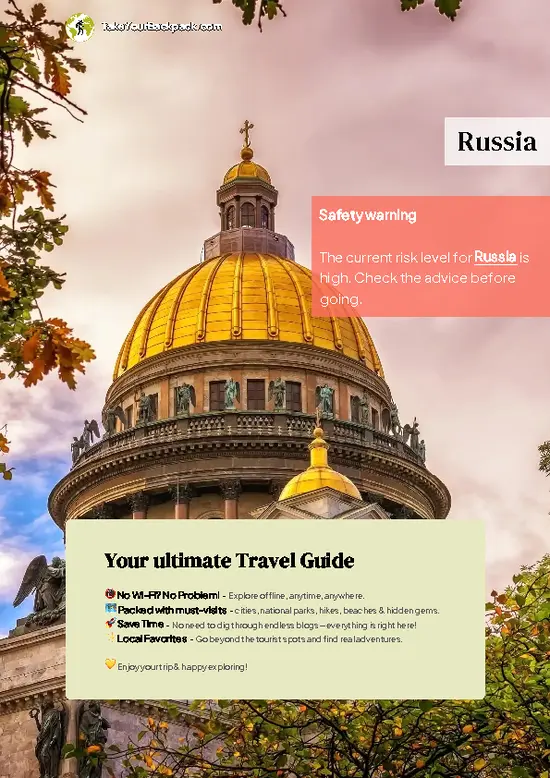
✈️ The backpacker research shortcutRussia Travel Guide

An offline-friendly backpacking guide with optimized travel routes, ranked highlights, transport advice, and the best areas to stay.
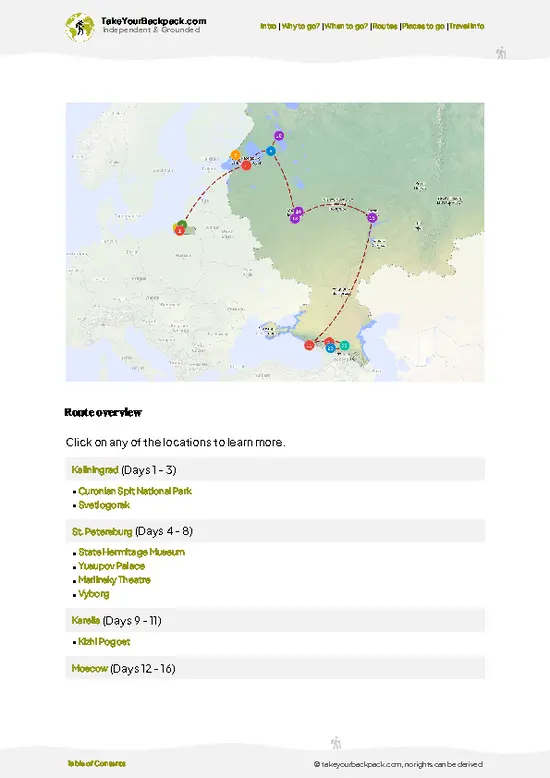
example page 0 from our offline Travel Guide for Russia
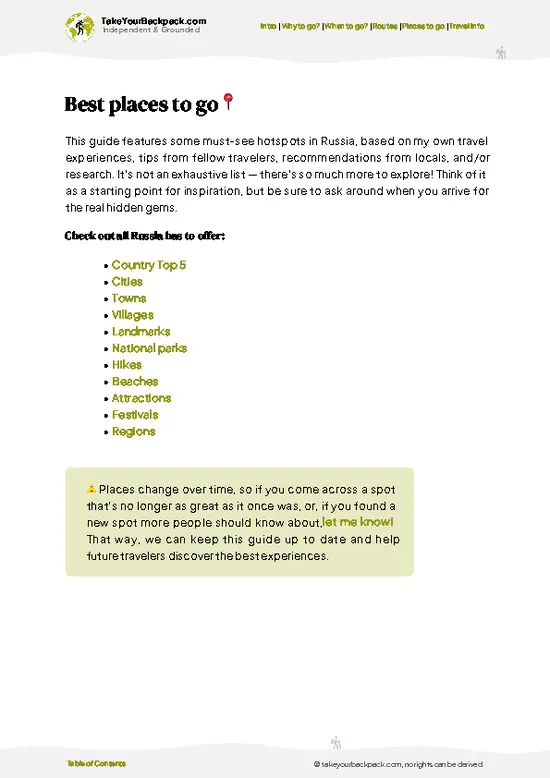
example page 1 from our offline Travel Guide for Russia
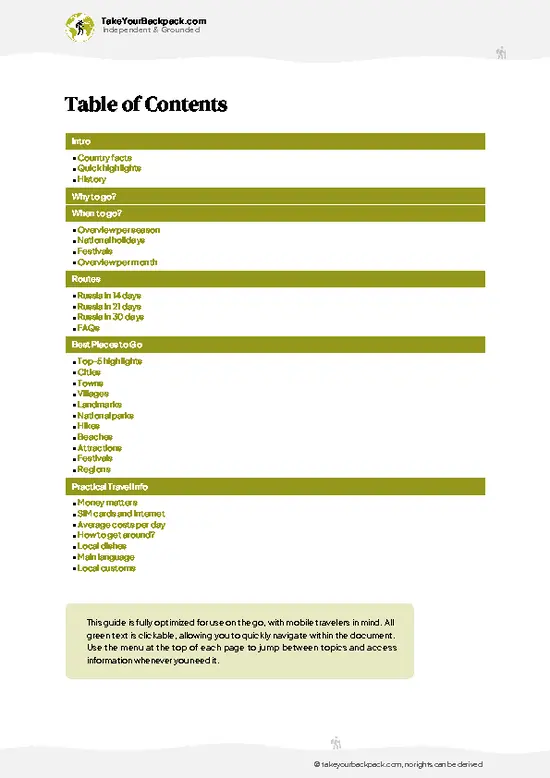
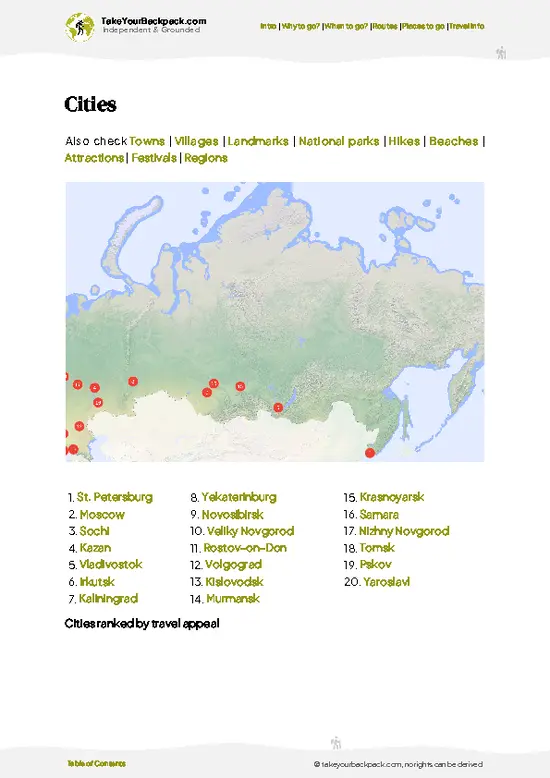
example page 2 from our offline Travel Guide for Russia
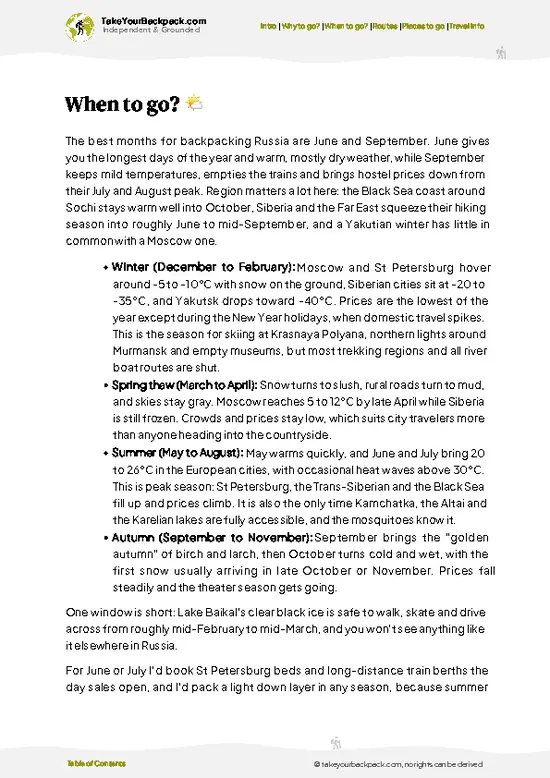
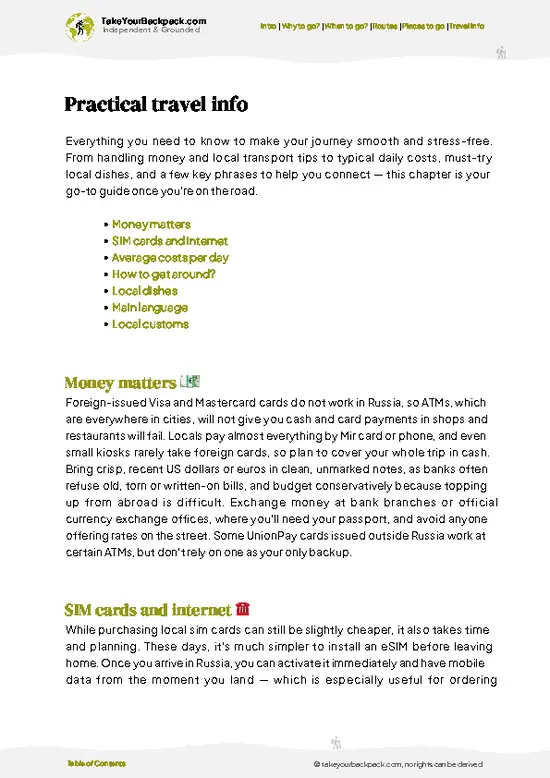
example page 3 from our offline Travel Guide for Russia
example page 4 from our offline Travel Guide for Russia
example page 5 from our offline Travel Guide for Russia
example page 6 from our offline Travel Guide for Russia
example page 7 from our offline Travel Guide for Russia
The digital guide (425 pages) contains:
115 highlights, ranked by travel appeal
Optimized 14, 21 & 30-day travel routes
Cities, national parks, landmarks, beaches
How to get around
Offline-friendly for travel without Wi-Fi
👉 Click to see all 30+ guide features

📅 Plan smarter in minutes, not weeks
Month by month travel advice
Festivals & national holidays
Budget expectations

🗺️ Go to the right places, skip the overrated ones
Honest pros & cons of destinations
Top hikes, parks & viewpoints
Lesser-known places most travelers miss
Clear “worth it vs skip it” guidance

🛏️ Travel smoothly without rookie mistakes
Best areas to stay
Transport systems explained simply
Common scams & safety advice
SIM cards, money & practical tips

🌍 Understand the country, not just visit it
Culture & traditions
52 Essential phrases & customs
Festivals worth planning around
Traveler-friendly historical context
Insights that make places more meaningful

📱 Built for real travel conditions
Fully downloadable PDF
Works completely offline
Optimized for phone use
Useful in remote areas & buses
Everything in one place
Save weeks of stressful planning
Get instant access to your full guide. 30‑day money-back guarantee.


By proceeding you agree to our terms.
Sent to your inbox immediately after payment • 100% Secure Checkout
Best Backpacking Travel Advisor 2025 tourism awardBest Backpacking
Travel Advisor
2025
What others say about Take Your Backpack Guides:
⭐⭐⭐⭐⭐
Fantastic, amazing amount of information!
⭐⭐⭐⭐⭐
My goodness this is amazing, it's what I've been looking for hats off too you!
⭐⭐⭐⭐⭐
I think this is absolutely BRILLIANT
⭐⭐⭐⭐
Very complete and informative. It's still missing places, but I gotta to commend you
⭐⭐⭐⭐⭐
This is truly amazing, thank you, can't wait to explore it with my kids!
⭐⭐⭐⭐⭐
Awesome resource, thank you!
⭐⭐⭐⭐⭐
This is amazing! Can't wait to explore the ones I haven't seen
⭐⭐⭐⭐
I love this! Well done, great idea.
⭐⭐⭐⭐⭐
Thanks for taking the time to make this gem!
⭐⭐⭐⭐⭐
This might be the best website I've ever seen.
⭐⭐⭐⭐⭐
Congratulations, and thank you so much for your work; it's incredibly valuable.
⭐⭐⭐⭐
In all seriousness I think you did a great job pointing out the important spots
⭐⭐⭐⭐⭐
10/10 very good
⭐⭐⭐⭐⭐
As someone who's only just starting to visit regularly this is awesome, thank you.
⭐⭐⭐⭐
Thank you very much! I'm going to visit my dad, it's going to be very useful!
⭐⭐⭐⭐⭐
This is really cool! We'll be travelling for the first time and this definitely come in handy.
⭐⭐⭐⭐⭐
You are now our minister of culture, congratulations 👨‍💼
⭐⭐⭐⭐⭐
Just wanted to tell you that this is a pearl! Going to follow your recommendations.
⭐⭐⭐⭐⭐
This is so cool. I'll definitely be using the resource for my travels soon.
⭐⭐⭐⭐⭐
This is very impressive! Good work.
⭐⭐⭐⭐⭐
This is an amazing and informative site. Very well done!

🛏️ Where to stay?Accommodation Highlights

Yes — hostels and budget guesthouses are common in Russia’s main cities and tourist hubs such as Moscow, St. Petersburg, Kazan, Irkutsk (for Baikal) and Sochi, so backpackers can usually find cheap beds in city centres and near train stations.
In Moscow the densest options sit around Arbat, Kitai‑Gorod, Tverskaya and the rail‑terminal area near Komsomolskaya; in St. Petersburg most budget places cluster on Nevsky Prospekt, in Admiralteysky district and on Vasilievsky / Petrogradsky islands, while regional cities concentrate choices in central districts and beside main stations.
Pros and cons: Arbat/Kitai = best for Red Square access and tourist services but crowded and pricier; Tverskayaread more 👉
Yes — hostels and budget guesthouses are common in Russia’s main cities and tourist hubs such as Moscow, St. Petersburg, Kazan, Irkutsk (for Baikal) and Sochi, so backpackers can usually find cheap beds in city centres and near train stations.
In Moscow the densest options sit around Arbat, Kitai‑Gorod, Tverskaya and the rail‑terminal area near Komsomolskaya; in St. Petersburg most budget places cluster on Nevsky Prospekt, in Admiralteysky district and on Vasilievsky / Petrogradsky islands, while regional cities concentrate choices in central districts and beside main stations.
Pros and cons: Arbat/Kitai = best for Red Square access and tourist services but crowded and pricier; Tverskaya = excellent transport and nightlife, busier and less quiet; Komsomolskaya = cheapest and ideal for train connections but noisy; Nevsky/Admiralteysky = immediate museum/nightlife access yet very touristy; Vasilievsky/Petrogradsky = calmer and more local but a bit farther from flagship sights; central/station areas in regional towns = economical and practical for transit but often noisy and lower on atmosphere.

If you enjoy meeting fellow travelers, consider choosing hostels with high ratings for atmosphere. On the other hand, if you prefer having your own space, a hotel might be a better option.

RussiaSee More of Russia

👋 Meet the founderWho’s Behind Take Your Backpack?

Johan, backpacker and founder of TakeYourBackpackHi, I’m Johan (Netherlands 🇳🇱), the creator of TakeYourBackpack. Over the past decade, I’ve backpacked through 80+ countries across six continents, gaining extensive experience with independent travel, long-term trips, and overland routes.

This site is built on a combination of firsthand travel experience and carefully curated insights from other backpackers. Many guides are based on places I’ve personally visited, while others bring together tips, observations, and practical advice shared by trusted travelers I’ve met along the way.

The goal is to provide realistic, experience-driven guidance — not generic itineraries — so you can explore destinations with better context, clearer expectations, and more confidence.

Get full Russia guide •
Instant download • 115 highlights • Full Offline guide