
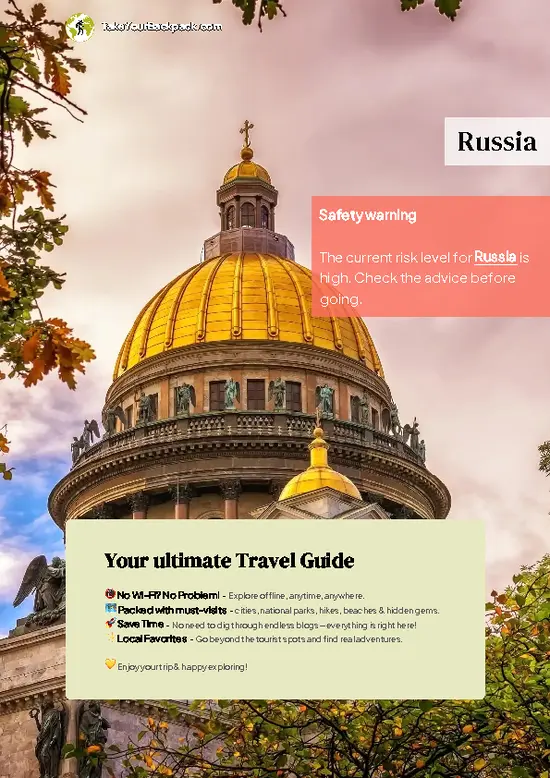



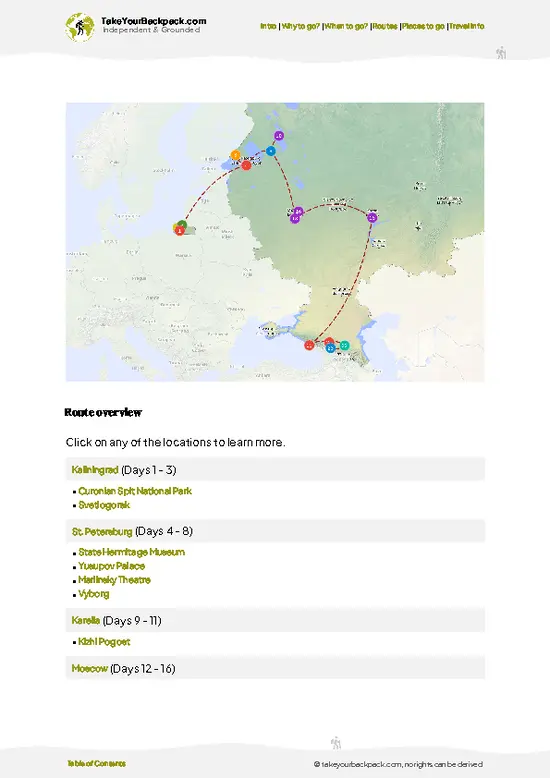
The Rasputin Murder Room
Let’s cut through the fog: this is the room where Grigori Rasputin, the infamous “mad monk,” was poisoned, shot, and ultimately drowned in 1916. The story is so wild it feels like a fever dream—conspirators, cyanide-laced cakes, and enough bullets to make a Bond villain blush. The room itself is staged with wax figures and period props, and yes, it’s a little theatrical, but the real thrill is standing in the exact spot where Russian history took a sharp, bloody turn. If you want a taste of palace intrigue that’s more than just velvet ropes and chandeliers, this is the main event.
The Moorish Drawing Room
Forget the endless parade of gold-leaf and neoclassical sameness you’ll find in most Russian palaces. The Moorish Drawing Room is a fever-dream of Islamic-inspired … read more 👉
The Rasputin Murder Room
Let’s cut through the fog: this is the room where Grigori Rasputin, the infamous “mad monk,” was poisoned, shot, and ultimately drowned in 1916. The story is so wild it feels like a fever dream—conspirators, cyanide-laced cakes, and enough bullets to make a Bond villain blush. The room itself is staged with wax figures and period props, and yes, it’s a little theatrical, but the real thrill is standing in the exact spot where Russian history took a sharp, bloody turn. If you want a taste of palace intrigue that’s more than just velvet ropes and chandeliers, this is the main event.
The Moorish Drawing Room
Forget the endless parade of gold-leaf and neoclassical sameness you’ll find in most Russian palaces. The Moorish Drawing Room is a fever-dream of Islamic-inspired arches, intricate tilework, and a ceiling that looks like it was airlifted from Andalusia. It’s a jolt of color and pattern in a city that can feel monochrome in winter. The Yusupovs had taste—and the money to import it. This room is proof.
The Private Theater
This is not some dusty relic. The Yusupovs built their own mini-opera house, complete with gilded boxes and velvet seats. It’s intimate, acoustically sharp, and still hosts concerts and chamber performances. If you can catch a show here, do it. Otherwise, just standing in the empty theater, you can almost hear the ghosts of St. Petersburg’s elite gossiping during intermission. It’s a rare chance to see how the one percent entertained themselves before Netflix.
The Grand Staircase
Yes, it’s a staircase. But it’s also a masterclass in aristocratic flexing. Marble, gilded balustrades, and a skylight that pours in natural light even on the city’s grayest days. This is where guests got their first taste of Yusupov wealth. It’s not subtle, but it’s not supposed to be. Snap your photos, then take a minute to imagine the parade of fur coats and whispered secrets that have passed this way.
The Art Collection
The Yusupovs were collectors on a scale that would make modern oligarchs jealous. While much of their stash was looted or nationalized, what remains is still impressive: Rembrandt, Rubens, and a smattering of Russian masters. The art isn’t just decoration—it’s a window into the family’s obsession with status and culture. If you’re an art nerd, you’ll want to linger.
The Basement and Service Quarters
This is my personal favorite. Skip the velvet and head downstairs. The basement is where the palace’s real engine ran: kitchens, storerooms, and the labyrinthine corridors where servants hustled to keep the illusion of effortless luxury alive. It’s gritty, utilitarian, and a reminder that every palace fantasy is propped up by invisible labor. If you want to see the underbelly of aristocratic life, this is where the mask slips.
Spotted a mistake or missing something? Contact us.

 Best Backpacking

 Hi, I’m Johan (Netherlands 🇳🇱), the creator of TakeYourBackpack. Over the past 3 decades, I’ve backpacked through 90+ countries across six continents, gaining extensive experience with independent travel, long-term trips, and overland routes.