v2.webp)
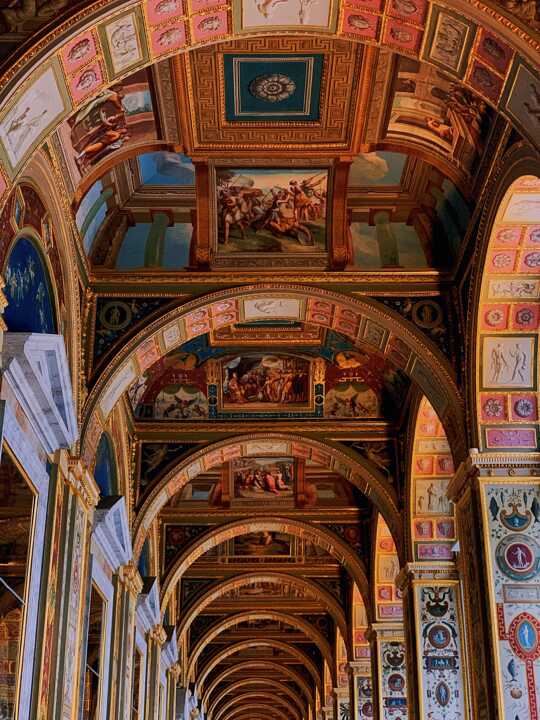






The Jordan Staircase
Forget the endless Instagram shots of gold and marble—this staircase is the real-life equivalent of walking into a Tsar’s fever dream. It’s not just a grand entrance; it’s a full-body experience. The scale is absurd, the baroque details almost mocking in their extravagance. You’ll share it with tour groups, but the sheer audacity of the place drowns out the selfie sticks. If you want to feel the pulse of imperial Russia, stand at the top and look down. It’s not subtle, but subtlety is overrated here.
The Peacock Clock
This isn’t your average museum timepiece. The Peacock Clock is a mechanical spectacle from the 18th century, hidden in a darkened room like a magician’s secret. Every Wednesday, the clock is wound and the gilded peacock, owl, and rooster come to life in … read more 👉
Forget the endless Instagram shots of gold and marble—this staircase is the real-life equivalent of walking into a Tsar’s fever dream. It’s not just a grand entrance; it’s a full-body experience. The scale is absurd, the baroque details almost mocking in their extravagance. You’ll share it with tour groups, but the sheer audacity of the place drowns out the selfie sticks. If you want to feel the pulse of imperial Russia, stand at the top and look down. It’s not subtle, but subtlety is overrated here.
The Peacock Clock
This isn’t your average museum timepiece. The Peacock Clock is a mechanical spectacle from the 18th century, hidden in a darkened room like a magician’s secret. Every Wednesday, the clock is wound and the gilded peacock, owl, and rooster come to life in … read more 👉
The Jordan Staircase
Forget the endless Instagram shots of gold and marble—this staircase is the real-life equivalent of walking into a Tsar’s fever dream. It’s not just a grand entrance; it’s a full-body experience. The scale is absurd, the baroque details almost mocking in their extravagance. You’ll share it with tour groups, but the sheer audacity of the place drowns out the selfie sticks. If you want to feel the pulse of imperial Russia, stand at the top and look down. It’s not subtle, but subtlety is overrated here.
The Peacock Clock
This isn’t your average museum timepiece. The Peacock Clock is a mechanical spectacle from the 18th century, hidden in a darkened room like a magician’s secret. Every Wednesday, the clock is wound and the gilded peacock, owl, and rooster come to life in a bizarre, hypnotic display. Most visitors miss the show, but even at rest, the clock is a masterclass in over-the-top craftsmanship. It’s the kind of object that makes you question what “luxury” even means.
The Rembrandt Room
You’ll hear about the Hermitage’s Rembrandts, but nothing prepares you for the punch of standing in front of “The Return of the Prodigal Son.” The crowds thin out here—most are lost in the Italian halls—so you can actually breathe and take in the raw, human emotion. The painting’s scale and shadow swallow you whole. If you want to see what separates a masterpiece from a postcard, this is the room.
The Pavilion Hall and the Mechanical Peacock Egg
This hall is a feverish blend of white columns, gold, and a floor that looks like it was designed by a mathematician on a sugar high. The real draw? The Fabergé mechanical peacock egg, a piece of imperial whimsy that’s both delicate and absurd. It’s a reminder that the Hermitage isn’t just about paintings—it’s about the wild, sometimes ridiculous, ambitions of its collectors.
The Treasure Gallery (Gold and Diamond Rooms)
Here’s the part nobody tells you: the Hermitage’s real treasures are hidden behind locked doors, only accessible on a guided tour you have to book in advance. The Gold and Diamond Rooms are a parade of ancient Scythian gold, Persian daggers, and enough gemstones to make a Bond villain blush. It’s exclusive, yes, but it’s also one of the few places in the museum where you feel the weight of history in your gut. This is my personal favorite—not for the bling, but for the sense of privilege and secrecy. It’s the Hermitage at its most intoxicating.
The Malachite Room
This is the room that proves Russia’s obsession with scale and spectacle. Walls, columns, and fireplaces clad in deep green malachite, all glowing under chandeliers. It’s not subtle, but it’s unforgettable in a way that no photo can capture. Stand in the center and let the color swallow you whole. If you want to feel like you’ve stepped into a Romanov fever dream, this is your portal.
Forget the endless Instagram shots of gold and marble—this staircase is the real-life equivalent of walking into a Tsar’s fever dream. It’s not just a grand entrance; it’s a full-body experience. The scale is absurd, the baroque details almost mocking in their extravagance. You’ll share it with tour groups, but the sheer audacity of the place drowns out the selfie sticks. If you want to feel the pulse of imperial Russia, stand at the top and look down. It’s not subtle, but subtlety is overrated here.
The Peacock Clock
This isn’t your average museum timepiece. The Peacock Clock is a mechanical spectacle from the 18th century, hidden in a darkened room like a magician’s secret. Every Wednesday, the clock is wound and the gilded peacock, owl, and rooster come to life in a bizarre, hypnotic display. Most visitors miss the show, but even at rest, the clock is a masterclass in over-the-top craftsmanship. It’s the kind of object that makes you question what “luxury” even means.
The Rembrandt Room
You’ll hear about the Hermitage’s Rembrandts, but nothing prepares you for the punch of standing in front of “The Return of the Prodigal Son.” The crowds thin out here—most are lost in the Italian halls—so you can actually breathe and take in the raw, human emotion. The painting’s scale and shadow swallow you whole. If you want to see what separates a masterpiece from a postcard, this is the room.
The Pavilion Hall and the Mechanical Peacock Egg
This hall is a feverish blend of white columns, gold, and a floor that looks like it was designed by a mathematician on a sugar high. The real draw? The Fabergé mechanical peacock egg, a piece of imperial whimsy that’s both delicate and absurd. It’s a reminder that the Hermitage isn’t just about paintings—it’s about the wild, sometimes ridiculous, ambitions of its collectors.
The Treasure Gallery (Gold and Diamond Rooms)
Here’s the part nobody tells you: the Hermitage’s real treasures are hidden behind locked doors, only accessible on a guided tour you have to book in advance. The Gold and Diamond Rooms are a parade of ancient Scythian gold, Persian daggers, and enough gemstones to make a Bond villain blush. It’s exclusive, yes, but it’s also one of the few places in the museum where you feel the weight of history in your gut. This is my personal favorite—not for the bling, but for the sense of privilege and secrecy. It’s the Hermitage at its most intoxicating.
The Malachite Room
This is the room that proves Russia’s obsession with scale and spectacle. Walls, columns, and fireplaces clad in deep green malachite, all glowing under chandeliers. It’s not subtle, but it’s unforgettable in a way that no photo can capture. Stand in the center and let the color swallow you whole. If you want to feel like you’ve stepped into a Romanov fever dream, this is your portal.
Spotted a mistake or missing something? Contact us.
 Best Backpacking
.jpg) Hi, I’m Johan (Netherlands 🇳🇱), the creator of TakeYourBackpack. Over the past 3 decades, I’ve backpacked through 90+ countries across six continents, gaining extensive experience with independent travel, long-term trips, and overland routes.
Hi, I’m Johan (Netherlands 🇳🇱), the creator of TakeYourBackpack. Over the past 3 decades, I’ve backpacked through 90+ countries across six continents, gaining extensive experience with independent travel, long-term trips, and overland routes.