×

Rwanda🇷🇼 | attractionsKandt House Museum of Natural HistoryKigali's founding house, reptile enclosures, Nile crocodile, chameleons | things to do and best time to go

Explore Campaign Against Genocide MuseumExplore Inema Arts Center

Backpacking in Kandt House Museum of Natural History
👍 Recommendedattraction ranked #6
By Johan Kruseman 🇳🇱 | Updated October 22, 2026

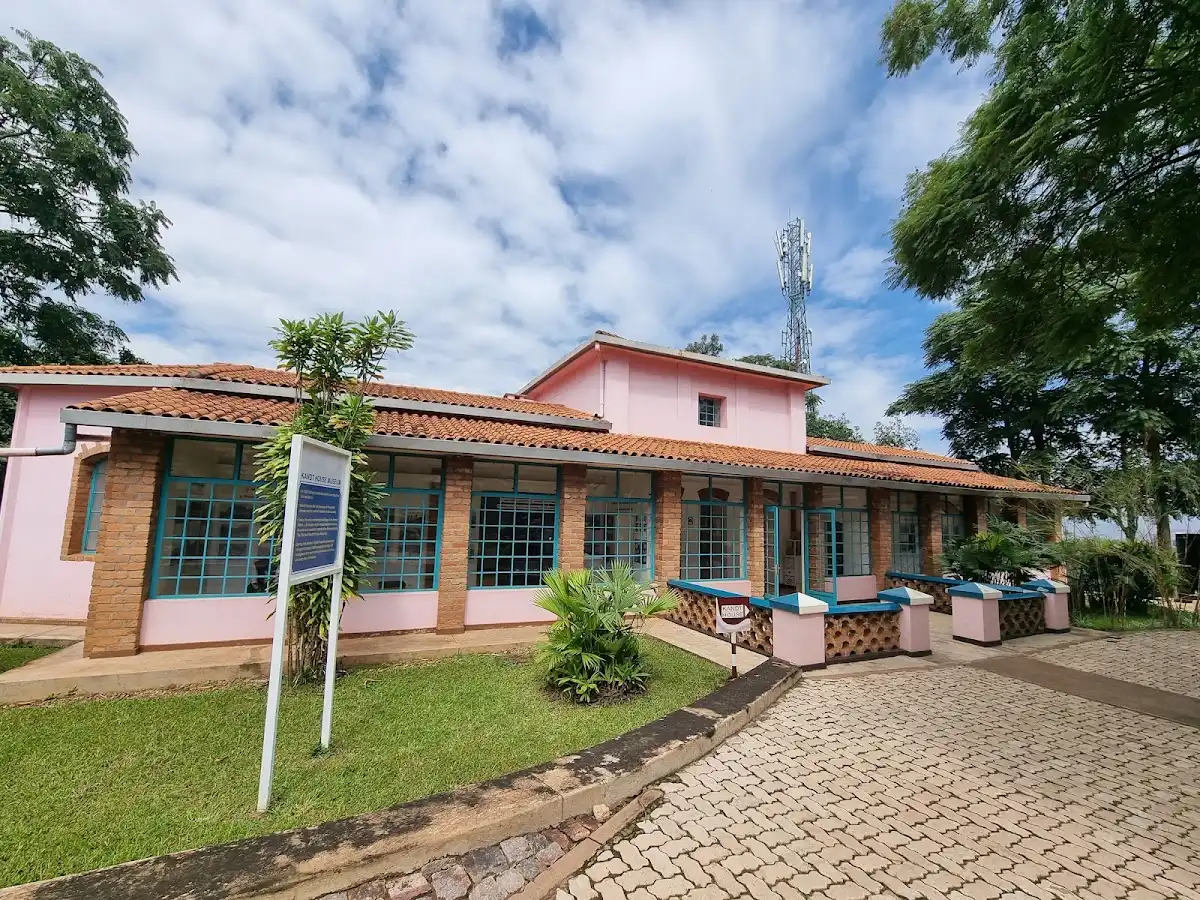
The house stands on the spot where Richard Kandt founded Kigali in 1907, so the museum sits on the ground where the capital began. It is in Nyarugenge, Rwanda’s capital, on a low rise near the airport road side of the city. Compact and a little worn, it holds live reptiles, preserved specimens and a small display on Kigali’s origins. The snake and reptile house deserves your time, as does the colonial-era room with its photographs. The stuffed animal halls are dusty and quickly seen, so don’t plan around them. Crowds are rare, entry is cheap, and a visit fits easily between other stops. The mood is quiet and old-fashioned, closer to a school collection than a polished attraction. Unlike the Rwanda Art Museum in the former presidential palace, which is about art and politics, this one is about wildlife and early colonial Kigali.

Discover everything you want to know in the 📖 Rwanda Travel Guide.


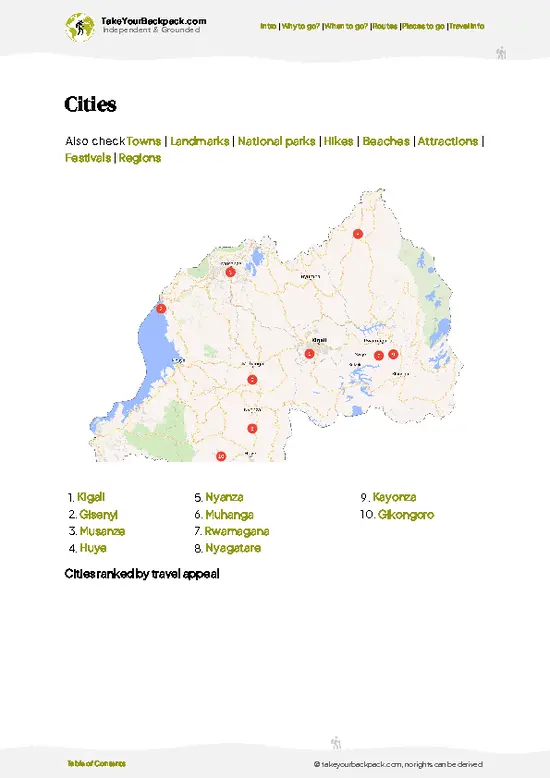
example page 0 from our offline Travel Guide for Rwanda
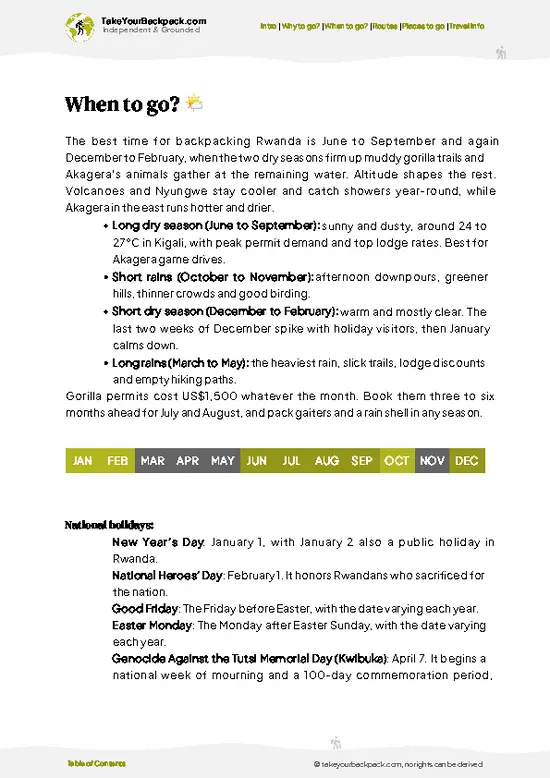
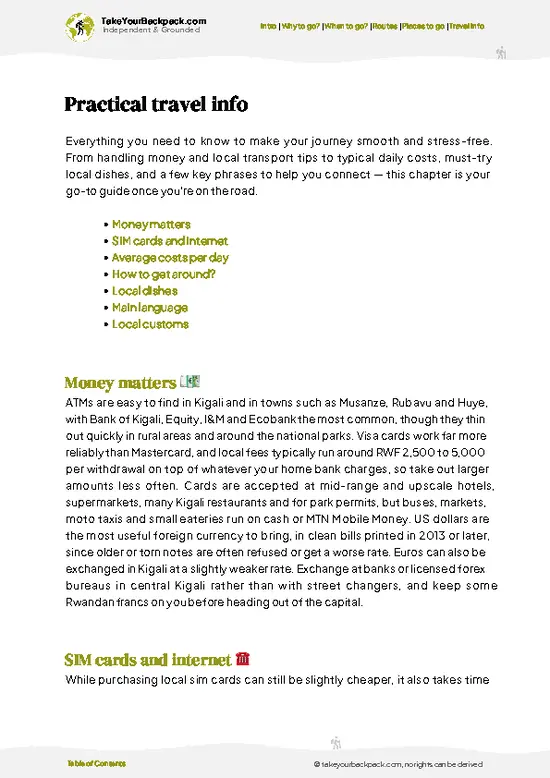
example page 1 from our offline Travel Guide for Rwanda
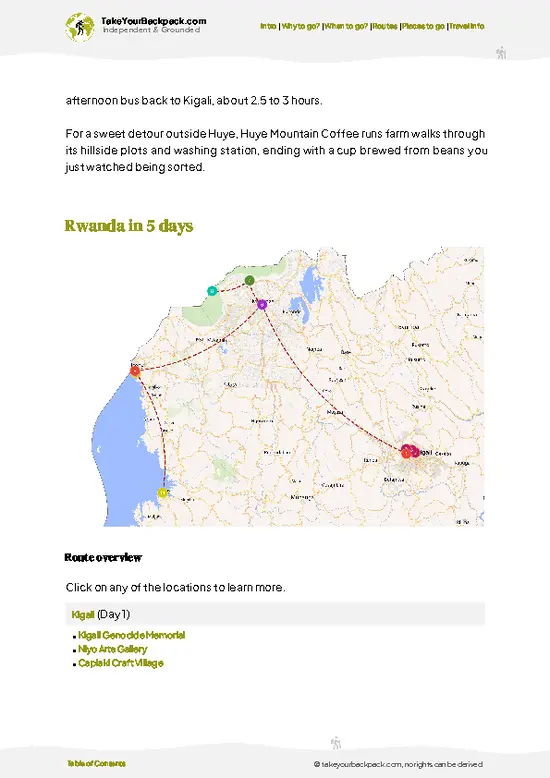
example page 2 from our offline Travel Guide for Rwanda
example page 3 from our offline Travel Guide for Rwanda
example page 4 from our offline Travel Guide for Rwanda
example page 5 from our offline Travel Guide for Rwanda
example page 6 from our offline Travel Guide for Rwanda
example page 7 from our offline Travel Guide for Rwanda
Loading the map 🌍
CLICK TO FILTER
cities
towns
landmarks
national parks
hikes
beaches
attractions
festivals
regions
SHOW COUNTRY’S BESTSHOW ALL

✨ Why go?
Ranked #6 attraction in Rwanda
Reasons people choose to visit here

Kandt House Museum of Natural History is the only place in the city where you can stand in the first European-built house in Kigali, a modest building from the German colonial era that Richard Kandt used as his residence and station. That alone makes it a useful milestone if you want to understand how a hilltop outpost became a capital. The second reason is the animals. The reptile house keeps live snakes, chameleons and crocodiles, so you can see species you will probably never spot on a trail in Akagera or Nyungwe. For many backpackers that is the closest look at a puff adder or a Gaboon viper they will ever get, behind glass and with a label. The third is pace. After the emotional weight of the Kigali Genocide Memorial, a small and quiet museum gives your afternoon some breathing room, … read more 👉
Kandt House Museum of Natural History is the only place in the city where you can stand in the first European-built house in Kigali, a modest building from the German colonial era that Richard Kandt used as his residence and station. That alone makes it a useful milestone if you want to understand how a hilltop outpost became a capital. The second reason is the animals. The reptile house keeps live snakes, chameleons and crocodiles, so you can see species you will probably never spot on a trail in Akagera or Nyungwe. For many backpackers that is the closest look at a puff adder or a Gaboon viper they will ever get, behind glass and with a label. The third is pace. After the emotional weight of the Kigali Genocide Memorial, a small and quiet museum gives your afternoon some breathing room, and you can finish it in an hour without feeling you skipped anything.

💡 HighlightsThe experiences that define the visit

  1. Kandt’s original house: The low colonial building where Richard Kandt lived and governed from 1907. Rooms hold period photographs and maps showing Kigali when it was a handful of huts.
  2. The reptile house: Live snakes, chameleons, tortoises and crocodiles in enclosures. Look for the vipers and the Nile crocodile, the biggest draw for most visitors.
  3. Natural history hall: Preserved birds, mammals and insects from Rwandan habitats. It is worn, but it gives a useful picture of species you may meet in the national parks.
  4. Kigali origins exhibit: Displays on how the German resident chose this site and how the settlement grew. A good primer before you explore the modern city.
  5. Chameleon enclosure: A small, patient show. Watch the slow, swiveling eyes and the color shifts, best on a calm morning.
  6. The garden
… read more 👉
  1. Kandt’s original house: The low colonial building where Richard Kandt lived and governed from 1907. Rooms hold period photographs and maps showing Kigali when it was a handful of huts.
  2. The reptile house: Live snakes, chameleons, tortoises and crocodiles in enclosures. Look for the vipers and the Nile crocodile, the biggest draw for most visitors.
  3. Natural history hall: Preserved birds, mammals and insects from Rwandan habitats. It is worn, but it gives a useful picture of species you may meet in the national parks.
  4. Kigali origins exhibit: Displays on how the German resident chose this site and how the settlement grew. A good primer before you explore the modern city.
  5. Chameleon enclosure: A small, patient show. Watch the slow, swiveling eyes and the color shifts, best on a calm morning.
  6. The garden grounds: Shaded paths around the house give a calm place to sit, with a view toward the city’s hills.
Together these take about one to one and a half hours at an unhurried pace.
Spotted a mistake or missing something? Contact us.

Things to do near Kandt House Museum of Natural History

Ratings based on Tripadvisor reviews. When you book through this link, you support our work at no extra cost to you.

🌤️ When to go?Seasonal considerations and timing

  • Long Dry Season (June to September): Kigali’s driest stretch brings clear mornings of about 15°C (59°F) and afternoons of 26 to 28°C (79 to 82°F). The museum’s garden and the walk through Nyarugenge are easiest now. Expect more foreign visitors and slightly firmer hostel prices.
  • Long Rains (March to May): Heavy afternoon downpours are common, with highs near 25°C (77°F). Museum rooms stay dry, but walking between sights gets slippery. Rooms are cheaper and the galleries are often nearly empty.
  • Short Rains (October to November): Showers come in short bursts, temperatures run 16 to 26°C (61 to 79°F), and crowds are thin. Mornings are usually the dry part of the day.
  • Short Dry Season (December to February): Warm, mostly sunny days of 17 to 27°C (63 to 81°F). Holiday travel lifts prices a little.
… read more 👉
  • Long Dry Season (June to September): Kigali’s driest stretch brings clear mornings of about 15°C (59°F) and afternoons of 26 to 28°C (79 to 82°F). The museum’s garden and the walk through Nyarugenge are easiest now. Expect more foreign visitors and slightly firmer hostel prices.
  • Long Rains (March to May): Heavy afternoon downpours are common, with highs near 25°C (77°F). Museum rooms stay dry, but walking between sights gets slippery. Rooms are cheaper and the galleries are often nearly empty.
  • Short Rains (October to November): Showers come in short bursts, temperatures run 16 to 26°C (61 to 79°F), and crowds are thin. Mornings are usually the dry part of the day.
  • Short Dry Season (December to February): Warm, mostly sunny days of 17 to 27°C (63 to 81°F). Holiday travel lifts prices a little.
Go in the morning, when the light is soft and the Kigali heat has not built yet.


source: climatestotravel.comJANJanuary: excellent for travelingFEBFebruary: excellent for travelingMARMarch: fair for travelingAPRApril: fair for travelingMAYMay: highly recommended for travelingJUNJune: excellent for travelingJULJuly: highly recommended for travelingAUGAugust: highly recommended for travelingSEPSeptember: excellent for travelingOCTOctober: highly recommended for travelingNOVNovember: fair for travelingDECDecember: excellent for traveling
rwanda-attraction-kandt-house-museum-of-natural-history
© Google |

✈️ The backpacker research shortcutRwanda Travel Guide

An offline-friendly backpacking guide with optimized travel routes, ranked highlights, transport advice, and the best areas to stay.
example page 0 from our offline Travel Guide for Rwanda
example page 1 from our offline Travel Guide for Rwanda
example page 2 from our offline Travel Guide for Rwanda
example page 3 from our offline Travel Guide for Rwanda
example page 4 from our offline Travel Guide for Rwanda
example page 5 from our offline Travel Guide for Rwanda
example page 6 from our offline Travel Guide for Rwanda
example page 7 from our offline Travel Guide for Rwanda
The digital guide (233 pages) contains:
✅ 57 highlights, ranked by travel appeal
✅ Optimized 2, 3 & 5-day travel routes
✅ Cities, national parks, landmarks, beaches
✅ How to get around
✅ Offline-friendly for travel without Wi-Fi
👉 Click to see all 30+ guide features

📅 Plan smarter in minutes, not weeks
✅ Month by month travel advice
✅ Festivals & national holidays
✅ Budget expectations

🗺️ Go to the right places, skip the overrated ones
✅ Honest pros & cons of destinations
✅ Top hikes, parks & viewpoints
✅ Lesser-known places most travelers miss
✅ Clear “worth it vs skip it” guidance

🛏️ Travel smoothly without rookie mistakes
✅ Best areas to stay
✅ Transport systems explained simply
✅ Common scams & safety advice
✅ SIM cards, money & practical tips

🌍 Understand the country, not just visit it
✅ Culture & traditions
✅ 52 Essential phrases & customs
✅ Festivals worth planning around
✅ Traveler-friendly historical context
✅ Insights that make places more meaningful

📱 Built for real travel conditions
✅ Fully downloadable PDF
✅ Works completely offline
✅ Optimized for phone use
✅ Useful in remote areas & buses
✅ Everything in one place
Stop searching, start planning
Get instant access to your full guide. 30‑day money-back guarantee.
+ Add another guide for just

By proceeding you agree to our terms.
Sent to your inbox immediately after payment • 100% Secure Checkout
Best Backpacking Travel Advisor 2025 tourism awardBest Backpacking
Travel Advisor
2025
What others say about Take Your Backpack Guides:
⭐⭐⭐⭐⭐
Fantastic, amazing amount of information!
⭐⭐⭐⭐⭐
My goodness this is amazing, it's what I've been looking for hats off too you!
⭐⭐⭐⭐⭐
I think this is absolutely BRILLIANT
⭐⭐⭐⭐
Very complete and informative. It's still missing places, but I gotta to commend you
⭐⭐⭐⭐⭐
This is truly amazing, thank you, can't wait to explore it with my kids!
⭐⭐⭐⭐⭐
Awesome resource, thank you!
⭐⭐⭐⭐⭐
This is amazing! Can't wait to explore the ones I haven't seen
⭐⭐⭐⭐
I love this! Well done, great idea.
⭐⭐⭐⭐⭐
Thanks for taking the time to make this gem!
⭐⭐⭐⭐⭐
This might be the best website I've ever seen.
⭐⭐⭐⭐⭐
Congratulations, and thank you so much for your work; it's incredibly valuable.
⭐⭐⭐⭐
In all seriousness I think you did a great job pointing out the important spots
⭐⭐⭐⭐⭐
10/10 very good
⭐⭐⭐⭐⭐
As someone who's only just starting to visit regularly this is awesome, thank you.
⭐⭐⭐⭐
Thank you very much! I'm going to visit my dad, it's going to be very useful!
⭐⭐⭐⭐⭐
This is really cool! We'll be travelling for the first time and this definitely come in handy.
⭐⭐⭐⭐⭐
You are now our minister of culture, congratulations 👨‍💼
⭐⭐⭐⭐⭐
Just wanted to tell you that this is a pearl! Going to follow your recommendations.
⭐⭐⭐⭐⭐
This is so cool. I'll definitely be using the resource for my travels soon.
⭐⭐⭐⭐⭐
This is very impressive! Good work.
⭐⭐⭐⭐⭐
This is an amazing and informative site. Very well done!

🛏️ Where to stay?Best areas to stay in Rwanda

Kiyovu and the Nyarugenge center are the most practical areas to sleep, because the museum sits in the old Kigali district and both are a short walk or a cheap moto ride away. Kiyovu is quiet, leafy and one of the safest parts of the city, with a handful of backpacker-friendly guesthouses and a good spread of cafes for breakfast. It suits solo travelers who want calm evenings and easy sleep.

Nyarugenge, around the city center, is the most convenient for buses. Long-distance coaches to Musanze, Huye and Rubavu leave from nearby stations, so you can pair the museum with onward travel without a … read more 👉
Kiyovu and the Nyarugenge center are the most practical areas to sleep, because the museum sits in the old Kigali district and both are a short walk or a cheap moto ride away. Kiyovu is quiet, leafy and one of the safest parts of the city, with a handful of backpacker-friendly guesthouses and a good spread of cafes for breakfast. It suits solo travelers who want calm evenings and easy sleep.

Nyarugenge, around the city center, is the most convenient for buses. Long-distance coaches to Musanze, Huye and Rubavu leave from nearby stations, so you can pair the museum with onward travel without a long taxi ride. The streets here are busier by day and empty out early at night, so take a moto home after dark.

Remera, across town, is the social choice. Its bars, cheap eateries and hostels attract younger travelers, and it is where you will meet others heading to the gorillas or Akagera. Expect a 15 to 25 minute ride to the museum. For a first visit, I would pick Kiyovu for safety or Remera for company.

👛 Costs (as of 22 October 2026)Travel costs and budget guide for Kandt House Museum of Natural History

Kandt House Museum of Natural History costs about US$25 to 40 per day for a backpacker in Kigali, including the entry ticket. Prices are roughly stable through the year, and you pay in Rwandan francs.
CategoryBudget RangeLocal Reality
Museum entryUS$7 to 15Foreign adult tickets cost more than the East African rate; students may get a discount.
Dorm bed (high season)US$10 to 18Hostels in Kiyovu, Nyarugenge and Remera, often with breakfast.
Private budget roomUS$25 to 45Simple guesthouses; cheaper in the rainy months.
Local mealsUS$3 to 8Buffet lunches and brochettes are the cheapest; cafes cost more.
Local transportUS$1 to 5Moto rides cost about US$1 to 2 across town; minibuses are cheaper.
ExtrasUS$1 to 3Guide tips, water and a coffee afterward.
Total Daily BudgetUS$33Dorm bed, local food, moto rides and museum entry.
⚠️ Prices can change and everyone travels differently, so take this as a rough guide. Hope it helps you plan your adventure!

FAQCommon questions from travelers

Kandt House Museum of Natural History takes about 1 to 1.5 hours to see properly. The galleries on Rwanda’s wildlife, geology and Richard Kandt’s early Kigali days are compact, and a guided walk adds roughly 30 minutes. Pair it with the nearby Nyarugenge streets or Kigali Genocide Memorial for a half day.
For most backpackers the entry fee of roughly US$7 to 15 is fair value at Kandt House Museum of Natural History. You get a clear overview of Rwanda’s ecosystems, which helps before trips to Akagera or Nyungwe, and the building is the original colonial residence of Kigali’s founder. If you only have a day in the capital, the Genocide Memorial should come first.
Kandt House Museum of Natural History is in central Kigali, about 10 minutes by moto from Nyarugenge and 20 to 30 minutes from Kigali airport by taxi (US$8 to 15). Public minibuses reach the center for under US$1, then walking or a moto taxi at US$1 to 2 covers the rest. Ride apps like Yego and Move work well for the final stretch.
⚠️ Things can change over time, so always validate details locally before you go.

Other Rwandan attractions near Kandt House Museum of Natural History

Explore more nearby:


💡 Not sure where to go next?
Create a personalized itinerary for Rwanda including Kandt House Museum of Natural History and the places that fit your trip.

Generate my itinerary

👉 Discover all attractions

Or checkout all Rwanda has to offer (think cities, towns, villages, national parks, hikes, beaches, festivals)
Country photo of Rwanda

We 💚 feedbackWhat to keep in mind

Kandt House Museum of Natural History works best as a quiet pairing with the Kigali Genocide Memorial or the Rwanda Art Museum, which are both within an easy hop. I would visit in the morning, see the reptiles first, then walk to the Nyamirambo district for lunch and a stroll, so the day has both history and street life.

✍️ Help improve this page!
The information on this page is based on in-depth research, insights shared by experienced travelers, and feedback from the local travel community in Rwanda. While every effort is made to keep the information accurate and current, conditions can change — so if you spot anything incorrect or outdated, please get in touch.


🙋‍♂️ Give feedback

👋 Meet the founderWho’s Behind Take Your Backpack?

Johan, backpacker and founder of TakeYourBackpackHi, I’m Johan (Netherlands 🇳🇱), the creator of TakeYourBackpack. Over the past 3 decades, I’ve backpacked through 90+ countries across six continents, gaining extensive experience with independent travel, long-term trips, and overland routes.

This site is built on a combination of firsthand travel experience and carefully curated insights from other backpackers. Many guides are based on places I’ve personally visited, while others bring together tips, observations, and practical advice shared by trusted travelers I’ve met along the way.

The goal is to provide realistic, experience-driven guidance — not generic itineraries — so you can explore destinations with better context, clearer expectations, and more confidence.