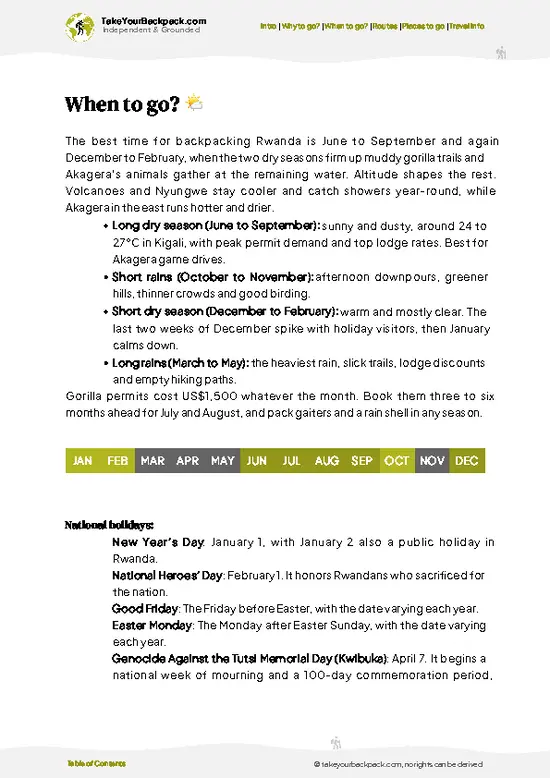
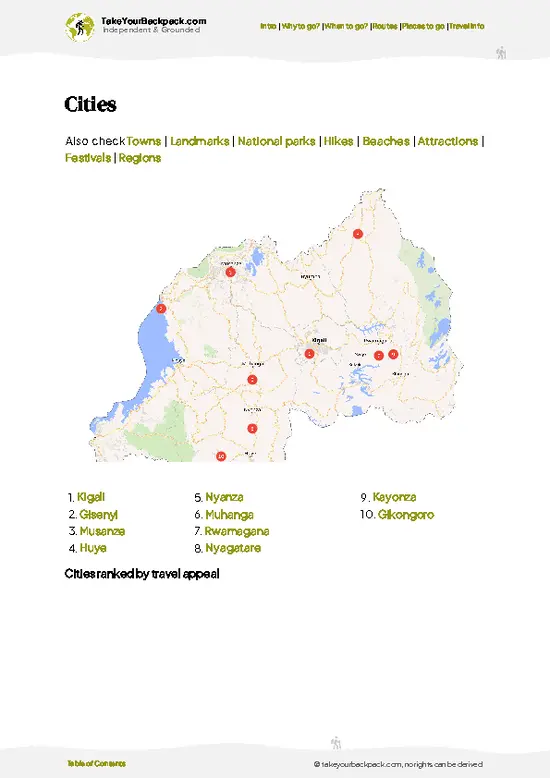
The Main Exhibition Halls
Forget the sugarcoated museum experience. The main halls here are a gut punch—raw, unfiltered, and meticulously documented. You’re not just reading plaques; you’re walking through a timeline of Rwanda’s descent into horror, with photographs, survivor testimonies, and artifacts that force you to confront the reality of genocide. The curation is world-class, but it’s the honesty that hits hardest. This isn’t about passive learning; it’s about bearing witness. If you want to understand Rwanda, this is non-negotiable.
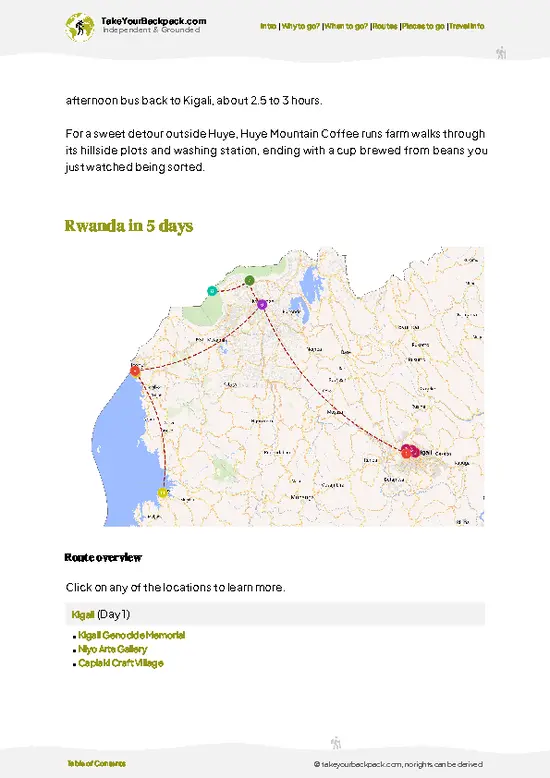
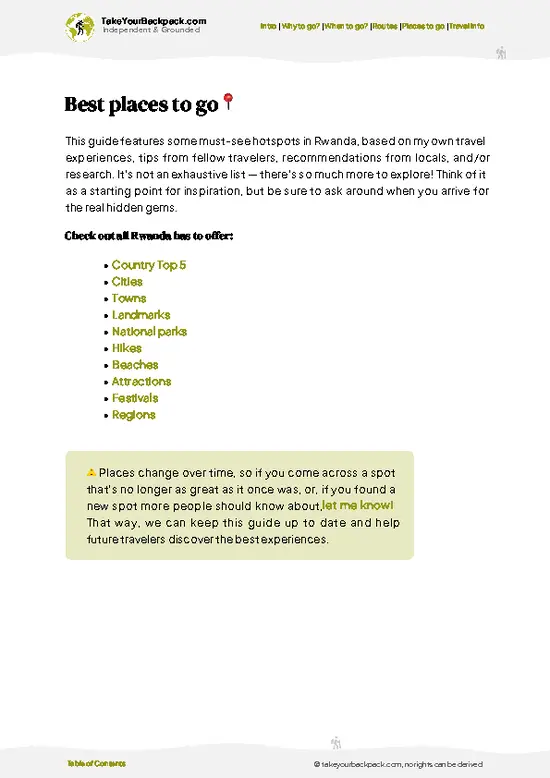
The Children’s Room
This is where the Instagram filters drop away entirely. The Children’s Room is a memorial within a memorial, dedicated to the youngest victims. You’ll see portraits, toys, and heartbreakingly brief biographies—favorite foods, best friends, … read more 👉
Forget the sugarcoated museum experience. The main halls here are a gut punch—raw, unfiltered, and meticulously documented. You’re not just reading plaques; you’re walking through a timeline of Rwanda’s descent into horror, with photographs, survivor testimonies, and artifacts that force you to confront the reality of genocide. The curation is world-class, but it’s the honesty that hits hardest. This isn’t about passive learning; it’s about bearing witness. If you want to understand Rwanda, this is non-negotiable.
The Children’s Room
This is where the Instagram filters drop away entirely. The Children’s Room is a memorial within a memorial, dedicated to the youngest victims. You’ll see portraits, toys, and heartbreakingly brief biographies—favorite foods, best friends, … read more 👉
The Main Exhibition Halls
Forget the sugarcoated museum experience. The main halls here are a gut punch—raw, unfiltered, and meticulously documented. You’re not just reading plaques; you’re walking through a timeline of Rwanda’s descent into horror, with photographs, survivor testimonies, and artifacts that force you to confront the reality of genocide. The curation is world-class, but it’s the honesty that hits hardest. This isn’t about passive learning; it’s about bearing witness. If you want to understand Rwanda, this is non-negotiable.
The Children’s Room
This is where the Instagram filters drop away entirely. The Children’s Room is a memorial within a memorial, dedicated to the youngest victims. You’ll see portraits, toys, and heartbreakingly brief biographies—favorite foods, best friends, last words. It’s devastating, but it’s also a call to empathy that lingers long after you leave. No photo can capture the emotional gravity here. It’s a space that demands your attention and your respect.
The Memorial Gardens and Mass Graves
Outside, the city noise fades and you’re left with silence and the weight of 250,000 souls buried beneath your feet. The gardens are beautifully maintained, but don’t mistake serenity for emptiness. Locals come here to mourn, to remember, and to teach their children. You’re not just a tourist; you’re a guest at a national site of mourning. The scale is staggering, and the reality is impossible to ignore. This is the real Rwanda—resilient, grieving, and unafraid to remember.
The Genocide Archive and Documentation Center
If you’re the type who wants more than surface-level understanding, the archive is your goldmine. This isn’t just a library—it’s a living record, with oral histories, legal documents, and video testimonies. Researchers, students, and survivors all use this space. It’s not flashy, but it’s the backbone of Rwanda’s fight against denial and revisionism. You’ll leave with a deeper, more nuanced understanding of both the genocide and the country’s ongoing recovery.
The Survivor Testimonies (Audio/Video)
You can’t get this from a guidebook or a hashtag. The Memorial offers audio and video stations where survivors tell their stories in their own words. It’s uncomfortable, sometimes graphic, and absolutely essential. These aren’t actors or polished narratives—they’re real people, speaking directly to you. It’s the closest you’ll get to understanding the human cost, and it’s the most powerful argument against ever letting history repeat itself.
The Peace and Reconciliation Wall
This isn’t just a monument—it’s a living statement. Covered in messages of hope, forgiveness, and unity, the wall is where you see Rwanda’s future being written in real time. Locals and visitors alike leave notes, prayers, and promises. It’s a jarring contrast to the darkness inside, but it’s not naïve optimism. It’s hard-won, and it’s the final reminder that this place is about more than tragedy—it’s about the possibility of healing.
Forget the sugarcoated museum experience. The main halls here are a gut punch—raw, unfiltered, and meticulously documented. You’re not just reading plaques; you’re walking through a timeline of Rwanda’s descent into horror, with photographs, survivor testimonies, and artifacts that force you to confront the reality of genocide. The curation is world-class, but it’s the honesty that hits hardest. This isn’t about passive learning; it’s about bearing witness. If you want to understand Rwanda, this is non-negotiable.
The Children’s Room
This is where the Instagram filters drop away entirely. The Children’s Room is a memorial within a memorial, dedicated to the youngest victims. You’ll see portraits, toys, and heartbreakingly brief biographies—favorite foods, best friends, last words. It’s devastating, but it’s also a call to empathy that lingers long after you leave. No photo can capture the emotional gravity here. It’s a space that demands your attention and your respect.
The Memorial Gardens and Mass Graves
Outside, the city noise fades and you’re left with silence and the weight of 250,000 souls buried beneath your feet. The gardens are beautifully maintained, but don’t mistake serenity for emptiness. Locals come here to mourn, to remember, and to teach their children. You’re not just a tourist; you’re a guest at a national site of mourning. The scale is staggering, and the reality is impossible to ignore. This is the real Rwanda—resilient, grieving, and unafraid to remember.
The Genocide Archive and Documentation Center
If you’re the type who wants more than surface-level understanding, the archive is your goldmine. This isn’t just a library—it’s a living record, with oral histories, legal documents, and video testimonies. Researchers, students, and survivors all use this space. It’s not flashy, but it’s the backbone of Rwanda’s fight against denial and revisionism. You’ll leave with a deeper, more nuanced understanding of both the genocide and the country’s ongoing recovery.
The Survivor Testimonies (Audio/Video)
You can’t get this from a guidebook or a hashtag. The Memorial offers audio and video stations where survivors tell their stories in their own words. It’s uncomfortable, sometimes graphic, and absolutely essential. These aren’t actors or polished narratives—they’re real people, speaking directly to you. It’s the closest you’ll get to understanding the human cost, and it’s the most powerful argument against ever letting history repeat itself.
The Peace and Reconciliation Wall
This isn’t just a monument—it’s a living statement. Covered in messages of hope, forgiveness, and unity, the wall is where you see Rwanda’s future being written in real time. Locals and visitors alike leave notes, prayers, and promises. It’s a jarring contrast to the darkness inside, but it’s not naïve optimism. It’s hard-won, and it’s the final reminder that this place is about more than tragedy—it’s about the possibility of healing.
Spotted a mistake or missing something? Contact us.
v2.webp)


Best Backpacking
Hi, I’m Johan (Netherlands 🇳🇱), the creator of TakeYourBackpack. Over the past decade, I’ve backpacked through 80+ countries across six continents, gaining extensive experience with independent travel, long-term trips, and overland routes.