×

Rwanda🇷🇼 | citiesRubavuborder town, beach bars, volcanic backdrop | things to do and best time to go

Explore NyanzaExplore Ruhengeri

Backpacking in Rubavu
By Johan Kruseman 🇳🇱 | Updated September 3, 2026

Most travelers realize too late that Rubavu’s real advantage is how it lets you slow down—without dropping off the map. You’re on Rwanda’s northwest edge, right where Lake Kivu’s shoreline softens the border with the Congo. Rubavu isn’t a city that dazzles on arrival; it’s a place that rewards patience. The air smells faintly of woodsmoke and fermenting bananas, especially near the market, and the lake’s breeze cools the afternoons. For backpackers, Rubavu works best as a launchpad: you’re a short moto ride from hot springs, lakeside beaches, and the start of the Congo Nile Trail. The town itself is compact and walkable, with a handful of hostels and lakeside cafés where travelers actually talk to each other—rare in Rwanda’s bigger towns. Buses from Kigali are cheap and frequent, and you can cross into Goma if you’re feeling bold. Compared to Musanze, Rubavu is less frantic, more scenic, and easier on the wallet, but nightlife is mellow and solo travelers may need to make the first move. Safety is solid, though watch your bag at the bus station. If you want a place to catch your breath, not just your next bus, Rubavu is where you do it.

Discover everything you want to know in the 📖 Rwanda Travel Guide.


Get your Rwanda guide
61 ranked highlights, routes & tips, works offline (246 pages)
Loading the map 🌍
CLICK TO FILTER
cities
towns
landmarks
national parks
hikes
beaches
attractions
festivals
SHOW COUNTRY’S BESTSHOW ALL

✨ Why go?
Ranked #99 city in Rwanda
What sets this place apart

Rubavu is a backpacker’s hub that strikes a balance between adventure and relaxation. Nestled along the shores of Lake Kivu, it serves as a convenient base for nearby hikes in the lush hills or the Nyungwe Forest. The beaches here are surprisingly inviting, offering a chance to unwind after a day of trekking. You’ll find small-scale hostels and guesthouses that foster a friendly, communal vibe, perfect for solo travelers or small groups looking to share stories over a local meal.

The streets are walkable, lined with vendors selling fresh fruit and local snacks, making it easy to immerse yourself in the culture. Expect a mix of quiet afternoons and lively evenings, where you can chat with fellow travelers or locals. Most backpackers tend to linger a few days, soaking in the atmosphere and … read more 👉
Rubavu is a backpacker’s hub that strikes a balance between adventure and relaxation. Nestled along the shores of Lake Kivu, it serves as a convenient base for nearby hikes in the lush hills or the Nyungwe Forest. The beaches here are surprisingly inviting, offering a chance to unwind after a day of trekking. You’ll find small-scale hostels and guesthouses that foster a friendly, communal vibe, perfect for solo travelers or small groups looking to share stories over a local meal.

The streets are walkable, lined with vendors selling fresh fruit and local snacks, making it easy to immerse yourself in the culture. Expect a mix of quiet afternoons and lively evenings, where you can chat with fellow travelers or locals. Most backpackers tend to linger a few days, soaking in the atmosphere and planning their next adventure. This isn’t a party town; it’s for those who appreciate the slow travel experience, where every moment feels earned. If you’re seeking a place that balances exploration with a sense of community, Rubavu is your spot.
Want to include Rubavu in your Rwanda route?
Create a personalized Rwanda itinerary that includes Rubavu and the places that fit your trip — based on your travel style, budget, and available time. Get your route in seconds.

Generate my trip

💡 HighlightsDon't-miss highlights and experiences

  • Cap Kivu peninsula (Cap Kivu viewpoint and lakeside park) — The curving spit of land that juts into Lake Kivu is where locals come for sunsets, street food, and that classic postcard view of islands and blue water; easy to walk, full of small cafés and people-watching.
  • Gisenyi Public Beach (Plage de Gisenyi) — Sandy/pebbly swimming spots right in town where families swim, fishermen mend nets, and you can rent a kayak or just picnic by the water; low-key and very local compared with tourist-only beaches elsewhere.
  • Gisenyi (Rubavu) Boat Jetty and Harbor — The active little port where fishermen unload the day’s catch and boatmen hire out trips to nearby islands; great for catching dawn light, hiring a boat, or seeing the working side of lake life.
  • Gisenyi Central Market (Marché de Gisenyi)
read more 👉
  • Cap Kivu peninsula (Cap Kivu viewpoint and lakeside park) — The curving spit of land that juts into Lake Kivu is where locals come for sunsets, street food, and that classic postcard view of islands and blue water; easy to walk, full of small cafés and people-watching.
  • Gisenyi Public Beach (Plage de Gisenyi) — Sandy/pebbly swimming spots right in town where families swim, fishermen mend nets, and you can rent a kayak or just picnic by the water; low-key and very local compared with tourist-only beaches elsewhere.
  • Gisenyi (Rubavu) Boat Jetty and Harbor — The active little port where fishermen unload the day’s catch and boatmen hire out trips to nearby islands; great for catching dawn light, hiring a boat, or seeing the working side of lake life.
  • Gisenyi Central Market (Marché de Gisenyi) — A noisy, colorful market full of fresh produce, spices, second-hand clothing and everyday bargaining; visiting gives a sharp, authentic sense of how people in Rubavu eat and shop.
  • Border viewpoint and customs area (Rubavu-Goma outlook) — Stand where Rwanda meets DR Congo and watch Goma and the Congo shore across the water; it’s an odd, powerful place to see borders in human scale and to glimpse Mt. Nyiragongo on a clear day.
  • Kivu Serena Hotel (lakeside gardens and terraces) — Even if you don’t stay, the gardens, terraces and restaurants of this lakeside hotel are worth a look for old-school lakeside elegance, relaxed drinks with a view, and people-watching.
  • Lakeside promenade / Corniche — The stretch of paved walkway and small parks along the water between Cap Kivu and the harbor; it’s where locals stroll, kids play, street vendors sell snacks, and the town’s everyday rhythm is easiest to read.
  • Fishermen’s landing and fish market areas — Beyond the jetty, small landing spots are where boats pull in and fresh tilapia is sold; visceral, local, and a good place to try grilled lake fish prepared right on the shore.
  • Local craft and artisan stalls around Cap Kivu — Scattered stalls and small shops selling woven baskets, beaded jewelry and carved souvenirs; not a polished tourist bazaar, but a place to meet makers and pick up honest, useful keepsakes.
  • Rubavu Stadium / Community sports grounds — Catch a local football match or community event to see how sport brings the town together; noisy, friendly, and a very real slice of local life if you time it right.
A few excellent day trips from Rubavu that are just outside the town: the Lake Kivu islands (Nkombo/Amahoro/Napoleon) and boat trips, the hot springs and historic sites around Nyamyumba/Nyundo, and the volcano views around Musanze and the foothills near Goma (if you’re crossing the border legally).
Spotted a mistake or missing something? Contact us.

Things to do near Rubavu

Ratings based on Tripadvisor reviews. When you book through this link, you support our work at no extra cost to you.

🏘️ NeighborhoodsNeighborhood guide to Rubavu

Rubavu is a vibrant town on the shores of Lake Kivu, where the air is thick with the scent of fresh tilapia and the sound of laughter spills from local cafes. Here’s how to navigate its neighborhoods like a pro:

Centre Ville: This is the heart of Rubavu. Bustling markets and street vendors create a lively atmosphere. It’s walkable, with plenty of affordable guesthouses. You’ll find a mix of local eateries and bars, perfect for a night out. Ideal for short stays, it offers easy access to transport for day trips.

Nyundo: A bit quieter, Nyundo is known for its stunning views of the lake. It’s a great spot for those looking to escape the hustle. The vibe is laid-back, with a few cozy lodges and cafes. Walkability is decent, but you might need a bike or moto-taxi for longer distances. Perfect … read more 👉
Rubavu is a vibrant town on the shores of Lake Kivu, where the air is thick with the scent of fresh tilapia and the sound of laughter spills from local cafes. Here’s how to navigate its neighborhoods like a pro:

Centre Ville: This is the heart of Rubavu. Bustling markets and street vendors create a lively atmosphere. It’s walkable, with plenty of affordable guesthouses. You’ll find a mix of local eateries and bars, perfect for a night out. Ideal for short stays, it offers easy access to transport for day trips.

Nyundo: A bit quieter, Nyundo is known for its stunning views of the lake. It’s a great spot for those looking to escape the hustle. The vibe is laid-back, with a few cozy lodges and cafes. Walkability is decent, but you might need a bike or moto-taxi for longer distances. Perfect for longer stays if you want to soak in the scenery.

Gisenyi: Technically part of Rubavu, Gisenyi is where the nightlife thrives. Bars and clubs line the waterfront, making it a hotspot for socializing. The atmosphere is electric, especially on weekends. While it can be pricier, the experience is worth it. Great for short stays if you’re looking to party.

Kamembe: This area is more residential and less touristy, offering a glimpse into local life. It’s quieter, with fewer amenities but a genuine feel. Walkability is limited, so plan for longer stays if you want to immerse yourself in the culture. Transport options are available, but they require a bit of planning.

Each area has its own flavor, so choose based on what kind of experience you’re after.

⌛️ 1 dayA smart one-day plan

Rubavu, perched on the shores of Lake Kivu, is a vibrant town where the air hums with the scent of fresh tilapia grilling at roadside stalls and the laughter of children playing in the streets. It’s a place where the lush green hills meet the sparkling blue waters, creating a backdrop that feels both alive and serene. You can easily spend a day here, soaking in the local culture while discovering hidden corners that many tourists overlook.

Start your morning with a stroll along the lakeshore. The sun rises slowly, casting a golden hue over the water, and the gentle lapping of waves sets a peaceful tone. Grab a cup of strong Rwandan coffee from a local café, like Café Neo, where the aroma of freshly brewed beans fills the air. Pair it with a warm mandazi, a sweet fried doughnut that’s a local … read more 👉
Rubavu, perched on the shores of Lake Kivu, is a vibrant town where the air hums with the scent of fresh tilapia grilling at roadside stalls and the laughter of children playing in the streets. It’s a place where the lush green hills meet the sparkling blue waters, creating a backdrop that feels both alive and serene. You can easily spend a day here, soaking in the local culture while discovering hidden corners that many tourists overlook.

Start your morning with a stroll along the lakeshore. The sun rises slowly, casting a golden hue over the water, and the gentle lapping of waves sets a peaceful tone. Grab a cup of strong Rwandan coffee from a local café, like Café Neo, where the aroma of freshly brewed beans fills the air. Pair it with a warm mandazi, a sweet fried doughnut that’s a local favorite.

After breakfast, head to the bustling Rubavu Market. Here, the vibrant colors of fruits and vegetables pop against the earthy tones of the stalls. Engage with the vendors; their smiles and stories add layers to your experience. This market isn’t just a shopping spot; it’s a slice of daily life, where you can feel the pulse of the community.

In the afternoon, make your way to the nearby Nyundo Cathedral, an architectural marvel that often flies under the radar. The stained glass windows tell stories of faith and resilience, and the quiet atmosphere invites reflection. Afterward, take a short hike up to the scenic viewpoint at Rubavu Hill. The panoramic views of Lake Kivu and the surrounding hills are worth every step.

As evening approaches, return to the lakeshore for a sunset that paints the sky in hues of orange and pink. Enjoy dinner at a local eatery like La Brise, where you can savor grilled fish while listening to the soft sounds of the water.

Wrap up your day with a leisurely walk along the shore, the cool breeze brushing against your skin, and the stars beginning to twinkle above. Rubavu isn’t just a destination; it’s an experience that lingers long after you leave.
Turn your Rubavu visit into an Rwanda adventure
Build a complete Rwanda route with Rubavu, hidden gems, must-see destinations, and realistic travel times included.

Generate my trip

🌤️ When to go?When to go for the best experience


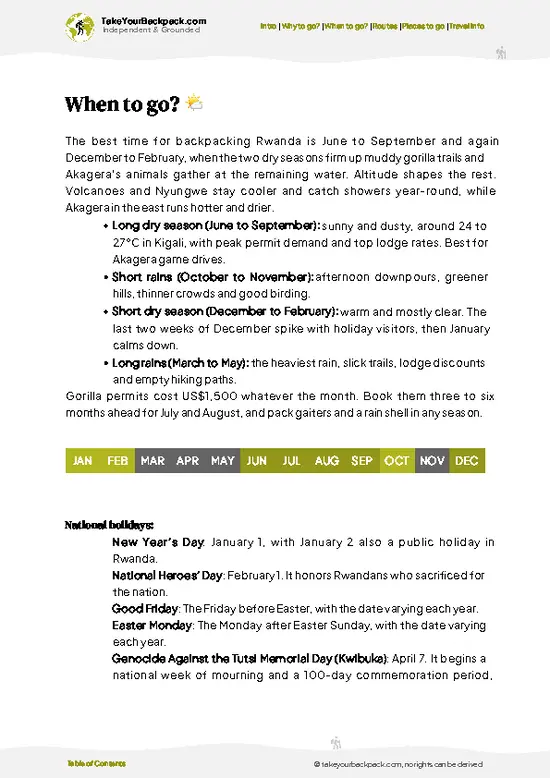
  • Topic: Weather – Rubavu’s climate swings between wet and dry seasons. The dry months, June to September and December to February, offer crisp, clear skies perfect for trekking and lake views. Rainy seasons (March-May, October-November) bring lush greenery but slippery trails and frequent downpours.

  • Topic: Temperature – Expect daytime highs around 22-26°C (72-79°F) during dry months, cooling to 15-18°C (59-64°F) at night. Rainy seasons feel cooler and damper, so pack layers to stay comfortable.

  • Topic: Daylight Hours – Near the equator, daylight is steady year-round, roughly 12 hours daily. Early mornings and late afternoons are golden for photography and wildlife spotting, so plan hikes accordingly.

  • Topic: Crowds – Tourist flow peaks in July and August, coinciding with dry weather
read more 👉

  • Topic: Weather – Rubavu’s climate swings between wet and dry seasons. The dry months, June to September and December to February, offer crisp, clear skies perfect for trekking and lake views. Rainy seasons (March-May, October-November) bring lush greenery but slippery trails and frequent downpours.

  • Topic: Temperature – Expect daytime highs around 22-26°C (72-79°F) during dry months, cooling to 15-18°C (59-64°F) at night. Rainy seasons feel cooler and damper, so pack layers to stay comfortable.

  • Topic: Daylight Hours – Near the equator, daylight is steady year-round, roughly 12 hours daily. Early mornings and late afternoons are golden for photography and wildlife spotting, so plan hikes accordingly.

  • Topic: Crowds – Tourist flow peaks in July and August, coinciding with dry weather and holidays. Visiting just before or after these months means fewer people and a more intimate experience around Lake Kivu.

  • Topic: Seasonal Activities – Dry seasons unlock hiking, boating, and volcano treks without weather interruptions. The wet season’s vibrant flora is a treat for nature lovers but expect occasional trail closures.

  • Topic: Price Fluctuations – Accommodation and tours spike during peak dry months. Shoulder seasons offer better deals and more flexible bookings, ideal for budget-conscious backpackers.


Pro-tip: Aim for late June or early September to catch dry trails, manageable crowds, and wallet-friendly prices—Rubavu’s best-kept timing secret.


source: climatestotravel.comJANJanuary: excellent for travelingFEBFebruary: excellent for travelingMARMarch: fair for travelingAPRApril: fair for travelingMAYMay: fair for travelingJUNJune: highly recommended for travelingJULJuly: highly recommended for travelingAUGAugust: highly recommended for travelingSEPSeptember: highly recommended for travelingOCTOctober: fair for travelingNOVNovember: fair for travelingDECDecember: excellent for traveling
rwanda-city-rubavu v1
© Google |

✈️ The backpacker research shortcutRwanda Travel Guide

An offline-friendly backpacking guide with optimized travel routes, ranked highlights, transport advice, and the best areas to stay.
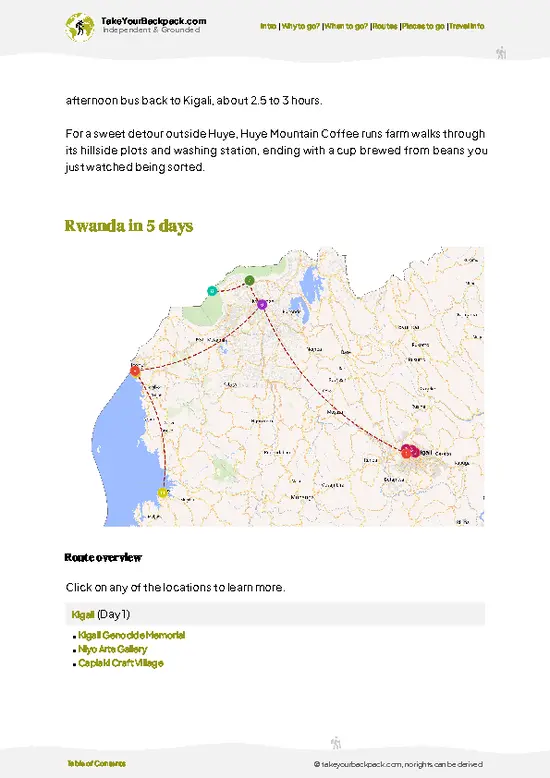
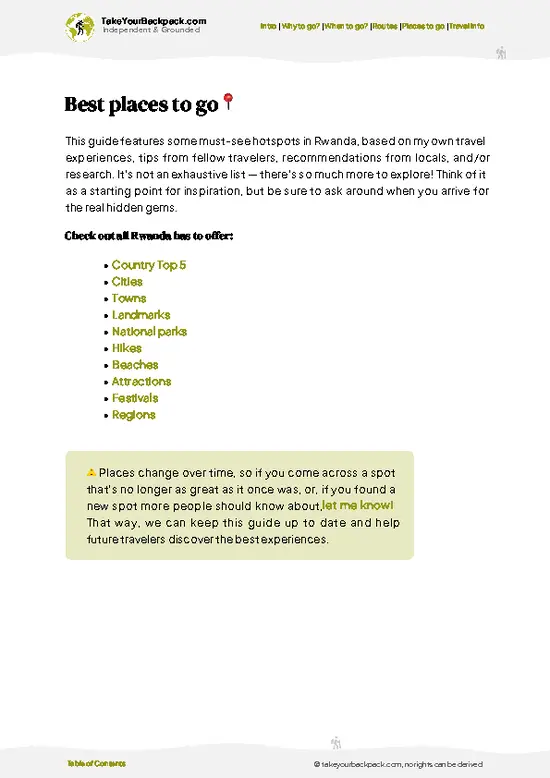
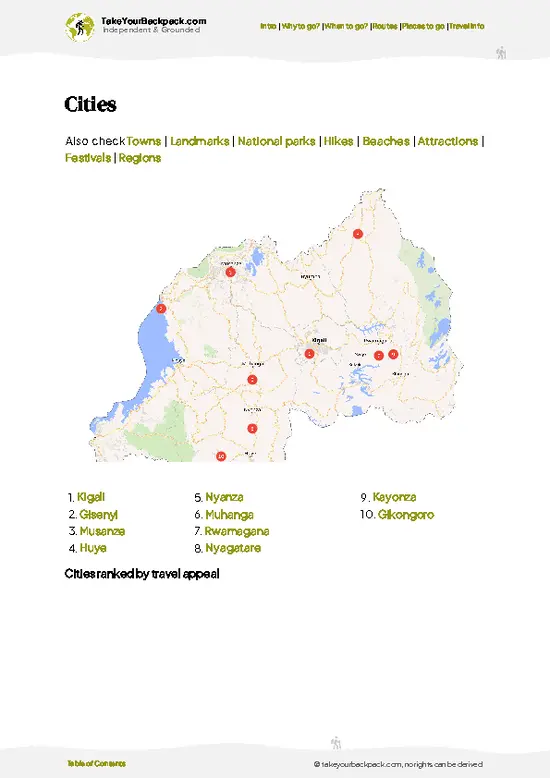
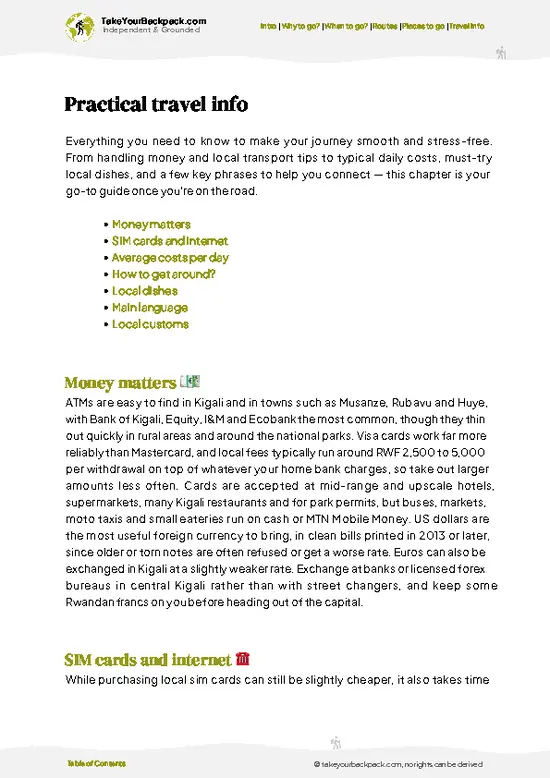
example page 0 from our offline Travel Guide for Rwanda
example page 1 from our offline Travel Guide for Rwanda
example page 2 from our offline Travel Guide for Rwanda
example page 3 from our offline Travel Guide for Rwanda
example page 4 from our offline Travel Guide for Rwanda
example page 5 from our offline Travel Guide for Rwanda
example page 6 from our offline Travel Guide for Rwanda
example page 7 from our offline Travel Guide for Rwanda
The digital guide (246 pages) contains:
61 highlights, ranked by travel appeal
Optimized 2, 3 & 5-day travel routes
Cities, national parks, landmarks, beaches
How to get around
Offline-friendly for travel without Wi-Fi
👉 Click to see all 30+ guide features

📅 Plan smarter in minutes, not weeks
Month by month travel advice
Festivals & national holidays
Budget expectations

🗺️ Go to the right places, skip the overrated ones
Honest pros & cons of destinations
Top hikes, parks & viewpoints
Lesser-known places most travelers miss
Clear “worth it vs skip it” guidance

🛏️ Travel smoothly without rookie mistakes
Best areas to stay
Transport systems explained simply
Common scams & safety advice
SIM cards, money & practical tips

🌍 Understand the country, not just visit it
Culture & traditions
52 Essential phrases & customs
Festivals worth planning around
Traveler-friendly historical context
Insights that make places more meaningful

📱 Built for real travel conditions
Fully downloadable PDF
Works completely offline
Optimized for phone use
Useful in remote areas & buses
Everything in one place
Save weeks of stressful planning
Get instant access to your full guide. 30‑day money-back guarantee.
+ Add another guide for just US$7.80

By proceeding you agree to our terms.
Sent to your inbox immediately after payment • 100% Secure Checkout
Best Backpacking Travel Advisor 2025 tourism awardBest Backpacking
Travel Advisor
2025
What others say about Take Your Backpack Guides:
⭐⭐⭐⭐⭐
Fantastic, amazing amount of information!
⭐⭐⭐⭐⭐
My goodness this is amazing, it's what I've been looking for hats off too you!
⭐⭐⭐⭐⭐
I think this is absolutely BRILLIANT
⭐⭐⭐⭐
Very complete and informative. It's still missing places, but I gotta to commend you
⭐⭐⭐⭐⭐
This is truly amazing, thank you, can't wait to explore it with my kids!
⭐⭐⭐⭐⭐
Awesome resource, thank you!
⭐⭐⭐⭐⭐
This is amazing! Can't wait to explore the ones I haven't seen
⭐⭐⭐⭐
I love this! Well done, great idea.
⭐⭐⭐⭐⭐
Thanks for taking the time to make this gem!
⭐⭐⭐⭐⭐
This might be the best website I've ever seen.
⭐⭐⭐⭐⭐
Congratulations, and thank you so much for your work; it's incredibly valuable.
⭐⭐⭐⭐
In all seriousness I think you did a great job pointing out the important spots
⭐⭐⭐⭐⭐
10/10 very good
⭐⭐⭐⭐⭐
As someone who's only just starting to visit regularly this is awesome, thank you.
⭐⭐⭐⭐
Thank you very much! I'm going to visit my dad, it's going to be very useful!
⭐⭐⭐⭐⭐
This is really cool! We'll be travelling for the first time and this definitely come in handy.
⭐⭐⭐⭐⭐
You are now our minister of culture, congratulations 👨‍💼
⭐⭐⭐⭐⭐
Just wanted to tell you that this is a pearl! Going to follow your recommendations.
⭐⭐⭐⭐⭐
This is so cool. I'll definitely be using the resource for my travels soon.
⭐⭐⭐⭐⭐
This is very impressive! Good work.
⭐⭐⭐⭐⭐
This is an amazing and informative site. Very well done!

🛏️ Where to stay?Best areas to stay in Rwanda

Rubavu’s heartbeat for backpackers pulses strongest around the town center and the nearby lakeside stretch. This is where the energy hums with a mix of local life and traveler buzz, making it easier to plug into the social scene without feeling like a tourist trapped in a bubble. The town center offers a practical base—streets lined with small markets, street food stalls, and cafés where you can catch the scent of fresh coffee mingling with the earthy aroma after a rain. It’s safe enough to wander after dark, especially if you stick to well-lit, busier roads, and the vibe is casual but lively, … read more 👉
Rubavu’s heartbeat for backpackers pulses strongest around the town center and the nearby lakeside stretch. This is where the energy hums with a mix of local life and traveler buzz, making it easier to plug into the social scene without feeling like a tourist trapped in a bubble. The town center offers a practical base—streets lined with small markets, street food stalls, and cafés where you can catch the scent of fresh coffee mingling with the earthy aroma after a rain. It’s safe enough to wander after dark, especially if you stick to well-lit, busier roads, and the vibe is casual but lively, perfect for solo travelers looking to swap stories over a cold local brew.

Slide a bit closer to Lake Kivu’s shores, and the atmosphere shifts to something more relaxed but still social. Here, the air carries a faint mist from the water, and the sunsets splash color across the sky, rewarding the day’s effort. This lakeside area draws budget travelers who want to balance downtime with easy access to boat trips and local markets. Hostels cluster here, offering communal spaces where you can meet fellow backpackers without the pretense of upscale resorts. Compared to quieter, more residential neighborhoods, these spots keep you connected—to people, to the pulse of Rubavu, and to the natural beauty that makes the town worth the trek.

🚌 Getting aroundMoving around without the hassle

Rubavu moves with a rhythm that’s part pulse, part pause. The town’s energy isn’t dictated by strict timetables but by the ebb and flow of daily life along Lake Kivu’s shores. Early mornings bring a cool mist that softens the edges of the bustling markets, where vendors call out in a mix of Kinyarwanda and Swahili, their voices weaving through the scent of fresh fish and ripe fruit. By midday, the sun sharpens shadows and tempers the pace; locals and travelers alike drift into cafes or lakeside spots, savoring the slow, warm moments. Evening doesn’t rush in—it seeps through the streets, carrying the smell of grilled tilapia and the low hum of conversation. This town rewards those who move with its natural pulse rather than against it.


  • Walking: The best way to soak in Rubavu’s character
read more 👉
Rubavu moves with a rhythm that’s part pulse, part pause. The town’s energy isn’t dictated by strict timetables but by the ebb and flow of daily life along Lake Kivu’s shores. Early mornings bring a cool mist that softens the edges of the bustling markets, where vendors call out in a mix of Kinyarwanda and Swahili, their voices weaving through the scent of fresh fish and ripe fruit. By midday, the sun sharpens shadows and tempers the pace; locals and travelers alike drift into cafes or lakeside spots, savoring the slow, warm moments. Evening doesn’t rush in—it seeps through the streets, carrying the smell of grilled tilapia and the low hum of conversation. This town rewards those who move with its natural pulse rather than against it.


  • Walking: The best way to soak in Rubavu’s character is on foot. The town’s compact center means you can cover most spots within 20-30 minutes. Walking lets you catch the lake breeze, the street vendors’ calls, and the subtle shifts in light that mark the day’s progress. It’s free, flexible, and perfect for spontaneous detours.


  • Boda-Boda (Motorcycle Taxi): These are the lifeblood of local transit—fast, nimble, and everywhere. Expect to pay around 500-1,000 RWF for short rides within town. Negotiate before you hop on; fares aren’t fixed, and the ride is an adrenaline shot through narrow streets and sudden turns. They run all day until late evening, making them ideal for quick hops or late returns.


  • Minibus Taxi: For trips beyond Rubavu’s core, minibuses connect to nearby towns like Gisenyi and Kibuye. They leave when full, so timing is flexible but unpredictable—plan for waits of 10-30 minutes. Fares hover around 1,000-1,500 RWF. These rides are slower, packed, and noisy, but they offer a genuine slice of local life and a chance to chat with fellow passengers.


  • Lake Boat: A unique way to travel and experience Rubavu is by boat on Lake Kivu. Boats run irregularly, often arranged through local operators or hotels, and prices vary widely. The ride offers cool lake air and views of the volcanic hills, but schedules depend on weather and demand—so treat it as a bonus adventure rather than a strict transport option.

👛 Costs (as of 3 September 2026)Money, prices, and spending tips

Backpacking in Rubavu, Rwanda, offers a mix of affordability and local flavor, but knowing the real costs helps you plan without surprises.
  • Dorm Accommodation: Expect to pay around $8 to $15 per night for a bed in a basic guesthouse or hostel dorm. These places often have simple rooms with shared bathrooms, sometimes with a view of Lake Kivu’s misty mornings. The price reflects the modest comfort and the chance to meet other travelers.
  • Meals: Local eateries serve hearty meals for $2 to $5. Think of fresh grilled tilapia or a plate of isombe with cassava leaves, filling and flavorful without the tourist markup. Street food snacks like sambusas or roasted maize cost under a dollar, perfect for quick bites.
  • Local Transport: Motorcycle taxis (motos) are the go-to for short hops, costing about
read more 👉
Backpacking in Rubavu, Rwanda, offers a mix of affordability and local flavor, but knowing the real costs helps you plan without surprises.
  • Dorm Accommodation: Expect to pay around $8 to $15 per night for a bed in a basic guesthouse or hostel dorm. These places often have simple rooms with shared bathrooms, sometimes with a view of Lake Kivu’s misty mornings. The price reflects the modest comfort and the chance to meet other travelers.
  • Meals: Local eateries serve hearty meals for $2 to $5. Think of fresh grilled tilapia or a plate of isombe with cassava leaves, filling and flavorful without the tourist markup. Street food snacks like sambusas or roasted maize cost under a dollar, perfect for quick bites.
  • Local Transport: Motorcycle taxis (motos) are the go-to for short hops, costing about $0.50 to $1.50 depending on distance. For longer rides, shared minibuses (matatus) run around $1 to $2. The roads can be bumpy, so budget time and patience along with the fare.
  • Basic Activities/Entry Fees: Visiting the hot springs or local markets usually costs under $2. If you want to rent a kayak on Lake Kivu or take a guided nature walk, expect to pay $5 to $10. These activities are low-key but rich in sensory rewards—the cool lake breeze, the earthy scent of wet soil after rain.
  • Miscellaneous Expenses: Bottled water, snacks, and occasional phone credit top up will add around $1 to $3 daily. Keep cash handy; card payments are rare outside bigger hotels and shops.

All told, a realistic daily budget for backpacking in Rubavu falls between $15 and $30. This range covers the essentials without skimping on the experience, letting you soak in the lakeside atmosphere and local rhythms without constant money stress.


source: visitrwanda.com
⚠️ Prices can change and everyone travels differently, so take this as a rough guide. Hope it helps you plan your adventure!

🚌 Day tripsWhere to go beyond the main area

Rubavu, Rwanda, is a fantastic base for day trips that blend adventure with cultural immersion. The vibrant atmosphere of the town, with its bustling markets and the scent of grilled fish wafting from lakeside stalls, sets the stage for unforgettable excursions.

1. Nyungwe National Park
A trip to Nyungwe National Park is a must for any nature lover. Just a three-hour drive from Rubavu, this lush rainforest is home to diverse wildlife, including chimpanzees and over 300 bird species. The park’s canopy walk offers a thrilling perspective, swaying high above the forest floor. Expect to spend around $30 for park entry and transportation. The best time to visit is during the dry season, from June to September, when trails are less muddy. A common mistake is underestimating the time needed for … read more 👉
Rubavu, Rwanda, is a fantastic base for day trips that blend adventure with cultural immersion. The vibrant atmosphere of the town, with its bustling markets and the scent of grilled fish wafting from lakeside stalls, sets the stage for unforgettable excursions.

1. Nyungwe National Park
A trip to Nyungwe National Park is a must for any nature lover. Just a three-hour drive from Rubavu, this lush rainforest is home to diverse wildlife, including chimpanzees and over 300 bird species. The park’s canopy walk offers a thrilling perspective, swaying high above the forest floor. Expect to spend around $30 for park entry and transportation. The best time to visit is during the dry season, from June to September, when trails are less muddy. A common mistake is underestimating the time needed for the drive; leave early to maximize your time in the park.


2. Lake Kivu Beaches
For a more laid-back day, head to the beaches of Lake Kivu. Just a short 20-minute ride from Rubavu, you can soak up the sun or rent a kayak for about $5. The soft sand and gentle waves create a perfect backdrop for relaxation. Bring a picnic to enjoy while watching local fishermen at work. The best time to go is in the afternoon when the sun casts a golden hue over the water. Many first-timers miss out on the local eateries; grab a bite at a lakeside café for an authentic taste of Rwandan cuisine.
👉 Explore Lake Kivu

3. Gisenyi Town
Gisenyi, a charming town just 30 minutes away, offers a delightful mix of culture and scenery. Stroll along the promenade, where the air is filled with the aroma of fresh coffee and the sound of laughter from local vendors. You can visit the local market for handmade crafts or take a boat tour on the lake for around $10. The best time to visit is early morning when the town is waking up. A common mistake is sticking to the main roads; venture into the side streets for a more authentic experience.
👉 Explore Gisenyi

4. Volcanoes National Park
For the adventurous, Volcanoes National Park is about a two-hour drive from Rubavu. Known for its mountain gorillas, this park offers guided treks that can cost around $150, but the experience is priceless. The misty mountains and the thrill of seeing these majestic creatures in their natural habitat make it worth every penny. The best time to trek is during the dry season, but be prepared for unpredictable weather. Many first-timers overlook the importance of booking permits in advance; securing your spot is crucial.
👉 Explore Volcanoes National Park

Each of these trips offers a unique slice of Rwandan life, making Rubavu not just a stopover, but a gateway to unforgettable experiences.
Want to know what more Rwanda offers?
The Rwanda Travel Guide describes 61 highlights, from cities to national parks, from beaches to hikes

Get the Travel Guide -

🍲 FoodLocal Cuisine & Drinks

In Rubavu, food is a lively negotiation between tradition and the fresh bounty of Lake Kivu. The must-try dish is Isombe, a creamy stew made from cassava leaves simmered with peanut butter and sometimes fish or meat. It’s earthy, rich, and a perfect introduction to local flavors. Don’t miss out on Brochettes—skewers of marinated meat grilled over open flames, often enjoyed with a side of fried plantains that crackle with sweetness and a hint of smoke.

Backpackers will find their culinary playground in the bustling markets and street corners where vendors serve up steaming bowls of Ugali (a stiff maize porridge) paired with fresh fish or goat meat. These spots are informal but packed with character—expect to eat with your hands or a simple spoon, surrounded by locals chatting and bargaining. … read more 👉
In Rubavu, food is a lively negotiation between tradition and the fresh bounty of Lake Kivu. The must-try dish is Isombe, a creamy stew made from cassava leaves simmered with peanut butter and sometimes fish or meat. It’s earthy, rich, and a perfect introduction to local flavors. Don’t miss out on Brochettes—skewers of marinated meat grilled over open flames, often enjoyed with a side of fried plantains that crackle with sweetness and a hint of smoke.

Backpackers will find their culinary playground in the bustling markets and street corners where vendors serve up steaming bowls of Ugali (a stiff maize porridge) paired with fresh fish or goat meat. These spots are informal but packed with character—expect to eat with your hands or a simple spoon, surrounded by locals chatting and bargaining. Casual eateries and roadside cafés offer a chance to sip on Urwagwa, a traditional banana beer that’s tangy and slightly effervescent, or grab a cold bottle of Primus, Rwanda’s popular lager, perfect for unwinding after a day of trekking.

Eating in Rubavu is as much about the social rhythm as the food itself. Meals are often shared, and it’s polite to accept at least a small portion when offered. The pace is unhurried, inviting you to savor each bite and the company around you. Here, food isn’t just fuel—it’s a gateway to connection.

🛡️ SafetyScams, Hazards, and Annoyances

Rubavu is generally safe, but a few practical tips can enhance your experience. The waterfront area, especially near the bustling market, is vibrant but can draw attention. Keep your belongings close and be mindful of your surroundings.

If you’re traveling solo, consider sticking to well-lit areas after dark. The lakeside promenade is lovely at night, but it’s wise to avoid quieter streets. Trust your instincts; if something feels off, it probably is.

Scams are rare, but occasionally, you might encounter overly friendly locals eager to guide you for a fee. Politely decline if you’re not interested. Everyday annoyances can include persistent vendors at the market. A friendly smile and a firm “no, thank you” usually do the trick.

Overall, carry yourself with confidence. Engage with locals, … read more 👉
Rubavu is generally safe, but a few practical tips can enhance your experience. The waterfront area, especially near the bustling market, is vibrant but can draw attention. Keep your belongings close and be mindful of your surroundings.

If you’re traveling solo, consider sticking to well-lit areas after dark. The lakeside promenade is lovely at night, but it’s wise to avoid quieter streets. Trust your instincts; if something feels off, it probably is.

Scams are rare, but occasionally, you might encounter overly friendly locals eager to guide you for a fee. Politely decline if you’re not interested. Everyday annoyances can include persistent vendors at the market. A friendly smile and a firm “no, thank you” usually do the trick.

Overall, carry yourself with confidence. Engage with locals, but stay aware. This balance will help you unlock the true charm of Rubavu while keeping your experience smooth and enjoyable.

FAQTraveler FAQ

2 to 3 days are sufficient to explore Rubavu, including its main attractions like Lake Kivu and nearby hot springs. This allows time for relaxation and a boat trip on the lake. Additional days may be needed for hiking or visiting nearby Volcanoes National Park.
Yes, Rubavu is generally safe for solo backpackers, especially during daylight hours. Standard precautions like avoiding isolated areas at night and securing belongings are advised. The town has a friendly local community and a growing tourism infrastructure.
Rubavu is known for its location on the shores of Lake Kivu, one of Africa's Great Lakes. It is also famous for its hot springs and as a gateway to Volcanoes National Park. The town offers scenic views and water-based activities like kayaking and fishing.
⚠️ Things can change over time, so always validate details locally before you go.

Other Rwandan cities near Rubavu

Explore more nearby:

  • Gisenyi—Lake Kivu shoreline, border town, hot springs, relaxed beach scene| 4 km away
  • Nyabihu—potato farms, misty valleys, park gateway| 29 km away
  • Rutsiro—coffee farms, forested hills, lake views| 32 km away

💡 Not sure where to go next?
Create a personalized itinerary for Rwanda including Rubavu and the places that fit your trip.

Generate my itinerary

👉 Discover all cities

Or checkout all Rwanda has to offer (think cities, towns, villages, national parks, hikes, beaches, festivals)
Country photo of Rwanda

We 💚 feedbackParting advice and final tips

Rubavu has a pulse that’s hard to ignore. The lakeside breeze carries the scent of grilled tilapia from local stalls, and the laughter of children playing nearby adds a warmth that feels genuine. Don’t miss the sunrise over Lake Kivu; it’s a moment that makes the early wake-up worth it. Just a heads-up: the roads can be bumpy, so pack some patience. Embrace the chaos, and you’ll find the real magic in the connections you make along the way.

✍️ Help improve this page!
The information on this page is based on in-depth research, insights shared by experienced travelers, and feedback from the local travel community in Rwanda. While every effort is made to keep the information accurate and current, conditions can change — so if you spot anything incorrect or outdated, please get in touch.


🙋‍♂️ Give feedback

👋 Meet the founderWho’s Behind Take Your Backpack?

Johan, backpacker and founder of TakeYourBackpackHi, I’m Johan (Netherlands 🇳🇱), the creator of TakeYourBackpack. Over the past decade, I’ve backpacked through 80+ countries across six continents, gaining extensive experience with independent travel, long-term trips, and overland routes.

This site is built on a combination of firsthand travel experience and carefully curated insights from other backpackers. Many guides are based on places I’ve personally visited, while others bring together tips, observations, and practical advice shared by trusted travelers I’ve met along the way.

The goal is to provide realistic, experience-driven guidance — not generic itineraries — so you can explore destinations with better context, clearer expectations, and more confidence.

Get full Rwanda guide •
Instant download • 61 highlights • Full Offline guide