×

Rwanda🇷🇼 | citiesKarongilakefront promenade, boat docks, market stalls | things to do and best time to go

Explore HuyeExplore Kigali

Backpacking in Karongi
🏆 Top pickcity ranked #5
By Johan Kruseman 🇳🇱 | Updated September 3, 2026

The first real fork in the road at Karongi is this: do you linger on the lakeshore, or treat it as a pit stop on the way to Nyungwe’s misty forests? That choice shapes everything—your pace, your budget, even how you remember Rwanda’s western edge. Karongi sits on the eastern shore of Lake Kivu, about halfway between Kigali and the Congolese border. The town itself is a slow exhale after the chaos of the capital: mornings smell like woodsmoke and coffee, afternoons shimmer with lake light, and the evenings are so quiet you can hear the fishermen singing from their dugouts. Backpackers come for the pause—Karongi is less a destination than a mood. It’s a launchpad for boat trips, lakeside hikes, and the kind of lazy market browsing that makes you feel like you’ve earned your downtime. Don’t expect a wild hostel scene or nightlife; this is a place for slow beers, not bar crawls. Buses from Kigali are cheap and frequent, and once you’re here, you can walk most places, though moto-taxis fill the gaps. Compared to busier Gisenyi or the more remote Cyangugu, Karongi is the sweet spot: scenic, relaxed, and just social enough if you want company, but easy to slip off the grid. Costs are mid-range by Rwandan standards, and safety is rarely a worry—just keep your wits about you after dark, as anywhere.

Discover everything you want to know in the 📖 Rwanda Travel Guide.


Get your Rwanda guide
61 ranked highlights, routes & tips, works offline (246 pages)
Loading the map 🌍
CLICK TO FILTER
cities
towns
landmarks
national parks
hikes
beaches
attractions
festivals
SHOW COUNTRY’S BESTSHOW ALL

✨ Why go?
Ranked #5 city in Rwanda
Why visitors keep coming back

Karongi, Rwanda, is a backpacker’s haven that serves as a strategic waypoint on your journey through this stunning country. Nestled along the shores of Lake Kivu, it’s a gateway to hikes in the nearby Nyungwe Forest, where the scent of damp earth and the calls of birds create an immersive experience. The beaches here are not just for lounging; they invite you to unwind after a day of trekking, with the sun dipping low, painting the sky in hues of orange and pink.

The town’s walkable streets are lined with small-scale hostels and guesthouses, offering a cozy atmosphere that encourages connection among travelers. You’ll find local food experiences that are both affordable and delicious, from street vendors serving up grilled fish to small cafes dishing out hearty stews.

Most backpackers tend … read more 👉
Karongi, Rwanda, is a backpacker’s haven that serves as a strategic waypoint on your journey through this stunning country. Nestled along the shores of Lake Kivu, it’s a gateway to hikes in the nearby Nyungwe Forest, where the scent of damp earth and the calls of birds create an immersive experience. The beaches here are not just for lounging; they invite you to unwind after a day of trekking, with the sun dipping low, painting the sky in hues of orange and pink.

The town’s walkable streets are lined with small-scale hostels and guesthouses, offering a cozy atmosphere that encourages connection among travelers. You’ll find local food experiences that are both affordable and delicious, from street vendors serving up grilled fish to small cafes dishing out hearty stews.

Most backpackers tend to stay a few days, soaking in the friendly social vibe while also enjoying moments of solitude by the lake. This place suits slow travelers, hikers, and solo adventurers looking for a balance of activity and relaxation. If you’re seeking a quick stop, you might miss the charm; linger a bit, and you’ll uncover the heart of Karongi.
Want to include Karongi in your Rwanda route?
Create a personalized Rwanda itinerary that includes Karongi and the places that fit your trip — based on your travel style, budget, and available time. Get your route in seconds.

Generate my trip

💡 HighlightsKey sights and experiences for travelers

  1. Kibuye Genocide Memorial — The main, sober site in town where you can pay respects, read survivor testimony and see memorial gardens and mass graves; essential for understanding Rwanda’s recent history and the local community’s resilience.
  2. Karongi (Kibuye) Waterfront & Harbor — The heartbeat of the town: ferries and pirogues come and go, fishermen mend nets, and the lakeside path is perfect for slow sunset walks and watching everyday lake life unfold.
  3. Kibuye Central Market — A colorful, chaotic place to buy fresh fruit, vegetables, smoked fish and small crafts; great for people-watching, haggling a bit, and trying street snacks from local vendors.
  4. Fishermen’s Landing & Fish Market — Early mornings are the best time to see the catch being brought ashore (tilapia is common), buy super-fresh
read more 👉
  1. Kibuye Genocide Memorial — The main, sober site in town where you can pay respects, read survivor testimony and see memorial gardens and mass graves; essential for understanding Rwanda’s recent history and the local community’s resilience.
  2. Karongi (Kibuye) Waterfront & Harbor — The heartbeat of the town: ferries and pirogues come and go, fishermen mend nets, and the lakeside path is perfect for slow sunset walks and watching everyday lake life unfold.
  3. Kibuye Central Market — A colorful, chaotic place to buy fresh fruit, vegetables, smoked fish and small crafts; great for people-watching, haggling a bit, and trying street snacks from local vendors.
  4. Fishermen’s Landing & Fish Market — Early mornings are the best time to see the catch being brought ashore (tilapia is common), buy super-fresh fish, and observe traditional fishing techniques up close.
  5. Lakeside Beaches and Public Swimming Spots — Small sandy/pebble stretches right in town where locals swim, sunbathe and launch boats; an easy, cheap way to cool off and mingle with Karongi residents.
  6. Town Viewpoints & Short Hill Walks — A handful of short climbs from the centre open up sweeping views over Lake Kivu and the nearby islands — simple walks that reward you with excellent photo ops and the feel of the town’s terraced hills.
  7. Local Craft Stalls & Women’s Cooperatives — Scattered around the waterfront and market, these stalls sell woven agaseke baskets, beadwork and textiles; buying here supports local artisans and makes for authentic souvenirs.
  8. Community-run Guesthouses & Homestays — Small, locally run places in town where hosts serve home-cooked meals and share stories — the quickest way to get a real feel for daily life in Karongi.
  9. Kibuye Parish and Other Religious Sites — Churches and community chapels play a central role here; beyond spiritual life they’re hubs for events, offer quiet architecture to explore, and sometimes great viewpoints over the lake.
  10. Lakeside Cafés and Market Eateries — Simple cafés and barbecue spots along the water where you can eat freshly grilled fish, brochettes and sip Rwandan coffee while watching boats drift by — low-cost and genuinely local.
A few excellent day trips just outside town: the Lake Kivu islands (Napoleon/“Monkey” Island and Peace/Amahoro Island) and nearby sections of the Congo-Nile Trail along the lakeshore are all easy, visitable trips from Karongi.
Spotted a mistake or missing something? Contact us.

Things to do near Karongi

Ratings based on Tripadvisor reviews. When you book through this link, you support our work at no extra cost to you.

🏘️ NeighborhoodsHow different areas shape the experience

Karongi, a lakeside town in Rwanda, offers a unique blend of tranquility and adventure. Each neighborhood has its own character, making it essential to choose wisely for your stay.

Town Center: This is the heartbeat of Karongi. You’ll find local markets buzzing with vendors selling fresh produce and crafts. It’s walkable, with plenty of budget-friendly guesthouses. The nightlife is low-key, perfect for winding down after a day of exploring. Ideal for short stays, you can easily access transport to nearby attractions.

Rubavu Road: A bit quieter, this area is lined with charming lodges and cafes overlooking Lake Kivu. The vibe is relaxed, making it great for longer stays. You can stroll along the lakeshore, soaking in the views and fresh air. Public transport is accessible, but you might want … read more 👉
Karongi, a lakeside town in Rwanda, offers a unique blend of tranquility and adventure. Each neighborhood has its own character, making it essential to choose wisely for your stay.

Town Center: This is the heartbeat of Karongi. You’ll find local markets buzzing with vendors selling fresh produce and crafts. It’s walkable, with plenty of budget-friendly guesthouses. The nightlife is low-key, perfect for winding down after a day of exploring. Ideal for short stays, you can easily access transport to nearby attractions.

Rubavu Road: A bit quieter, this area is lined with charming lodges and cafes overlooking Lake Kivu. The vibe is relaxed, making it great for longer stays. You can stroll along the lakeshore, soaking in the views and fresh air. Public transport is accessible, but you might want to rent a bike for a more immersive experience.

Nyamirembe: This hillside neighborhood offers stunning panoramic views. It’s less touristy, giving you a taste of local life. While it’s a bit of a trek to the center, the peace and quiet make it worthwhile. Perfect for those looking to escape the hustle, it’s best suited for longer stays where you can truly unwind.

Gisenyi Road: A lively stretch with a mix of restaurants and bars. It’s a hub for backpackers seeking social interaction. The atmosphere is vibrant, especially in the evenings. While it can be pricier, the energy is contagious, making it suitable for both short and longer visits.

⌛️ 1 day1-day itinerary for Karongi

Karongi, perched on the shores of Lake Kivu, offers a slice of Rwandan life that feels both serene and vibrant. The air is thick with the scent of fresh earth and blooming flowers, while the gentle lapping of the lake creates a soothing soundtrack. This town is a blend of local culture and stunning landscapes, making it a perfect spot for a day of exploration.

Start your morning with a stroll along the lakeside promenade. The early light dances on the water, and you can grab a cup of strong Rwandan coffee from a nearby café. The locals are friendly, often greeting you with warm smiles. After your caffeine fix, head to the nearby fishing village of Bwishyura. It’s not on the typical tourist path, but the colorful boats and the fishermen hauling in their morning catch offer a genuine glimpse … read more 👉
Karongi, perched on the shores of Lake Kivu, offers a slice of Rwandan life that feels both serene and vibrant. The air is thick with the scent of fresh earth and blooming flowers, while the gentle lapping of the lake creates a soothing soundtrack. This town is a blend of local culture and stunning landscapes, making it a perfect spot for a day of exploration.

Start your morning with a stroll along the lakeside promenade. The early light dances on the water, and you can grab a cup of strong Rwandan coffee from a nearby café. The locals are friendly, often greeting you with warm smiles. After your caffeine fix, head to the nearby fishing village of Bwishyura. It’s not on the typical tourist path, but the colorful boats and the fishermen hauling in their morning catch offer a genuine glimpse into daily life. The vibrant market here is a feast for the senses, with the smell of grilled fish mingling with the earthy aroma of fresh produce.

In the afternoon, make your way to the stunning Congo Nile Trail. Rent a bike and ride along the scenic paths that hug the lake’s edge. The views are breathtaking, with lush hills rising dramatically behind you. Stop for a picnic lunch at one of the many viewpoints, where the breeze carries the scent of wildflowers.

As the sun begins to set, return to Karongi and explore the local eateries. Try some traditional Rwandan dishes like ugali or brochettes, paired with a local beer. The atmosphere is lively, filled with laughter and the sounds of conversation.

End your day by taking a boat ride on Lake Kivu. The fading light casts a golden hue on the water, and as you glide across the surface, you’ll feel the day’s adventures settle into your bones. Karongi isn’t just a stop; it’s a place that invites you to slow down and savor every moment.
Turn your Karongi visit into an Rwanda adventure
Build a complete Rwanda route with Karongi, hidden gems, must-see destinations, and realistic travel times included.

Generate my trip

🌤️ When to go?When to go for the best experience


  • Weather: Karongi’s climate is mild year-round, but the dry seasons from June to September and December to February offer the clearest skies and less mud on trails. Expect daytime highs around 24-27°C (75-81°F), perfect for lake activities without the oppressive humidity.

  • Temperature: Nights can dip to a cool 14-16°C (57-61°F), so pack a light jacket. The dry season’s crisp air feels refreshing after the warmth of the day, making evening strolls along Lake Kivu especially pleasant.

  • Daylight Hours: Near the equator, Karongi enjoys roughly 12 hours of daylight year-round. Sunrise is around 6:15 AM, and sunset near 6:15 PM, giving you a reliable window for early hikes or late boat rides without rushing.

  • Crowds: Tourist traffic peaks during the dry months, especially July and August, when
read more 👉

  • Weather: Karongi’s climate is mild year-round, but the dry seasons from June to September and December to February offer the clearest skies and less mud on trails. Expect daytime highs around 24-27°C (75-81°F), perfect for lake activities without the oppressive humidity.

  • Temperature: Nights can dip to a cool 14-16°C (57-61°F), so pack a light jacket. The dry season’s crisp air feels refreshing after the warmth of the day, making evening strolls along Lake Kivu especially pleasant.

  • Daylight Hours: Near the equator, Karongi enjoys roughly 12 hours of daylight year-round. Sunrise is around 6:15 AM, and sunset near 6:15 PM, giving you a reliable window for early hikes or late boat rides without rushing.

  • Crowds: Tourist traffic peaks during the dry months, especially July and August, when international travelers flock here. Visiting just before or after this window means fewer people and a more laid-back vibe without sacrificing good weather.

  • Seasonal Activities: Dry months are prime for kayaking, hiking, and exploring local villages without the interruption of rain. The rainy seasons (March-May and October-November) bring lush greenery but can limit outdoor plans and make dirt roads slippery.

  • Price Fluctuations: Accommodation and tours tend to be pricier during the dry season’s peak months. Booking in shoulder seasons can score better deals and more flexible options, especially for budget backpackers.


Pro-tip: Aim for late February or early October—just before or after the rains—to catch fresh landscapes, manageable crowds, and wallet-friendly rates, all while enjoying the lake’s calm waters and crisp air.


source: climatestotravel.comJANJanuary: excellent for travelingFEBFebruary: excellent for travelingMARMarch: fair for travelingAPRApril: fair for travelingMAYMay: fair for travelingJUNJune: excellent for travelingJULJuly: excellent for travelingAUGAugust: excellent for travelingSEPSeptember: highly recommended for travelingOCTOctober: good for travelingNOVNovember: fair for travelingDECDecember: excellent for traveling
rwanda-city-karongi v1
© Google |

✈️ The backpacker research shortcutRwanda Travel Guide

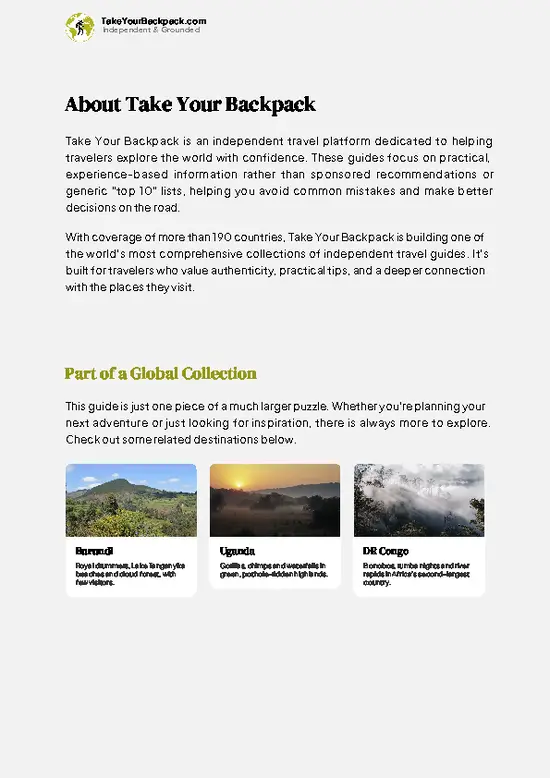
An offline-friendly backpacking guide with optimized travel routes, ranked highlights, transport advice, and the best areas to stay.
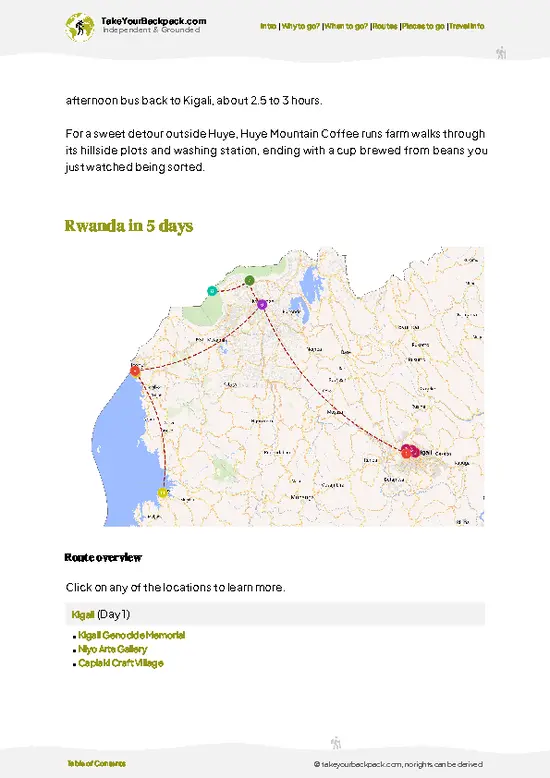
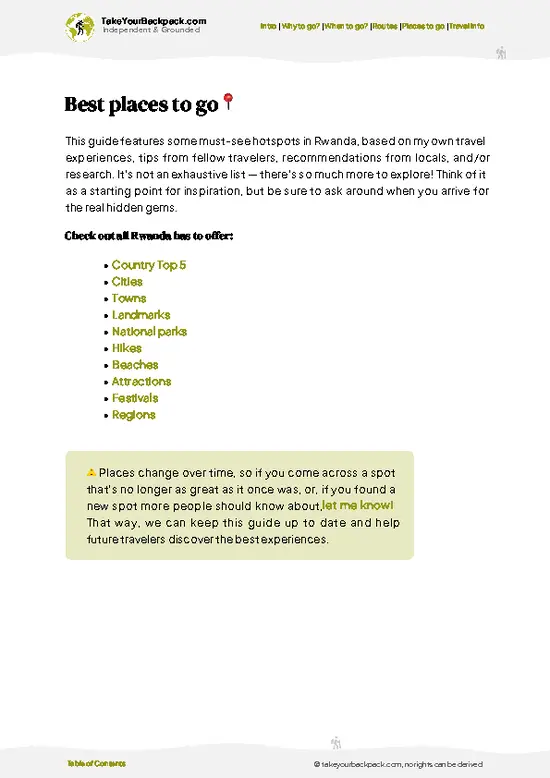
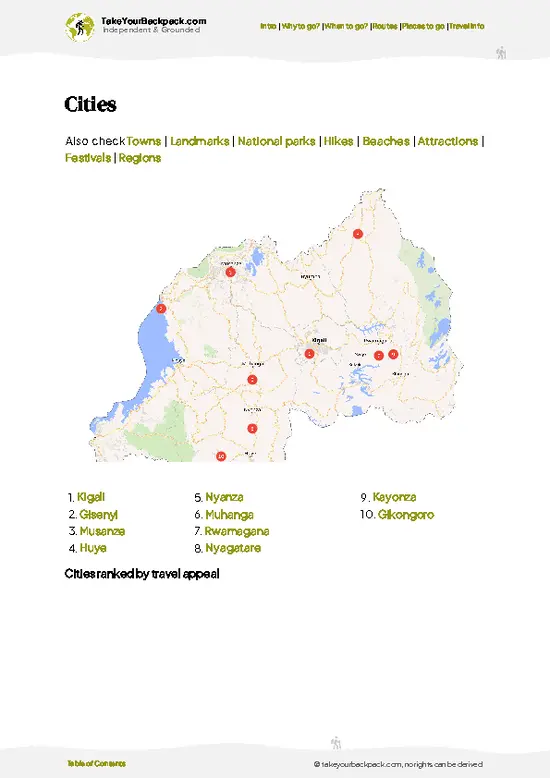
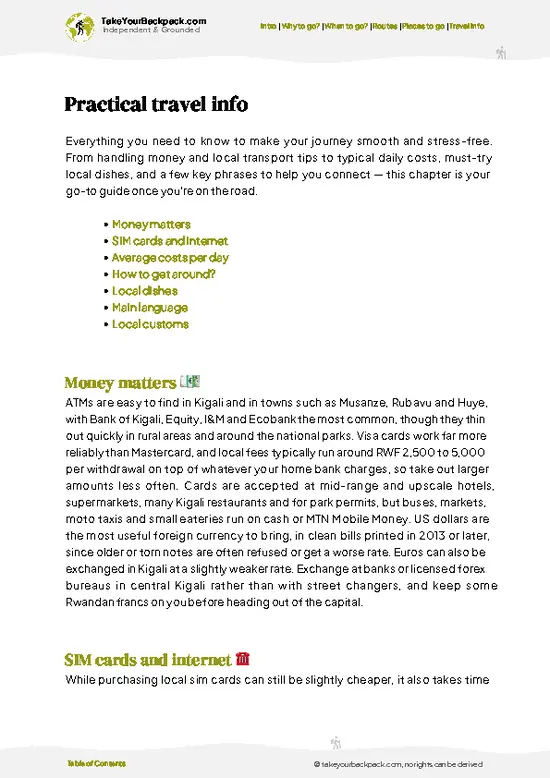
example page 0 from our offline Travel Guide for Rwanda
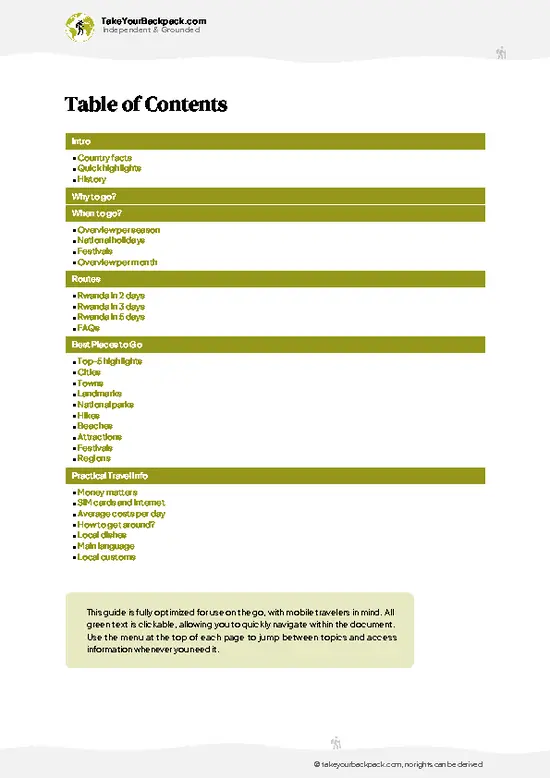
example page 1 from our offline Travel Guide for Rwanda
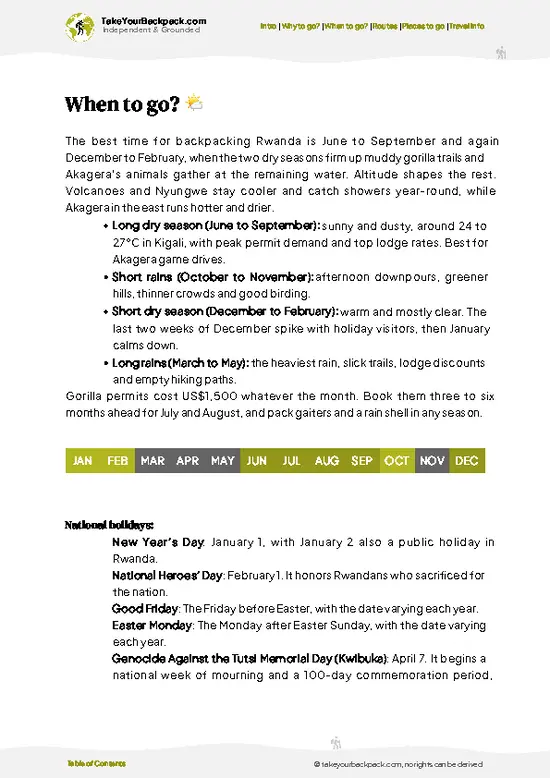
example page 2 from our offline Travel Guide for Rwanda
example page 3 from our offline Travel Guide for Rwanda
example page 4 from our offline Travel Guide for Rwanda
example page 5 from our offline Travel Guide for Rwanda
example page 6 from our offline Travel Guide for Rwanda
example page 7 from our offline Travel Guide for Rwanda
The digital guide (246 pages) contains:
61 highlights, ranked by travel appeal
Optimized 2, 3 & 5-day travel routes
Cities, national parks, landmarks, beaches
How to get around
Offline-friendly for travel without Wi-Fi
👉 Click to see all 30+ guide features

📅 Plan smarter in minutes, not weeks
Month by month travel advice
Festivals & national holidays
Budget expectations

🗺️ Go to the right places, skip the overrated ones
Honest pros & cons of destinations
Top hikes, parks & viewpoints
Lesser-known places most travelers miss
Clear “worth it vs skip it” guidance

🛏️ Travel smoothly without rookie mistakes
Best areas to stay
Transport systems explained simply
Common scams & safety advice
SIM cards, money & practical tips

🌍 Understand the country, not just visit it
Culture & traditions
52 Essential phrases & customs
Festivals worth planning around
Traveler-friendly historical context
Insights that make places more meaningful

📱 Built for real travel conditions
Fully downloadable PDF
Works completely offline
Optimized for phone use
Useful in remote areas & buses
Everything in one place
Save weeks of stressful planning
Get instant access to your full guide. 30‑day money-back guarantee.
+ Add another guide for just US$7.80

By proceeding you agree to our terms.
Sent to your inbox immediately after payment • 100% Secure Checkout
Best Backpacking Travel Advisor 2025 tourism awardBest Backpacking
Travel Advisor
2025
What others say about Take Your Backpack Guides:
⭐⭐⭐⭐⭐
Fantastic, amazing amount of information!
⭐⭐⭐⭐⭐
My goodness this is amazing, it's what I've been looking for hats off too you!
⭐⭐⭐⭐⭐
I think this is absolutely BRILLIANT
⭐⭐⭐⭐
Very complete and informative. It's still missing places, but I gotta to commend you
⭐⭐⭐⭐⭐
This is truly amazing, thank you, can't wait to explore it with my kids!
⭐⭐⭐⭐⭐
Awesome resource, thank you!
⭐⭐⭐⭐⭐
This is amazing! Can't wait to explore the ones I haven't seen
⭐⭐⭐⭐
I love this! Well done, great idea.
⭐⭐⭐⭐⭐
Thanks for taking the time to make this gem!
⭐⭐⭐⭐⭐
This might be the best website I've ever seen.
⭐⭐⭐⭐⭐
Congratulations, and thank you so much for your work; it's incredibly valuable.
⭐⭐⭐⭐
In all seriousness I think you did a great job pointing out the important spots
⭐⭐⭐⭐⭐
10/10 very good
⭐⭐⭐⭐⭐
As someone who's only just starting to visit regularly this is awesome, thank you.
⭐⭐⭐⭐
Thank you very much! I'm going to visit my dad, it's going to be very useful!
⭐⭐⭐⭐⭐
This is really cool! We'll be travelling for the first time and this definitely come in handy.
⭐⭐⭐⭐⭐
You are now our minister of culture, congratulations 👨‍💼
⭐⭐⭐⭐⭐
Just wanted to tell you that this is a pearl! Going to follow your recommendations.
⭐⭐⭐⭐⭐
This is so cool. I'll definitely be using the resource for my travels soon.
⭐⭐⭐⭐⭐
This is very impressive! Good work.
⭐⭐⭐⭐⭐
This is an amazing and informative site. Very well done!

🛏️ Where to stay?Best areas to stay in Rwanda

Karongi’s heartbeat for backpackers pulses strongest along the lakeside stretch near Kibuye town center. This area isn’t just a place to crash—it’s where the lake’s early morning mist curls over the water, and the scent of fresh coffee drifts from small cafés. Staying here means you’re steps from the social pulse: fellow travelers swapping stories on hostel terraces, local markets buzzing with fresh produce, and fishermen hauling in their catch. It’s safe, well-trodden, and the vibe leans casual but lively, perfect for solo backpackers craving connection without the noise of a big city.

Venture … read more 👉
Karongi’s heartbeat for backpackers pulses strongest along the lakeside stretch near Kibuye town center. This area isn’t just a place to crash—it’s where the lake’s early morning mist curls over the water, and the scent of fresh coffee drifts from small cafés. Staying here means you’re steps from the social pulse: fellow travelers swapping stories on hostel terraces, local markets buzzing with fresh produce, and fishermen hauling in their catch. It’s safe, well-trodden, and the vibe leans casual but lively, perfect for solo backpackers craving connection without the noise of a big city.

Venture a little inland, and you’ll find quieter neighborhoods with guesthouses tucked between banana groves and small farms. These spots offer a slower rhythm, ideal if you want to recharge after days on the trail or exploring the lake’s islands. However, they lack the spontaneous social buzz of the lakeside hub, so if mingling is your goal, stick closer to the waterfront.

Hostels cluster near the main road by the lake, making it easy to hop on shared taxis or boats. This convenience means you spend less time navigating and more time soaking in the warm light that turns the lake’s surface into a shimmering canvas at dusk. In Karongi, choosing your base is about balancing the ease of social connection with the quiet charm of lakeside life—and the lakeside town center nails that balance better than anywhere else.

🚌 Getting aroundGetting around like a local

Karongi moves at a rhythm that’s part laid-back lakeside retreat, part bustling local hub. The air carries the faint scent of Lake Kivu’s freshwater mingled with the earthy aroma of nearby plantations. Here, time isn’t dictated by strict timetables but by a blend of local intuition and practical necessity. You’ll find moments where the sun’s golden light spills over the water, and the town’s pulse slows to a gentle hum. Yet, when it’s time to move, the flow shifts—people hop on motorbikes, boats, or buses with a kind of practiced ease that feels both spontaneous and reliable. Understanding this flow is your key to unlocking Karongi without the usual tourist friction.

Walking: The town’s compact size makes walking the most straightforward way to get around. Streets are mostly flat, with occasional … read more 👉
Karongi moves at a rhythm that’s part laid-back lakeside retreat, part bustling local hub. The air carries the faint scent of Lake Kivu’s freshwater mingled with the earthy aroma of nearby plantations. Here, time isn’t dictated by strict timetables but by a blend of local intuition and practical necessity. You’ll find moments where the sun’s golden light spills over the water, and the town’s pulse slows to a gentle hum. Yet, when it’s time to move, the flow shifts—people hop on motorbikes, boats, or buses with a kind of practiced ease that feels both spontaneous and reliable. Understanding this flow is your key to unlocking Karongi without the usual tourist friction.

Walking: The town’s compact size makes walking the most straightforward way to get around. Streets are mostly flat, with occasional cobblestone patches that add character but require sturdy shoes. Walking lets you soak in the scent of fresh coffee from roadside vendors and catch glimpses of fishermen hauling in their catch. It’s free, always available, and perfect for short hops between guesthouses, markets, and lakeside spots.

Motorcycle Taxis (Motos): These are the lifeblood of local transit, zipping through narrow streets and offering a quick, affordable ride. Expect to pay around 300 to 500 Rwandan francs (roughly $0.30 to $0.50 USD) for short trips. Motos run from dawn until late evening, but availability can thin out after dark. They’re fast and nimble, perfect when you’re carrying a light pack and want to cover more ground without waiting.

Public Buses: For longer distances, especially if you’re heading toward Rubavu or Kigali, public buses are your budget workhorse. They depart from the main bus park, usually starting around 6:30 AM and tapering off by 6 PM. Tickets cost between 1,000 and 2,000 Rwandan francs ($1 to $2 USD), depending on the destination. Buses can be crowded and slow, but they offer a genuine slice of local life and a chance to chat with fellow travelers and residents.

Lake Boats: Crossing Lake Kivu by boat is not just transport—it’s an experience. Boats connect Karongi to nearby islands and other lakeside towns. Schedules are less rigid, often depending on weather and passenger demand, so flexibility is key. Prices vary but expect to pay around 2,000 to 5,000 Rwandan francs ($2 to $5 USD). The ride offers cool breezes, panoramic views, and a break from the road’s dust and noise.

Bicycle Rentals: If you want to explore beyond the town at your own pace, renting a bicycle is a smart move. Rentals cost about 2,000 Rwandan francs per day ($2 USD). The terrain around Karongi is mostly gentle, with some hills that reward you with sweeping views of the lake and hillsides. Cycling lets you control your schedule and dive deeper into the rhythms of rural life, from small farms to roadside fruit stands.

Mastering these options means you’re not just moving through Karongi—you’re syncing with its pulse. You’ll avoid the frustration of missed rides or overpriced taxis and instead find yourself immersed in the town’s unique blend of calm and motion.

👛 Costs (as of 3 September 2026)What things cost and how to budget

Backpacking in Karongi, Rwanda, offers a mix of serene lake views and modest costs, but knowing where your money goes helps you stretch your stay without missing out.
  • Dorm Accommodation: Expect to pay around $8 to $15 per night for a bed in a basic guesthouse dorm. These places are simple, often with shared bathrooms and limited hot water, but they put you close to the lake and local life.
  • Meals: Local eateries serve hearty meals for $3 to $6. Staples include fresh fish from Lake Kivu, beans, and plantains. Street food snacks like samosas or fried bananas cost under $1, perfect for quick refuels.
  • Local Transport: Motorcycle taxis (motos) are the go-to, costing about $0.50 to $1 for short rides within town. For longer trips around the district, expect $2 to $5. Walking is also a great way
read more 👉
Backpacking in Karongi, Rwanda, offers a mix of serene lake views and modest costs, but knowing where your money goes helps you stretch your stay without missing out.
  • Dorm Accommodation: Expect to pay around $8 to $15 per night for a bed in a basic guesthouse dorm. These places are simple, often with shared bathrooms and limited hot water, but they put you close to the lake and local life.
  • Meals: Local eateries serve hearty meals for $3 to $6. Staples include fresh fish from Lake Kivu, beans, and plantains. Street food snacks like samosas or fried bananas cost under $1, perfect for quick refuels.
  • Local Transport: Motorcycle taxis (motos) are the go-to, costing about $0.50 to $1 for short rides within town. For longer trips around the district, expect $2 to $5. Walking is also a great way to soak in the atmosphere without spending a dime.
  • Basic Activities/Entry Fees: Visiting local markets or public beaches is free, but guided hikes or boat trips on Lake Kivu run between $10 and $20. These experiences are worth budgeting for if you want to dive deeper into the area’s natural beauty.
  • Miscellaneous Expenses: Budget around $2 to $5 daily for essentials like bottled water, snacks, or small souvenirs. Internet cafes or SIM cards for data cost about $1 to $3, depending on your usage.

Altogether, a realistic daily budget for backpackers in Karongi falls between $15 and $35. This range covers the basics while leaving room for a few local experiences that make the trip memorable without breaking the bank.


source: rwandatourism.com
⚠️ Prices can change and everyone travels differently, so take this as a rough guide. Hope it helps you plan your adventure!

🚌 Day tripsBest day trips from Karongi

Karongi, Rwanda, is a backpacker’s dream base, offering a blend of stunning landscapes and rich culture. The town’s relaxed vibe makes it easy to explore the surrounding wonders without the hassle of long travel days. Here are some day trips that pack a punch.

Lake Kivu Boat Tour
Set sail on the serene waters of Lake Kivu, where the air is filled with the scent of fresh fish grilling on the shore. A boat tour reveals small islands dotted with local villages, each with its own charm. You can rent a kayak or join a guided tour, which typically costs around $10 to $20. The best time to go is early morning when the mist rises off the water, creating a magical atmosphere. A common mistake is underestimating the sun; pack sunscreen and a hat to avoid a sunburn while you soak in the views.
👉 read more 👉
Karongi, Rwanda, is a backpacker’s dream base, offering a blend of stunning landscapes and rich culture. The town’s relaxed vibe makes it easy to explore the surrounding wonders without the hassle of long travel days. Here are some day trips that pack a punch.

Lake Kivu Boat Tour
Set sail on the serene waters of Lake Kivu, where the air is filled with the scent of fresh fish grilling on the shore. A boat tour reveals small islands dotted with local villages, each with its own charm. You can rent a kayak or join a guided tour, which typically costs around $10 to $20. The best time to go is early morning when the mist rises off the water, creating a magical atmosphere. A common mistake is underestimating the sun; pack sunscreen and a hat to avoid a sunburn while you soak in the views.
👉 Explore Lake Kivu

Nyungwe National Park
Just a couple of hours from Karongi, Nyungwe is a biodiversity hotspot. The park is famous for its lush rainforest and diverse wildlife, including the chance to see chimpanzees swinging through the trees. A guided trek costs about $60, but the experience of hearing the forest come alive is priceless. Aim for the dry season, from June to September, for the best hiking conditions. First-timers often forget to bring sturdy shoes; the trails can be muddy and steep, so come prepared for a workout.


Gisenyi Beach
A quick trip to Gisenyi offers a slice of beach life on Lake Kivu. The sandy shores are perfect for lounging, and you can grab a local meal for under $5. The journey takes about an hour by bus, making it an easy escape. Visit during the afternoon to catch the sunset, which paints the sky in vibrant hues. Many newcomers miss the local markets nearby, where you can snag unique crafts and fresh produce, adding a local flavor to your beach day.


Imbabazi Orphanage
A visit to the Imbabazi Orphanage provides a meaningful connection to the local community. Spend a few hours learning about the history of the area and how the orphanage supports children. Donations are appreciated, and you can contribute by purchasing handmade crafts. The trip takes about 30 minutes from Karongi, making it a quick yet impactful experience. Many first-timers overlook the emotional depth of such visits; take the time to engage with the stories shared.
Want to know what more Rwanda offers?
The Rwanda Travel Guide describes 61 highlights, from cities to national parks, from beaches to hikes

Get the Travel Guide -

🍲 FoodLocal Cuisine & Drinks

Karongi’s food scene is a playground for anyone ready to dive into Rwanda’s heart through its flavors. The real stars here are dishes like Isombe, a rich, leafy green stew cooked with peanut butter that clings to your tongue with a satisfying earthiness. Pair that with Ugali, a dense maize porridge that’s the local carb backbone, perfect for scooping up every last bite. Don’t miss out on Brochettes—grilled meat skewers that sizzle with smoky, spicy goodness, often enjoyed with a side of fresh, tangy avocado or a simple tomato salad.

Backpackers will find their rhythm in the bustling markets and street stalls where the air is thick with the scent of roasting meat and simmering sauces. These spots are where locals gather, making it easy to slip into the social fabric over a shared meal. Casual … read more 👉
Karongi’s food scene is a playground for anyone ready to dive into Rwanda’s heart through its flavors. The real stars here are dishes like Isombe, a rich, leafy green stew cooked with peanut butter that clings to your tongue with a satisfying earthiness. Pair that with Ugali, a dense maize porridge that’s the local carb backbone, perfect for scooping up every last bite. Don’t miss out on Brochettes—grilled meat skewers that sizzle with smoky, spicy goodness, often enjoyed with a side of fresh, tangy avocado or a simple tomato salad.

Backpackers will find their rhythm in the bustling markets and street stalls where the air is thick with the scent of roasting meat and simmering sauces. These spots are where locals gather, making it easy to slip into the social fabric over a shared meal. Casual eateries and cafés offer a break with strong, dark Rwandan coffee—intense and aromatic, a perfect pick-me-up after a morning hike or boat trip on Lake Kivu.

Drinking culture here leans toward local brews like Urwagwa, a banana beer that’s earthy and slightly sweet, often served in communal settings where conversation flows as freely as the drink. Expect a relaxed vibe, where meals are savored slowly, and sharing food is a gesture of friendship. Respect the pace—this isn’t fast food; it’s a moment to connect.

🛡️ SafetyScams, Hazards, and Annoyances

Karongi, Rwanda, is generally safe, but a few practical tips can enhance your experience. The lakeside area is beautiful, but keep your belongings close, especially in crowded spots. When wandering the local markets, be aware of your surroundings; it’s easy to get lost in the vibrant chaos.

If you’re traveling solo, avoid walking alone after dark. The streets can be quiet, and while locals are friendly, it’s best to stick to well-lit areas.

Common scams are rare, but some vendors may inflate prices for tourists. Always ask for prices upfront and don’t hesitate to negotiate; it’s part of the culture.

Annoyances can include persistent street vendors, but a polite “no, thank you” usually does the trick. Carry yourself with confidence and a smile, and you’ll find that the warmth of Karongi … read more 👉
Karongi, Rwanda, is generally safe, but a few practical tips can enhance your experience. The lakeside area is beautiful, but keep your belongings close, especially in crowded spots. When wandering the local markets, be aware of your surroundings; it’s easy to get lost in the vibrant chaos.

If you’re traveling solo, avoid walking alone after dark. The streets can be quiet, and while locals are friendly, it’s best to stick to well-lit areas.

Common scams are rare, but some vendors may inflate prices for tourists. Always ask for prices upfront and don’t hesitate to negotiate; it’s part of the culture.

Annoyances can include persistent street vendors, but a polite “no, thank you” usually does the trick. Carry yourself with confidence and a smile, and you’ll find that the warmth of Karongi far outweighs any minor inconveniences. Enjoy the journey; it’s all part of the adventure.

FAQFrequently asked questions about Karongi

3 to 4 days are sufficient to explore Karongi. This allows time to visit Lake Kivu beaches, nearby islands like Napoleon Island, and local markets. Activities such as hiking and boat tours can be comfortably done within this timeframe.
Yes, Karongi is generally safe for solo backpackers. Standard precautions like avoiding isolated areas at night and securing belongings are advised. The local community is friendly, and tourist areas are well-patrolled.
Karongi is known for its stunning Lake Kivu shoreline and islands. It is a popular spot for water activities, fishing, and scenic views. The area also offers cultural experiences with local villages and markets.
⚠️ Things can change over time, so always validate details locally before you go.

Other Rwandan cities near Karongi

Explore more nearby:

  • Rutsiro—coffee farms, forested hills, lake views| 25 km away
  • Muhanga—transport hub, roadside eateries, clay pottery| 34 km away
  • Nyanza—royal palace, cattle herds, art workshops| 37 km away

💡 Not sure where to go next?
Create a personalized itinerary for Rwanda including Karongi and the places that fit your trip.

Generate my itinerary

👉 Discover all cities

Or checkout all Rwanda has to offer (think cities, towns, villages, national parks, hikes, beaches, festivals)
Country photo of Rwanda

We 💚 feedbackWhat to keep in mind

Karongi is a slice of serenity, where the lake mirrors the sky and the air is thick with the scent of fresh earth after rain. The best surprise? The locals’ warmth; they’ll invite you into their world with open arms. Just a heads-up: the roads can be bumpy, so brace yourself for a few jolts. But trust me, the journey is part of the charm. Embrace the slow pace, and you’ll find beauty in every moment.

✍️ Help improve this page!
The information on this page is based on in-depth research, insights shared by experienced travelers, and feedback from the local travel community in Rwanda. While every effort is made to keep the information accurate and current, conditions can change — so if you spot anything incorrect or outdated, please get in touch.


🙋‍♂️ Give feedback

👋 Meet the founderWho’s Behind Take Your Backpack?

Johan, backpacker and founder of TakeYourBackpackHi, I’m Johan (Netherlands 🇳🇱), the creator of TakeYourBackpack. Over the past decade, I’ve backpacked through 80+ countries across six continents, gaining extensive experience with independent travel, long-term trips, and overland routes.

This site is built on a combination of firsthand travel experience and carefully curated insights from other backpackers. Many guides are based on places I’ve personally visited, while others bring together tips, observations, and practical advice shared by trusted travelers I’ve met along the way.

The goal is to provide realistic, experience-driven guidance — not generic itineraries — so you can explore destinations with better context, clearer expectations, and more confidence.

Get full Rwanda guide •
Instant download • 61 highlights • Full Offline guide