v2.webp)
- Rwamagana Central Market: The town’s everyday heart, with vegetables, secondhand clothes, fabrics and bananas stacked in piles. Go in the morning when it is busiest. Browsing is free and an hour is plenty.
- Rwamagana Hill Viewpoints: The streets climb to ridges that look across green hills and banana groves. Late afternoon gives the softest light and cooler air. A walk takes 1 to 2 hours and costs nothing.
- Eastern Province Cultural Heritage Sites around Rwamagana: Local cultural centers and community groups sometimes offer traditional dance and craft demonstrations. Arrange a visit in advance through your guesthouse. Expect roughly US$5 to 15 and 1 to 2 hours.
- Local Coffee Cooperative Visits: Smallholder cooperatives in the surrounding hills can show you how cherries are picked, washed and dried.
- Rwamagana Central Market: The town’s everyday heart, with vegetables, secondhand clothes, fabrics and bananas stacked in piles. Go in the morning when it is busiest. Browsing is free and an hour is plenty.
- Rwamagana Hill Viewpoints: The streets climb to ridges that look across green hills and banana groves. Late afternoon gives the softest light and cooler air. A walk takes 1 to 2 hours and costs nothing.
- Eastern Province Cultural Heritage Sites around Rwamagana: Local cultural centers and community groups sometimes offer traditional dance and craft demonstrations. Arrange a visit in advance through your guesthouse. Expect roughly US$5 to 15 and 1 to 2 hours.
- Local Coffee Cooperative Visits: Smallholder cooperatives in the surrounding hills can show you how cherries are picked, washed and dried. The harvest is roughly March to July. Tours typically run US$5 to 15 and take 2 hours.
- Brochette Stalls on the Main Road: Grilled goat and tilapia with plantain, eaten at plastic tables. Go at dusk when the grills are lit. A plate costs about US$2 to 4, and a meal takes under an hour.
- Evening Walk along the Kigali to Kayonza Road: Watch motos, cyclists carrying produce and families heading home. It is an easy way to see daily life. Free, 45 minutes.
Spotted a mistake or missing something? Contact us.

Mount Kigali Hike and Zipline Adventure Tour(Pick up &drop off)

One Day Akagera National Park Big Five Safari

Day Trip Safari - Akagera National Park with Optional Lake Ihema Boat Safari

2 Days Akagera Wildlife Safari( pick up and drop off)

1 Day Akagera Wildlife Safari( Pick up and drop off))

Rwanda Local Community Tour(Coffee, Cultural Village, Local food)

Kigali City Tour, Genocide Memorial, Sightseeing, Zipline Tour

1 Day Rwanda Gorilla Trekking Tour In The Volcanoes National Park


 Best Backpacking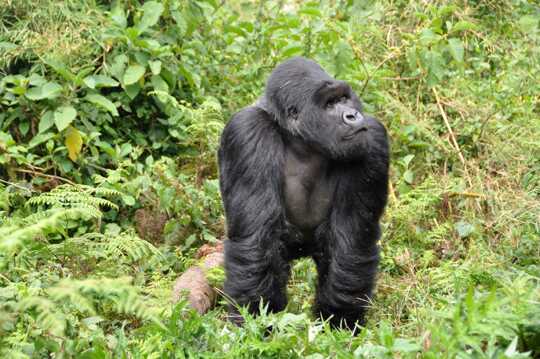
.jpg) Hi, I’m Johan (Netherlands 🇳🇱), the creator of TakeYourBackpack. Over the past 3 decades, I’ve backpacked through 90+ countries across six continents, gaining extensive experience with independent travel, long-term trips, and overland routes.
Hi, I’m Johan (Netherlands 🇳🇱), the creator of TakeYourBackpack. Over the past 3 decades, I’ve backpacked through 90+ countries across six continents, gaining extensive experience with independent travel, long-term trips, and overland routes.