×

Saint Barthélemy🇧🇱 | townsSt. JeanRunway beach, calm shallows, Eden Rock snorkeling, paddleboards | things to do and best time to go

Explore LorientExplore Fort Karl

Backpacking in St. Jean
🌟 Highlighttown ranked #2
By Johan Kruseman 🇳🇱 | Updated October 22, 2026

St. Jean puts you on a long, easy beach with a supermarket, bakery and bus-free walking within minutes of the airport. It sits on the north coast of Saint Barthélemy, a short ride from Gustavia. Planes land low over the western end of the sand, so the runway is part of the scenery, and the best seats for watching are free. Beds here are pricey because this is the island’s resort strip. Experienced travelers sleep elsewhere on the island and come for the day, since the beach is public and rental scooters or taxis cover the gap. Evenings are slow, with a few beach bars and no hostel scene, so meeting other backpackers is luck rather than a plan. Lunch is cheaper at the bakeries and shops by the airport than at the beachfront tables. St. Jean suits swimmers, snorkelers and plane watchers who want an easy day. It will frustrate anyone after nightlife, dorm beds or a lived-in town center.

Discover everything you want to know in the 📖 Saint Barthélemy Travel Guide.


example page 0 from our offline Travel Guide for Saint Barthélemy
example page 1 from our offline Travel Guide for Saint Barthélemy
example page 2 from our offline Travel Guide for Saint Barthélemy
example page 3 from our offline Travel Guide for Saint Barthélemy
example page 4 from our offline Travel Guide for Saint Barthélemy
example page 5 from our offline Travel Guide for Saint Barthélemy
example page 6 from our offline Travel Guide for Saint Barthélemy
example page 7 from our offline Travel Guide for Saint Barthélemy
Loading the map 🌍
CLICK TO FILTER
towns
landmarks
hikes
beaches
attractions
festivals
regions
SHOW COUNTRY’S BESTSHOW ALL

✨ Why go?
Ranked #2 town in Saint Barthélemy
Why St. Jean should be on your travel list

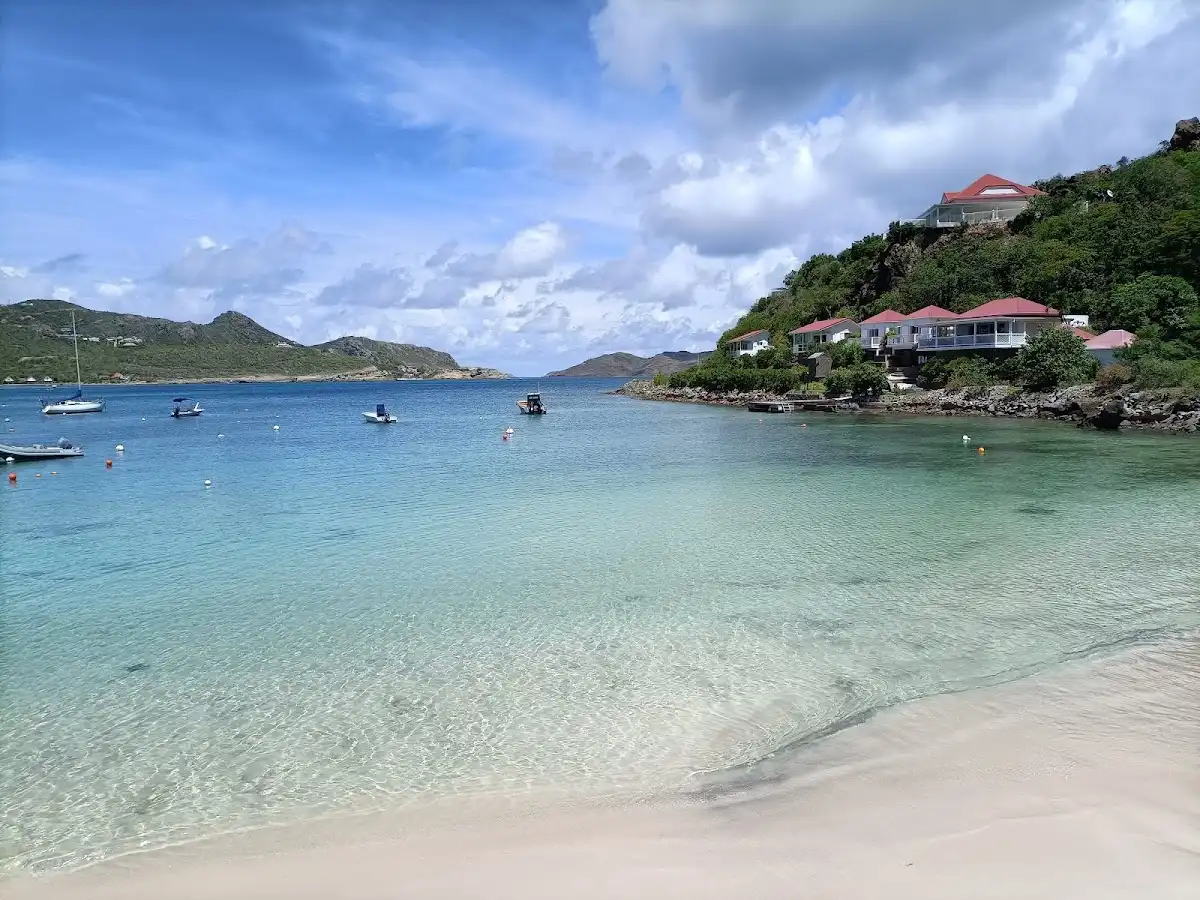
St. Jean is the island’s easiest beach day, and that is the real reason to include it. The bay is shallow and mostly calm, split by the rocky headland of Eden Rock, with a reef edge for snorkeling on one side and sand for lounging on the other. Planes using the Gustaf III airport pass just overhead, which turns the afternoon into a free show. Most backpackers stay a day or two at most, either as a stop on arrival or as a beach day from a cheaper base. It works best for solo travelers and couples who want a simple day by the water, plus anyone who likes to rent a paddleboard or snorkel set and drift. Hikers and culture seekers will find more elsewhere on the island. The social side is quiet and low-key, with shared tables at beach cafés rather than hostel common rooms. Come early, claim shade … read more 👉
St. Jean is the island’s easiest beach day, and that is the real reason to include it. The bay is shallow and mostly calm, split by the rocky headland of Eden Rock, with a reef edge for snorkeling on one side and sand for lounging on the other. Planes using the Gustaf III airport pass just overhead, which turns the afternoon into a free show. Most backpackers stay a day or two at most, either as a stop on arrival or as a beach day from a cheaper base. It works best for solo travelers and couples who want a simple day by the water, plus anyone who likes to rent a paddleboard or snorkel set and drift. Hikers and culture seekers will find more elsewhere on the island. The social side is quiet and low-key, with shared tables at beach cafés rather than hostel common rooms. Come early, claim shade under the sea grape trees, and leave the party reputation of the island to the people who pay for it.

💡 HighlightsWhat this place is best known for

  1. St. Jean Beach: The island’s most-used strip of pale sand, with calm, shallow water and a handful of beach restaurants along the back. Go before 10 AM for space and soft light. Free to enter, and a half day passes easily.
  2. Plane watching at the Gustaf III airport: The short runway ends right by the beach, and small aircraft drop over the hill and the sand with little margin. Best in late morning and early afternoon when most flights arrive. Free, 30 to 60 minutes.
  3. Eden Rock headland: The rocky point dividing the bay, home to the hotel founded by aviation pioneer Rémy de Haenen. The waters around it are good for snorkeling, with reef fish close to the rocks. Calm mornings are best. Walking the shore is free, and snorkel gear rental runs about €15 to 25 for a day. Allow 1 to 2 hours.
  4. Beach watersports:
… read more 👉
  1. St. Jean Beach: The island’s most-used strip of pale sand, with calm, shallow water and a handful of beach restaurants along the back. Go before 10 AM for space and soft light. Free to enter, and a half day passes easily.
  2. Plane watching at the Gustaf III airport: The short runway ends right by the beach, and small aircraft drop over the hill and the sand with little margin. Best in late morning and early afternoon when most flights arrive. Free, 30 to 60 minutes.
  3. Eden Rock headland: The rocky point dividing the bay, home to the hotel founded by aviation pioneer Rémy de Haenen. The waters around it are good for snorkeling, with reef fish close to the rocks. Calm mornings are best. Walking the shore is free, and snorkel gear rental runs about €15 to 25 for a day. Allow 1 to 2 hours.
  4. Beach watersports: Paddleboards, kayaks and windsurf gear are rented from stands on the sand. Mornings are calmest, before the breeze builds. Expect around €20 to 40 an hour, depending on equipment. Plan 1 to 2 hours.
  5. Nikki Beach: A beach club with day beds, DJ sets and long lunches, best seen in the afternoon when it fills up. Walking in to look is free, but a seat comes with a high minimum spend. It is a people-watching stop more than a bargain, so give it an hour or two.
For day trips from St. Jean, Colombier beach (reached by a footpath), Shell Beach in Gustavia, Grand Cul de Sac lagoon and Anse de Grande Saline are all within reach. Plane watching and a morning snorkel at Eden Rock combine well in one day.
Spotted a mistake or missing something? Contact us.
🏘️ NeighborhoodsUnderstanding the local layout

St. Jean is a strip of coast along the island's north side, split by the airport runway, and the areas below run from one end of the bay to the other. Distances are short, but there is almost no pavement for walking beyond the beach road, so choose one area per outing.
  • Eden Rock side (east end): The headland sits on the rocky eastern edge, with a small, calm cove and a restaurant terrace. Parking is tight because the lanes were never built for traffic, so arrive on foot from the beach rather than driving up.
  • Central beach and the shops: The beachfront stretch holds beach restaurants, a few boutiques and watersports rentals. Lunch is the expensive meal here, and prices reflect the setting. An experienced traveler buys bread, cheese and fruit in the nearby supermarket and eats on the sand, since
… read more 👉
St. Jean is a strip of coast along the island's north side, split by the airport runway, and the areas below run from one end of the bay to the other. Distances are short, but there is almost no pavement for walking beyond the beach road, so choose one area per outing.
  • Eden Rock side (east end): The headland sits on the rocky eastern edge, with a small, calm cove and a restaurant terrace. Parking is tight because the lanes were never built for traffic, so arrive on foot from the beach rather than driving up.
  • Central beach and the shops: The beachfront stretch holds beach restaurants, a few boutiques and watersports rentals. Lunch is the expensive meal here, and prices reflect the setting. An experienced traveler buys bread, cheese and fruit in the nearby supermarket and eats on the sand, since the beach itself is public.
  • Airport end (west): Planes land low over the sand just beyond the shops, and the short runway is the reason landings look so close. It is a fun place to watch from, though noise limits it to a short stay. Mornings are quietest.
  • Lorient direction: A short walk or ride to the east leads to a calmer beach, bakeries and a village feel with little nightlife. Go here when St. Jean fills up at midday.
Evenings are quiet. Most bars close early, so people head to Gustavia for later nights.

⌛️ 1 day1-day itinerary for St. Jean

The day works on foot along the beach and the airport road, with a rental car or a taxi for the one hop out of the bay, and a long break in the shade when the sun is at its hardest.
7:30 AM: St. Jean Beach, west end
Start while the sand is nearly empty and the water is flat. Walk the full curve of the bay, watching the small planes drop low over the beach toward the runway. A swim now is calm and cool, and you’ll have space to yourself before the sunbeds fill.
9:00 AM: Bakery breakfast near the airport road
Walk inland a few minutes to a bakery counter for a croissant and strong coffee. It’s a working stop used by islanders, so the pace is quick and the pastries sell out by late morning.
10:00 AM: Eden Rock headland
Follow the shore east to the rocky point that splits the bay. The short climb past … read more 👉
The day works on foot along the beach and the airport road, with a rental car or a taxi for the one hop out of the bay, and a long break in the shade when the sun is at its hardest.
7:30 AM: St. Jean Beach, west end
Start while the sand is nearly empty and the water is flat. Walk the full curve of the bay, watching the small planes drop low over the beach toward the runway. A swim now is calm and cool, and you’ll have space to yourself before the sunbeds fill.
9:00 AM: Bakery breakfast near the airport road
Walk inland a few minutes to a bakery counter for a croissant and strong coffee. It’s a working stop used by islanders, so the pace is quick and the pastries sell out by late morning.
10:00 AM: Eden Rock headland
Follow the shore east to the rocky point that splits the bay. The short climb past the old hotel gives a view back over the whole beach and the reefs on the edge. Go in the morning light, when the water shows its clearest turquoise.
12:00 PM: Lunch at a beachside table
Sit down at one of the beach restaurants for grilled fish or a salad. Lunch is pricey here, so share a plate and keep the main meal for later. Stay in the shade until the heat eases.
2:30 PM: Snorkel off the east end
Slide into the water near the rocks at the eastern side, where fish gather around the reef edge. Stay inside the marked area, since boats and surf can both be a nuisance. Give it an hour.
4:30 PM: Shell Beach (Anse de Grand Galet)
Take a taxi or drive about 10 minutes over the hill to Gustavia’s Shell Beach, a small cove covered in broken shells with calm water. The day crowd thins by late afternoon, which makes it good for a last swim in the soft light.
6:30 PM: Sundowner back on the bay
Return to the sand with a drink from a beach bar and watch the last planes come in. Dinner can be a simple local spot nearby before an early night.

🌤️ When to go?Best time to visit St. Jean

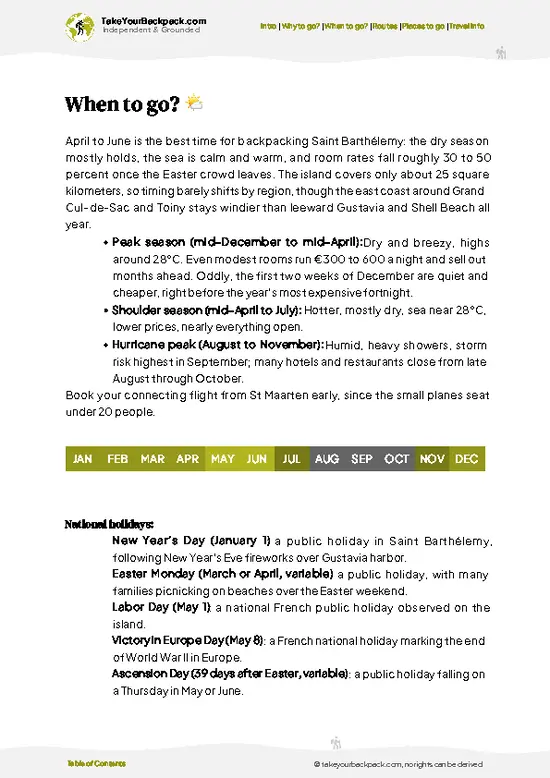
The best months for St. Jean are December to April, when days are dry, breezy and 27 to 30°C (81 to 86°F).
  • Peak Season (December to April): Crowds and prices peak around Christmas, New Year and February. Water is calm and clear, nights drop to about 23°C (73°F), and flights and rooms need booking months ahead.
  • Shoulder (May to June, November): Showers are short, rates fall, and many restaurants reopen or run limited hours. Highs reach 30°C (86°F).
  • Hurricane Season (August to October): Hot and humid at 30 to 32°C (86 to 90°F), with the highest storm risk in September. Some restaurants and hotels close for part of this time, but prices are lowest.
  • Daylight: Days stretch to about 13 hours in summer and about 11 hours in winter, which matters for beach time and photographing planes.
Book a trip for … read more 👉
The best months for St. Jean are December to April, when days are dry, breezy and 27 to 30°C (81 to 86°F).
  • Peak Season (December to April): Crowds and prices peak around Christmas, New Year and February. Water is calm and clear, nights drop to about 23°C (73°F), and flights and rooms need booking months ahead.
  • Shoulder (May to June, November): Showers are short, rates fall, and many restaurants reopen or run limited hours. Highs reach 30°C (86°F).
  • Hurricane Season (August to October): Hot and humid at 30 to 32°C (86 to 90°F), with the highest storm risk in September. Some restaurants and hotels close for part of this time, but prices are lowest.
  • Daylight: Days stretch to about 13 hours in summer and about 11 hours in winter, which matters for beach time and photographing planes.
Book a trip for early December or mid-May to get calm water at lower prices.


source: climatestotravel.comJANJanuary: excellent for travelingFEBFebruary: excellent for travelingMARMarch: excellent for travelingAPRApril: highly recommended for travelingMAYMay: highly recommended for travelingJUNJune: fair for travelingJULJuly: fair for travelingAUGAugust: fair for travelingSEPSeptember: below average for travelingOCTOctober: fair for travelingNOVNovember: highly recommended for travelingDECDecember: excellent for traveling
saint-barthelemy-city-st-jean
© Google |

✈️ The backpacker research shortcutSaint Barthélemy Travel Guide

An offline-friendly backpacking guide with optimized travel routes, ranked highlights, transport advice, and the best areas to stay.
example page 0 from our offline Travel Guide for Saint Barthélemy
example page 1 from our offline Travel Guide for Saint Barthélemy
example page 2 from our offline Travel Guide for Saint Barthélemy
example page 3 from our offline Travel Guide for Saint Barthélemy
example page 4 from our offline Travel Guide for Saint Barthélemy
example page 5 from our offline Travel Guide for Saint Barthélemy
example page 6 from our offline Travel Guide for Saint Barthélemy
example page 7 from our offline Travel Guide for Saint Barthélemy
The digital guide (107 pages) contains:
✅ 22 highlights, ranked by travel appeal
✅ Optimized 2, 3 & 5-day travel routes
✅ Cities, national parks, landmarks, beaches
✅ How to get around
✅ Offline-friendly for travel without Wi-Fi
👉 Click to see all 30+ guide features

📅 Plan smarter in minutes, not weeks
✅ Month by month travel advice
✅ Festivals & national holidays
✅ Budget expectations

🗺️ Go to the right places, skip the overrated ones
✅ Honest pros & cons of destinations
✅ Top hikes, parks & viewpoints
✅ Lesser-known places most travelers miss
✅ Clear “worth it vs skip it” guidance

🛏️ Travel smoothly without rookie mistakes
✅ Best areas to stay
✅ Transport systems explained simply
✅ Common scams & safety advice
✅ SIM cards, money & practical tips

🌍 Understand the country, not just visit it
✅ Culture & traditions
✅ 52 Essential phrases & customs
✅ Festivals worth planning around
✅ Traveler-friendly historical context
✅ Insights that make places more meaningful

📱 Built for real travel conditions
✅ Fully downloadable PDF
✅ Works completely offline
✅ Optimized for phone use
✅ Useful in remote areas & buses
✅ Everything in one place
Stop searching, start planning
Get instant access to your full guide. 30‑day money-back guarantee.
+ Add another guide for just

By proceeding you agree to our terms.
Sent to your inbox immediately after payment • 100% Secure Checkout
Best Backpacking Travel Advisor 2025 tourism awardBest Backpacking
Travel Advisor
2025
What others say about Take Your Backpack Guides:
⭐⭐⭐⭐⭐
Fantastic, amazing amount of information!
⭐⭐⭐⭐⭐
My goodness this is amazing, it's what I've been looking for hats off too you!
⭐⭐⭐⭐⭐
I think this is absolutely BRILLIANT
⭐⭐⭐⭐
Very complete and informative. It's still missing places, but I gotta to commend you
⭐⭐⭐⭐⭐
This is truly amazing, thank you, can't wait to explore it with my kids!
⭐⭐⭐⭐⭐
Awesome resource, thank you!
⭐⭐⭐⭐⭐
This is amazing! Can't wait to explore the ones I haven't seen
⭐⭐⭐⭐
I love this! Well done, great idea.
⭐⭐⭐⭐⭐
Thanks for taking the time to make this gem!
⭐⭐⭐⭐⭐
This might be the best website I've ever seen.
⭐⭐⭐⭐⭐
Congratulations, and thank you so much for your work; it's incredibly valuable.
⭐⭐⭐⭐
In all seriousness I think you did a great job pointing out the important spots
⭐⭐⭐⭐⭐
10/10 very good
⭐⭐⭐⭐⭐
As someone who's only just starting to visit regularly this is awesome, thank you.
⭐⭐⭐⭐
Thank you very much! I'm going to visit my dad, it's going to be very useful!
⭐⭐⭐⭐⭐
This is really cool! We'll be travelling for the first time and this definitely come in handy.
⭐⭐⭐⭐⭐
You are now our minister of culture, congratulations 👨‍💼
⭐⭐⭐⭐⭐
Just wanted to tell you that this is a pearl! Going to follow your recommendations.
⭐⭐⭐⭐⭐
This is so cool. I'll definitely be using the resource for my travels soon.
⭐⭐⭐⭐⭐
This is very impressive! Good work.
⭐⭐⭐⭐⭐
This is an amazing and informative site. Very well done!

🛏️ Where to stay?Best areas and accommodation options

The best budget base near St. Jean is the inland area toward Lorient and the hillside above the beach, not the beachfront itself. Beachfront rooms here are some of the most expensive on an island where beds are pricey, and dorm-style hostels are essentially absent. Budget travelers look for small guesthouse rooms, private apartments or shared villas, and these are fewer than on most Caribbean islands, so booking early is wise.

Lorient is quieter and more residential. It has a bakery, a supermarket and a calm beach, plus a roughly 10 minute drive to Gustavia. Nights are peaceful with little traffic … read more 👉
The best budget base near St. Jean is the inland area toward Lorient and the hillside above the beach, not the beachfront itself. Beachfront rooms here are some of the most expensive on an island where beds are pricey, and dorm-style hostels are essentially absent. Budget travelers look for small guesthouse rooms, private apartments or shared villas, and these are fewer than on most Caribbean islands, so booking early is wise.

Lorient is quieter and more residential. It has a bakery, a supermarket and a calm beach, plus a roughly 10 minute drive to Gustavia. Nights are peaceful with little traffic noise, and it feels safe for walking short distances after dark, though lighting is limited. The trade-off is that you need a car or scooter or must rely on taxis, since bus service is thin.

The slopes above St. Jean give views and a short ride to the beach, but roads are steep and walking back at night is tiring. Aircraft noise is mainly during the day, and flights stop at dusk, so evenings are quiet. Another option is a base in Gustavia, which has more eating choices and boat connections, though rates there are similarly high. Staying a short drive away often costs less than anything on the sand.

🚌 Getting aroundGetting around like a local

St. Jean beach is walkable end to end in about 15 minutes, but walking stops making sense once you head uphill toward Gustavia or the far beaches, since the island has steep roads and few sidewalks. Public transport is limited, so most backpackers combine short walks with a rented car or scooter. Distances are small, and traffic is mainly a problem at the airport roundabout around midday.
  • Walking: Free and fine along the beach road, between the shops and the airport end. Sidewalks vanish quickly, and roads are narrow with blind bends, so carry a light and keep to the edge after dark.
  • Rental car: About €45 to 90 a day depending on season, with Mini Mokes and small cars common. Cars are the most flexible way to reach other beaches. Book early in high season, because supply is small and parking
… read more 👉
St. Jean beach is walkable end to end in about 15 minutes, but walking stops making sense once you head uphill toward Gustavia or the far beaches, since the island has steep roads and few sidewalks. Public transport is limited, so most backpackers combine short walks with a rented car or scooter. Distances are small, and traffic is mainly a problem at the airport roundabout around midday.
  • Walking: Free and fine along the beach road, between the shops and the airport end. Sidewalks vanish quickly, and roads are narrow with blind bends, so carry a light and keep to the edge after dark.
  • Rental car: About €45 to 90 a day depending on season, with Mini Mokes and small cars common. Cars are the most flexible way to reach other beaches. Book early in high season, because supply is small and parking near beaches fills by late morning. Driving is on the right, and roads are steep with sharp turns.
  • Scooter: Roughly €30 to 55 a day. It is cheaper and easier to park, and the island is small enough that fuel costs little. Wet or sandy roads are slippery, so a helmet and slow speeds matter, and a license is required.
  • Taxi: Taxis operate from fixed stands, including at the airport, on set fares rather than meters. Expect about €15 to 25 to Gustavia, with higher rates at night and for more passengers. Experienced travelers agree the price before getting in and share rides.
  • Island shuttle: A small bus service runs on limited routes and hours, not late into the evening. Check times locally, and do not count on it for flights or evening returns.
Hitchhiking is common among locals and often works for short hops, though it is not guaranteed.

👛 Costs (as of 22 October 2026)How expensive it really is

St. Jean costs about €150 to 280 a day for a backpacker in high season, and this is among the most expensive places in the Caribbean.
CategoryBudget RangeLocal Reality
Dorm accommodation€90 to 150No true hostels exist. Expect a basic room, shared apartment or low-end guesthouse bed. Prices drop by about a third in summer.
Meals€35 to 60Bakery breakfasts cost €5 to 8, supermarket lunches around €10 to 15, and restaurant dinners start around €30 to 45.
Local transport€15 to 30A scooter rents for about €30 to 55 daily, while taxis are fixed fare. Walking is free along the beach.
Basic activities/entry fees€0 to 20Beaches are free. Snorkel gear rental is around €10 to 20 a day, and hikes cost nothing.
Miscellaneous expenses€10 to 20Sunscreen, water and an occasional drink. A beer is about €5 to 8.
Total
… read more 👉
St. Jean costs about €150 to 280 a day for a backpacker in high season, and this is among the most expensive places in the Caribbean.
CategoryBudget RangeLocal Reality
Dorm accommodation€90 to 150No true hostels exist. Expect a basic room, shared apartment or low-end guesthouse bed. Prices drop by about a third in summer.
Meals€35 to 60Bakery breakfasts cost €5 to 8, supermarket lunches around €10 to 15, and restaurant dinners start around €30 to 45.
Local transport€15 to 30A scooter rents for about €30 to 55 daily, while taxis are fixed fare. Walking is free along the beach.
Basic activities/entry fees€0 to 20Beaches are free. Snorkel gear rental is around €10 to 20 a day, and hikes cost nothing.
Miscellaneous expenses€10 to 20Sunscreen, water and an occasional drink. A beer is about €5 to 8.
Total Daily Budget€150 to 280Around €190 using mid-range figures with a high-season bed.
Buy food at the supermarket and eat on the beach to save about €20 to 30 a day. Euros are the currency used here.


source: saintbarth-tourisme.com
⚠️ Prices can change and everyone travels differently, so take this as a rough guide. Hope it helps you plan your adventure!

🚌 Day tripsShort trips worth adding

St. Jean works well as a base for day trips because the island is only about 10 kilometers long, so every trip takes under 30 minutes by car or scooter.
Gustavia:
The harbor town is a 10 minute drive over the hill. Browse the duty-free shops, the Wall House museum and the old quarter, then eat a cheap lunch from a bakery. A car or taxi costs €15 to 25 each way, and parking near the port is tight. Go mid-morning on a day without cruise ships to avoid crowds.
👉 Explore Gustavia
Colombier Beach:
This beach is reached only by a 30 to 40 minute hike from Colombier or by boat, which keeps crowds small. The trail is rocky and fully exposed, so bring water and sturdy shoes. Go in the morning in the dry season, and note that trails can be slick after rain. Snorkeling in the clear cove is the main attraction, … read more 👉
St. Jean works well as a base for day trips because the island is only about 10 kilometers long, so every trip takes under 30 minutes by car or scooter.
Gustavia:
The harbor town is a 10 minute drive over the hill. Browse the duty-free shops, the Wall House museum and the old quarter, then eat a cheap lunch from a bakery. A car or taxi costs €15 to 25 each way, and parking near the port is tight. Go mid-morning on a day without cruise ships to avoid crowds.
👉 Explore Gustavia
Colombier Beach:
This beach is reached only by a 30 to 40 minute hike from Colombier or by boat, which keeps crowds small. The trail is rocky and fully exposed, so bring water and sturdy shoes. Go in the morning in the dry season, and note that trails can be slick after rain. Snorkeling in the clear cove is the main attraction, and the trip costs only fuel or parking.
👉 Explore Colombier Beach
Shell Beach:
A short walk from Gustavia, this small beach is covered in tiny shells and has a good beach café. Reach it in 10 minutes by car. Entry is free, and lunch is pricey at about €25 to 40. Midday is busy, so come early or late for calm water.
👉 Explore Shell Beach
Saline Beach:
On the south coast, this long, wild stretch needs a short walk over a dune from a dirt parking area. It has no facilities, so bring water and food. Waves can be strong, so swim cautiously. Allow half a day, and visit in the afternoon for softer light.

🛡️ SafetyStaying Safe: What Travelers Should Know

St. Jean is very safe, and violent crime is rare across Saint Barthélemy. The usual issue is petty theft from parked cars and unattended beach bags, since thieves know tourists leave valuables in rental cars. Take passports, phones and cash with you, or leave them locked in your lodging, and never leave anything visible in a vehicle. Keep an eye on your things on the sand when you swim.

Solo travelers, including women, usually feel comfortable here, and walking the beach road at night is fine. Narrow, unlit roads and fast drivers are a bigger concern, so use a flashlight and stay on the roadside edge. Scooters have the most accidents, particularly on wet or sandy roads, so wear a helmet and ride slowly. Ocean currents can build at some beaches, and the lifeguard presence is limited, so follow … read more 👉
St. Jean is very safe, and violent crime is rare across Saint Barthélemy. The usual issue is petty theft from parked cars and unattended beach bags, since thieves know tourists leave valuables in rental cars. Take passports, phones and cash with you, or leave them locked in your lodging, and never leave anything visible in a vehicle. Keep an eye on your things on the sand when you swim.

Solo travelers, including women, usually feel comfortable here, and walking the beach road at night is fine. Narrow, unlit roads and fast drivers are a bigger concern, so use a flashlight and stay on the roadside edge. Scooters have the most accidents, particularly on wet or sandy roads, so wear a helmet and ride slowly. Ocean currents can build at some beaches, and the lifeguard presence is limited, so follow any posted flags. Scams are essentially absent, though prices are high, so check menus for service charges before ordering.

FAQFrequently asked questions about St. Jean

St. Jean is worth visiting for its beach and the low landings at the short runway, though most travelers treat it as one stop in a wider island trip. Planes pass just above the sand near the airport end, and the bay has calm water for swimming and snorkeling. Lunch at the beach restaurants costs about €25 to 45, so a bakery picnic stretches a budget.
Two to three days is enough for St. Jean and the nearby beaches. One day covers the bay, the airport viewing area and a swim, while a second allows a drive to Gustavia (about 10 minutes) and Shell Beach. A third day lets you hike to Colombier Beach, which takes 30 to 40 minutes each way.
St. Jean can easily be done as a day trip from Gustavia, which is only about 10 minutes away by car or €15 to 25 by taxi. Most people arrive by the ferry from Saint Martin, which takes roughly 45 minutes, or by short flight, then head to the beach. A full day allows a swim, lunch and sunset, but no late bus service runs back, so plan your return ride.
⚠️ Things can change over time, so always validate details locally before you go.

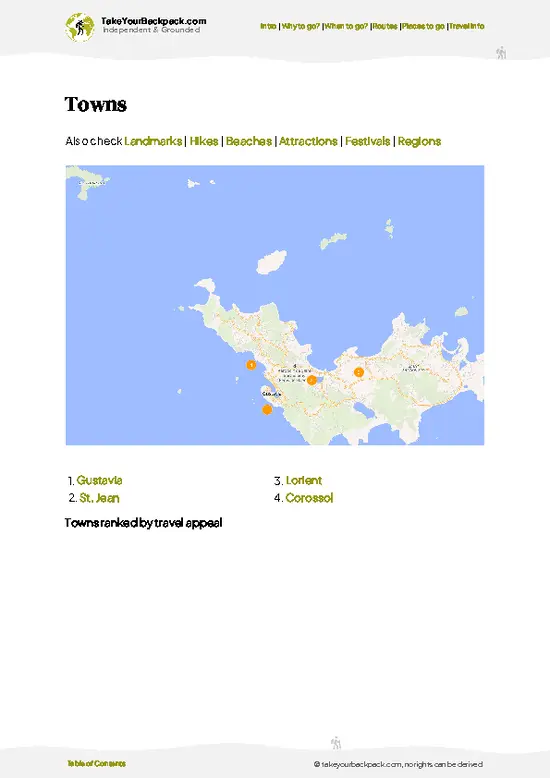
Other Saint-Barthélemois towns near St. Jean

Explore more nearby:

  • Lorient—Sea grape beach, winter surf, parish church, Breton family graves| 1 km away
  • Gustavia—Yacht harbor, Swedish-era museum, hill viewpoints, Shell Beach| 2 km away
  • Corossol—Painted fishing boats, latanier weaving, morning fish landing, salt pond| 2 km away

💡 Not sure where to go next?
Create a personalized itinerary for Saint Barthélemy including St. Jean and the places that fit your trip.

Generate my itinerary

👉 Discover all towns

Or checkout all Saint Barthélemy has to offer (think cities, towns, villages, national parks, hikes, beaches, festivals)
Country photo of Saint Barthélemy

We 💚 feedbackKey takeaways before you go

St. Jean works best as a beach day or an arrival stop, then pair it with the quieter bays on the south and east coasts and a night or two in Gustavia. I would snorkel at Eden Rock early, watch one plane landing, and skip the beach club unless you want the spectacle. Bring your own water and a hat.

✍️ Help improve this page!
The information on this page is based on in-depth research, insights shared by experienced travelers, and feedback from the local travel community in Saint Barthélemy. While every effort is made to keep the information accurate and current, conditions can change — so if you spot anything incorrect or outdated, please get in touch.


🙋‍♂️ Give feedback

👋 Meet the founderWho’s Behind Take Your Backpack?

Johan, backpacker and founder of TakeYourBackpackHi, I’m Johan (Netherlands 🇳🇱), the creator of TakeYourBackpack. Over the past 3 decades, I’ve backpacked through 90+ countries across six continents, gaining extensive experience with independent travel, long-term trips, and overland routes.

This site is built on a combination of firsthand travel experience and carefully curated insights from other backpackers. Many guides are based on places I’ve personally visited, while others bring together tips, observations, and practical advice shared by trusted travelers I’ve met along the way.

The goal is to provide realistic, experience-driven guidance — not generic itineraries — so you can explore destinations with better context, clearer expectations, and more confidence.