v2.webp)
- Safotu Bay / Safotu Beach — the obvious one for a reason: long sandy bay, swimming off the beach fales, local kids diving off the rocks at low tide and proper Samoan sunsets that smell like coconut oil and barbecue.
- Village malae (ceremonial green) — the social and ceremonial heart of Safotu. If you get invited to a ceremony or kava circle here you’ll see how the village actually runs; always ask a local first and observe village protocols.
- Safotu fale tele (traditional meeting house) — the big open-sided meeting house where matai and families gather. Good place to appreciate Samoan architecture, or to be introduced to chiefs if you have a respectful host.
- Safotu Village Church — churches in Samoa are more than religious buildings; Sunday services are vibrant community events and a genuine
- Safotu Bay / Safotu Beach — the obvious one for a reason: long sandy bay, swimming off the beach fales, local kids diving off the rocks at low tide and proper Samoan sunsets that smell like coconut oil and barbecue.
- Village malae (ceremonial green) — the social and ceremonial heart of Safotu. If you get invited to a ceremony or kava circle here you’ll see how the village actually runs; always ask a local first and observe village protocols.
- Safotu fale tele (traditional meeting house) — the big open-sided meeting house where matai and families gather. Good place to appreciate Samoan architecture, or to be introduced to chiefs if you have a respectful host.
- Safotu Village Church — churches in Samoa are more than religious buildings; Sunday services are vibrant community events and a genuine way to experience local life (dress modestly and arrive quietly).
- Fringing reef, tide pools and snorkel spots — shallow reefs just off the bay offer easy snorkeling, tide-pool exploring and chances to see reef fish without a guided boat trip. Bring reef shoes for the sharp bits.
- Beach fales and family-run guesthouses — low-cost stays right on the sand run by local families. You’ll get home-cooked food, a chance to swap stories with hosts, and an authentic overnight rhythm that a hotel can’t give.
- Village market stalls and faleoloa — tiny shops and stalls where locals sell fresh fish, bananas, taro and the occasional handicraft. Great for picking up snacks or a simple lunch and for chatting with residents.
- Women’s weaving and handicraft spots — small-scale, often informal groups where women weave mats, baskets and fans. You can watch (and sometimes learn) traditional techniques while supporting the community directly.
- Plantation and garden walks (taro, coconut, banana) — take a short walk through village gardens to see how staples are grown and harvested; locals sometimes show you the pit-to-plate process for taro and explain planting cycles.
- Coastal headland viewpoints and family burial sites — short walks to rocky headlands give great bay panoramas; nearby family graves and memorials tell local histories—visit respectfully and ask permission if you want to take photos.
Spotted a mistake or missing something? Contact us.

Full Day Tour in Samoa with a Local

Full-Day Upolu Island Highlights Tour from Apia

Apia Cruise: To Sua Trench, Lalomanu Beach

The Pristine Waters of Upolu

Apia Highlights Shore Excursion Tour + Lunch & Island Show

Island Show Fiafia Night @ Le Manumea Hotel

Namua Turtle Island and Eastern Upolu Tour

Guided Tour to Primeval Crystal Waters of Samoa

Tour Samoa with a local Full Day Island Tour of Apia Upolu Samoa



 Best Backpacking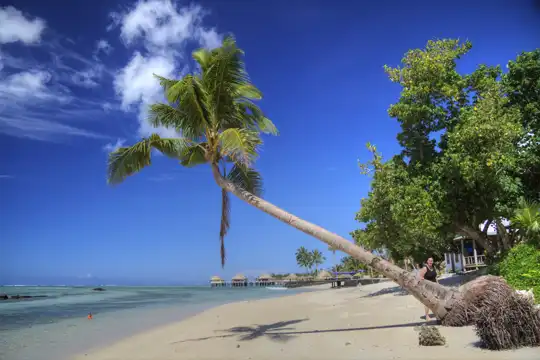
.jpg) Hi, I’m Johan (Netherlands 🇳🇱), the creator of TakeYourBackpack. Over the past decade, I’ve backpacked through 80+ countries across six continents, gaining extensive experience with independent travel, long-term trips, and overland routes.
Hi, I’m Johan (Netherlands 🇳🇱), the creator of TakeYourBackpack. Over the past decade, I’ve backpacked through 80+ countries across six continents, gaining extensive experience with independent travel, long-term trips, and overland routes.