v2.webp)
- Falealupo Rainforest Reserve — Community-managed lowland rainforest that’s the heart of the village’s identity. Walkable trails give you real rainforest vibes: endemic birds, fruit bats at dusk, and the conservation story behind how locals protected this patch from logging.
- Canopy platforms and treetop viewpoints — Simple, locally built platforms that let you look straight into the canopy without needing a guidebook. Great for birdwatching, listening to the forest at dawn, and photographing layers of green that feel miles from anywhere.
- Falealupo Point (the western headland) — The actual western edge of Savai’i. Short walk to dramatic sea cliffs and one of the best sunset spots on the island; you’ll see local fishermen, coastal life, and a real sense of being on the island’s rim.
- Coastal
- Falealupo Rainforest Reserve — Community-managed lowland rainforest that’s the heart of the village’s identity. Walkable trails give you real rainforest vibes: endemic birds, fruit bats at dusk, and the conservation story behind how locals protected this patch from logging.
- Canopy platforms and treetop viewpoints — Simple, locally built platforms that let you look straight into the canopy without needing a guidebook. Great for birdwatching, listening to the forest at dawn, and photographing layers of green that feel miles from anywhere.
- Falealupo Point (the western headland) — The actual western edge of Savai’i. Short walk to dramatic sea cliffs and one of the best sunset spots on the island; you’ll see local fishermen, coastal life, and a real sense of being on the island’s rim.
- Coastal trail and rock pools — A low-effort, high-reward walk along the shore that links little beaches, lava rock pools and tide-carved formations. Perfect to poke around at low tide, spot crabs, and cool off in natural pools.
- Village beaches and reef snorkel spots — Small, quiet sand stretches right by the village with accessible reef snorkeling. Not luxury resort beaches, but honest swimming, reef life and calm afternoons watching village boats.
- Community guest fales and homestays — Sleep in a fale, eat village food, and get an evening of Samoan stories or songs. These stays are how you actually meet people and learn village rhythms — more meaningful than a hotel room.
- Weaving and siapo (tapa) demonstrations — Women in the village continue traditional weaving and tapa-making. You can watch (and often try) plaiting mats, making siapo patterns, and buy something handmade that actually supports the community.
- Traditional fishing spots and canoe launch points — Watch or join local fishermen mending nets, launching small outrigger canoes, and bringing in the day’s catch. It’s a hands-on way to see how coastal life still works and where your dinner comes from.
- Village church and Sunday services — Churches are social centers in Samoan villages; attend a Sunday service for powerful a cappella singing, community hospitality, and a vivid glimpse of modern Samoan culture and faith life.
- Conservation storytelling sites and interpretation panels — Scattered signage and local storytellers explain the village’s conservation deal and legends tied to the forest and sea. Visiting gives context to everything else you’ll see and connects the natural places to local history.
Spotted a mistake or missing something? Contact us.

Full Day Tour in Samoa with a Local

Full-Day Upolu Island Highlights Tour from Apia

Apia Cruise: To Sua Trench, Lalomanu Beach

The Pristine Waters of Upolu

Apia Highlights Shore Excursion Tour + Lunch & Island Show

Island Show Fiafia Night @ Le Manumea Hotel

Namua Turtle Island and Eastern Upolu Tour

Guided Tour to Primeval Crystal Waters of Samoa

Tour Samoa with a local Full Day Island Tour of Apia Upolu Samoa


 Best Backpacking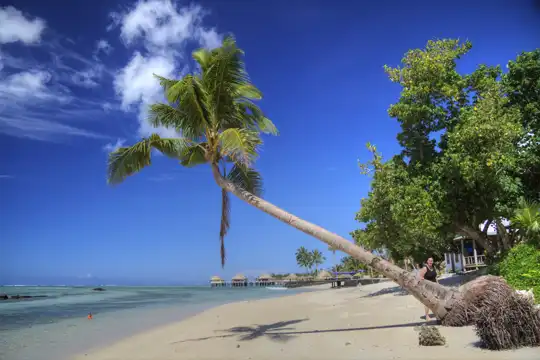
.jpg) Hi, I’m Johan (Netherlands 🇳🇱), the creator of TakeYourBackpack. Over the past decade, I’ve backpacked through 80+ countries across six continents, gaining extensive experience with independent travel, long-term trips, and overland routes.
Hi, I’m Johan (Netherlands 🇳🇱), the creator of TakeYourBackpack. Over the past decade, I’ve backpacked through 80+ countries across six continents, gaining extensive experience with independent travel, long-term trips, and overland routes.