×

Saudi Arabia🇸🇦 | villagesRijal Almaastone towers, mountain valley, UNESCO candidate | things to do and best time to go

Explore Nabatean ancient ruinsExplore Al Khobar Corniche

Backpacking in Rijal Almaa
🏆 Top pickvillage ranked #1
By Johan Kruseman 🇳🇱 | Updated October 15, 2026

Years ago, Rijal Alma was the kind of place you reached after a long, winding drive and found almost empty: stone towers fading, wooden balconies peeling, the call to prayer echoing off quiet alleys that smelled of dust and coffee. Today, it’s curated but still atmospheric. Restored façades glow in the late-afternoon light, museum signs explain what old men used to just tell you over tea, and tripods now compete with goats for space on the cobbled paths.

You’ll find Rijal Alma in the Asir region of southwestern Saudi Arabia, down in the valley below Abha. For backpackers, it’s not a base; it’s a detour. A half-day or day trip that breaks up time in Abha’s cooler hills with something older, earthier, and more tactile. The village is compact and walkable, but you’ll almost certainly arrive by car or hired driver from Abha, since public transport is limited and irregular.

The payoff is visual and textural: stacked stone houses with colored windows, the smell of incense and cardamom drifting from small shops, and views back up toward the green-tinged mountains that remind you how steep this valley really is. There’s a small museum, a few cafés where you drink Arabic coffee and watch families pose for photos, and enough narrow lanes to wander for a couple of hours without feeling like you’re on a theme-park set. It’s curated, yes, but the bones are real.

Socially, it’s quiet. You’re more likely to chat with a curious local or a Riyadh weekender than fall into a hostel crew, because hostels basically don’t exist here and evenings wind down early. Think slow, golden-hour photography and long looks at stonework, not nightlife. Costs are moderate by Saudi standards: entry fees, coffee, and snacks add up, but you’re not bleeding cash on activities. Safety is straightforward; it feels conservative but calm, with families and domestic tourists setting the tone.

Compared with Abha, which works as your practical hub with hotels, malls, and road links, Rijal Alma is the scenic … read more 👉
Years ago, Rijal Alma was the kind of place you reached after a long, winding drive and found almost empty: stone towers fading, wooden balconies peeling, the call to prayer echoing off quiet alleys that smelled of dust and coffee. Today, it’s curated but still atmospheric. Restored façades glow in the late-afternoon light, museum signs explain what old men used to just tell you over tea, and tripods now compete with goats for space on the cobbled paths.

You’ll find Rijal Alma in the Asir region of southwestern Saudi Arabia, down in the valley below Abha. For backpackers, it’s not a base; it’s a detour. A half-day or day trip that breaks up time in Abha’s cooler hills with something older, earthier, and more tactile. The village is compact and walkable, but you’ll almost certainly arrive by car or hired driver from Abha, since public transport is limited and irregular.

The payoff is visual and textural: stacked stone houses with colored windows, the smell of incense and cardamom drifting from small shops, and views back up toward the green-tinged mountains that remind you how steep this valley really is. There’s a small museum, a few cafés where you drink Arabic coffee and watch families pose for photos, and enough narrow lanes to wander for a couple of hours without feeling like you’re on a theme-park set. It’s curated, yes, but the bones are real.

Socially, it’s quiet. You’re more likely to chat with a curious local or a Riyadh weekender than fall into a hostel crew, because hostels basically don’t exist here and evenings wind down early. Think slow, golden-hour photography and long looks at stonework, not nightlife. Costs are moderate by Saudi standards: entry fees, coffee, and snacks add up, but you’re not bleeding cash on activities. Safety is straightforward; it feels conservative but calm, with families and domestic tourists setting the tone.

Compared with Abha, which works as your practical hub with hotels, malls, and road links, Rijal Alma is the scenic side trip that gives the region its character. Compared with coastal Jizan or the Farasan Islands, it’s drier, more architectural, less about water and more about walls and history. If your route through the southwest is Abha-Tanomah-maybe Jizan, Rijal Alma slides in as a deliberate pause: a place where the heat, the stone, and the silence make the effort of getting there feel like part of the story.

Discover everything you want to know in the 📖 Saudi Arabia Travel Guide.
Safety warning

The current risk level for Saudi Arabia is high. Check the advice before going.


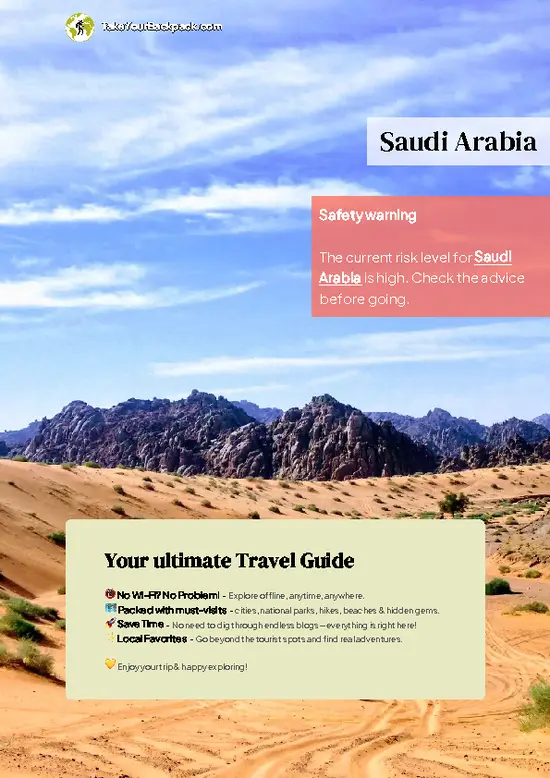
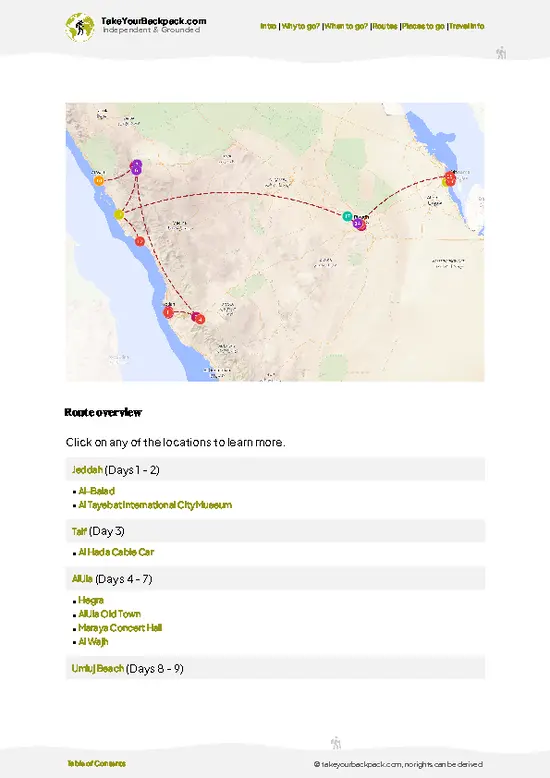
example page 0 from our offline Travel Guide for Saudi Arabia
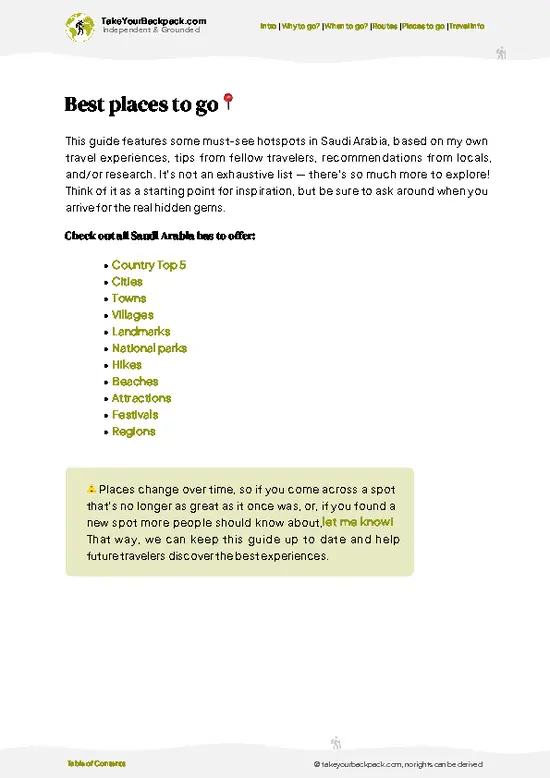
example page 1 from our offline Travel Guide for Saudi Arabia
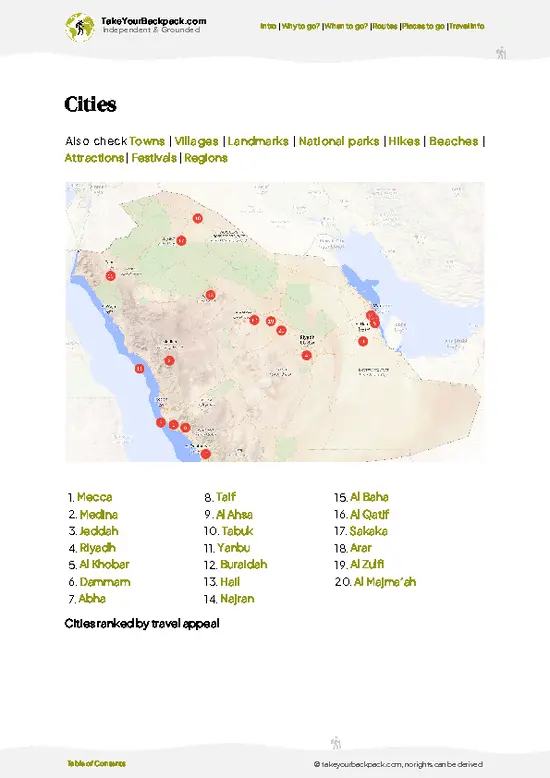
example page 2 from our offline Travel Guide for Saudi Arabia
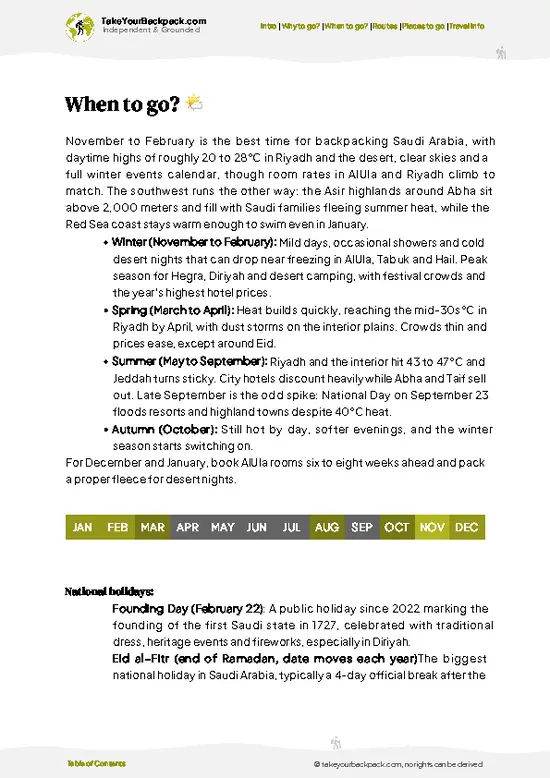
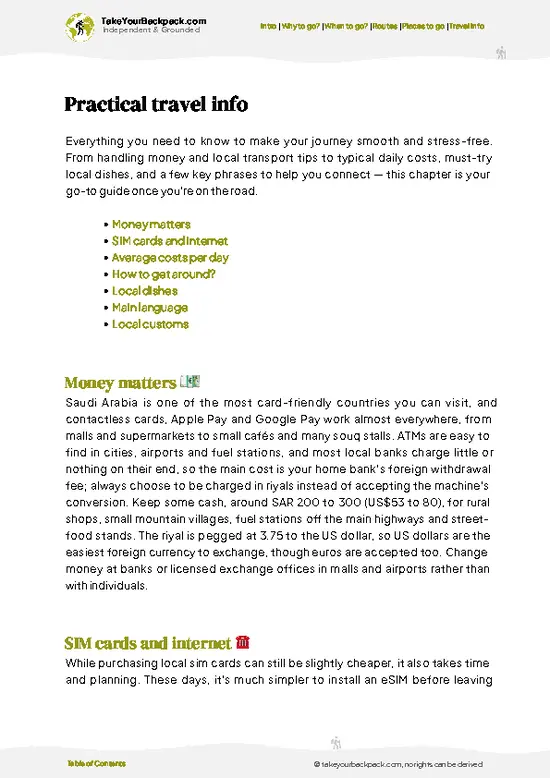
example page 3 from our offline Travel Guide for Saudi Arabia
example page 4 from our offline Travel Guide for Saudi Arabia
example page 5 from our offline Travel Guide for Saudi Arabia
example page 6 from our offline Travel Guide for Saudi Arabia
example page 7 from our offline Travel Guide for Saudi Arabia
Loading the map 🌍
CLICK TO FILTER
cities
towns
villages
landmarks
national parks
hikes
beaches
attractions
festivals
regions
SHOW COUNTRY’S BESTSHOW ALL

✨ Why go?
Ranked #1 village in Saudi Arabia
Why Rijal Almaa should be on your travel list

Backpackers flock to Rijal Almaa for its strategic location along hiking routes that lead to stunning mountain vistas and ancient ruins. The walkable streets invite exploration, while small-scale guesthouses offer a cozy, communal vibe perfect for solo travelers or small groups. You’ll find local food stalls serving up hearty dishes that reflect the region’s culture, enhancing the experience. Most travelers stay a few days, soaking in the friendly atmosphere and connecting with fellow adventurers. It’s a place where the journey feels as rewarding as the destination, making it ideal for those who appreciate a slower pace.

💡 HighlightsWhat this place is best known for

  1. The stacked multi-story stone houses — The single most striking thing about Rijal Alma: tightly packed, tower-like stone homes clinging to the hillside. Walk among them to see traditional construction, timber balconies and the way whole families used vertical space. Great for photos and getting why the village feels like a living fortress.
  2. Rijal Alma Heritage Museum — A small local museum with traditional costumes, household tools, weapons and photos that explain daily life here over the last centuries. It’s the quickest way to put the architecture and side-streets in historical context.
  3. The Old Souq (traditional market) — A compact market area where local vendors sell coffee, spices, simple souvenirs and crafts. It’s low-key but genuine: good for chatting with sellers and picking up handcrafted
… read more 👉
  1. The stacked multi-story stone houses — The single most striking thing about Rijal Alma: tightly packed, tower-like stone homes clinging to the hillside. Walk among them to see traditional construction, timber balconies and the way whole families used vertical space. Great for photos and getting why the village feels like a living fortress.
  2. Rijal Alma Heritage Museum — A small local museum with traditional costumes, household tools, weapons and photos that explain daily life here over the last centuries. It’s the quickest way to put the architecture and side-streets in historical context.
  3. The Old Souq (traditional market) — A compact market area where local vendors sell coffee, spices, simple souvenirs and crafts. It’s low-key but genuine: good for chatting with sellers and picking up handcrafted items that aren’t mass-produced.
  4. Painted façades and interior Al-Qatt motifs — Look for the colorful geometric paint and gypsum window frames that decorate many houses. Inside a few public houses you’ll find Al-Qatt Al-Asiri style murals and women’s decorative work — a real window into local aesthetic traditions.
  5. Integrated watchtowers and defensive elements — Small towers and defensive features are built right into the housing fabric. They’re not a single monument but a visible reminder of the village’s strategic past; climbing near them gives a feel for how the community watched and defended the valley.
  6. Historic mosques and prayer corners — Modest old mosques and neighborhood prayer spaces with traditional stonework and wood carving. They’re simple but important community anchors; visiting respectfully offers insight into local religious life and architecture.
  7. Terrace viewpoints and valley overlooks — Narrow lanes open onto little terraces with sweeping views down the valleys. Best at golden hour: you’ll see how the village sits in the landscape and why settlement here made sense for trade and defense.
  8. Restored guesthouses and family homestays — Several old homes have been renovated as guesthouses or hospitality spaces. Staying or dropping in for tea lets you experience daily rhythms, local food, and house interiors that aren’t on display in museums.
  9. Handicraft workshops and local artisans — Small workshops where artisans do woodwork, weaving and embroidery. You can watch pieces being made, talk to makers, and buy directly — a better way to support the local economy than tourist trinkets.
  10. The stepped alleys and heritage walking route — The village is best explored on foot: stepped lanes, threshold doorways, hidden courtyards, and little community squares. This loose walking route ties the visual highlights together and lets you discover quieter, lesser-known corners.
A few real, visitable highlights a short drive away that make easy day trips: Abha’s old town and the Asir mountain scenery (Jebel Soudah and the hanging village of Habala), plus nearby Asir National Park for hiking and wider mountain views.
Spotted a mistake or missing something? Contact us.

🏘️ NeighborhoodsWhere things are and how it's laid out

Rijal Almaa is a captivating blend of history and culture, perfect for backpackers seeking an authentic experience.

Old Town: This area is the heart of Rijal Alma. The narrow, winding streets are lined with traditional stone houses. It’s a quiet zone, ideal for soaking in the local atmosphere. Walkability is excellent, and you can easily explore on foot. Stay here for a short visit to immerse yourself in the village’s charm.

Cultural District: Vibrant and bustling, this neighborhood is where you’ll find local markets and eateries. The scent of spices fills the air, and the vibe is lively. It’s a great spot for longer stays, with affordable accommodations. Nightlife is minimal, but the community spirit is palpable.

Scenic Overlook: For those seeking tranquility, this area offers stunning … read more 👉
Rijal Almaa is a captivating blend of history and culture, perfect for backpackers seeking an authentic experience.

Old Town: This area is the heart of Rijal Alma. The narrow, winding streets are lined with traditional stone houses. It’s a quiet zone, ideal for soaking in the local atmosphere. Walkability is excellent, and you can easily explore on foot. Stay here for a short visit to immerse yourself in the village’s charm.

Cultural District: Vibrant and bustling, this neighborhood is where you’ll find local markets and eateries. The scent of spices fills the air, and the vibe is lively. It’s a great spot for longer stays, with affordable accommodations. Nightlife is minimal, but the community spirit is palpable.

Scenic Overlook: For those seeking tranquility, this area offers stunning views of the surrounding mountains. It’s less walkable, requiring a bit of hiking, but the payoff is worth it. Perfect for a peaceful retreat, ideal for short stays to recharge.

⌛️ 1 day1-day itinerary for Rijal Almaa

Rijal Almaa is a captivating blend of history and culture, nestled in the Asir region of Saudi Arabia. Its stone houses, terraced gardens, and vibrant local life create a tapestry of experiences that feel both intimate and grand.

Start your morning with a stroll through the narrow alleys of the Al-Mahd neighborhood. The scent of fresh mint tea wafts from doorways, inviting you to pause and chat with locals. Visit the ancient watchtower for a panoramic view of the lush valleys below; the light filtering through the clouds adds a magical touch.

In the afternoon, head to the local market. Here, you’ll find artisans selling handmade crafts and spices that burst with color and aroma. Don’t miss the lesser-known Al-Qar neighborhood, where you can explore traditional architecture and perhaps catch … read more 👉
Rijal Almaa is a captivating blend of history and culture, nestled in the Asir region of Saudi Arabia. Its stone houses, terraced gardens, and vibrant local life create a tapestry of experiences that feel both intimate and grand.

Start your morning with a stroll through the narrow alleys of the Al-Mahd neighborhood. The scent of fresh mint tea wafts from doorways, inviting you to pause and chat with locals. Visit the ancient watchtower for a panoramic view of the lush valleys below; the light filtering through the clouds adds a magical touch.

In the afternoon, head to the local market. Here, you’ll find artisans selling handmade crafts and spices that burst with color and aroma. Don’t miss the lesser-known Al-Qar neighborhood, where you can explore traditional architecture and perhaps catch a glimpse of a local weaving demonstration.

As evening falls, find a spot at a café overlooking the village. Sip on Arabic coffee while the sun sets, casting a warm glow over the stone facades. This day in Rijal Alma isn’t just a visit; it’s a journey into the heart of Saudi culture.

🌤️ When to go?Weather, crowds, and seasonal trade-offs

  • Weather: Rijal Almaa bakes under the Saudi sun in summer, with highs often hitting 40°C (104°F). The best window is from October to March when temperatures dip to a comfortable 15-25°C (59-77°F), making hiking and exploring the stone-carved houses a pleasure, not a sweat session.
  • Temperature: Nights can get surprisingly chilly in winter, dropping to around 5°C (41°F). Layering is key—day warmth contrasts sharply with crisp evenings, adding a fresh edge to your outdoor adventures.
  • Daylight Hours: Winter days are shorter, offering about 10 hours of light, enough to catch the golden hour lighting the village’s intricate facades. Summer extends daylight to nearly 14 hours but brings the heat that can drain your energy.
  • Crowds: The low season in summer means fewer tourists but harsher conditions.
… read more 👉
  • Weather: Rijal Almaa bakes under the Saudi sun in summer, with highs often hitting 40°C (104°F). The best window is from October to March when temperatures dip to a comfortable 15-25°C (59-77°F), making hiking and exploring the stone-carved houses a pleasure, not a sweat session.
  • Temperature: Nights can get surprisingly chilly in winter, dropping to around 5°C (41°F). Layering is key—day warmth contrasts sharply with crisp evenings, adding a fresh edge to your outdoor adventures.
  • Daylight Hours: Winter days are shorter, offering about 10 hours of light, enough to catch the golden hour lighting the village’s intricate facades. Summer extends daylight to nearly 14 hours but brings the heat that can drain your energy.
  • Crowds: The low season in summer means fewer tourists but harsher conditions. Visiting in the shoulder months (late autumn or early spring) balances manageable crowds with pleasant weather, letting you soak in the village’s atmosphere without elbowing through groups.
  • Seasonal Activities: Cultural festivals and local markets often peak in cooler months, adding layers of authentic interaction. Timing your visit around these events enriches your experience beyond just sightseeing.
  • Price Fluctuations: Accommodation and transport costs dip in the off-season, but the trade-off is the intense heat. Booking in the shoulder season offers a sweet spot—reasonable prices and agreeable weather.
Pro-tip: Aim for late October to early March to catch Rijal Almaa at its most inviting—cool days, crisp nights, and a lively local scene that rewards the effort it takes to get there.


source: climatestotravel.comJANJanuary: excellent for travelingFEBFebruary: excellent for travelingMARMarch: excellent for travelingAPRApril: highly recommended for travelingMAYMay: fair for travelingJUNJune: below average for travelingJULJuly: below average for travelingAUGAugust: below average for travelingSEPSeptember: fair for travelingOCTOctober: excellent for travelingNOVNovember: excellent for travelingDECDecember: excellent for traveling
when-to-go

✈️ The backpacker research shortcutSaudi Arabia Travel Guide

An offline-friendly backpacking guide with optimized travel routes, ranked highlights, transport advice, and the best areas to stay.
example page 0 from our offline Travel Guide for Saudi Arabia
example page 1 from our offline Travel Guide for Saudi Arabia
example page 2 from our offline Travel Guide for Saudi Arabia
example page 3 from our offline Travel Guide for Saudi Arabia
example page 4 from our offline Travel Guide for Saudi Arabia
example page 5 from our offline Travel Guide for Saudi Arabia
example page 6 from our offline Travel Guide for Saudi Arabia
example page 7 from our offline Travel Guide for Saudi Arabia
The digital guide (322 pages) contains:
✅ 86 highlights, ranked by travel appeal
✅ Optimized 5, 10 & 15-day travel routes
✅ Cities, national parks, landmarks, beaches
✅ How to get around
✅ Offline-friendly for travel without Wi-Fi
👉 Click to see all 30+ guide features

📅 Plan smarter in minutes, not weeks
✅ Month by month travel advice
✅ Festivals & national holidays
✅ Budget expectations

🗺️ Go to the right places, skip the overrated ones
✅ Honest pros & cons of destinations
✅ Top hikes, parks & viewpoints
✅ Lesser-known places most travelers miss
✅ Clear “worth it vs skip it” guidance

🛏️ Travel smoothly without rookie mistakes
✅ Best areas to stay
✅ Transport systems explained simply
✅ Common scams & safety advice
✅ SIM cards, money & practical tips

🌍 Understand the country, not just visit it
✅ Culture & traditions
✅ 52 Essential phrases & customs
✅ Festivals worth planning around
✅ Traveler-friendly historical context
✅ Insights that make places more meaningful

📱 Built for real travel conditions
✅ Fully downloadable PDF
✅ Works completely offline
✅ Optimized for phone use
✅ Useful in remote areas & buses
✅ Everything in one place
Stop searching, start planning
Get instant access to your full guide. 30‑day money-back guarantee.
+ Add another guide for just

By proceeding you agree to our terms.
Sent to your inbox immediately after payment • 100% Secure Checkout
Best Backpacking Travel Advisor 2025 tourism awardBest Backpacking
Travel Advisor
2025
What others say about Take Your Backpack Guides:
⭐⭐⭐⭐⭐
Fantastic, amazing amount of information!
⭐⭐⭐⭐⭐
My goodness this is amazing, it's what I've been looking for hats off too you!
⭐⭐⭐⭐⭐
I think this is absolutely BRILLIANT
⭐⭐⭐⭐
Very complete and informative. It's still missing places, but I gotta to commend you
⭐⭐⭐⭐⭐
This is truly amazing, thank you, can't wait to explore it with my kids!
⭐⭐⭐⭐⭐
Awesome resource, thank you!
⭐⭐⭐⭐⭐
This is amazing! Can't wait to explore the ones I haven't seen
⭐⭐⭐⭐
I love this! Well done, great idea.
⭐⭐⭐⭐⭐
Thanks for taking the time to make this gem!
⭐⭐⭐⭐⭐
This might be the best website I've ever seen.
⭐⭐⭐⭐⭐
Congratulations, and thank you so much for your work; it's incredibly valuable.
⭐⭐⭐⭐
In all seriousness I think you did a great job pointing out the important spots
⭐⭐⭐⭐⭐
10/10 very good
⭐⭐⭐⭐⭐
As someone who's only just starting to visit regularly this is awesome, thank you.
⭐⭐⭐⭐
Thank you very much! I'm going to visit my dad, it's going to be very useful!
⭐⭐⭐⭐⭐
This is really cool! We'll be travelling for the first time and this definitely come in handy.
⭐⭐⭐⭐⭐
You are now our minister of culture, congratulations 👨‍💼
⭐⭐⭐⭐⭐
Just wanted to tell you that this is a pearl! Going to follow your recommendations.
⭐⭐⭐⭐⭐
This is so cool. I'll definitely be using the resource for my travels soon.
⭐⭐⭐⭐⭐
This is very impressive! Good work.
⭐⭐⭐⭐⭐
This is an amazing and informative site. Very well done!

🛏️ Where to stay?How to pick the right area

Rijal Almaa is a place where history breathes through stone walls and the scent of aged wood lingers in the dry mountain air. For backpackers, the best spot to settle is the heart of the village itself—the old town area where the traditional mud-brick houses cluster tightly. This is where you tap into the village’s pulse: narrow alleys invite conversation, and the communal courtyards naturally draw travelers and locals alike. It’s safe, not because of heavy security, but because the rhythm of daily life here is slow and watchful, like a village that knows every face.

Hostels as you’d expect in … read more 👉
Rijal Almaa is a place where history breathes through stone walls and the scent of aged wood lingers in the dry mountain air. For backpackers, the best spot to settle is the heart of the village itself—the old town area where the traditional mud-brick houses cluster tightly. This is where you tap into the village’s pulse: narrow alleys invite conversation, and the communal courtyards naturally draw travelers and locals alike. It’s safe, not because of heavy security, but because the rhythm of daily life here is slow and watchful, like a village that knows every face.

Hostels as you’d expect in big cities don’t exist here, but small guesthouses and family-run inns fill that role. Staying in the old town means you’re steps away from the main cultural sites and local markets, which come alive in the late afternoon light with the smell of spices and fresh bread. It’s social without being overwhelming—perfect for solo travelers who want to connect but also savor quiet moments watching the sun set behind the rugged hills.

Avoid the outskirts or newer developments if you want to feel the village’s soul. Those areas are quieter but lack the social fabric and easy access to the village’s character. In Rijal Alma, the old town isn’t just where you sleep—it’s where you live the story.

🚌 Getting aroundMoving around without the hassle

Rijal Almaa moves at its own rhythm—less a clock-driven town and more a place where the sun’s position and the scent of woodsmoke set the pace. The narrow stone alleys don’t hum with honking cars or flashing neon signs; instead, they echo with the soft shuffle of sandals and the occasional call of a vendor. Here, time feels elastic. You won’t find rigid bus schedules or a grid of taxis waiting at every corner. Instead, the village invites you to slow down, to read the subtle cues of daily life, and to move with a mix of intention and patience. This isn’t a place for rushing; it’s a place where the journey through its labyrinthine streets is as much part of the experience as the destination itself.
  • Walking: The heart of Rijal Alma is best explored on foot. The village’s compact layout and
… read more 👉
Rijal Almaa moves at its own rhythm—less a clock-driven town and more a place where the sun’s position and the scent of woodsmoke set the pace. The narrow stone alleys don’t hum with honking cars or flashing neon signs; instead, they echo with the soft shuffle of sandals and the occasional call of a vendor. Here, time feels elastic. You won’t find rigid bus schedules or a grid of taxis waiting at every corner. Instead, the village invites you to slow down, to read the subtle cues of daily life, and to move with a mix of intention and patience. This isn’t a place for rushing; it’s a place where the journey through its labyrinthine streets is as much part of the experience as the destination itself.
  • Walking: The heart of Rijal Alma is best explored on foot. The village’s compact layout and steep, winding alleys make walking not just practical but essential. Expect uneven stone paths and occasional steep climbs, so sturdy shoes are a must. Walking lets you soak in the scent of aged cedarwood and the texture of ancient mud-brick walls up close, turning every corner into a discovery.
  • Shared Minibuses (Service Vans): These are the budget traveler’s lifeline for reaching Rijal Alma from nearby towns like Al Bahah. They don’t run on a strict timetable but typically start early morning around 7 AM and taper off by late afternoon. Fares are low, often under 20 SAR, but expect a bumpy ride on narrow mountain roads and a wait until the van fills up. Comfort is basic, but the views of terraced hillsides make the journey worthwhile.
  • Local Taxis: Taxis here don’t operate like city cabs with meters. Instead, fares are negotiated upfront, so having a local contact or hotel staff help with pricing is a smart move. Taxis are faster than minibuses and can navigate the village’s tight alleys better than larger vehicles. Expect to pay more than a minibus but less than a private car rental. Ideal for short hops within the village or quick trips to nearby sites.
  • Private Car Rentals: If you want full control over your schedule and the freedom to explore surrounding areas beyond Rijal Alma, renting a car is the way to go. Roads leading to the village are mountainous and narrow, so a small, sturdy vehicle is best. Prices vary, but this option offers the most comfort and flexibility, especially if you’re traveling with gear or in a group. Parking inside the village is limited, so plan to park at the entrance and walk in.

👛 Costs (as of 15 October 2026)What things cost and how to budget

Backpacking in Rijal Almaa, Saudi Arabia, offers a unique blend of cultural immersion and rugged charm, but understanding the daily costs helps you navigate this experience without surprises.
  • Dorm Accommodation: Options are limited since Rijal Alma is a small heritage village, but guesthouses and local homestays offer dorm-style or shared rooms. Expect to pay around $15 to $25 per night. These places are basic but clean, often with traditional decor that adds to the atmosphere.
  • Meals: Food here is simple and hearty, mostly local dishes like rice, lamb, and flatbreads. Street food and small eateries serve meals for about $3 to $7. If you opt for a more tourist-oriented spot, prices can creep up to $10, but sticking to local joints keeps costs low and flavors authentic.
  • Local Transport: The
… read more 👉
Backpacking in Rijal Almaa, Saudi Arabia, offers a unique blend of cultural immersion and rugged charm, but understanding the daily costs helps you navigate this experience without surprises.
  • Dorm Accommodation: Options are limited since Rijal Alma is a small heritage village, but guesthouses and local homestays offer dorm-style or shared rooms. Expect to pay around $15 to $25 per night. These places are basic but clean, often with traditional decor that adds to the atmosphere.
  • Meals: Food here is simple and hearty, mostly local dishes like rice, lamb, and flatbreads. Street food and small eateries serve meals for about $3 to $7. If you opt for a more tourist-oriented spot, prices can creep up to $10, but sticking to local joints keeps costs low and flavors authentic.
  • Local Transport: The village itself is compact, so most exploring is on foot. For trips to nearby towns or markets, shared taxis or minibuses run around $2 to $5 per ride. Renting a car is rare and pricey, so plan your routes around public or shared transport.
  • Basic Activities/Entry Fees: Entry to the village and its historic sites is generally free or costs a nominal fee, around $1 to $3. Guided tours, if you want a deeper dive into the history and architecture, might run $10 to $20, but wandering solo is rewarding and budget-friendly.
  • Miscellaneous Expenses: Think bottled water, snacks, and occasional souvenirs. These add up to about $2 to $5 daily. Keep cash handy as card payments are rare, and small shops prefer it.

All told, you’re looking at roughly $25 to $45 per day to backpack through Rijal Almaa comfortably. This range covers the essentials without cutting corners, letting you soak in the village’s atmosphere without the stress of overspending.
⚠️ Prices can change and everyone travels differently, so take this as a rough guide. Hope it helps you plan your adventure!

🚌 Day tripsEasy escapes and nearby places

Rijal Almaa is a fantastic base for exploring the rich tapestry of Saudi Arabia’s landscapes and culture. Here are some day trips that will elevate your experience.

Asir National Park
Just a short drive from Rijal Alma, Asir National Park offers a breath of fresh air—literally. The scent of pine trees fills the air as you hike through lush trails. Expect to spend about 1.5 hours getting there, and the entrance fee is minimal, making it budget-friendly. The best time to visit is during the cooler months, from October to April. A common mistake? Underestimating the park’s size; bring enough water and snacks to keep you fueled.
👉 Explore Asir National Park

Abha
A vibrant city with a unique blend of modernity and tradition, Abha is about a two-hour drive from Rijal Alma. The local markets … read more 👉
Rijal Almaa is a fantastic base for exploring the rich tapestry of Saudi Arabia’s landscapes and culture. Here are some day trips that will elevate your experience.

Asir National Park
Just a short drive from Rijal Alma, Asir National Park offers a breath of fresh air—literally. The scent of pine trees fills the air as you hike through lush trails. Expect to spend about 1.5 hours getting there, and the entrance fee is minimal, making it budget-friendly. The best time to visit is during the cooler months, from October to April. A common mistake? Underestimating the park’s size; bring enough water and snacks to keep you fueled.
👉 Explore Asir National Park

Abha
A vibrant city with a unique blend of modernity and tradition, Abha is about a two-hour drive from Rijal Alma. The local markets buzz with energy, and the aroma of grilled kebabs wafts through the air. You can explore the historic Al-Soudah Park or take a cable car ride for stunning views. Budget around 50 SAR for transport and meals. The spring months are ideal for visiting, as the weather is pleasantly mild. Don’t miss the chance to haggle at the souk; it’s part of the experience!
👉 Explore Abha

Al-Soudah
Known for its breathtaking views, Al-Soudah is a must-see. Just an hour away, this area is perfect for a day of hiking or picnicking. The cool mountain air is refreshing, and the panoramic vistas will make your heart race. Expect to spend around 30 SAR for transport. Late afternoon is the best time to catch the sunset. A rookie mistake? Forgetting a camera—this is Instagram gold!


Habala Village
This ancient village, about 45 minutes from Rijal Alma, is a fascinating glimpse into the past. The village clings to the cliffs, and the views are nothing short of dramatic. You can explore the ruins and learn about the local history. Budget around 40 SAR for transport. Visit in the cooler months for the best experience. Many first-timers miss the guided tours; they add depth to your visit.

🛡️ SafetyScams, Hazards, and Annoyances

Rijal Almaa is generally safe, but staying aware enhances your experience. The narrow alleys can feel disorienting, especially at dusk. Stick to well-lit paths and avoid wandering too far alone after sunset.

While scams are rare, be cautious of overly friendly locals offering unsolicited help; they might expect a tip. Keep your belongings secure, especially in crowded areas. Embrace the local culture, but trust your instincts. A confident demeanor goes a long way in ensuring a smooth journey. Enjoy the rich history and stunning architecture without unnecessary stress.

FAQFrequently asked questions about Rijal Almaa

Yes, Rijal Almaa is worth visiting for its unique traditional architecture and cultural heritage, not just as a stopover. The village features multi-story stone houses and vibrant markets that showcase local crafts and history.
You need at least 1 to 2 days in Rijal Almaa to explore the historic buildings, visit the museum, and experience the local culture fully. This allows time to walk through the village and enjoy the surrounding scenery without rushing.
Yes, Rijal Almaa can be visited as a day trip from Abha, which is about 45 kilometers away. The drive takes roughly an hour, making it feasible to explore the village and return the same day.
⚠️ Things can change over time, so always validate details locally before you go.

Other destinations worth considering

Rijal Almaa isn’t the only highlight in Saudi Arabia. Explore all what Saudi Arabia has to offer.
Country photo of Saudi Arabia

We 💚 feedbackSumming up the experience

Rijal Almaa feels like stepping into a living postcard. The stone houses whisper stories, and the air carries the scent of fresh herbs. Don’t miss the local coffee; it’s a warm hug in a cup. Just be ready for steep paths—your legs will thank you later.

✍️ Help improve this page!
The information on this page is based on in-depth research, insights shared by experienced travelers, and feedback from the local travel community in Saudi Arabia. While every effort is made to keep the information accurate and current, conditions can change — so if you spot anything incorrect or outdated, please get in touch.


🙋‍♂️ Give feedback

👋 Meet the founderWho’s Behind Take Your Backpack?

Johan, backpacker and founder of TakeYourBackpackHi, I’m Johan (Netherlands 🇳🇱), the creator of TakeYourBackpack. Over the past 3 decades, I’ve backpacked through 90+ countries across six continents, gaining extensive experience with independent travel, long-term trips, and overland routes.

This site is built on a combination of firsthand travel experience and carefully curated insights from other backpackers. Many guides are based on places I’ve personally visited, while others bring together tips, observations, and practical advice shared by trusted travelers I’ve met along the way.

The goal is to provide realistic, experience-driven guidance — not generic itineraries — so you can explore destinations with better context, clearer expectations, and more confidence.