
×

Senegal🇸🇳 | festivalsFestival de la Culture PeulhFulani music, pastoral life, traditional dress, cattle parades | things to do and best time to go

Explore Festival de la Culture SérèreExplore Festival de la Culture Diola

Backpacking in de la Culture Peulh
By Johan Kruseman 🇳🇱 | Updated October 15, 2026

Most guides gloss over this, but here’s the real twist: at Festival de la Culture Peulh, the most electrifying moments happen offstage—around smoky tea circles and impromptu wrestling matches, not just during the official music sets. You’ll find this festival pulsing through the heart of northern Senegal, usually in or near Podor, where the Sahel brushes up against the Senegal River. This isn’t your average backpacker party—think hypnotic Fulani flute music, call-and-response vocals, and a crowd that’s mostly local, with a scattering of curious travelers and anthropologists. The vibe is communal, proud, and fiercely alive, with days stretching into nights over three or four sun-baked, dust-swirled days. If you want to trade tourist gloss for raw, kinetic culture, this is where you earn your stripes—and every CFA you spend buys you a front-row seat to living tradition.

Discover everything you want to know in the 📖 Senegal Travel Guide.


example page 0 from our offline Travel Guide for Senegal
example page 1 from our offline Travel Guide for Senegal
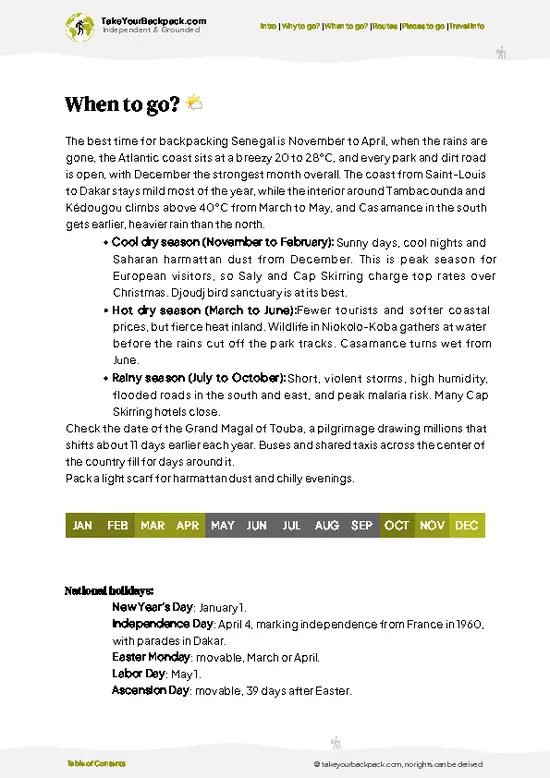
example page 2 from our offline Travel Guide for Senegal
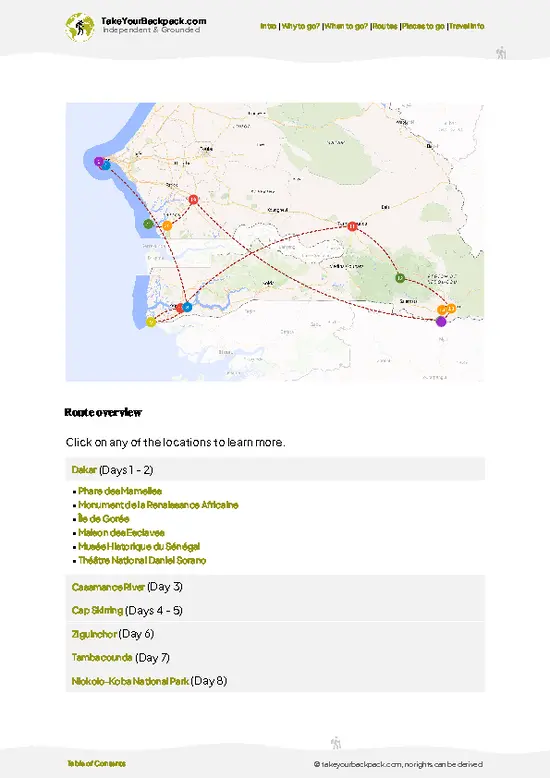
example page 3 from our offline Travel Guide for Senegal
example page 4 from our offline Travel Guide for Senegal
example page 5 from our offline Travel Guide for Senegal
example page 6 from our offline Travel Guide for Senegal
example page 7 from our offline Travel Guide for Senegal
Loading the map 🌍
CLICK TO FILTER
cities
towns
villages
landmarks
national parks
beaches
attractions
festivals
regions
SHOW COUNTRY’S BESTSHOW ALL

✨ Why go?
Ranked #99 festival in Senegal
What makes this festival worth celebrating

Backpackers flock to the Festival de la Culture Peulh in Senegal for a reason: it’s a social energy explosion. This festival isn’t just an event; it’s a temporary community where you can dive into the vibrant rhythms of Peulh culture. Imagine dancing under the stars, surrounded by locals and fellow travelers, all sharing stories and laughter.

Planning your route around this festival means you’re not just a spectator; you’re part of something bigger. The cultural immersion is unparalleled, offering a genuine taste of Senegalese life that you won’t find in guidebooks. Plus, it’s affordable compared to similar events worldwide, allowing you to stretch your budget for other adventures.

Integrating the festival into your travel plans adds a layer of excitement and spontaneity. It’s a chance … read more 👉
Backpackers flock to the Festival de la Culture Peulh in Senegal for a reason: it’s a social energy explosion. This festival isn’t just an event; it’s a temporary community where you can dive into the vibrant rhythms of Peulh culture. Imagine dancing under the stars, surrounded by locals and fellow travelers, all sharing stories and laughter.

Planning your route around this festival means you’re not just a spectator; you’re part of something bigger. The cultural immersion is unparalleled, offering a genuine taste of Senegalese life that you won’t find in guidebooks. Plus, it’s affordable compared to similar events worldwide, allowing you to stretch your budget for other adventures.

Integrating the festival into your travel plans adds a layer of excitement and spontaneity. It’s a chance to recharge your spirit and connect with others, making every moment of your journey feel alive and purposeful.

💡 HighlightsPlaces and moments you shouldn't skip

  • Music, storytelling and praise-singing: Live, living oral history — expect high, plaintive herding songs, call-and-response group singing, and solo praise-singers accompanied by instruments like the riti (one-string fiddle) or hoddu (lute). It’s not a staged concert; it’s how stories, lineages and local news get passed along, up close and often spine-tingling.
  • Horse parades and mounted displays: Elegant riders in colorful cloaks show off riding skills, ceremonial charges and ornate saddlery. The horses and tack are almost as much the spectacle as the riders — a visual way the pastoral identity and status get celebrated.
  • Cattle and pastoral culture demonstrations: Cattle parades, milking demos, and herding displays put the animals at centre stage. For the Peulh, livestock isn’t just food
… read more 👉
  • Music, storytelling and praise-singing: Live, living oral history — expect high, plaintive herding songs, call-and-response group singing, and solo praise-singers accompanied by instruments like the riti (one-string fiddle) or hoddu (lute). It’s not a staged concert; it’s how stories, lineages and local news get passed along, up close and often spine-tingling.
  • Horse parades and mounted displays: Elegant riders in colorful cloaks show off riding skills, ceremonial charges and ornate saddlery. The horses and tack are almost as much the spectacle as the riders — a visual way the pastoral identity and status get celebrated.
  • Cattle and pastoral culture demonstrations: Cattle parades, milking demos, and herding displays put the animals at centre stage. For the Peulh, livestock isn’t just food or wealth — it’s identity — and you can see traditions of care, naming, and even cattle-beauty contests in real time.
  • Traditional dress, crafts and personal adornment: Watch artisans and locals in finely embroidered garments, silver jewelry and leatherwork; calabash carving and beadwork stalls are everywhere. The textures and details are practical and symbolic, so buying a small piece feels like taking part in a living tradition.
  • Food, communal feasts and night gatherings: Expect milk-based dishes, millet preparations and hearty grilled meat shared under open skies, with fires and dancing after dark. The meals are communal and casual — the best way to chat with locals, swap stories and feel how the festival tightens social bonds.
Spotted a mistake or missing something? Contact us.

🌤️ When to go?When is the celebration of Festival de la Culture Peulh?

  • Weather: The Festival de la Culture Peulh usually falls during the dry season, roughly November to February. Expect clear skies and minimal rain, which means no soggy boots or soggy spirits. Temperatures hover between 20-30°C (68-86°F), perfect for long days outdoors without overheating.
  • Temperature: Nights can dip to a cooler 15°C (59°F), so pack a light jacket. Days warm up nicely but rarely scorch, keeping your energy steady for exploring the festival’s vibrant activities.
  • Daylight Hours: With about 11 to 12 hours of daylight, you get ample time to soak in the festival’s full range of events—from morning ceremonies to evening dances—without rushing.
  • Crowds: Peak festival days draw local and regional visitors, but it’s not a crush-fest like major global events. Arriving early in the
… read more 👉
  • Weather: The Festival de la Culture Peulh usually falls during the dry season, roughly November to February. Expect clear skies and minimal rain, which means no soggy boots or soggy spirits. Temperatures hover between 20-30°C (68-86°F), perfect for long days outdoors without overheating.
  • Temperature: Nights can dip to a cooler 15°C (59°F), so pack a light jacket. Days warm up nicely but rarely scorch, keeping your energy steady for exploring the festival’s vibrant activities.
  • Daylight Hours: With about 11 to 12 hours of daylight, you get ample time to soak in the festival’s full range of events—from morning ceremonies to evening dances—without rushing.
  • Crowds: Peak festival days draw local and regional visitors, but it’s not a crush-fest like major global events. Arriving early in the festival window means fewer crowds and better access to authentic experiences.
  • Seasonal Activities: The dry season aligns with traditional cattle herding and cultural rituals central to the Peulh identity, adding layers of meaning to the festival’s performances and markets.
  • Price Fluctuations: Accommodation and transport costs spike slightly during the festival but remain reasonable compared to high tourist seasons elsewhere. Booking early locks in better deals and saves stress.
Pro-tip: Time your visit for early in the festival period to dodge crowds, enjoy cooler evenings, and catch the full sweep of cultural ceremonies before prices climb.


source: climatestotravel.comJANJanuary: excellent for travelingFEBFebruary: not recommended for travelingMARMarch: not recommended for travelingAPRApril: not recommended for travelingMAYMay: not recommended for travelingJUNJune: not recommended for travelingJULJuly: not recommended for travelingAUGAugust: not recommended for travelingSEPSeptember: not recommended for travelingOCTOctober: not recommended for travelingNOVNovember: not recommended for travelingDECDecember: not recommended for traveling

✈️ The backpacker research shortcutSenegal Travel Guide

An offline-friendly backpacking guide with optimized travel routes, ranked highlights, transport advice, and the best areas to stay.
example page 0 from our offline Travel Guide for Senegal
example page 1 from our offline Travel Guide for Senegal
example page 2 from our offline Travel Guide for Senegal
example page 3 from our offline Travel Guide for Senegal
example page 4 from our offline Travel Guide for Senegal
example page 5 from our offline Travel Guide for Senegal
example page 6 from our offline Travel Guide for Senegal
example page 7 from our offline Travel Guide for Senegal
The digital guide (360 pages) contains:
✅ 85 highlights, ranked by travel appeal
✅ Optimized 5, 10 & 15-day travel routes
✅ Cities, national parks, landmarks, beaches
✅ How to get around
✅ Offline-friendly for travel without Wi-Fi
👉 Click to see all 30+ guide features

📅 Plan smarter in minutes, not weeks
✅ Month by month travel advice
✅ Festivals & national holidays
✅ Budget expectations

🗺️ Go to the right places, skip the overrated ones
✅ Honest pros & cons of destinations
✅ Top hikes, parks & viewpoints
✅ Lesser-known places most travelers miss
✅ Clear “worth it vs skip it” guidance

🛏️ Travel smoothly without rookie mistakes
✅ Best areas to stay
✅ Transport systems explained simply
✅ Common scams & safety advice
✅ SIM cards, money & practical tips

🌍 Understand the country, not just visit it
✅ Culture & traditions
✅ 52 Essential phrases & customs
✅ Festivals worth planning around
✅ Traveler-friendly historical context
✅ Insights that make places more meaningful

📱 Built for real travel conditions
✅ Fully downloadable PDF
✅ Works completely offline
✅ Optimized for phone use
✅ Useful in remote areas & buses
✅ Everything in one place
Stop searching, start planning
Get instant access to your full guide. 30‑day money-back guarantee.
+ Add another guide for just

By proceeding you agree to our terms.
Sent to your inbox immediately after payment • 100% Secure Checkout
Best Backpacking Travel Advisor 2025 tourism awardBest Backpacking
Travel Advisor
2025
What others say about Take Your Backpack Guides:
⭐⭐⭐⭐⭐
Fantastic, amazing amount of information!
⭐⭐⭐⭐⭐
My goodness this is amazing, it's what I've been looking for hats off too you!
⭐⭐⭐⭐⭐
I think this is absolutely BRILLIANT
⭐⭐⭐⭐
Very complete and informative. It's still missing places, but I gotta to commend you
⭐⭐⭐⭐⭐
This is truly amazing, thank you, can't wait to explore it with my kids!
⭐⭐⭐⭐⭐
Awesome resource, thank you!
⭐⭐⭐⭐⭐
This is amazing! Can't wait to explore the ones I haven't seen
⭐⭐⭐⭐
I love this! Well done, great idea.
⭐⭐⭐⭐⭐
Thanks for taking the time to make this gem!
⭐⭐⭐⭐⭐
This might be the best website I've ever seen.
⭐⭐⭐⭐⭐
Congratulations, and thank you so much for your work; it's incredibly valuable.
⭐⭐⭐⭐
In all seriousness I think you did a great job pointing out the important spots
⭐⭐⭐⭐⭐
10/10 very good
⭐⭐⭐⭐⭐
As someone who's only just starting to visit regularly this is awesome, thank you.
⭐⭐⭐⭐
Thank you very much! I'm going to visit my dad, it's going to be very useful!
⭐⭐⭐⭐⭐
This is really cool! We'll be travelling for the first time and this definitely come in handy.
⭐⭐⭐⭐⭐
You are now our minister of culture, congratulations 👨‍💼
⭐⭐⭐⭐⭐
Just wanted to tell you that this is a pearl! Going to follow your recommendations.
⭐⭐⭐⭐⭐
This is so cool. I'll definitely be using the resource for my travels soon.
⭐⭐⭐⭐⭐
This is very impressive! Good work.
⭐⭐⭐⭐⭐
This is an amazing and informative site. Very well done!

🛏️ Where to stay?Where staying makes the most sense

For the Festival de la Culture Peulh, dive into the heart of Dakar. The vibrant neighborhoods of Plateau and Medina buzz with energy. Here, you’ll find a mix of budget-friendly accommodations, from lively hostels to cozy guesthouses. The social scene is electric, perfect for meeting fellow travelers and locals alike.

Stay close to the festival grounds to soak in the atmosphere. You’ll want to be within walking distance to avoid the hassle of transport. The streets are alive with music and laughter, making it easy to connect with others.

Another option is to head to the coastal area of Ngor. … read more 👉
For the Festival de la Culture Peulh, dive into the heart of Dakar. The vibrant neighborhoods of Plateau and Medina buzz with energy. Here, you’ll find a mix of budget-friendly accommodations, from lively hostels to cozy guesthouses. The social scene is electric, perfect for meeting fellow travelers and locals alike.

Stay close to the festival grounds to soak in the atmosphere. You’ll want to be within walking distance to avoid the hassle of transport. The streets are alive with music and laughter, making it easy to connect with others.

Another option is to head to the coastal area of Ngor. It’s a bit quieter but offers stunning views and a laid-back vibe. You can recharge after a day of festivities while still being close enough to join in the fun.

Keep your eyes peeled for local eateries and markets; they’re where the real culture thrives. This is where your adventure truly begins, so choose wisely and savor every moment.

👛 Costs (as of 15 October 2026)What things cost and how to budget

The Festival de la Culture Peulh in Senegal is an exhilarating experience, but knowing the costs can keep your adventure smooth and your wallet intact. Here’s the breakdown:
  • Festival Tickets: Expect to pay around €10 to €20 for entry. Prices can vary based on the day and specific events, so grab your tickets early to avoid last-minute hikes.
  • Accommodation: Options range from budget hostels at about €15 per night to mid-range hotels around €50. If you want a taste of local life, consider homestays, which can be found for €25 to €40.
  • Local Transport: Public transport is your friend. Buses and shared taxis cost between €1 to €3 for short distances. For more flexibility, budget around €10 to €15 for a day of exploring.
  • Food & Drinks: Street food is a steal. You can enjoy local dishes for €2 to €5.
… read more 👉
The Festival de la Culture Peulh in Senegal is an exhilarating experience, but knowing the costs can keep your adventure smooth and your wallet intact. Here’s the breakdown:
  • Festival Tickets: Expect to pay around €10 to €20 for entry. Prices can vary based on the day and specific events, so grab your tickets early to avoid last-minute hikes.
  • Accommodation: Options range from budget hostels at about €15 per night to mid-range hotels around €50. If you want a taste of local life, consider homestays, which can be found for €25 to €40.
  • Local Transport: Public transport is your friend. Buses and shared taxis cost between €1 to €3 for short distances. For more flexibility, budget around €10 to €15 for a day of exploring.
  • Food & Drinks: Street food is a steal. You can enjoy local dishes for €2 to €5. If you opt for sit-down meals, expect to pay €10 to €15. Don’t forget to try the local beverages, which are usually under €2.
  • Miscellaneous Expenses: Set aside €5 to €10 for souvenirs or unexpected costs. This covers anything from local crafts to small tips for guides.

Being aware of these costs helps you focus your energy on the festival’s vibrant culture instead of stressing over finances. Enjoy the rhythm of the event and let the experience unfold!


source: senegal-tourism.com
⚠️ Prices can change and everyone travels differently, so take this as a rough guide. Hope it helps you plan your adventure!

🍲 FoodLocal Flavors for Backpackers

At the Festival de la Culture Peulh in Senegal, food is a vibrant celebration of local flavors. You’ll find stalls brimming with jollof rice, a spicy, tomato-rich dish that’s a must-try. Pair it with yassa, marinated chicken or fish grilled to perfection, bursting with citrusy goodness. Don’t skip the maafe, a rich peanut stew that warms you from the inside out.

For drinks, dive into bissap, a refreshing hibiscus tea that’s both tart and sweet. It’s the perfect antidote to the heat. You might also stumble upon gingembre, a zesty ginger drink that packs a punch.

When you’re at the festival, embrace the sharing culture. It’s common to swap bites with friends or even strangers, creating a communal experience. Be prepared for lines; patience is key. Cash is king here, so keep some on hand for … read more 👉
At the Festival de la Culture Peulh in Senegal, food is a vibrant celebration of local flavors. You’ll find stalls brimming with jollof rice, a spicy, tomato-rich dish that’s a must-try. Pair it with yassa, marinated chicken or fish grilled to perfection, bursting with citrusy goodness. Don’t skip the maafe, a rich peanut stew that warms you from the inside out.

For drinks, dive into bissap, a refreshing hibiscus tea that’s both tart and sweet. It’s the perfect antidote to the heat. You might also stumble upon gingembre, a zesty ginger drink that packs a punch.

When you’re at the festival, embrace the sharing culture. It’s common to swap bites with friends or even strangers, creating a communal experience. Be prepared for lines; patience is key. Cash is king here, so keep some on hand for those delicious bites. Serving sizes can vary, so don’t hesitate to ask for recommendations. This festival isn’t just about eating; it’s about savoring every moment.

FAQFrequently asked questions about de la Culture Peulh

Festival de la Culture Peulh takes place annually in November. It usually lasts for about 3 days, showcasing the culture and traditions of the Peulh people in Senegal.
The cost to attend Festival de la Culture Peulh is generally free for most public events. Some special performances or activities may have a small fee, typically around 5 to 10 euros.
No, you do not usually need tickets in advance for the main events of Festival de la Culture Peulh. However, booking ahead is recommended for any special shows or workshops that have limited capacity.
⚠️ Things can change over time, so always validate details locally before you go.

Other Senegalese festivals near de la Culture Peulh

Explore more nearby:

  • Saint-Louis Jazz Festival—Late-night jam sessions, colonial island stages, iron bridge, Atlantic pirogues
  • Dak’Art—Biennale of contemporary art, “Off” shows, vernissage nights, Dakar murals
  • Gorée Diaspora Festival—Island concerts, diaspora talks, Door of No Return, car-free lanes

💡 Not sure where to go next?
Create a personalized itinerary for Senegal including de la Culture Peulh and the places that fit your trip.

Generate my itinerary

👉 Discover all festivals

Or checkout all Senegal has to offer (think cities, towns, villages, national parks, hikes, beaches, festivals)
Country photo of Senegal

We 💚 feedbackParting advice and final tips

The Festival de la Culture Peulh is electric, a whirlwind of colors and rhythms that pulls you right into the heart of Senegalese culture. Don’t miss the impromptu dance-offs; they’re the best surprise. But watch your wallet—prices can spike during the festival. Stay sharp, and you’ll save your energy and cash for the moments that truly matter. Dive in, and let the spirit of the Peulh carry you away!

✍️ Help improve this page!
The information on this page is based on in-depth research, insights shared by experienced travelers, and feedback from the local travel community in Senegal. While every effort is made to keep the information accurate and current, conditions can change — so if you spot anything incorrect or outdated, please get in touch.


🙋‍♂️ Give feedback

👋 Meet the founderWho’s Behind Take Your Backpack?

Johan, backpacker and founder of TakeYourBackpackHi, I’m Johan (Netherlands 🇳🇱), the creator of TakeYourBackpack. Over the past 3 decades, I’ve backpacked through 90+ countries across six continents, gaining extensive experience with independent travel, long-term trips, and overland routes.

This site is built on a combination of firsthand travel experience and carefully curated insights from other backpackers. Many guides are based on places I’ve personally visited, while others bring together tips, observations, and practical advice shared by trusted travelers I’ve met along the way.

The goal is to provide realistic, experience-driven guidance — not generic itineraries — so you can explore destinations with better context, clearer expectations, and more confidence.