×

Senegal🇸🇳 | townsJoal-FadiouthShell island, wooden bridges, mixed-faith cemeteries | things to do and best time to go

Explore Île de GoréeExplore Kayar

Backpacking in Joal-Fadiouth
🏆 Top picktown ranked #1
By Johan Kruseman 🇳🇱 | Updated September 3, 2026

Joal-Fadiouth isn’t just a sleepy fishing town—it’s a place where the ground crunches underfoot, not from gravel, but from millions of sun-bleached seashells. That’s the first thing that throws off expectations: the island of Fadiouth is literally built on shells, and you feel it with every step. Set on Senegal’s Petite Côte, about two hours south of Dakar, Joal-Fadiouth is where the Atlantic’s salt tang mixes with the smoke of fish drying in the open air. For backpackers, it’s a town that rewards patience. The pace is slow, the streets are walkable, and the main draw is the atmosphere: a blend of Catholic and Muslim traditions, shell cemeteries, and the gentle rhythm of pirogues gliding through the mangroves. It’s not a nightlife hub or a backpacker party stop—think more quiet evenings, a handful of simple guesthouses, and the occasional café where locals linger. Costs are lower than Saly or Dakar, but don’t expect hostels or a built-in traveler scene; you’ll need to make your own connections, often over shared plates of thieboudienne. Compared to the resort sprawl up the coast, Joal-Fadiouth feels more lived-in, more real, and best as a detour for a day or two—especially if you’re craving a break from the usual tourist circuit and want to see how Senegal’s coast really breathes. Transport is straightforward: bush taxis and minibuses from Mbour or Dakar drop you at Joal, and from there, everything worth seeing is on foot or by pirogue. Safety is generally good, but keep your wits about you at night, as you would anywhere.

Discover everything you want to know in the 📖 Senegal Travel Guide.


Get your Senegal guide
93 ranked highlights, routes & tips, works offline (380 pages)
Loading the map 🌍
CLICK TO FILTER
cities
towns
villages
landmarks
national parks
hikes
beaches
attractions
festivals
regions
SHOW COUNTRY’S BESTSHOW ALL

✨ Why go?
Ranked #1 town in Senegal
Why visitors keep coming back

Joal-Fadiouth is a backpacker’s haven that strikes a balance between cultural immersion and natural beauty. Nestled along the coast, it serves as a convenient base for nearby hikes and beaches. The walkable streets invite you to explore local life, where the scent of fresh fish mingles with the salty sea air. You’ll find small-scale hostels and guesthouses that offer a cozy atmosphere, perfect for solo travelers or small groups seeking connection.

Many backpackers tend to linger here for a few days, soaking in the laid-back vibe and engaging with friendly locals. The town’s social atmosphere fosters easy conversations, making it ideal for those who enjoy sharing stories over a plate of yassa or sipping attaya tea. While it’s not a nightlife hotspot, the evenings can be lively with local … read more 👉
Joal-Fadiouth is a backpacker’s haven that strikes a balance between cultural immersion and natural beauty. Nestled along the coast, it serves as a convenient base for nearby hikes and beaches. The walkable streets invite you to explore local life, where the scent of fresh fish mingles with the salty sea air. You’ll find small-scale hostels and guesthouses that offer a cozy atmosphere, perfect for solo travelers or small groups seeking connection.

Many backpackers tend to linger here for a few days, soaking in the laid-back vibe and engaging with friendly locals. The town’s social atmosphere fosters easy conversations, making it ideal for those who enjoy sharing stories over a plate of yassa or sipping attaya tea. While it’s not a nightlife hotspot, the evenings can be lively with local music and gatherings.

If you’re a slow traveler or a hiker, Joal-Fadiouth provides the perfect blend of relaxation and adventure. It’s not just a stopover; it’s a chance to experience the heart of Senegal, making the effort to get here feel worthwhile.
Want to include Joal-Fadiouth in your Senegal route?
Create a personalized Senegal itinerary that includes Joal-Fadiouth and the places that fit your trip — based on your travel style, budget, and available time. Get your route in seconds.

Generate my trip

💡 HighlightsKey sights and experiences for travelers

  1. Fadiouth (the Shell Island) — The whole island is literally paved with millions of crushed shells; wandering its narrow lanes gives you an immediate, tactile sense of place and an uncanny landscape you won’t find many other places in the world.
  2. Fadiouth Mixed Cemetery — A peaceful, photogenic cemetery built on shells where Christian crosses and Muslim tombs sit side by side; it’s a powerful, visitable symbol of local religious coexistence and family history.
  3. The Wooden Footbridge between Joal and Fadiouth — A long stilted boardwalk over mangroves that’s perfect at sunrise or sunset for light, pelicans, and watching pirogues come and go; the walk itself is the attraction.
  4. Église de Fadiouth (the island church) — The whitewashed church on the shell island is small but atmospheric; attend
read more 👉
  1. Fadiouth (the Shell Island) — The whole island is literally paved with millions of crushed shells; wandering its narrow lanes gives you an immediate, tactile sense of place and an uncanny landscape you won’t find many other places in the world.
  2. Fadiouth Mixed Cemetery — A peaceful, photogenic cemetery built on shells where Christian crosses and Muslim tombs sit side by side; it’s a powerful, visitable symbol of local religious coexistence and family history.
  3. The Wooden Footbridge between Joal and Fadiouth — A long stilted boardwalk over mangroves that’s perfect at sunrise or sunset for light, pelicans, and watching pirogues come and go; the walk itself is the attraction.
  4. Église de Fadiouth (the island church) — The whitewashed church on the shell island is small but atmospheric; attend a service if you can, or simply enjoy the churchyard views and the way it anchors island life.
  5. Port and Fish Market of Joal — Loud, busy, and endlessly interesting: fishermen landing pirogues, women sorting fish, the auction rhythm — go early morning to see the freshest action and learn how the local economy runs.
  6. Maison natale de Léopold Sédar Senghor — The birthplace of Senegal’s first president and famous poet; it’s modest but meaningful for anyone interested in modern Senegalese history and Senghor’s roots in Joal.
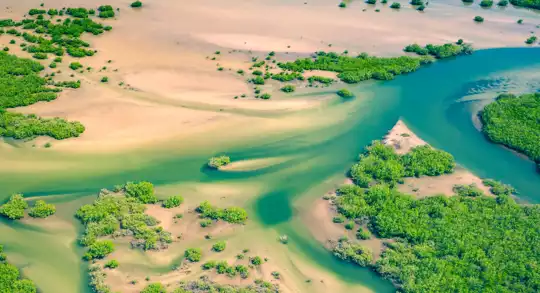
  7. Mangrove boat trips and oyster farms — Short pirogue tours into the surrounding mangroves to see crabs, oysters on stakes, and birdlife; these trips show the island’s ecology and the livelihoods tied to it.
  8. Traditional pirogue boatyards — Watch (and talk to) local boat builders shaping the wooden fishing pirogues — a hands-on glimpse into skills that keep the town’s fishing culture alive.
  9. Shell-carving workshops and local crafts stalls — Small, family-run stalls and workshops where artisans turn shells into bowls, jewelry, and décor; you can meet makers and buy authentic, inexpensive souvenirs.
  10. Fadiouth beaches and shell-strewn promenades — Low-key beaches where you walk on the shell layers, see local kids and fishers at play, and get un-touristy coastal vibes — quieter and more honest than the big resort strips.
A few real day-trip options just outside Joal-Fadiouth: the resort and beaches of Saly-Portudal, the Somone lagoon for birdwatching, the Bandia Reserve for wildlife drives, and the Saloum Delta for mangrove-island excursions.
Spotted a mistake or missing something? Contact us.

Things to do near Joal-Fadiouth

Ratings based on Tripadvisor reviews. When you book through this link, you support our work at no extra cost to you.

🏘️ NeighborhoodsHow different areas shape the experience

Joal-Fadiouth is a captivating blend of land and sea, where the rhythm of daily life dances between the vibrant markets and tranquil shores. Here’s how to navigate its neighborhoods for an authentic experience.

Joal: This is the bustling heart of the town. You’ll find colorful markets filled with the scent of fresh fish and spices. The vibe is lively, perfect for those who thrive on energy. It’s walkable, with narrow streets leading to local eateries and shops. Nightlife is low-key, with a few bars where you can sip a local beer and chat with friendly locals. Ideal for short stays, as you can easily explore the main attractions on foot.

Fadiouth: Connected by a wooden bridge, this island is a serene escape. The atmosphere is quieter, with sandy paths and palm trees swaying in the breeze. … read more 👉
Joal-Fadiouth is a captivating blend of land and sea, where the rhythm of daily life dances between the vibrant markets and tranquil shores. Here’s how to navigate its neighborhoods for an authentic experience.

Joal: This is the bustling heart of the town. You’ll find colorful markets filled with the scent of fresh fish and spices. The vibe is lively, perfect for those who thrive on energy. It’s walkable, with narrow streets leading to local eateries and shops. Nightlife is low-key, with a few bars where you can sip a local beer and chat with friendly locals. Ideal for short stays, as you can easily explore the main attractions on foot.

Fadiouth: Connected by a wooden bridge, this island is a serene escape. The atmosphere is quieter, with sandy paths and palm trees swaying in the breeze. It’s a great spot for longer stays if you want to soak in the local culture. The island is walkable, and you can wander through the unique shell-covered graves. Transport options are limited, but the tranquility makes it worth it. Perfect for those seeking a slower pace.

Beachfront Area: This stretch offers stunning views of the Atlantic. It’s a bit more touristy, with guesthouses and restaurants lining the shore. The vibe is relaxed, ideal for unwinding after a day of exploration. While it’s walkable, you might want to rent a bike to cover more ground. Nightlife here is more vibrant, with beach bars hosting live music. Great for both short and longer stays, especially if you love sun and surf.

⌛️ 1 dayHow to make the most of one day

Joal-Fadiouth, a charming coastal town in Senegal, is a blend of vibrant culture and stunning natural beauty. It’s famous for its unique island of shells and the rich history of its fishing community. The atmosphere here is alive with the scent of the sea and the sounds of laughter, making it a perfect spot to immerse yourself in local life.

Start your morning with a stroll along the waterfront. The sun rises over the Atlantic, casting a golden hue on the water. Grab a fresh baguette from a local bakery and pair it with some sweet mangoes from a nearby market. As you munch, take in the colorful fishing boats bobbing in the harbor.

Next, head to the shell island, just a short walk away. This isn’t just a tourist stop; it’s a living testament to the town’s history. The crunch of shells underfoot … read more 👉
Joal-Fadiouth, a charming coastal town in Senegal, is a blend of vibrant culture and stunning natural beauty. It’s famous for its unique island of shells and the rich history of its fishing community. The atmosphere here is alive with the scent of the sea and the sounds of laughter, making it a perfect spot to immerse yourself in local life.

Start your morning with a stroll along the waterfront. The sun rises over the Atlantic, casting a golden hue on the water. Grab a fresh baguette from a local bakery and pair it with some sweet mangoes from a nearby market. As you munch, take in the colorful fishing boats bobbing in the harbor.

Next, head to the shell island, just a short walk away. This isn’t just a tourist stop; it’s a living testament to the town’s history. The crunch of shells underfoot and the intricate patterns of the houses made from them tell stories of generations. Spend time wandering the narrow paths, greeting locals who are often more than happy to share their stories.

In the afternoon, make your way to the vibrant neighborhood of Fadiouth. Here, you’ll find the bustling market filled with spices, textiles, and crafts. Engage with the vendors; their passion for their goods is infectious. Don’t miss the chance to try some local dishes like thieboudienne, a flavorful fish and rice meal that’s a staple in Senegalese cuisine.

As evening approaches, return to the waterfront. The sunset paints the sky in shades of orange and pink, creating a perfect backdrop for your dinner. Choose a local eatery where you can enjoy grilled fish while listening to the rhythmic beats of traditional music.

End your day with a leisurely walk back, the cool breeze carrying the scent of the ocean. Joal-Fadiouth isn’t just a place to visit; it’s an experience that lingers long after you leave.
Turn your Joal-Fadiouth visit into an Senegal adventure
Build a complete Senegal route with Joal-Fadiouth, hidden gems, must-see destinations, and realistic travel times included.

Generate my trip

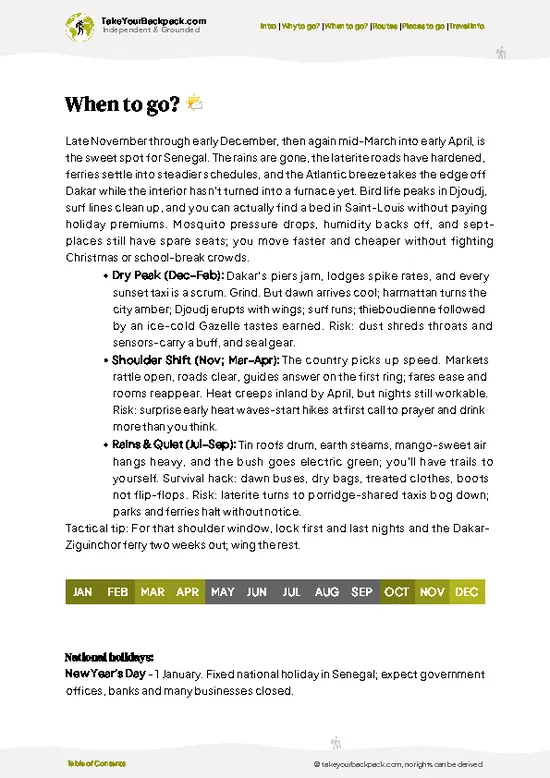
🌤️ When to go?Best time to visit Joal-Fadiouth


  • Topic: Weather and Temperature – The dry season from November to May is your best bet. Expect daytime highs around 28-32°C (82-90°F), with evenings cooling to a comfortable 20-24°C (68-75°F). The air is crisp, and the sun’s warmth feels just right for exploring without the oppressive humidity that dominates the rainy months.

  • Topic: Daylight Hours – Senegal sits close to the equator, so daylight is steady year-round, roughly 12 hours daily. This consistency means you can plan your days confidently, with sunrise around 6:30 AM and sunset near 6:30 PM, giving you ample time to wander the shell island and soak in the unique atmosphere.

  • Topic: Crowds – Peak tourist season aligns with the dry months, especially December to February. Joal-Fadiouth remains relatively quiet compared to bigger
read more 👉

  • Topic: Weather and Temperature – The dry season from November to May is your best bet. Expect daytime highs around 28-32°C (82-90°F), with evenings cooling to a comfortable 20-24°C (68-75°F). The air is crisp, and the sun’s warmth feels just right for exploring without the oppressive humidity that dominates the rainy months.

  • Topic: Daylight Hours – Senegal sits close to the equator, so daylight is steady year-round, roughly 12 hours daily. This consistency means you can plan your days confidently, with sunrise around 6:30 AM and sunset near 6:30 PM, giving you ample time to wander the shell island and soak in the unique atmosphere.

  • Topic: Crowds – Peak tourist season aligns with the dry months, especially December to February. Joal-Fadiouth remains relatively quiet compared to bigger hubs, but expect a gentle rise in visitors during holidays and festivals. Visiting just before or after this window offers a more intimate experience without sacrificing good weather.

  • Topic: Seasonal Activities – The dry season unlocks vibrant local events, including fishing festivals and traditional ceremonies on Fadiouth’s shell island. These moments bring the town’s culture alive, with the scent of grilled fish mingling with ocean breeze, making timing your visit around these events a cultural jackpot.

  • Topic: Price Fluctuations – Accommodation and transport costs tend to spike during the dry season’s peak months. Booking ahead can save you a premium. Conversely, the rainy season (June to October) sees lower prices but comes with the trade-off of muddy paths and fewer outdoor activities.


Pro-tip: Aim for late November or early March to catch perfect weather, fewer crowds, and lively local culture without the price surge—your best shot at experiencing Joal-Fadiouth’s soul with ease.


source: climatestotravel.comJANJanuary: excellent for travelingFEBFebruary: excellent for travelingMARMarch: highly recommended for travelingAPRApril: highly recommended for travelingMAYMay: good for travelingJUNJune: fair for travelingJULJuly: fair for travelingAUGAugust: fair for travelingSEPSeptember: fair for travelingOCTOctober: fair for travelingNOVNovember: highly recommended for travelingDECDecember: excellent for traveling
when-to-go

✈️ The backpacker research shortcutSenegal Travel Guide

An offline-friendly backpacking guide with optimized travel routes, ranked highlights, transport advice, and the best areas to stay.
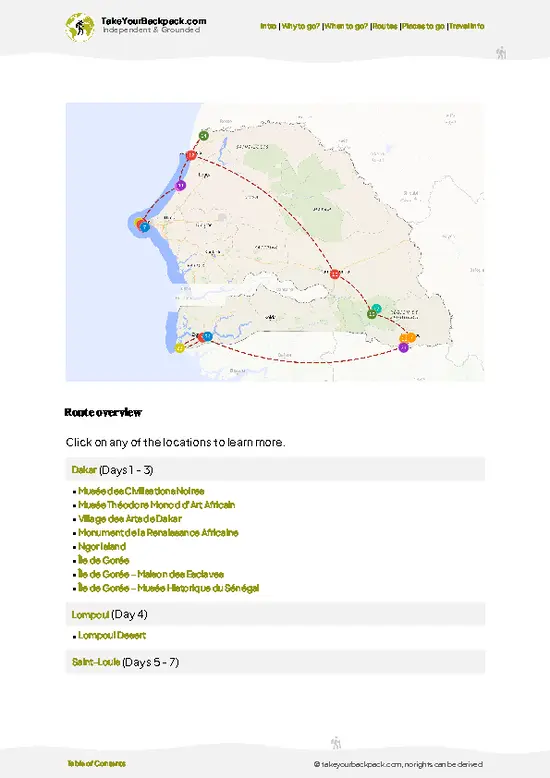
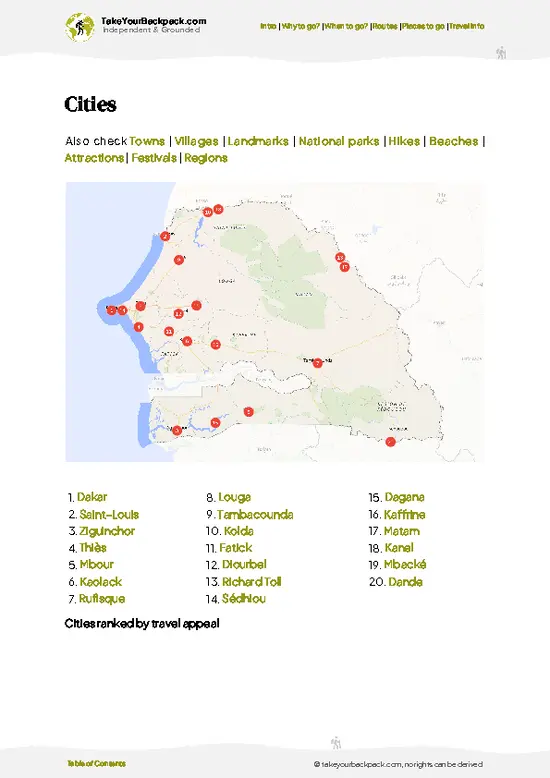
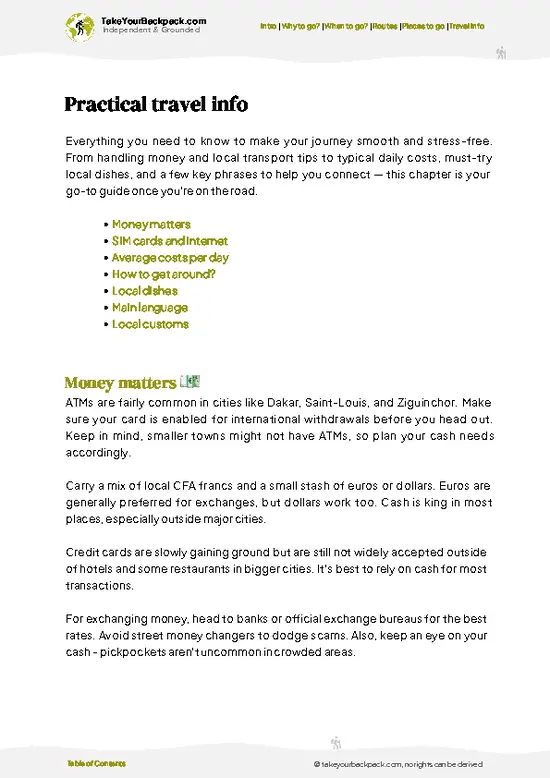
example page 0 from our offline Travel Guide for Senegal
example page 1 from our offline Travel Guide for Senegal
example page 2 from our offline Travel Guide for Senegal
example page 3 from our offline Travel Guide for Senegal
example page 4 from our offline Travel Guide for Senegal
example page 5 from our offline Travel Guide for Senegal
example page 6 from our offline Travel Guide for Senegal
example page 7 from our offline Travel Guide for Senegal
The digital guide (380 pages) contains:
93 highlights, ranked by travel appeal
Optimized 5, 10 & 15-day travel routes
Cities, national parks, landmarks, beaches
How to get around
Offline-friendly for travel without Wi-Fi
👉 Click to see all 30+ guide features

📅 Plan smarter in minutes, not weeks
Month by month travel advice
Festivals & national holidays
Budget expectations

🗺️ Go to the right places, skip the overrated ones
Honest pros & cons of destinations
Top hikes, parks & viewpoints
Lesser-known places most travelers miss
Clear “worth it vs skip it” guidance

🛏️ Travel smoothly without rookie mistakes
Best areas to stay
Transport systems explained simply
Common scams & safety advice
SIM cards, money & practical tips

🌍 Understand the country, not just visit it
Culture & traditions
52 Essential phrases & customs
Festivals worth planning around
Traveler-friendly historical context
Insights that make places more meaningful

📱 Built for real travel conditions
Fully downloadable PDF
Works completely offline
Optimized for phone use
Useful in remote areas & buses
Everything in one place
Save weeks of stressful planning
Get instant access to your full guide. 30‑day money-back guarantee.
+ Add another guide for just US$7.80

By proceeding you agree to our terms.
Sent to your inbox immediately after payment • 100% Secure Checkout
Best Backpacking Travel Advisor 2025 tourism awardBest Backpacking
Travel Advisor
2025
What others say about Take Your Backpack Guides:
⭐⭐⭐⭐⭐
Fantastic, amazing amount of information!
⭐⭐⭐⭐⭐
My goodness this is amazing, it's what I've been looking for hats off too you!
⭐⭐⭐⭐⭐
I think this is absolutely BRILLIANT
⭐⭐⭐⭐
Very complete and informative. It's still missing places, but I gotta to commend you
⭐⭐⭐⭐⭐
This is truly amazing, thank you, can't wait to explore it with my kids!
⭐⭐⭐⭐⭐
Awesome resource, thank you!
⭐⭐⭐⭐⭐
This is amazing! Can't wait to explore the ones I haven't seen
⭐⭐⭐⭐
I love this! Well done, great idea.
⭐⭐⭐⭐⭐
Thanks for taking the time to make this gem!
⭐⭐⭐⭐⭐
This might be the best website I've ever seen.
⭐⭐⭐⭐⭐
Congratulations, and thank you so much for your work; it's incredibly valuable.
⭐⭐⭐⭐
In all seriousness I think you did a great job pointing out the important spots
⭐⭐⭐⭐⭐
10/10 very good
⭐⭐⭐⭐⭐
As someone who's only just starting to visit regularly this is awesome, thank you.
⭐⭐⭐⭐
Thank you very much! I'm going to visit my dad, it's going to be very useful!
⭐⭐⭐⭐⭐
This is really cool! We'll be travelling for the first time and this definitely come in handy.
⭐⭐⭐⭐⭐
You are now our minister of culture, congratulations 👨‍💼
⭐⭐⭐⭐⭐
Just wanted to tell you that this is a pearl! Going to follow your recommendations.
⭐⭐⭐⭐⭐
This is so cool. I'll definitely be using the resource for my travels soon.
⭐⭐⭐⭐⭐
This is very impressive! Good work.
⭐⭐⭐⭐⭐
This is an amazing and informative site. Very well done!

🛏️ Where to stay?How to pick the right area

Joal-Fadiouth’s best backpacker base is the area around the ferry landing on the mainland side, just before you cross to Fadiouth Island. This spot hums with local life—fishermen unloading their catch, women selling fresh fruit, and the scent of ocean salt mixing with smoky fires from street grills. It’s safe, well-trodden by travelers, and offers a handful of budget guesthouses and simple hostels where you can meet other solo adventurers without the touristy crowd.

Why this area? It’s the practical gateway to the island’s unique shell-covered streets and sacred sites, so staying here means you’re … read more 👉
Joal-Fadiouth’s best backpacker base is the area around the ferry landing on the mainland side, just before you cross to Fadiouth Island. This spot hums with local life—fishermen unloading their catch, women selling fresh fruit, and the scent of ocean salt mixing with smoky fires from street grills. It’s safe, well-trodden by travelers, and offers a handful of budget guesthouses and simple hostels where you can meet other solo adventurers without the touristy crowd.

Why this area? It’s the practical gateway to the island’s unique shell-covered streets and sacred sites, so staying here means you’re never scrambling for last-minute transport or missing the soft morning light that makes the island’s mangroves glow. The vibe is relaxed but social, with locals and travelers mingling easily in small cafés and markets. Unlike the quieter residential zones farther inland, this neighborhood pulses with enough energy to keep you connected but not overwhelmed.

Avoid the more isolated parts of Joal or the far edges of Fadiouth Island for lodging. They’re quieter but lack the social buzz and easy access to essentials like food stalls, transport, and fellow backpackers. Here, you get the best of both worlds: a safe, lively base with the raw sensory charm of Senegal’s coastal rhythms right outside your door.

🚌 Getting aroundTransportation options and practical tips

Joal-Fadiouth moves at the pace of the tide—steady, rhythmic, and deeply tied to the natural flow of life. It’s not a place where you’ll find rigid timetables or the buzz of hurried commuters. Instead, the town breathes with a relaxed pulse, where the scent of saltwater mingles with the earthy aroma of mangroves, and the chatter of fishermen blends with the creak of wooden boats. Here, intuition rules over schedules. You’ll find that the best way to get around is to sync with the local rhythm—waiting for the right moment, catching a ride when it feels right, and walking when the light is just so, casting long shadows over the shells that cover Fadiouth Island. Understanding this flow turns what might seem like logistical chaos into a seamless, almost meditative experience.

Walking: The heart … read more 👉
Joal-Fadiouth moves at the pace of the tide—steady, rhythmic, and deeply tied to the natural flow of life. It’s not a place where you’ll find rigid timetables or the buzz of hurried commuters. Instead, the town breathes with a relaxed pulse, where the scent of saltwater mingles with the earthy aroma of mangroves, and the chatter of fishermen blends with the creak of wooden boats. Here, intuition rules over schedules. You’ll find that the best way to get around is to sync with the local rhythm—waiting for the right moment, catching a ride when it feels right, and walking when the light is just so, casting long shadows over the shells that cover Fadiouth Island. Understanding this flow turns what might seem like logistical chaos into a seamless, almost meditative experience.

Walking: The heart of Joal-Fadiouth is best explored on foot. The town’s compact size and flat terrain make walking not just practical but essential. Strolling along the shell-covered streets of Fadiouth Island, you’ll catch the salty breeze and hear the soft crunch beneath your boots. Walking is free, obviously, and allows you to absorb the town’s textures and sounds at your own pace. It’s the best way to discover tucked-away markets and the wooden bridges connecting the island to the mainland.

Local Pirogues (Wooden Canoes): These are the lifeblood of transport between Joal and Fadiouth Island. They don’t run on a strict schedule but depart when full or when the tide allows. Expect to pay a few hundred CFA francs (less than a dollar), and the ride lasts about 5-10 minutes. The boats are open-air, so prepare for sun and spray. This mode is not just transit; it’s a sensory immersion—feel the rocking motion, smell the brine, and watch the light dance on the water.

Shared Taxis (Clandos): For trips beyond the immediate town, shared taxis are the budget traveler’s go-to. They leave when full, so timing is flexible but unpredictable. Fares are cheap, usually a few hundred CFA francs depending on distance. The vehicles are often old and packed, so comfort is minimal, but the experience is authentic and fast compared to walking or pirogue rides. Use these for reaching nearby villages or the busier hubs outside Joal.

Bicycles: Renting a bicycle is a smart way to cover more ground without losing the intimacy of local travel. Rentals are affordable, and the flat landscape makes pedaling easy. You can explore the mangrove edges or the outskirts of Joal at your own pace, with the added bonus of catching the scent of wet earth and the occasional burst of bird calls. Bikes give you freedom without the noise or expense of motorized transport.

Motorbike Taxis: If you’re in a hurry or carrying gear, motorbike taxis offer a quick, if slightly wild, ride. They’re more expensive than shared taxis but still budget-friendly. Drivers navigate the narrow streets and shell paths with ease, and the wind in your face adds a rush to the sensory experience. Negotiate the fare upfront—expect to pay a bit more for night rides or longer distances.

Mastering Joal-Fadiouth’s transit means embracing its fluid, sensory-driven pace. The town’s charm isn’t just in where you go but how you get there—each step, splash, and pedal stroke deepens your connection to this unique coastal rhythm.

👛 Costs (as of 3 September 2026)What things cost and how to budget

Backpacking in Joal-Fadiouth, Senegal, offers a raw, authentic experience where your budget stretches further than in bigger cities, but the charm comes with a few practical realities.
  • Dorm Accommodation: Expect to pay around €8 to €15 per night for a basic dorm bed or a simple guesthouse room. Options are limited and often family-run, so the vibe is intimate but amenities are minimal—think mosquito nets and shared bathrooms.
  • Meals: Local eateries serve up fresh seafood and traditional Senegalese dishes for about €3 to €6 per meal. Street food is even cheaper, around €1.50 to €3, with flavors that hit the senses—smoky grilled fish, tangy yassa, and the earthy aroma of fresh herbs.
  • Local Transport: Getting around mostly means shared taxis or pirogues (small boats) between the islands. Budget
read more 👉
Backpacking in Joal-Fadiouth, Senegal, offers a raw, authentic experience where your budget stretches further than in bigger cities, but the charm comes with a few practical realities.
  • Dorm Accommodation: Expect to pay around €8 to €15 per night for a basic dorm bed or a simple guesthouse room. Options are limited and often family-run, so the vibe is intimate but amenities are minimal—think mosquito nets and shared bathrooms.
  • Meals: Local eateries serve up fresh seafood and traditional Senegalese dishes for about €3 to €6 per meal. Street food is even cheaper, around €1.50 to €3, with flavors that hit the senses—smoky grilled fish, tangy yassa, and the earthy aroma of fresh herbs.
  • Local Transport: Getting around mostly means shared taxis or pirogues (small boats) between the islands. Budget €1 to €3 per trip. The pace is slow, the air salty, and the views of mangroves and fishing boats make the ride part of the adventure.
  • Basic Activities/Entry Fees: Exploring the shell island and local markets is mostly free, but guided tours or entry to certain cultural sites can cost €2 to €5. These small fees support the community and offer deeper insight into the island’s unique history and ecology.
  • Miscellaneous Expenses: Factor in about €2 to €4 for bottled water, snacks, or occasional phone credit. Electricity can be spotty, so a power bank or solar charger might be a worthwhile investment.

All told, you’re looking at roughly €15 to €30 per day to cover the essentials in Joal-Fadiouth. This range lets you live comfortably without cutting corners, soaking in the slow rhythm of island life while keeping your wallet intact.


source: senegal-tourism.com
⚠️ Prices can change and everyone travels differently, so take this as a rough guide. Hope it helps you plan your adventure!

🚌 Day tripsShort trips worth adding

Joal-Fadiouth is a fantastic base for exploring the rich tapestry of Senegal’s culture and landscapes. With its vibrant local life and easy access to stunning destinations, you’re in for a treat. Here are some day trips that truly deliver.

1. Gorée Island
Just a short ferry ride from Dakar, Gorée Island is steeped in history. The island’s cobblestone streets and pastel-colored buildings whisper tales of the slave trade. Spend a few hours wandering through the Maison des Esclaves, where you can feel the weight of the past. The ferry takes about 20 minutes, and you’ll want to budget around $15 for the round trip. Early morning is best to avoid crowds and soak in the serene atmosphere. A common mistake? Many rush through the island; take your time to absorb its poignant history.


2. Saly read more 👉
Joal-Fadiouth is a fantastic base for exploring the rich tapestry of Senegal’s culture and landscapes. With its vibrant local life and easy access to stunning destinations, you’re in for a treat. Here are some day trips that truly deliver.

1. Gorée Island
Just a short ferry ride from Dakar, Gorée Island is steeped in history. The island’s cobblestone streets and pastel-colored buildings whisper tales of the slave trade. Spend a few hours wandering through the Maison des Esclaves, where you can feel the weight of the past. The ferry takes about 20 minutes, and you’ll want to budget around $15 for the round trip. Early morning is best to avoid crowds and soak in the serene atmosphere. A common mistake? Many rush through the island; take your time to absorb its poignant history.


2. Saly Portudal
If you’re craving some beach time, head to Saly Portudal, just an hour away. This coastal town offers a lively beach scene with local vendors selling fresh grilled fish and colorful crafts. The soft sand and gentle waves make it perfect for a relaxing day. Expect to spend around $10 on transport and a few bucks for food. Late afternoon is ideal for catching the sunset, but don’t forget your sunscreen! First-timers often overlook the local eateries; skip the tourist traps and dive into the authentic flavors.


3. The Pink Lake (Lac Rose)
A surreal sight, Lac Rose is famous for its striking pink waters, especially during the dry season. It’s about a 90-minute drive from Joal-Fadiouth. The lake’s color comes from algae, and the sight is nothing short of mesmerizing. Plan to spend around $20 for transport and entry. Visit in the morning to see the fishermen at work, and don’t miss the chance to dip your toes in the salt-rich water. A common pitfall? Many visitors forget to bring water; it can get hot out there!
👉 Explore Lac Rose

4. Bandia Reserve
For a taste of Senegal’s wildlife, Bandia Reserve is a must. Just under an hour away, this reserve is home to giraffes, zebras, and various antelope. A guided tour costs around $30, but it’s worth it for the insights. Early morning is best for spotting animals, and the light is perfect for photos. Many first-timers underestimate the reserve’s size; plan to spend a few hours exploring.


Each of these trips offers a unique slice of Senegal, making your time in Joal-Fadiouth not just a stopover, but a gateway to adventure.
Want to know what more Senegal offers?
The Senegal Travel Guide describes 93 highlights, from cities to national parks, from beaches to hikes

Get the Travel Guide -

🛡️ SafetyStaying Safe: What Travelers Should Know

Joal-Fadiouth is generally safe, but a few simple practices can enhance your experience. The vibrant market area can get crowded, so keep your belongings close. A crossbody bag works wonders; it’s less conspicuous and easier to manage in tight spaces.

If you’re wandering solo, especially after dark, stick to well-lit areas and main streets. The atmosphere shifts at night, and while locals are friendly, it’s wise to maintain awareness.

Scams are rare, but some vendors may inflate prices for tourists. A friendly smile and a bit of bargaining can go a long way. If someone offers unsolicited guidance, politely decline; they might expect compensation.

Annoyances like persistent touts can pop up, especially near the ferry terminal. A firm but friendly “no, thank you” usually does the trick. … read more 👉
Joal-Fadiouth is generally safe, but a few simple practices can enhance your experience. The vibrant market area can get crowded, so keep your belongings close. A crossbody bag works wonders; it’s less conspicuous and easier to manage in tight spaces.

If you’re wandering solo, especially after dark, stick to well-lit areas and main streets. The atmosphere shifts at night, and while locals are friendly, it’s wise to maintain awareness.

Scams are rare, but some vendors may inflate prices for tourists. A friendly smile and a bit of bargaining can go a long way. If someone offers unsolicited guidance, politely decline; they might expect compensation.

Annoyances like persistent touts can pop up, especially near the ferry terminal. A firm but friendly “no, thank you” usually does the trick. Embrace the local pace, and remember: patience is part of the journey. Enjoy the rhythm of life here, and you’ll find the charm outweighs any minor hiccups.

FAQTraveler FAQ

Yes, Joal-Fadiouth is worth visiting for its unique blend of cultural heritage and natural beauty, especially the shell island of Fadiouth and its impressive cemeteries. It offers a rare glimpse into Senegalese Serer culture and traditional fishing village life.
Two days are sufficient to explore Joal-Fadiouth thoroughly, including the shell island, the wooden bridge, local markets, and the twin cemeteries. This allows time to enjoy the relaxed pace and take in the coastal scenery without rushing.
Yes, Joal-Fadiouth can be visited as a day trip from Dakar, which is about 100 kilometers away and takes around 2 to 3 hours by car or bus. Starting early allows enough time to explore the main attractions and return the same day.
⚠️ Things can change over time, so always validate details locally before you go.

Other Senegalese towns near Joal-Fadiouth

Explore more nearby:

  • Foundiougne—River ferry, colonial buildings, mangrove forests| 42 km away
  • Toubacouta—Delta lodges, birdwatching, eco-tours| 61 km away
  • Toubakouta—Saloum Delta, mangrove islands, fishing villages| 61 km away

💡 Not sure where to go next?
Create a personalized itinerary for Senegal including Joal-Fadiouth and the places that fit your trip.

Generate my itinerary

👉 Discover all towns

Or checkout all Senegal has to offer (think cities, towns, villages, national parks, hikes, beaches, festivals)
Country photo of Senegal

We 💚 feedbackFinal thoughts on visiting Joal-Fadiouth

Joal-Fadiouth has a rhythm that pulls you in. The salty air mingles with the laughter of locals, creating a vibe that feels both alive and laid-back. Don’t miss the shell island; it’s a quirky surprise that reveals the town’s unique charm. Just be mindful of the tides when you visit—timing is everything. Embrace the slow pace, chat with fishermen, and let the simplicity wash over you. This place isn’t just a stop; it’s a moment to savor.

✍️ Help improve this page!
The information on this page is based on in-depth research, insights shared by experienced travelers, and feedback from the local travel community in Senegal. While every effort is made to keep the information accurate and current, conditions can change — so if you spot anything incorrect or outdated, please get in touch.


🙋‍♂️ Give feedback

👋 Meet the founderWho’s Behind Take Your Backpack?

Johan, backpacker and founder of TakeYourBackpackHi, I’m Johan (Netherlands 🇳🇱), the creator of TakeYourBackpack. Over the past decade, I’ve backpacked through 80+ countries across six continents, gaining extensive experience with independent travel, long-term trips, and overland routes.

This site is built on a combination of firsthand travel experience and carefully curated insights from other backpackers. Many guides are based on places I’ve personally visited, while others bring together tips, observations, and practical advice shared by trusted travelers I’ve met along the way.

The goal is to provide realistic, experience-driven guidance — not generic itineraries — so you can explore destinations with better context, clearer expectations, and more confidence.

Get full Senegal guide •
Instant download • 93 highlights • Full Offline guide