v2.webp)
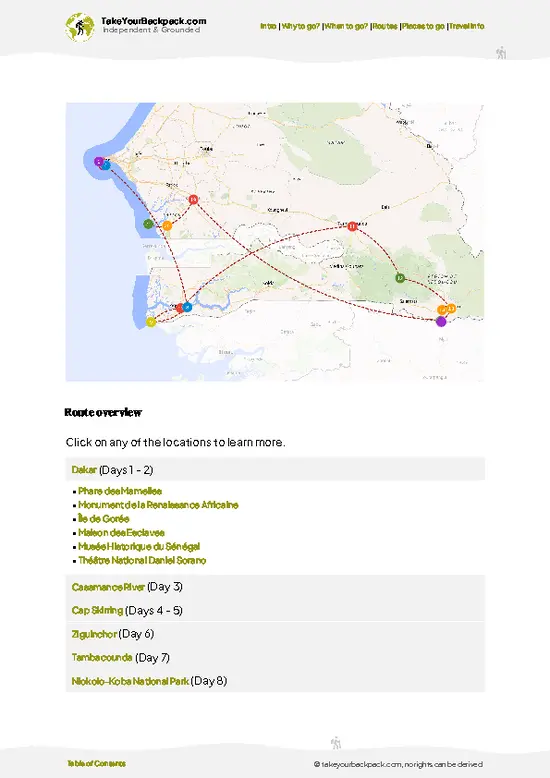
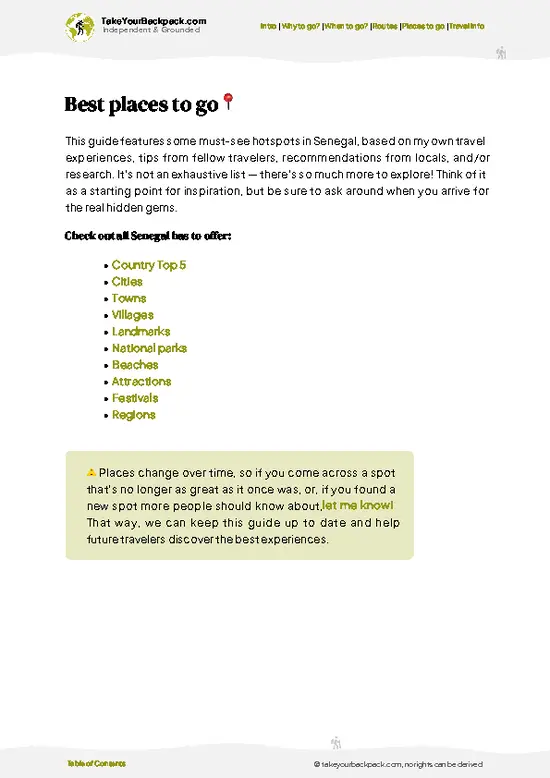
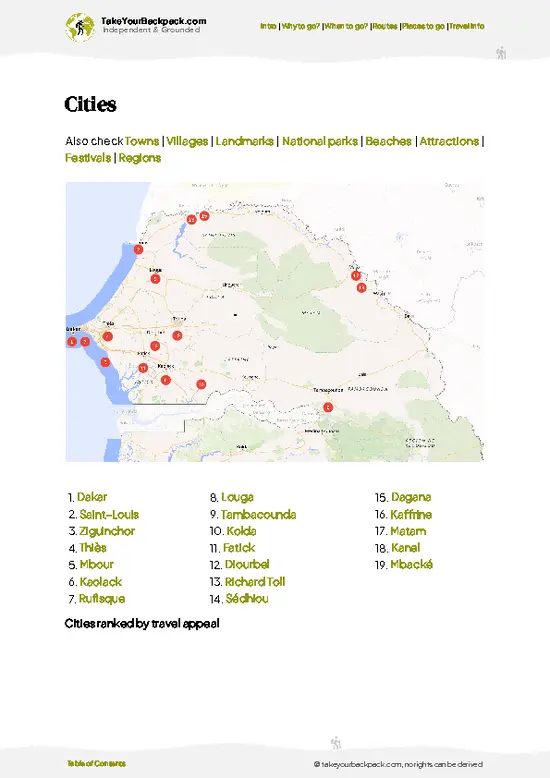
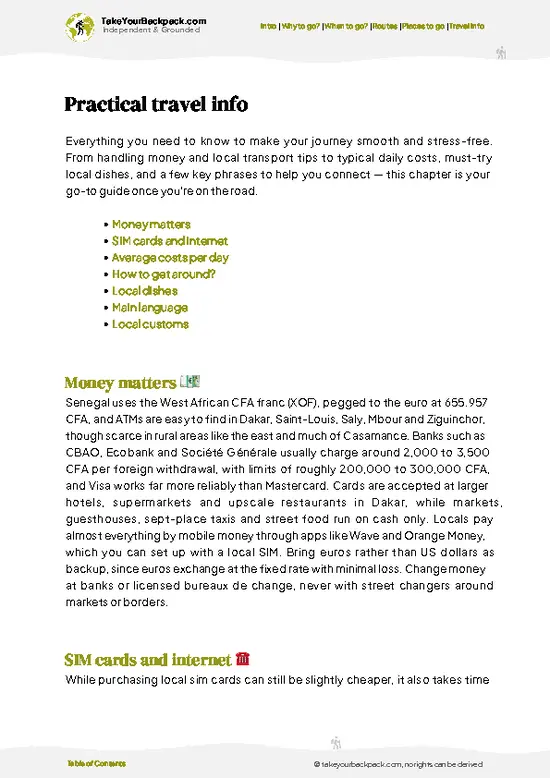
- Kolda Weekly Market (Louma): The town’s best-known scene, with Fula traders, livestock, textiles, spices and household goods spread across dusty lanes. Go in the morning while it is busiest. Entry is free, and 1 to 2 hours is plenty.
- Casamance River Banks: Quiet stretches where fishers work and women wash clothes. Late afternoon is the coolest and most atmospheric time. Free, about an hour.
- Central Mosque: A prominent landmark in the town center that shows the strong Muslim character of the Fula community. Visit outside prayer times and dress modestly. Free, 20 to 30 minutes.
- Artisan Quarter and Craft Stalls: Weavers, tailors and leatherworkers produce Fula-style fabrics and goods. Mornings are best for seeing work in progress. Browsing is free, and small purchases cost about €2 to 10. Allow
- Kolda Weekly Market (Louma): The town’s best-known scene, with Fula traders, livestock, textiles, spices and household goods spread across dusty lanes. Go in the morning while it is busiest. Entry is free, and 1 to 2 hours is plenty.
- Casamance River Banks: Quiet stretches where fishers work and women wash clothes. Late afternoon is the coolest and most atmospheric time. Free, about an hour.
- Central Mosque: A prominent landmark in the town center that shows the strong Muslim character of the Fula community. Visit outside prayer times and dress modestly. Free, 20 to 30 minutes.
- Artisan Quarter and Craft Stalls: Weavers, tailors and leatherworkers produce Fula-style fabrics and goods. Mornings are best for seeing work in progress. Browsing is free, and small purchases cost about €2 to 10. Allow 1 hour.
- Cattle Crossing Roads at Dusk: Herds are driven back into town along the main roads as the day cools, with dust, bells and shouting herders. Free, 30 to 45 minutes.
- Evening Food Stalls: Grilled meat, fried dough and sweet tea are served around the center after dark. A meal costs about €1 to 3, and 45 minutes is enough.
Spotted a mistake or missing something? Contact us.

 Best Backpacking
.jpg) Hi, I’m Johan (Netherlands 🇳🇱), the creator of TakeYourBackpack. Over the past 3 decades, I’ve backpacked through 90+ countries across six continents, gaining extensive experience with independent travel, long-term trips, and overland routes.
Hi, I’m Johan (Netherlands 🇳🇱), the creator of TakeYourBackpack. Over the past 3 decades, I’ve backpacked through 90+ countries across six continents, gaining extensive experience with independent travel, long-term trips, and overland routes.