×

Sierra Leone🇸🇱 | regionsFreetown Peninsulaurban beaches, hillside neighborhoods, cotton tree, city markets | things to do and best time to go

Explore Kambui Hills Forest ReserveExplore Kono District

Backpacking in Freetown Peninsula
🏆 Top pickregion ranked #1
By Johan Kruseman 🇳🇱 | Updated September 3, 2026

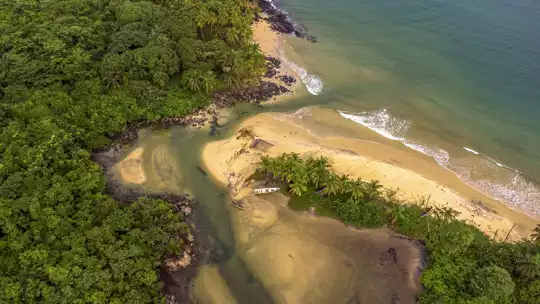
A decade ago, Freetown Peninsula was the kind of place you’d hear about from a Peace Corps volunteer or a surfer who’d lost track of time. No resorts, no Instagram crowds—just wild beaches, forested hills, and the occasional goat traffic jam. Fast-forward to today: the secret’s out, but not blown wide open. You’ll still find stretches of sand where your only company is a fisherman mending his nets, but now there’s a handful of eco-lodges and reggae bars, especially around River No. 2 and Bureh Beach. The peninsula hugs the Atlantic just south of Sierra Leone’s capital, Freetown, and it’s the country’s go-to for anyone craving a mix of jungle, mountains, and some of West Africa’s best beaches. Backpackers get a raw, real vibe—cheap eats, bumpy roads, and a patchwork of Krio, Temne, and expat energy. It’s less polished than the Banana Islands, more alive than sleepy Tokeh, and still light-years from feeling overrun. If you want authenticity with a side of adventure, this is Sierra Leone’s ace.

Discover everything you want to know in the 📖 Sierra Leone Travel Guide.
Loading the map 🌍
CLICK TO FILTER
cities
towns
landmarks
national parks
hikes
beaches
attractions
festivals
regions
SHOW COUNTRY’S BESTSHOW ALL

✨ Why go?
Ranked #1 region in Sierra Leone
Reasons people choose to visit here

The Freetown Peninsula in Sierra Leone is a backpacker’s playground, and here’s why savvy travelers flock here. First off, the variety of landscapes is mind-blowing. You’ve got stunning beaches, lush rainforests, and rolling hills all within a stone’s throw. This means you can soak up sun on Tokeh Beach one day and trek through the Bunce Island ruins the next, all without the hassle of constant relocation.

Transport is a breeze. You can hop on a shared taxi or a local bus, giving you the freedom to explore at your own pace. This flexibility is a game-changer, allowing you to linger longer in places that catch your eye.

But it’s not just about nature; it’s about culture too. The peninsula is rich in history and local life. You can engage with communities, sample street food, and dance to … read more 👉
The Freetown Peninsula in Sierra Leone is a backpacker’s playground, and here’s why savvy travelers flock here. First off, the variety of landscapes is mind-blowing. You’ve got stunning beaches, lush rainforests, and rolling hills all within a stone’s throw. This means you can soak up sun on Tokeh Beach one day and trek through the Bunce Island ruins the next, all without the hassle of constant relocation.

Transport is a breeze. You can hop on a shared taxi or a local bus, giving you the freedom to explore at your own pace. This flexibility is a game-changer, allowing you to linger longer in places that catch your eye.

But it’s not just about nature; it’s about culture too. The peninsula is rich in history and local life. You can engage with communities, sample street food, and dance to the rhythms of Sierra Leonean music. This blend of nature and culture makes for a richer travel experience, perfect for those who want to immerse themselves rather than just skim the surface.

In short, the Freetown Peninsula offers a unique mix of adventure and authenticity, making it a must-visit for any backpacker.
Want to include Freetown Peninsula in your Sierra Leone route?
Create a personalized Sierra Leone itinerary that includes Freetown Peninsula and the places that fit your trip — based on your travel style, budget, and available time. Get your route in seconds.

Generate my trip

💡 HighlightsTop highlights of Freetown Peninsula

  1. Western Area Peninsula National Park — The peninsula’s green heart: lowland rainforest, short hiking trails and monkeys within easy reach of Freetown. It’s where city noise drops away and you can wander real coastal forest that you won’t find shoved up against a capital like this anywhere else.
  2. Sugar Loaf / Mount Aureol ridge — A compact, steep hike that pays off with sweeping views over Freetown harbour and the Atlantic. The exposed ridgeline and pocketed forest make for dramatic sunrise/sunset photos that feel very specific to this landscape.
  3. Bureh Beach — The peninsula’s best-known surf break: a sand-and-rock bay with a local surf vibe, mangrove creeks to explore and small beach camps. It’s where Sierra Leoneans and visiting surfers actually mingle rather than just watching each other
read more 👉
  1. Western Area Peninsula National Park — The peninsula’s green heart: lowland rainforest, short hiking trails and monkeys within easy reach of Freetown. It’s where city noise drops away and you can wander real coastal forest that you won’t find shoved up against a capital like this anywhere else.
  2. Sugar Loaf / Mount Aureol ridge — A compact, steep hike that pays off with sweeping views over Freetown harbour and the Atlantic. The exposed ridgeline and pocketed forest make for dramatic sunrise/sunset photos that feel very specific to this landscape.
  3. Bureh Beach — The peninsula’s best-known surf break: a sand-and-rock bay with a local surf vibe, mangrove creeks to explore and small beach camps. It’s where Sierra Leoneans and visiting surfers actually mingle rather than just watching each other from a sunbed.
  4. Tokeh Beach — A long, wild stretch of sand with rock pools, fishing boats hauled up on the strand and low-key beach shacks. Great for long walks, dramatic sunsets and seeing how coastal fishing villages still operate along the peninsula.
  5. Lumley Beach — Freetown’s city-facing beach: lively, easy to reach and full of street-food sellers, drumming circles and local weekend life. It’s the best place to feel the city’s seaside tempo without leaving town.
  6. Aberdeen fishing harbour & fish market — Boats, canoes and raw seafood action right on the water. Watch landings, buy fish straight off the boat or hang with fish smokers and sellers — a sensory, very local way to experience the peninsula’s coastal economy.
  7. River No. 2 Beach — Hidden gem: quieter than Lumley or Tokeh, this sandy curve backed by small villages and tidal pools is a favorite for locals who want space. Good for a peaceful swim, simple beachside food and an undisturbed shoreline walk.
  8. Kroo Bay canoe lanes and smokehouses — Hidden gem: a working, densely packed coastal community where artisanal fishing and fish-smoking happen right beside the city. Visiting respectfully (ideally with a local guide) gives a raw, unforgettable look at everyday coastal life.
  9. Regent Hill viewpoint and village trails — Hidden gem: short village trails that climb to viewpoints showing the peninsula’s mix of forest, villages and sea. Locals use these paths for errands and exercise; they’re great for sunrise walks and quick introductions to rural life close to the capital.
  10. Kissy mangroves and estuary walks — Hidden gem: the quieter, muddy side of the peninsula where mangrove creeks, estuarine birds and hardworking fishing skiffs dominate the scene. It’s literally a different coast from the Atlantic beaches and worth a guided stroll to see local fishing techniques and birdlife up close.
Spotted a mistake or missing something? Contact us.

⌛️ 5 daysSeeing the highlights in 5 days

Day 1: Freetown
The moment you land in Freetown, you’ll feel the pulse of the city. The transport system here is a mix of shared taxis and motorbikes, which can be chaotic but efficient. Grab a shared taxi to your accommodation; it’s the quickest way to dive into the local vibe. Spend the day exploring the bustling markets and savoring street food. The energy is infectious, and you’ll want to soak it all in before heading to the coast.

Day 2: Banana Island
Take an early morning boat to Banana Island. This isn’t just a getaway; it’s a chance to escape the city’s hustle. The ride is about an hour, and the views are stunning. Once there, you can hike to the old lighthouse or relax on the beach. The island’s laid-back atmosphere is a perfect contrast to Freetown. Plus, the seafood here is … read more 👉
Day 1: Freetown
The moment you land in Freetown, you’ll feel the pulse of the city. The transport system here is a mix of shared taxis and motorbikes, which can be chaotic but efficient. Grab a shared taxi to your accommodation; it’s the quickest way to dive into the local vibe. Spend the day exploring the bustling markets and savoring street food. The energy is infectious, and you’ll want to soak it all in before heading to the coast.

Day 2: Banana Island
Take an early morning boat to Banana Island. This isn’t just a getaway; it’s a chance to escape the city’s hustle. The ride is about an hour, and the views are stunning. Once there, you can hike to the old lighthouse or relax on the beach. The island’s laid-back atmosphere is a perfect contrast to Freetown. Plus, the seafood here is fresh and worth every Leone.

Day 3: Tokeh Beach
Return to Freetown and head to Tokeh Beach. The journey is about an hour by taxi, and it’s a must for sun-seekers. The beach is less crowded, and the waves are inviting. Spend the day lounging or trying out water sports. This is where you can truly unwind and enjoy the coastal beauty.

Day 4: Lakka Beach
From Tokeh, it’s a short taxi ride to Lakka Beach. This spot is a local favorite, and you’ll find fewer tourists here. The vibe is relaxed, and the sunsets are breathtaking. Grab a drink at a beach bar and mingle with locals. This is the kind of place where you can feel the community spirit.

Day 5: Off-Path Reward - Sierra Leone National Museum
Before you leave, take a detour to the Sierra Leone National Museum. It’s a small but rich experience that showcases the country’s history and culture. The museum is easily accessible from Freetown and offers a deeper understanding of the region.

The must-do day? Day 2 on Banana Island. It encapsulates the essence of Sierra Leone: stunning nature, rich culture, and a chance to disconnect from the everyday grind. This trip is about savoring the moments, and Banana Island delivers that in spades.
Turn your Freetown Peninsula visit into an Sierra Leone adventure
Build a complete Sierra Leone route with Freetown Peninsula, hidden gems, must-see destinations, and realistic travel times included.

Generate my trip

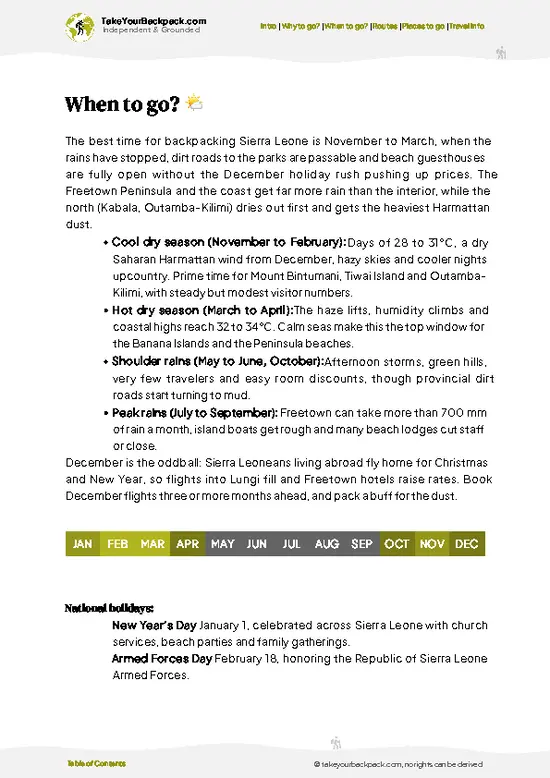
🌤️ When to go?Weather, crowds, and seasonal trade-offs


  • Topic: Weather – The dry season from November to May is your golden window. Expect clear skies and minimal rain, perfect for trekking and beach days. The wet season (June to October) brings heavy, unpredictable downpours that can turn trails into mudslides and wash out plans.

  • Topic: Temperature – Temperatures hover between 24°C and 32°C (75°F to 90°F) year-round. The dry season feels more comfortable with lower humidity, while the wet season’s heat can feel sticky and oppressive, especially if you’re hauling a pack.

  • Topic: Daylight Hours – Near the equator, daylight stays steady around 12 hours daily. Sunrise is roughly 6:00 AM, sunset around 6:00 PM, giving you a reliable window for early starts and late finishes without surprises.

  • Topic: Crowds – The dry season draws the few tourists
read more 👉

  • Topic: Weather – The dry season from November to May is your golden window. Expect clear skies and minimal rain, perfect for trekking and beach days. The wet season (June to October) brings heavy, unpredictable downpours that can turn trails into mudslides and wash out plans.

  • Topic: Temperature – Temperatures hover between 24°C and 32°C (75°F to 90°F) year-round. The dry season feels more comfortable with lower humidity, while the wet season’s heat can feel sticky and oppressive, especially if you’re hauling a pack.

  • Topic: Daylight Hours – Near the equator, daylight stays steady around 12 hours daily. Sunrise is roughly 6:00 AM, sunset around 6:00 PM, giving you a reliable window for early starts and late finishes without surprises.

  • Topic: Crowds – The dry season draws the few tourists who venture here, but crowds remain light compared to other West African hotspots. The wet season sees a sharp drop in visitors, so if solitude is your vibe, that’s your time—just brace for the weather.

  • Topic: Seasonal Activities – Dry months are prime for hiking the peninsula’s rugged trails, exploring beaches, and spotting wildlife. Wet months limit outdoor options but bring lush greenery and fewer people, ideal if you want a quiet, off-the-beaten-path experience.

  • Topic: Price Fluctuations – Expect higher prices during the dry season when demand peaks. Accommodation and transport costs dip in the wet season, but factor in potential delays and cancellations that can eat into your budget and patience.


Pro-tip: Arrive just as the dry season kicks in (November) to snag lower prices before the crowds swell and enjoy the best weather without the premium price tag.


source: climatestotravel.comJANJanuary: excellent for travelingFEBFebruary: excellent for travelingMARMarch: excellent for travelingAPRApril: excellent for travelingMAYMay: highly recommended for travelingJUNJune: fair for travelingJULJuly: fair for travelingAUGAugust: fair for travelingSEPSeptember: fair for travelingOCTOctober: fair for travelingNOVNovember: excellent for travelingDECDecember: excellent for traveling
when-to-go

✈️ The backpacker research shortcutSierra Leone Travel Guide

An offline-friendly backpacking guide with optimized travel routes, ranked highlights, transport advice, and the best areas to stay.
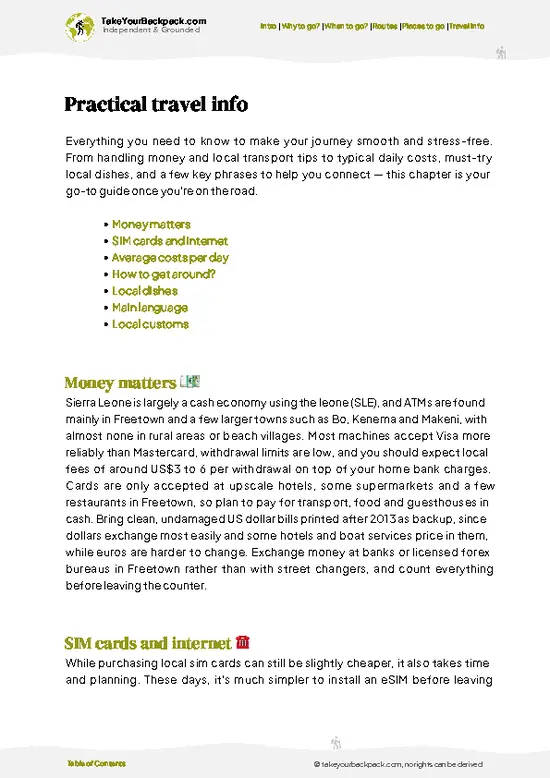
example page 0 from our offline Travel Guide for Sierra Leone
example page 1 from our offline Travel Guide for Sierra Leone
example page 2 from our offline Travel Guide for Sierra Leone
example page 3 from our offline Travel Guide for Sierra Leone
example page 4 from our offline Travel Guide for Sierra Leone
example page 5 from our offline Travel Guide for Sierra Leone
example page 6 from our offline Travel Guide for Sierra Leone
example page 7 from our offline Travel Guide for Sierra Leone
The digital guide (275 pages) contains:
63 highlights, ranked by travel appeal
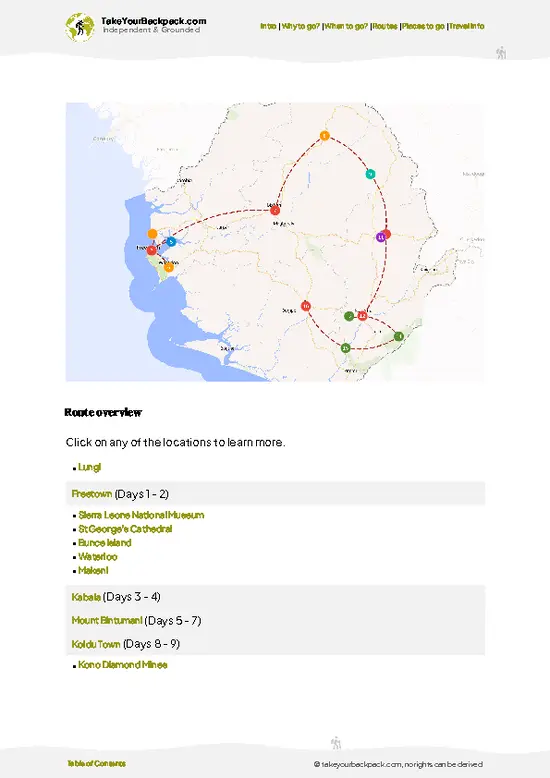
Optimized 5, 10 & 15-day travel routes
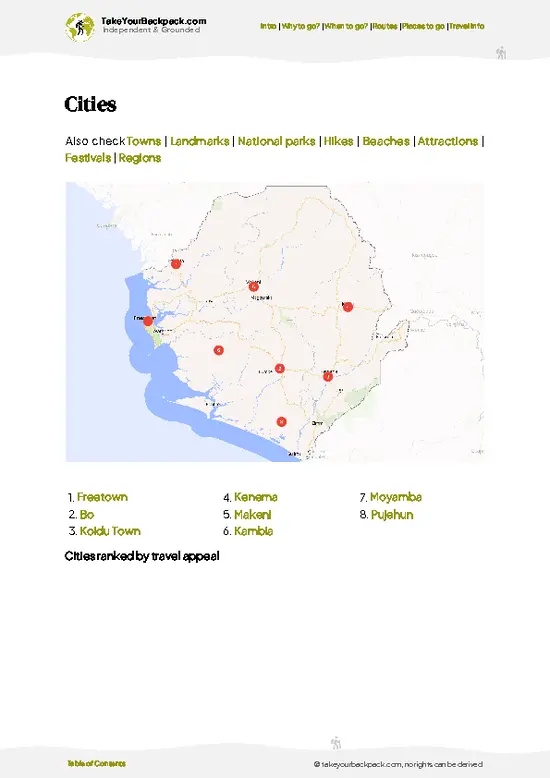
Cities, national parks, landmarks, beaches
How to get around
Offline-friendly for travel without Wi-Fi
👉 Click to see all 30+ guide features

📅 Plan smarter in minutes, not weeks
Month by month travel advice
Festivals & national holidays
Budget expectations

🗺️ Go to the right places, skip the overrated ones
Honest pros & cons of destinations
Top hikes, parks & viewpoints
Lesser-known places most travelers miss
Clear “worth it vs skip it” guidance

🛏️ Travel smoothly without rookie mistakes
Best areas to stay
Transport systems explained simply
Common scams & safety advice
SIM cards, money & practical tips

🌍 Understand the country, not just visit it
Culture & traditions
52 Essential phrases & customs
Festivals worth planning around
Traveler-friendly historical context
Insights that make places more meaningful

📱 Built for real travel conditions
Fully downloadable PDF
Works completely offline
Optimized for phone use
Useful in remote areas & buses
Everything in one place
Save weeks of stressful planning
Get instant access to your full guide. 30‑day money-back guarantee.
+ Add another guide for just US$7.80

By proceeding you agree to our terms.
Sent to your inbox immediately after payment • 100% Secure Checkout
Best Backpacking Travel Advisor 2025 tourism awardBest Backpacking
Travel Advisor
2025
What others say about Take Your Backpack Guides:
⭐⭐⭐⭐⭐
Fantastic, amazing amount of information!
⭐⭐⭐⭐⭐
My goodness this is amazing, it's what I've been looking for hats off too you!
⭐⭐⭐⭐⭐
I think this is absolutely BRILLIANT
⭐⭐⭐⭐
Very complete and informative. It's still missing places, but I gotta to commend you
⭐⭐⭐⭐⭐
This is truly amazing, thank you, can't wait to explore it with my kids!
⭐⭐⭐⭐⭐
Awesome resource, thank you!
⭐⭐⭐⭐⭐
This is amazing! Can't wait to explore the ones I haven't seen
⭐⭐⭐⭐
I love this! Well done, great idea.
⭐⭐⭐⭐⭐
Thanks for taking the time to make this gem!
⭐⭐⭐⭐⭐
This might be the best website I've ever seen.
⭐⭐⭐⭐⭐
Congratulations, and thank you so much for your work; it's incredibly valuable.
⭐⭐⭐⭐
In all seriousness I think you did a great job pointing out the important spots
⭐⭐⭐⭐⭐
10/10 very good
⭐⭐⭐⭐⭐
As someone who's only just starting to visit regularly this is awesome, thank you.
⭐⭐⭐⭐
Thank you very much! I'm going to visit my dad, it's going to be very useful!
⭐⭐⭐⭐⭐
This is really cool! We'll be travelling for the first time and this definitely come in handy.
⭐⭐⭐⭐⭐
You are now our minister of culture, congratulations 👨‍💼
⭐⭐⭐⭐⭐
Just wanted to tell you that this is a pearl! Going to follow your recommendations.
⭐⭐⭐⭐⭐
This is so cool. I'll definitely be using the resource for my travels soon.
⭐⭐⭐⭐⭐
This is very impressive! Good work.
⭐⭐⭐⭐⭐
This is an amazing and informative site. Very well done!

🛏️ Where to stay?Best areas and accommodation options

When you’re roaming the Freetown Peninsula, you want to land in spots that feel alive and welcoming. Start with Freetown itself. It’s the heartbeat of the region, buzzing with energy. You’ll find a mix of locals and travelers, making it easy to strike up conversations. Hit the markets, soak in the street food, and don’t miss the vibrant nightlife.

Next up, Tokeh Beach. This place is a slice of paradise. It’s laid-back, with a community vibe that’s perfect for solo backpackers. You can chill on the sand or join in on beach games. The sunsets here? Worth every minute you spend.

Then there’s … read more 👉
When you’re roaming the Freetown Peninsula, you want to land in spots that feel alive and welcoming. Start with Freetown itself. It’s the heartbeat of the region, buzzing with energy. You’ll find a mix of locals and travelers, making it easy to strike up conversations. Hit the markets, soak in the street food, and don’t miss the vibrant nightlife.

Next up, Tokeh Beach. This place is a slice of paradise. It’s laid-back, with a community vibe that’s perfect for solo backpackers. You can chill on the sand or join in on beach games. The sunsets here? Worth every minute you spend.

Then there’s Lakka Beach. It’s a bit quieter but still social. You’ll find friendly locals and fellow travelers. The atmosphere is relaxed, making it a great spot to unwind after a day of exploring.

Lastly, consider Bureh Beach. It’s a bit off the beaten path, but that’s the charm. You’ll meet surfers and adventurers, all drawn to the waves and the stunning scenery.

Each of these areas offers a unique slice of life on the peninsula. Choose wisely based on what you want—whether it’s the hustle of the city or the chill of the beach.

🚌 Getting aroundHow to get from A to B

The Freetown Peninsula is a vibrant swirl of energy, where the rhythm of life dances between the chaos of bustling markets and the serene embrace of sandy beaches. Here, schedules are more of a suggestion than a rule. You’ll find yourself swept up in the flow, where a shared taxi might leave when it’s full, or a ferry could be delayed by the whims of the tide. This isn’t a place for the rigid planner; it’s a playground for the adventurous spirit. Embrace the unpredictability, and you’ll discover the true heart of Sierra Leone.


  • Shared Taxis: These are your go-to for getting around Freetown. They typically run from early morning until around 8 PM, costing about 5,000 to 10,000 Leones depending on your destination. Expect a lively ride, often packed with locals, and a speed that’s brisk but
read more 👉
The Freetown Peninsula is a vibrant swirl of energy, where the rhythm of life dances between the chaos of bustling markets and the serene embrace of sandy beaches. Here, schedules are more of a suggestion than a rule. You’ll find yourself swept up in the flow, where a shared taxi might leave when it’s full, or a ferry could be delayed by the whims of the tide. This isn’t a place for the rigid planner; it’s a playground for the adventurous spirit. Embrace the unpredictability, and you’ll discover the true heart of Sierra Leone.


  • Shared Taxis: These are your go-to for getting around Freetown. They typically run from early morning until around 8 PM, costing about 5,000 to 10,000 Leones depending on your destination. Expect a lively ride, often packed with locals, and a speed that’s brisk but not reckless.


  • Buses: Local buses are a budget-friendly option, with fares around 3,000 to 5,000 Leones. They operate from dawn until dusk, but don’t expect them to leave on a strict schedule. They’re slower, but you’ll get a real taste of local life as you jostle for space with vendors and fellow travelers.


  • Ferries: For a scenic route, hop on a ferry to nearby beaches like Tokeh or Lakka. They usually run from 8 AM to 5 PM, with tickets costing around 20,000 Leones. The ride is about 30 minutes, offering stunning views of the coastline, but be prepared for delays—ferries operate on “island time.”


  • Motorbike Taxis: If you’re feeling adventurous, motorbike taxis are a quick way to zip through traffic. Prices vary, but expect to pay around 10,000 Leones for a short ride. They’re fast and can navigate the crowded streets, but safety gear is often optional, so proceed with caution.


  • Car Rentals: If you prefer more control, consider renting a car. Prices start around $50 a day, and while it offers comfort and flexibility, be ready for the local driving style, which can be a bit chaotic. Rental services are available at the airport and in the city.


For smooth sailing across the Freetown Peninsula, aim to travel during off-peak hours. Early mornings or late afternoons can save you from the worst of the traffic and give you a chance to soak in the local vibe without feeling rushed. Remember, it’s all about the journey, not just the destination.

🍲 FoodEating & Drinking in Freetown Peninsula

The Freetown Peninsula is a culinary playground where the ocean meets the land, and every meal tells a story. Dive into jollof rice, a vibrant dish bursting with spices, often served with fried plantains and grilled chicken. The pepper soup here is a must-try, warming you from the inside with its rich, aromatic broth. Don’t miss out on cassava leaves, a local favorite, often cooked with fish or meat, bringing a unique, earthy flavor to your plate.

For a true local experience, hit the street food stalls lining the bustling markets. The aroma of grilled fish wafts through the air, mingling with the scent of fried yam. Grab a bowl of groundnut soup from a vendor and savor it while chatting with locals. Cafés are scattered throughout, offering a laid-back vibe where you can sip on palm wine or … read more 👉
The Freetown Peninsula is a culinary playground where the ocean meets the land, and every meal tells a story. Dive into jollof rice, a vibrant dish bursting with spices, often served with fried plantains and grilled chicken. The pepper soup here is a must-try, warming you from the inside with its rich, aromatic broth. Don’t miss out on cassava leaves, a local favorite, often cooked with fish or meat, bringing a unique, earthy flavor to your plate.

For a true local experience, hit the street food stalls lining the bustling markets. The aroma of grilled fish wafts through the air, mingling with the scent of fried yam. Grab a bowl of groundnut soup from a vendor and savor it while chatting with locals. Cafés are scattered throughout, offering a laid-back vibe where you can sip on palm wine or a refreshing ginger beer while people-watching.

Dining here is communal. Expect to share dishes, and don’t be surprised if someone offers you a taste of their meal. It’s all about connection. Just remember to eat with your right hand; it’s a sign of respect. Embrace the flavors, the warmth, and the stories that come with each bite.

FAQFrequently asked questions about Freetown Peninsula

3 to 4 days are sufficient to explore the main attractions of Freetown Peninsula, including beaches, historical sites, and nature reserves. This allows time to visit places like Lumley Beach, Tacugama Chimpanzee Sanctuary, and the Cotton Tree. Additional days may be needed for hiking or more remote areas.
You can get around Freetown Peninsula without a car by using local minibuses called 'okadas' (motorcycle taxis) or shared taxis, which are common and affordable. Walking is also feasible in central areas like Freetown city and nearby beaches. Expect to pay around 5,000 to 10,000 Leones for short okada rides.
Freetown Peninsula is known for its rich history as a settlement for freed slaves, beautiful Atlantic beaches, and biodiversity including the Tacugama Chimpanzee Sanctuary. It also features the Cotton Tree, a symbol of Sierra Leone's founding, and vibrant local markets.
⚠️ Things can change over time, so always validate details locally before you go.

Other Sierra Leonean regions near Freetown Peninsula

Explore more nearby:

  • Bunce Island—fort ruins, mangrove channels, river crossing, colonial relics| 6 km away
  • Kono District—diamond fields, forested hills, rural villages, mining settlements| 212 km away

💡 Not sure where to go next?
Create a personalized itinerary for Sierra Leone including Freetown Peninsula and the places that fit your trip.

Generate my itinerary

👉 Discover all regions

Or checkout all Sierra Leone has to offer (think cities, towns, villages, national parks, hikes, beaches, festivals)
Country photo of Sierra Leone

We 💚 feedbackParting advice and final tips

Freetown Peninsula is a slice of paradise that feels like a well-kept secret. The vibe? Laid-back yet vibrant, with locals who are genuinely welcoming. Don’t miss the beach at Tokeh; it’s a perfect spot for sunset cocktails. The best surprise? The fresh seafood—try the grilled barracuda. Just a heads-up: the roads can be rough, so don’t rush. Embrace the slow pace; it’s part of the charm. You’ll leave with stories that are worth every bump along the way.

✍️ Help improve this page!
The information on this page is based on in-depth research, insights shared by experienced travelers, and feedback from the local travel community in Sierra Leone. While every effort is made to keep the information accurate and current, conditions can change — so if you spot anything incorrect or outdated, please get in touch.


🙋‍♂️ Give feedback

👋 Meet the founderWho’s Behind Take Your Backpack?

Johan, backpacker and founder of TakeYourBackpackHi, I’m Johan (Netherlands 🇳🇱), the creator of TakeYourBackpack. Over the past decade, I’ve backpacked through 80+ countries across six continents, gaining extensive experience with independent travel, long-term trips, and overland routes.

This site is built on a combination of firsthand travel experience and carefully curated insights from other backpackers. Many guides are based on places I’ve personally visited, while others bring together tips, observations, and practical advice shared by trusted travelers I’ve met along the way.

The goal is to provide realistic, experience-driven guidance — not generic itineraries — so you can explore destinations with better context, clearer expectations, and more confidence.

Get full country guide •
Instant download • 63 highlights • Full Offline guide