×

Singapore🇸🇬 | townsClarke QuayRiverside bars, restored warehouses, nightlife hub | things to do and best time to go

Explore Marina BayExplore East Coast

Backpacking in Clarke Quay
🌟 Highlighttown ranked #4
By Johan Kruseman 🇳🇱 | Updated September 23, 2026

Your first real fork in the road at Clarke Quay is this: do you lean into the neon, bass-heavy nightlife, or treat it as a quick, strategic stop to taste the riverfront and move on? That choice matters, because it decides whether you burn your budget on cocktails or keep your energy for the rest of Singapore. Clarke Quay sits along the Singapore River, just upstream from Boat Quay and a short walk or MRT hop from Chinatown and Fort Canning. For backpackers, it’s less a “neighborhood to stay in” and more a concentrated entertainment zone: polished, loud, and easy. It’s incredibly accessible by MRT and on foot, and you’ll find bars, clubs, and some hostels nearby, so meeting people is almost guaranteed. But compared to cheaper, grittier Little India or more character-heavy Kampong Glam, Clarke Quay feels pricier, curated, and more like a one-night layover than a base.

Discover everything you want to know in the 📖 Singapore Travel Guide.


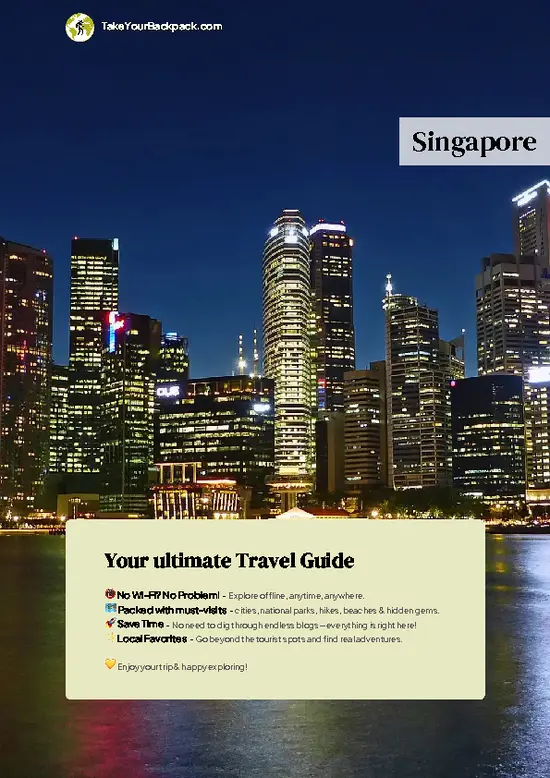
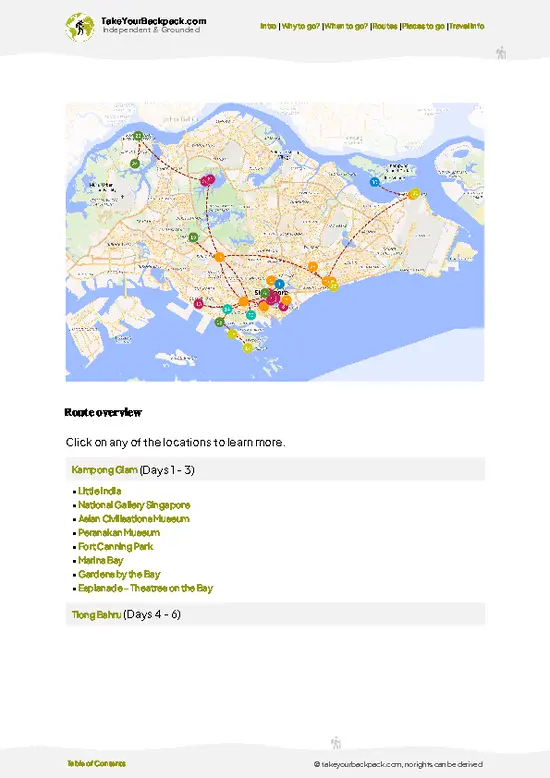
example page 0 from our offline Travel Guide for Singapore
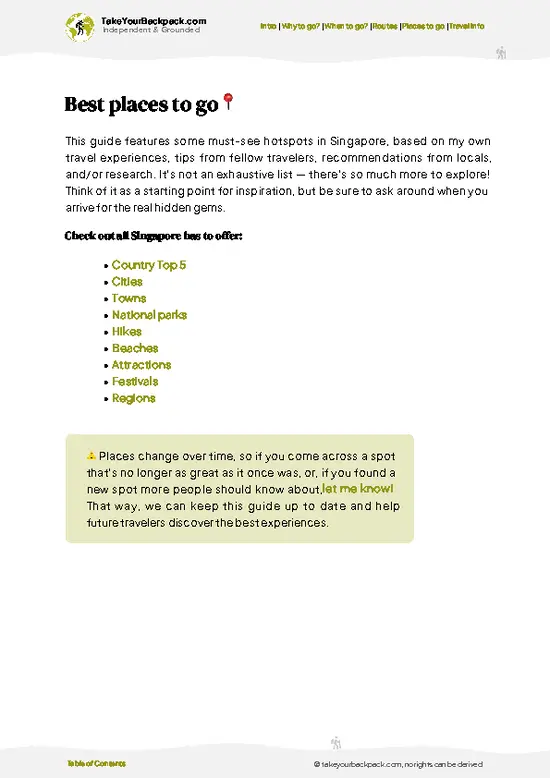
example page 1 from our offline Travel Guide for Singapore
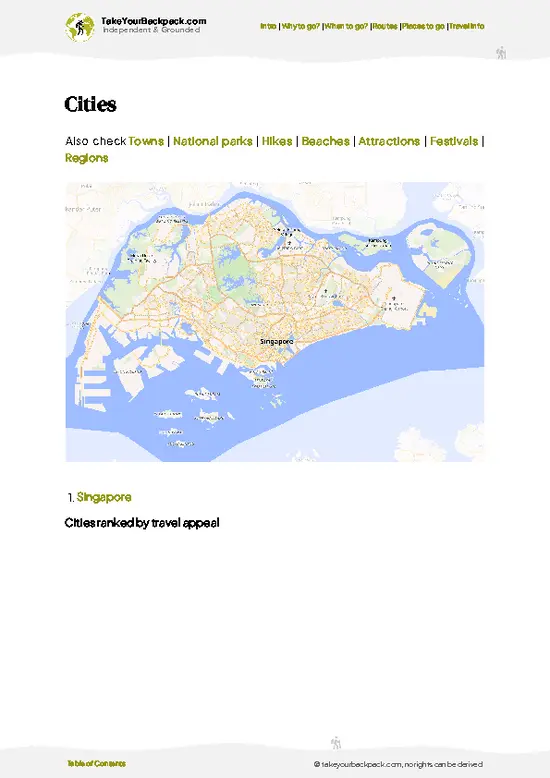
example page 2 from our offline Travel Guide for Singapore
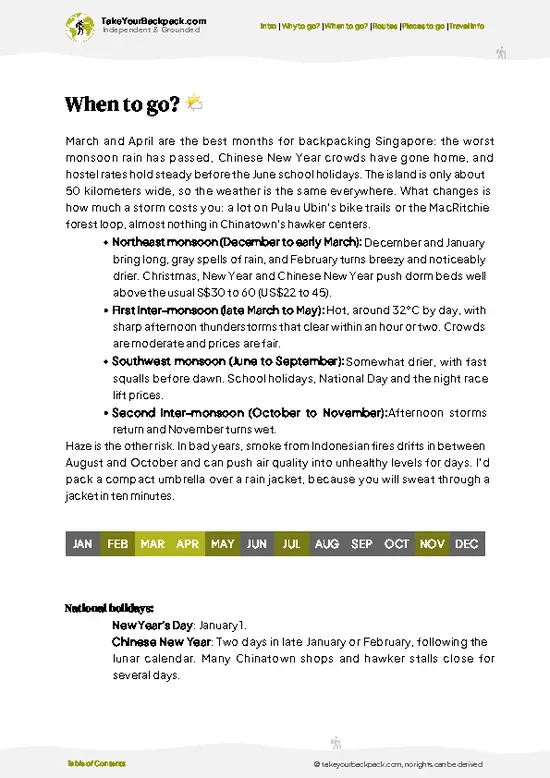
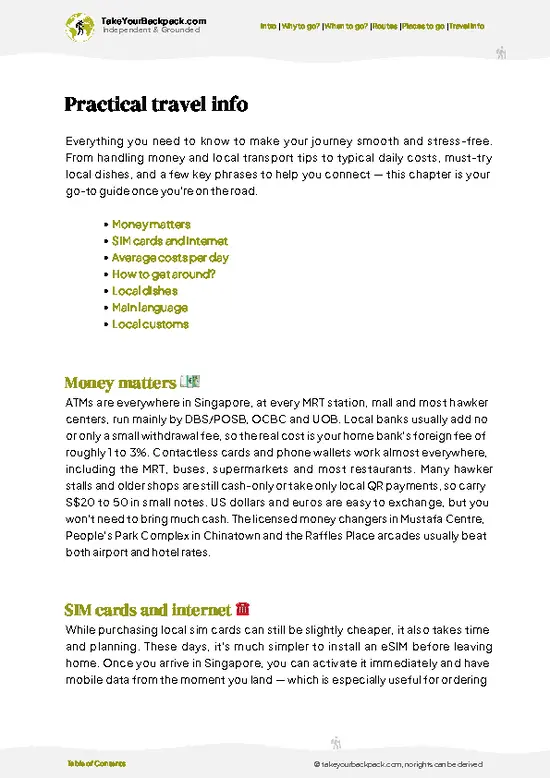
example page 3 from our offline Travel Guide for Singapore
example page 4 from our offline Travel Guide for Singapore
example page 5 from our offline Travel Guide for Singapore
example page 6 from our offline Travel Guide for Singapore
example page 7 from our offline Travel Guide for Singapore
Loading the map 🌍
CLICK TO FILTER
cities
towns
national parks
hikes
beaches
attractions
festivals
regions
SHOW COUNTRY’S BESTSHOW ALL

✨ Why go?
Ranked #4 town in Singapore
Why visitors keep coming back

Clarke Quay draws backpackers for its convenience and vibrant atmosphere. It’s a hub that connects you to nearby hikes and cultural sites. Just a short ride away, you can hit the trails of MacRitchie Reservoir or explore the Botanic Gardens. The walkable streets make it easy to navigate, whether you’re hunting for a local food stall or a cozy café to recharge.

Accommodations here lean toward small-scale hostels and guesthouses, perfect for solo travelers or small groups looking to bond over shared experiences. The vibe is friendly, encouraging interactions among travelers. You’ll find a mix of slow travelers who linger for a few days, soaking in the local culture, and those who stop briefly to refuel before heading to the beaches of Sentosa or the East Coast Park.

While Clarke Quay has its … read more 👉
Clarke Quay draws backpackers for its convenience and vibrant atmosphere. It’s a hub that connects you to nearby hikes and cultural sites. Just a short ride away, you can hit the trails of MacRitchie Reservoir or explore the Botanic Gardens. The walkable streets make it easy to navigate, whether you’re hunting for a local food stall or a cozy café to recharge.

Accommodations here lean toward small-scale hostels and guesthouses, perfect for solo travelers or small groups looking to bond over shared experiences. The vibe is friendly, encouraging interactions among travelers. You’ll find a mix of slow travelers who linger for a few days, soaking in the local culture, and those who stop briefly to refuel before heading to the beaches of Sentosa or the East Coast Park.

While Clarke Quay has its share of nightlife, it’s not overwhelming. Instead, it offers a balanced atmosphere where you can unwind after a day of exploration. This town suits those who appreciate a blend of urban energy and cultural richness, making it a worthwhile stop on your journey.

💡 HighlightsTop highlights of Clarke Quay

  • Clarke Quay riverside shophouses and promenade — The reason most people come: a compact stretch of restored 19th-century warehouses turned into cafés, bars and restaurants. Walking the promenade gives a real feel for the river’s trading past and makes for great people-watching at any hour.
  • Read Bridge — A short, photogenic pedestrian bridge that links the quay to the riverfront. It’s small but historically important: look for heritage plaques and good vantage points for nighttime reflections and riverlife.
  • Clarke Quay Central (The Central) — The mall complex on the quay with practical things — cheap eats, a supermarket, useful shops and an accessible rooftop/terrace area. Good for a quick resupply or an inexpensive meal without abandoning the riverside vibe.
  • Clarke Quay Jetty / Singapore
… read more 👉
  • Clarke Quay riverside shophouses and promenade — The reason most people come: a compact stretch of restored 19th-century warehouses turned into cafés, bars and restaurants. Walking the promenade gives a real feel for the river’s trading past and makes for great people-watching at any hour.
  • Read Bridge — A short, photogenic pedestrian bridge that links the quay to the riverfront. It’s small but historically important: look for heritage plaques and good vantage points for nighttime reflections and riverlife.
  • Clarke Quay Central (The Central) — The mall complex on the quay with practical things — cheap eats, a supermarket, useful shops and an accessible rooftop/terrace area. Good for a quick resupply or an inexpensive meal without abandoning the riverside vibe.
  • Clarke Quay Jetty / Singapore River Cruise boarding point — Where the bumboats and tourist river cruises leave from. Even if you skip the cruise, the jetties are lively, full of boatmen, and a neat way to watch the river’s transport history in action.
  • Jiak Kim Street and the shophouse bar strip — A short side-street packed with old-school shophouses that now house cozy bars and late-night joints. It’s less polished than the main quay and a good spot to sample local nightlife away from the big venues.
  • Clarke Quay’s public art and heritage panels — Scattered installations and informational plaques trace the river’s trading past and immigrant stories. They’re small, easy to miss, but add context and a quieter cultural layer to the bright commercial front.
  • Riverside alfresco dining clusters (Esplanade of eateries) — The grouped outdoor dining areas where you can try hawker-style plates, seafood or international food while seated facing the river. Great for sunset dinners and watching the boat traffic.
  • Event spaces and pop-up markets (check the quay’s calendar) — Clarke Quay frequently hosts seasonal markets, live-music nights and cultural pop-ups. These temporary events often showcase local makers, street food and performances — worth timing a visit around.
  • Independent coffee shops and dessert spots tucked into the conservation rows — Wander the side alleys and you’ll find compact cafés, craft dessert shops and local bakeries operating out of conserved shophouses — perfect for a low-key break and people-watching.
  • Nightlight riverwalk experience — Clarke Quay transforms after dark: colored canopies, reflected neon on the water, and a lively mix of locals and tourists. Walking the riverwalk at night is an experience in itself — noisy, bright, and unmistakably Singaporean.
A few nearby day-trip highlights worth exploring from Clarke Quay are Marina Bay (light shows and the waterfront promenade), Sentosa Island (beaches and attractions), and Pulau Ubin (rustic island trails) — Pulau Ubin is a personal favorite for escaping the city’s bustle.
Spotted a mistake or missing something? Contact us.

Things to do around Clarke Quay

Ratings based on Tripadvisor reviews. When you book through this link, you support our work at no extra cost to you.

🏘️ NeighborhoodsKey areas and districts to know

Clarke Quay is a vibrant hub that pulses with life, making it a prime spot for backpackers seeking both adventure and relaxation. Here’s how to navigate its neighborhoods like a pro:

Clarke Quay Riverside
This area is the heart of the action. The riverside promenade buzzes with energy, especially at night when the bars and restaurants light up. It’s walkable, with easy access to public transport. Perfect for short stays, you can soak in the nightlife without straying far from your bed. Expect a mix of budget-friendly eateries and pricier dining options.

Boat Quay
Just a stone’s throw away, Boat Quay offers a more laid-back vibe. The historic shophouses along the river are charming, and the atmosphere is less frenetic than Clarke Quay. It’s a great spot for a quiet evening stroll or a casual … read more 👉
Clarke Quay is a vibrant hub that pulses with life, making it a prime spot for backpackers seeking both adventure and relaxation. Here’s how to navigate its neighborhoods like a pro:

Clarke Quay Riverside
This area is the heart of the action. The riverside promenade buzzes with energy, especially at night when the bars and restaurants light up. It’s walkable, with easy access to public transport. Perfect for short stays, you can soak in the nightlife without straying far from your bed. Expect a mix of budget-friendly eateries and pricier dining options.

Boat Quay
Just a stone’s throw away, Boat Quay offers a more laid-back vibe. The historic shophouses along the river are charming, and the atmosphere is less frenetic than Clarke Quay. It’s a great spot for a quiet evening stroll or a casual meal. Prices here can be a bit steep, but you can find affordable local dishes if you look closely. Ideal for longer stays, you’ll appreciate the slower pace.

Chinatown
A short walk from Clarke Quay, Chinatown is rich in culture and history. The streets are lined with hawker stalls and shops selling everything from souvenirs to traditional snacks. It’s budget-friendly and offers a unique blend of nightlife and quiet corners. Transport is a breeze, making it easy to explore further afield. Perfect for both short and extended visits, you’ll find plenty to keep you engaged.

⌛️ 1 dayHow to make the most of one day

Clarke Quay is a vibrant riverside hub in Singapore, where the past meets the present. The colorful shophouses and the lively atmosphere pulse with energy, making it a perfect spot to dive into the city’s culture. You’ll find a mix of history, food, and nightlife that’s hard to resist.

Start your morning with a stroll along the Singapore River. The soft light glistens off the water, and the scent of fresh kaya toast wafts from nearby cafes. Grab breakfast at *Toast Box*, where the buttery toast and rich kopi will fuel your day. Afterward, wander over to the *Asian Civilisations Museum*. It’s not on every tourist’s radar, but the exhibits here offer a deep dive into the region’s diverse cultures, making it a worthwhile stop.

As the afternoon unfolds, head to *Fort Canning Park*. The lush … read more 👉
Clarke Quay is a vibrant riverside hub in Singapore, where the past meets the present. The colorful shophouses and the lively atmosphere pulse with energy, making it a perfect spot to dive into the city’s culture. You’ll find a mix of history, food, and nightlife that’s hard to resist.

Start your morning with a stroll along the Singapore River. The soft light glistens off the water, and the scent of fresh kaya toast wafts from nearby cafes. Grab breakfast at *Toast Box*, where the buttery toast and rich kopi will fuel your day. Afterward, wander over to the *Asian Civilisations Museum*. It’s not on every tourist’s radar, but the exhibits here offer a deep dive into the region’s diverse cultures, making it a worthwhile stop.

As the afternoon unfolds, head to *Fort Canning Park*. The lush greenery and historical sites provide a refreshing escape from the urban buzz. Explore the ancient artifacts and enjoy the shade of the trees. If you’re feeling adventurous, take a short walk to *Chinatown*, where you can browse local shops and sample street food. Don’t miss the *Buddha Tooth Relic Temple*; its intricate architecture is a feast for the eyes.

As evening approaches, return to Clarke Quay for dinner. The riverside restaurants come alive with laughter and chatter. Try *Jumbo Seafood* for their famous chili crab; the messy joy of cracking open a crab is part of the experience. Afterward, soak in the nightlife. The bars along the quay buzz with energy, but if you want something different, check out *The Chupitos Bar*, known for its quirky shots and fun atmosphere.

Your day in Clarke Quay will leave you with a sense of connection to Singapore’s vibrant spirit, blending history, culture, and culinary delights into a single, unforgettable experience.

🌤️ When to go?Choosing the right time of year

  • Topic: Weather and Temperature — Clarke Quay bakes in tropical heat year-round, averaging 27-31°C (81-88°F). Expect humidity to cling like a second skin, especially from November to January when monsoon rains roll in. The drier months, February to April, offer a more breathable atmosphere, making evening strolls along the river less sticky and more enjoyable.
  • Topic: Daylight Hours — Near the equator, daylight stays steady around 12 hours year-round, with sunrise near 7 AM and sunset close to 7 PM. This consistency means you can plan your days without worrying about shifting light, but the evenings are where Clarke Quay truly comes alive.
  • Topic: Crowds — Weekends and public holidays pack Clarke Quay with locals and tourists chasing nightlife and river views. To dodge the crush, aim for
… read more 👉
  • Topic: Weather and Temperature — Clarke Quay bakes in tropical heat year-round, averaging 27-31°C (81-88°F). Expect humidity to cling like a second skin, especially from November to January when monsoon rains roll in. The drier months, February to April, offer a more breathable atmosphere, making evening strolls along the river less sticky and more enjoyable.
  • Topic: Daylight Hours — Near the equator, daylight stays steady around 12 hours year-round, with sunrise near 7 AM and sunset close to 7 PM. This consistency means you can plan your days without worrying about shifting light, but the evenings are where Clarke Quay truly comes alive.
  • Topic: Crowds — Weekends and public holidays pack Clarke Quay with locals and tourists chasing nightlife and river views. To dodge the crush, aim for weekday evenings or early nights during the off-peak months of May to September, when the vibe is lively but not overwhelming.
  • Topic: Seasonal Activities — The Great Singapore Sale (June-July) and the Singapore Food Festival (July) bring buzz and deals but also crowds. If you want the energy without the elbow room sacrifice, visit just before or after these events.
  • Topic: Price Fluctuations — Accommodation and dining prices spike during major festivals and year-end holidays. Booking in the shoulder months (February-April, August-October) can save you cash while still enjoying pleasant weather and manageable crowds.
Pro-tip: Hit Clarke Quay just as the sun dips below the skyline in the drier months—cooler air, fewer crowds, and the neon lights reflecting off the river make the wait for the nightlife worth every sticky step.


source: climatestotravel.comJANJanuary: fair for travelingFEBFebruary: highly recommended for travelingMARMarch: highly recommended for travelingAPRApril: highly recommended for travelingMAYMay: good for travelingJUNJune: good for travelingJULJuly: good for travelingAUGAugust: good for travelingSEPSeptember: good for travelingOCTOctober: highly recommended for travelingNOVNovember: fair for travelingDECDecember: fair for traveling
when-to-go

✈️ The backpacker research shortcutSingapore Travel Guide

An offline-friendly backpacking guide with optimized travel routes, ranked highlights, transport advice, and the best areas to stay.
example page 0 from our offline Travel Guide for Singapore
example page 1 from our offline Travel Guide for Singapore
example page 2 from our offline Travel Guide for Singapore
example page 3 from our offline Travel Guide for Singapore
example page 4 from our offline Travel Guide for Singapore
example page 5 from our offline Travel Guide for Singapore
example page 6 from our offline Travel Guide for Singapore
example page 7 from our offline Travel Guide for Singapore
The digital guide (246 pages) contains:
✅ 63 highlights, ranked by travel appeal
✅ Optimized 5, 10 & 15-day travel routes
✅ Cities, national parks, landmarks, beaches
✅ How to get around
✅ Offline-friendly for travel without Wi-Fi
👉 Click to see all 30+ guide features

📅 Plan smarter in minutes, not weeks
✅ Month by month travel advice
✅ Festivals & national holidays
✅ Budget expectations

🗺️ Go to the right places, skip the overrated ones
✅ Honest pros & cons of destinations
✅ Top hikes, parks & viewpoints
✅ Lesser-known places most travelers miss
✅ Clear “worth it vs skip it” guidance

🛏️ Travel smoothly without rookie mistakes
✅ Best areas to stay
✅ Transport systems explained simply
✅ Common scams & safety advice
✅ SIM cards, money & practical tips

🌍 Understand the country, not just visit it
✅ Culture & traditions
✅ Local customs
✅ Festivals worth planning around
✅ Traveler-friendly historical context
✅ Insights that make places more meaningful

📱 Built for real travel conditions
✅ Fully downloadable PDF
✅ Works completely offline
✅ Optimized for phone use
✅ Useful in remote areas & buses
✅ Everything in one place
Stop searching, start planning
Get instant access to your full guide. 30‑day money-back guarantee.
+ Add another guide for just

By proceeding you agree to our terms.
Sent to your inbox immediately after payment • 100% Secure Checkout
Best Backpacking Travel Advisor 2025 tourism awardBest Backpacking
Travel Advisor
2025
What others say about Take Your Backpack Guides:
⭐⭐⭐⭐⭐
Fantastic, amazing amount of information!
⭐⭐⭐⭐⭐
My goodness this is amazing, it's what I've been looking for hats off too you!
⭐⭐⭐⭐⭐
I think this is absolutely BRILLIANT
⭐⭐⭐⭐
Very complete and informative. It's still missing places, but I gotta to commend you
⭐⭐⭐⭐⭐
This is truly amazing, thank you, can't wait to explore it with my kids!
⭐⭐⭐⭐⭐
Awesome resource, thank you!
⭐⭐⭐⭐⭐
This is amazing! Can't wait to explore the ones I haven't seen
⭐⭐⭐⭐
I love this! Well done, great idea.
⭐⭐⭐⭐⭐
Thanks for taking the time to make this gem!
⭐⭐⭐⭐⭐
This might be the best website I've ever seen.
⭐⭐⭐⭐⭐
Congratulations, and thank you so much for your work; it's incredibly valuable.
⭐⭐⭐⭐
In all seriousness I think you did a great job pointing out the important spots
⭐⭐⭐⭐⭐
10/10 very good
⭐⭐⭐⭐⭐
As someone who's only just starting to visit regularly this is awesome, thank you.
⭐⭐⭐⭐
Thank you very much! I'm going to visit my dad, it's going to be very useful!
⭐⭐⭐⭐⭐
This is really cool! We'll be travelling for the first time and this definitely come in handy.
⭐⭐⭐⭐⭐
You are now our minister of culture, congratulations 👨‍💼
⭐⭐⭐⭐⭐
Just wanted to tell you that this is a pearl! Going to follow your recommendations.
⭐⭐⭐⭐⭐
This is so cool. I'll definitely be using the resource for my travels soon.
⭐⭐⭐⭐⭐
This is very impressive! Good work.
⭐⭐⭐⭐⭐
This is an amazing and informative site. Very well done!

🛏️ Where to stay?How to pick the right area

Clarke Quay itself is a pulsating hub right on the Singapore River, where neon lights bounce off the water and the air carries a mix of grilled satay and fresh rain. For backpackers, the immediate area around Clarke Quay offers a rare combo: safety, social buzz, and easy access to the city’s pulse without the premium price tag of the central business district. It’s a place where you can wander out after dark and find groups of travelers and locals mingling over cheap drinks or street food, making it ideal for solo adventurers craving connection.

Just a short walk from Clarke Quay, the neighborhoods … read more 👉
Clarke Quay itself is a pulsating hub right on the Singapore River, where neon lights bounce off the water and the air carries a mix of grilled satay and fresh rain. For backpackers, the immediate area around Clarke Quay offers a rare combo: safety, social buzz, and easy access to the city’s pulse without the premium price tag of the central business district. It’s a place where you can wander out after dark and find groups of travelers and locals mingling over cheap drinks or street food, making it ideal for solo adventurers craving connection.

Just a short walk from Clarke Quay, the neighborhoods of Chinatown and Little India provide excellent alternatives. Chinatown’s narrow streets hum with history and affordable eats, plus a handful of hostels that cater to budget travelers. The vibe here is a bit more grounded, with markets and temples adding texture to your evenings. Little India, meanwhile, is a sensory overload of spices, colors, and sounds, with hostels that attract a younger, backpacker crowd looking for lively nights and cultural immersion.

Compared to the polished, pricier Marina Bay area or the quieter, more residential Tiong Bahru, Clarke Quay and its neighboring districts strike the perfect balance: safe, social, and wallet-friendly. Staying here means you’re plugged into the city’s energy without feeling like you’re just passing through.

🚌 Getting aroundTransportation options and practical tips

Clarke Quay moves at the pace of the river that runs beside it—fluid, alive, and a little unpredictable. The neon reflections ripple on the water, casting a restless glow that pulses with the chatter of crowds and clinking glasses. It’s not a place where you’ll find rigid timetables or a strict itinerary; instead, it invites you to drift, to follow the scent of street food or the beat of live music. The flow here is about blending the old colonial warehouses with the buzz of nightlife, all within a compact area that rewards wandering feet and sharp eyes. To navigate Clarke Quay like a local, you’ll want to lean into this rhythm—knowing when to move fast and when to slow down, and which transit options get you there without draining your wallet or your patience.
  • Walking: Clarke Quay is best
… read more 👉
Clarke Quay moves at the pace of the river that runs beside it—fluid, alive, and a little unpredictable. The neon reflections ripple on the water, casting a restless glow that pulses with the chatter of crowds and clinking glasses. It’s not a place where you’ll find rigid timetables or a strict itinerary; instead, it invites you to drift, to follow the scent of street food or the beat of live music. The flow here is about blending the old colonial warehouses with the buzz of nightlife, all within a compact area that rewards wandering feet and sharp eyes. To navigate Clarke Quay like a local, you’ll want to lean into this rhythm—knowing when to move fast and when to slow down, and which transit options get you there without draining your wallet or your patience.
  • Walking: Clarke Quay is best explored on foot. The entire area is compact, with pedestrian paths hugging the Singapore River. Walking lets you catch the scent of grilled satay, the splash of riverboats, and the sudden burst of laughter from a riverside bar. It’s free, flexible, and the best way to soak in the atmosphere without missing the small details.
  • MRT (Clarke Quay Station): The nearest MRT station on the North East Line drops you right at the doorstep. Trains run from about 5:30 AM to midnight, with fares starting around SGD 0.80 for short trips. It’s fast and air-conditioned, perfect for beating the tropical heat when you’re coming from farther away or heading out late.
  • River Taxi: For a scenic and slightly quirky transit, hop on a river taxi. It’s pricier than the MRT—around SGD 20 for a one-hour ride—but it’s a moving postcard of the city’s skyline and bridges. The boats run roughly from 10 AM to 10 PM, and the gentle rocking of the boat adds a layer of calm to the otherwise bustling scene.
  • Public Bus: Several bus lines stop near Clarke Quay, including routes 33 and 195. Buses are cheap (under SGD 2) and run frequently, but they can get stuck in traffic during peak hours. Use them if you’re on a budget and not in a rush, especially during the day when the streets are less congested.
  • Shared Bicycle: Grab a bike from one of the many bike-sharing stations nearby. It’s a flexible way to cover more ground quickly, especially if you want to explore the riverside paths beyond Clarke Quay. Rates start at about SGD 0.50 for 30 minutes. Just watch for pedestrian traffic and keep your balance on the sometimes slick riverfront paths.

👛 Costs (as of 23 September 2026)Travel costs and budget guide for Clarke Quay

Backpacking in Clarke Quay, Singapore, means navigating a vibrant urban hub where costs reflect both the city’s polished edge and its backpacker-friendly options. Here’s a clear breakdown of what you’ll typically spend daily, helping you plan with confidence.
  • Dorm Accommodation: Expect to pay around $20 to $40 USD per night for a bed in a shared dorm. Clarke Quay’s hostels lean toward the higher end compared to other parts of Singapore due to its central location and nightlife buzz, but you get clean, secure spaces with easy access to the riverfront.
  • Meals: Street food and hawker centers nearby offer meals for $3 to $6 USD. Clarke Quay itself is pricier, with casual eateries starting around $8 to $12 USD per meal. If you want to keep costs low, grab your meals from nearby hawker stalls rather
… read more 👉
Backpacking in Clarke Quay, Singapore, means navigating a vibrant urban hub where costs reflect both the city’s polished edge and its backpacker-friendly options. Here’s a clear breakdown of what you’ll typically spend daily, helping you plan with confidence.
  • Dorm Accommodation: Expect to pay around $20 to $40 USD per night for a bed in a shared dorm. Clarke Quay’s hostels lean toward the higher end compared to other parts of Singapore due to its central location and nightlife buzz, but you get clean, secure spaces with easy access to the riverfront.
  • Meals: Street food and hawker centers nearby offer meals for $3 to $6 USD. Clarke Quay itself is pricier, with casual eateries starting around $8 to $12 USD per meal. If you want to keep costs low, grab your meals from nearby hawker stalls rather than sit-down restaurants in the quay.
  • Local Transport: The MRT and buses are efficient and affordable, with daily transport costs around $4 to $6 USD if you’re moving around the city moderately. Clarke Quay MRT station puts you right in the heart of things, so you’ll save on taxis, which start at about $3.50 USD for short rides but add up quickly after dark.
  • Basic Activities/Entry Fees: Many attractions around Clarke Quay, like walking along the river or visiting public spaces, are free. For paid activities—like river cruises or entry to clubs—budget $10 to $20 USD. Museums and galleries nearby might charge $5 to $15 USD.
  • Miscellaneous Expenses: Think bottled water, snacks, or a coffee—these add up to about $5 to $10 USD daily. Clarke Quay’s nightlife can tempt you to spend more, but sticking to a set limit here keeps your budget intact.

All told, you’re looking at roughly $40 to $80 USD per day to backpack comfortably in Clarke Quay. It’s a place where the polished city vibe meets accessible options, so balancing splurges on nightlife or river views with smart meal and transport choices unlocks a smooth, rewarding experience.


source: visitsingapore.com
⚠️ Prices can change and everyone travels differently, so take this as a rough guide. Hope it helps you plan your adventure!

🚌 Day tripsBest day trips from Clarke Quay

Clarke Quay is a vibrant hub that makes for an ideal base for day trips, blending urban energy with easy access to nature and culture. Here are some standout excursions that will enrich your Singapore experience.

Sentosa Island Adventure
Just a quick 30-minute ride on the MRT, Sentosa is a playground of sun and fun. You can soak up the beach vibes at Siloso or indulge in adrenaline-pumping activities like the MegaZip. The island’s lush greenery and ocean views are a refreshing contrast to the city’s concrete. Budget around SGD 20 for transport and a few more for beachside snacks. Avoid the mistake of sticking to just the attractions; take time to wander the quieter paths for a more authentic feel.


Pulau Ubin Escape
Hop on a bumboat from Changi Village for a 15-minute ride to Pulau Ubin, … read more 👉
Clarke Quay is a vibrant hub that makes for an ideal base for day trips, blending urban energy with easy access to nature and culture. Here are some standout excursions that will enrich your Singapore experience.

Sentosa Island Adventure
Just a quick 30-minute ride on the MRT, Sentosa is a playground of sun and fun. You can soak up the beach vibes at Siloso or indulge in adrenaline-pumping activities like the MegaZip. The island’s lush greenery and ocean views are a refreshing contrast to the city’s concrete. Budget around SGD 20 for transport and a few more for beachside snacks. Avoid the mistake of sticking to just the attractions; take time to wander the quieter paths for a more authentic feel.


Pulau Ubin Escape
Hop on a bumboat from Changi Village for a 15-minute ride to Pulau Ubin, a slice of rustic charm. This island feels like a time capsule, with its old-school kampong (village) vibe and abundant wildlife. Rent a bike for SGD 10 and explore the trails, where you might catch a glimpse of wild boars or monitor lizards. The best time to visit is early morning to beat the heat and crowds. Many first-timers miss the serene Chek Jawa wetlands; don’t skip this stunning ecosystem.
👉 Explore Pulau Ubin

Bukit Timah Nature Reserve
A mere 30-minute bus ride from Clarke Quay, Bukit Timah is a lush escape into Singapore’s biodiversity. The reserve boasts the highest hill in Singapore, offering a rewarding hike through dense rainforest. Bring water and snacks, as the trails can be steeper than expected. Aim for a visit during the cooler months from December to February. A common mistake is underestimating the trail’s difficulty; wear sturdy shoes and be prepared for a workout.
👉 Explore Bukit Timah Nature Reserve

Kranji Countryside
For a taste of rural life, take a 45-minute bus ride to Kranji. This area is dotted with farms, offering everything from fresh produce to quirky animal encounters. Visit the Kranji Marshes for birdwatching or the Farmart Centre for local snacks. Budget around SGD 15 for transport and a few dollars for treats. The best time is during the cooler mornings. Many backpackers overlook this area, thinking it’s too far, but it’s a refreshing change from the urban scene.


These day trips from Clarke Quay not only broaden your experience but also deepen your connection to Singapore’s diverse landscapes and cultures.

🛡️ SafetyScams, Hazards, and Annoyances

Clarke Quay is generally safe, but a few practical tips can enhance your experience. The vibrant riverside area is bustling with nightlife, but keep your wits about you, especially after dark. Stick to well-lit paths and avoid quiet corners; the energy is contagious, but a little caution goes a long way.

Solo travelers should be mindful of their belongings. Pickpocketing is rare, but crowded spots can be distracting. Keep your bag close and your phone secure.

As for scams, the most common annoyance is overly persistent street vendors. They can be charming, but if you’re not interested, a polite but firm “no thanks” usually does the trick.

Overall, embrace the lively atmosphere, but stay aware. The beauty of Clarke Quay is in its energy, and a little mindfulness will let you soak it all in without a hitch.

FAQCommon questions from travelers

Yes, Clarke Quay is worth visiting for its vibrant nightlife, riverside dining, and historic architecture. It offers a unique blend of entertainment and culture, making it more than just a stopover. Expect lively bars, clubs, and restaurants open until late, especially on weekends.
One day is sufficient to explore Clarke Quay thoroughly, including dining, river cruises, and nightlife. Most visitors spend 4 to 6 hours here, but extending to an evening allows full experience of the nightlife scene. It is compact and walkable, so no extra days are necessary.
Yes, Clarke Quay can be visited as a day trip from nearby cities like Johor Bahru, Malaysia, which is about 30 kilometers away. The MRT and buses connect Clarke Quay to Singapore's city center and border efficiently, making it accessible within 1 to 2 hours travel time. A day trip is practical for experiencing its main attractions.
⚠️ Things can change over time, so always validate details locally before you go.

Other Singaporean towns near Clarke Quay

Explore more nearby:

  • Chinatown—Temple street, market alleys, clan houses| 1 km away
  • Little India—Spice shops, sari stores, Hindu temples| 2 km away
  • Tiong Bahru—Art Deco blocks, indie bakeries, morning markets| 2 km away

💡 Not sure where to go next?
Create a personalized itinerary for Singapore including Clarke Quay and the places that fit your trip.

Generate my itinerary

👉 Discover all towns

Or checkout all Singapore has to offer (think cities, towns, villages, national parks, hikes, beaches, festivals)
Country photo of Singapore

We 💚 feedbackSumming up the experience

Clarke Quay pulses with life, especially at night when the river reflects a kaleidoscope of colors. The street food here is a must-try; the aroma of satay grilling fills the air, drawing you in. But be ready for crowds. It can feel like a party every evening, which might not suit everyone. Embrace the energy, and you’ll find that the buzz is part of what makes this place unforgettable.

✈️ When did I visit Singapore?
During a short stop-over, I was able to celebrate Chinese New Year in 2016.

✍️ Help improve this page!
The information on this page is based on my own backpacking experience in Singapore, supplemented with up-to-date research and feedback from other travelers. Travel details can change, so if you notice anything outdated or incomplete, feel free to let me know.


🙋‍♂️ Give feedback

👋 Meet the founderWho’s Behind Take Your Backpack?

Johan, backpacker and founder of TakeYourBackpackHi, I’m Johan (Netherlands 🇳🇱), the creator of TakeYourBackpack. Over the past 3 decades, I’ve backpacked through 90+ countries across six continents, gaining extensive experience with independent travel, long-term trips, and overland routes.

This site is built on a combination of firsthand travel experience and carefully curated insights from other backpackers. Many guides are based on places I’ve personally visited, while others bring together tips, observations, and practical advice shared by trusted travelers I’ve met along the way.

The goal is to provide realistic, experience-driven guidance — not generic itineraries — so you can explore destinations with better context, clearer expectations, and more confidence.