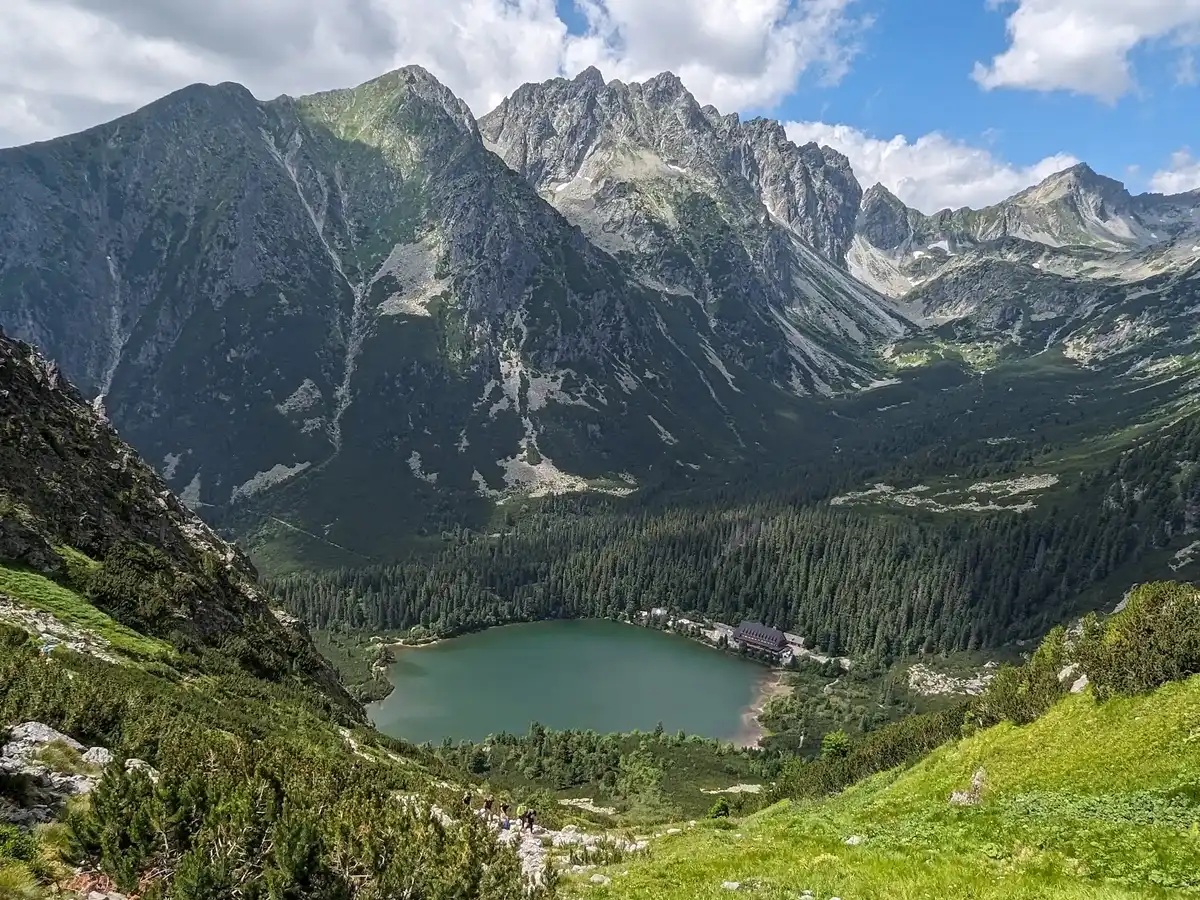
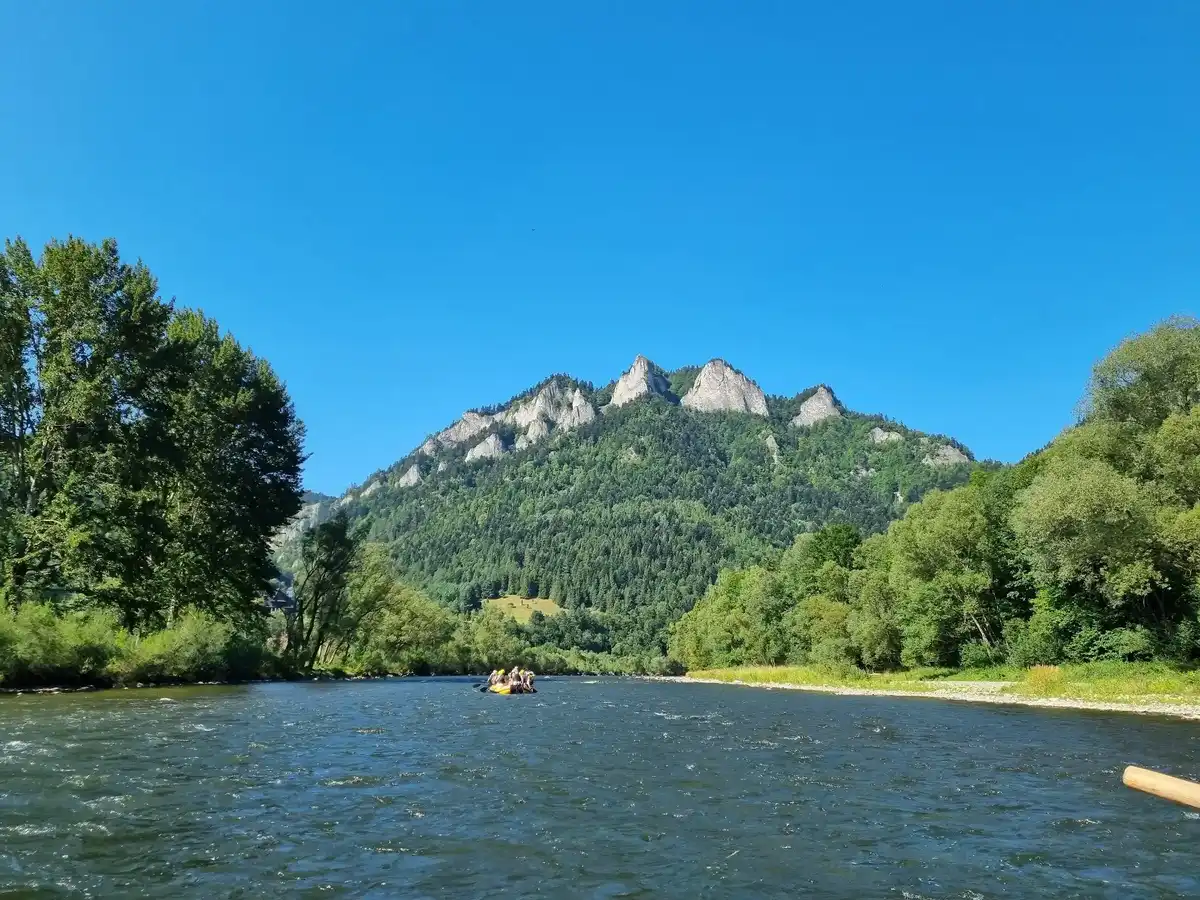
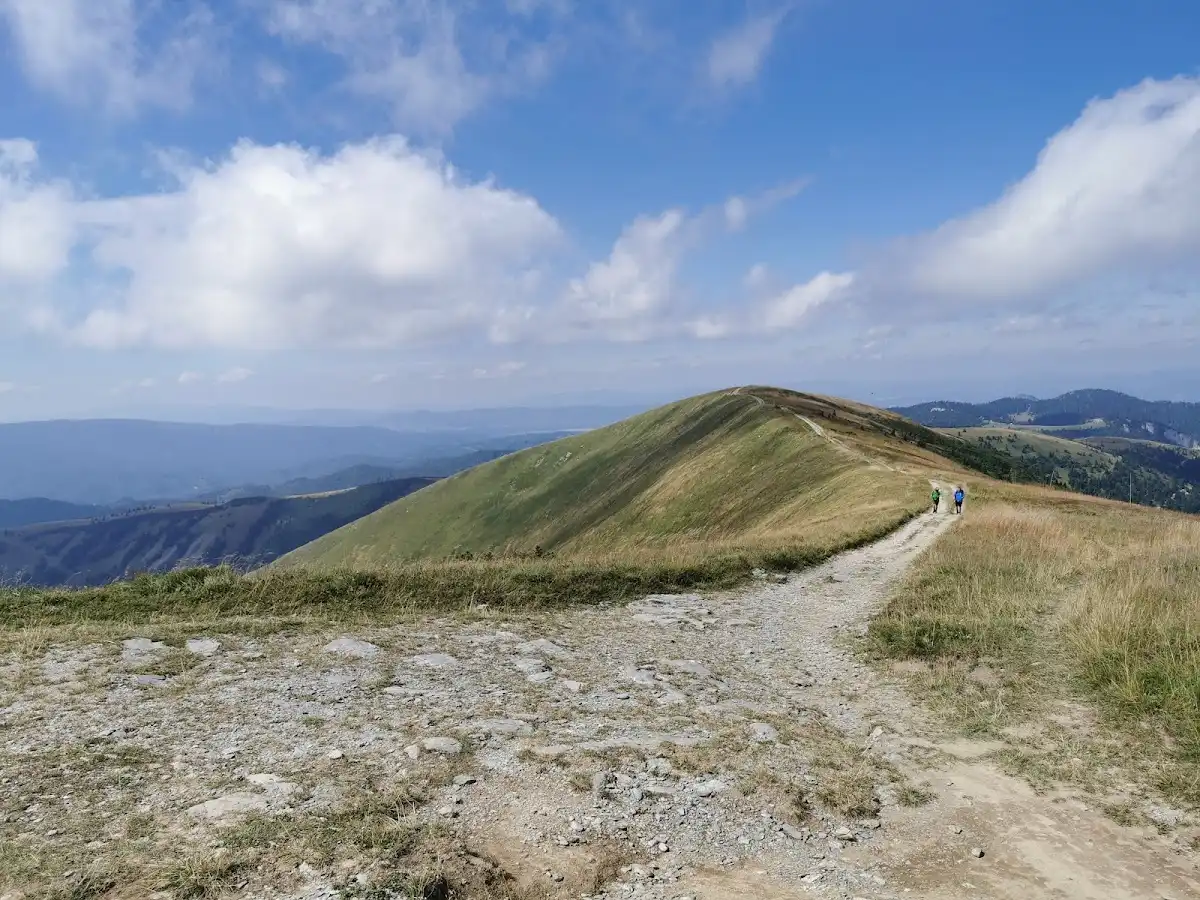
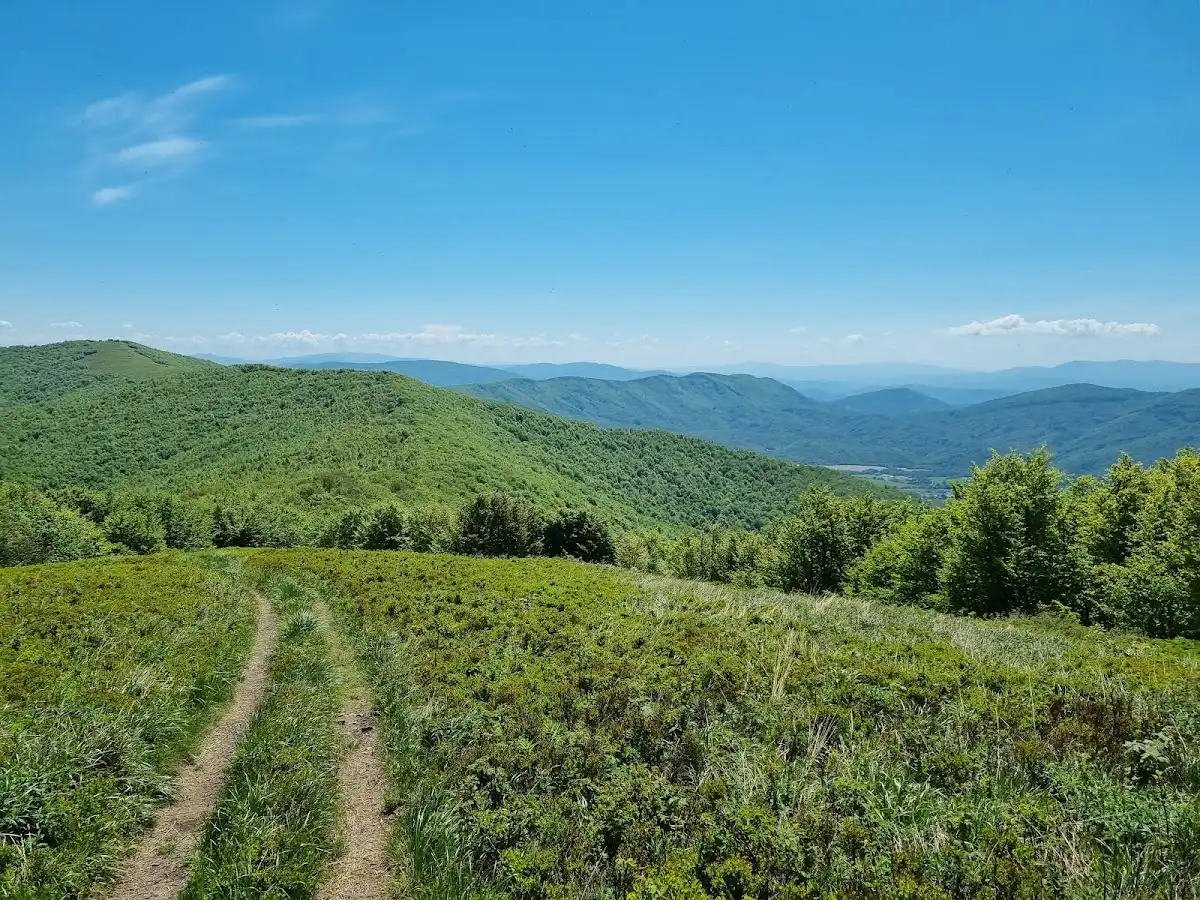
TerrainSlovakia’s national parks showcase a diverse range of terrains, from the rugged High Tatras to the rolling hills of the Slovak Paradise. Each park offers unique landscapes that can dictate your experience. The High Tatras, for instance, are ideal for those seeking alpine adventures, but they also demand a higher level of fitness and preparation. Conversely, the Slovak Paradise features more accessible trails, but its dense forests and gorges can be tricky to navigate without proper guidance. Understanding the terrain is crucial; it can either enhance your adventure or leave you exhausted. Prioritize parks based on your physical readiness and the type of experience you seek.
Park InfrastructureInfrastructure varies significantly across Slovakia’s national parks. Some parks, like …
read more 👉 TerrainSlovakia’s national parks showcase a diverse range of terrains, from the rugged High Tatras to the rolling hills of the Slovak Paradise. Each park offers unique landscapes that can dictate your experience. The High Tatras, for instance, are ideal for those seeking alpine adventures, but they also demand a higher level of fitness and preparation. Conversely, the Slovak Paradise features more accessible trails, but its dense forests and gorges can be tricky to navigate without proper guidance. Understanding the terrain is crucial; it can either enhance your adventure or leave you exhausted. Prioritize parks based on your physical readiness and the type of experience you seek.
Park InfrastructureInfrastructure varies significantly across Slovakia’s national parks. Some parks, like the High Tatras, are well-equipped with marked trails, visitor centers, and accommodations ranging from basic huts to upscale lodges. Others, such as the Muránska Planina, may have fewer facilities, which can lead to unexpected challenges. If you’re planning to camp or hike in less developed areas, ensure you have the necessary gear and knowledge. The trade-off here is between comfort and immersion in nature; while well-equipped parks offer convenience, the more remote areas provide a chance to connect deeply with the wilderness. Always check the availability of resources before heading out.
Wildlife ActivityWildlife encounters can vary greatly depending on the park and the season. The High Tatras are home to chamois and marmots, while the Slovak Paradise boasts a rich bird population. However, wildlife is often more active during early mornings and late afternoons, which can limit your hiking hours. If you’re keen on spotting animals, plan your hikes accordingly, but be prepared for the possibility of not seeing much if you’re out during peak daylight. This is a classic trade-off: you can choose to hike during the day for easier navigation or risk missing wildlife by sticking to the early or late hours.
Time and BudgetVisiting multiple parks in Slovakia is feasible, but it requires careful planning. Aim for two to three parks to get a well-rounded experience without feeling rushed. Each park can demand a full day or more, depending on your interests and the trails you choose. Budget-wise, consider entrance fees, accommodation, and food. While some parks have free access, others may charge for specific areas or activities. Factor in transportation costs, especially if you’re moving between parks. The trade-off here is between depth and breadth; focusing on fewer parks allows for a richer experience, while trying to cover more can dilute your adventure.
Planning and PrioritizingWhen planning your visit, consider the regional variations and local culture. Each park has its own character shaped by the surrounding communities. Engage with locals for insights; they can offer tips on lesser-known trails or cultural experiences that enrich your visit. Be mindful of seasonal considerations, as some parks may be less accessible in winter due to snow. Safety is paramount; always check weather conditions and trail statuses before heading out. The trade-off lies in balancing spontaneity with preparation; while it’s tempting to explore on a whim, a little planning can save you from unnecessary risks.
Safety and Cultural ConsiderationsRespect for local customs and wildlife is essential. In some areas, traditional practices may influence how parks are managed. Be aware of your impact on the environment; stick to marked trails and follow guidelines to preserve the natural beauty. Safety extends beyond physical preparedness; understanding cultural nuances can enhance your experience. The trade-off here is between adventure and respect; while it’s exciting to explore, doing so with mindfulness ensures that these parks remain vibrant for future generations.
v2.webp)


 Best Backpacking
.jpg) Hi, I’m Johan (Netherlands 🇳🇱), the creator of TakeYourBackpack. Over the past decade, I’ve backpacked through 80+ countries across six continents, gaining extensive experience with independent travel, long-term trips, and overland routes.
Hi, I’m Johan (Netherlands 🇳🇱), the creator of TakeYourBackpack. Over the past decade, I’ve backpacked through 80+ countries across six continents, gaining extensive experience with independent travel, long-term trips, and overland routes.