v2.webp)
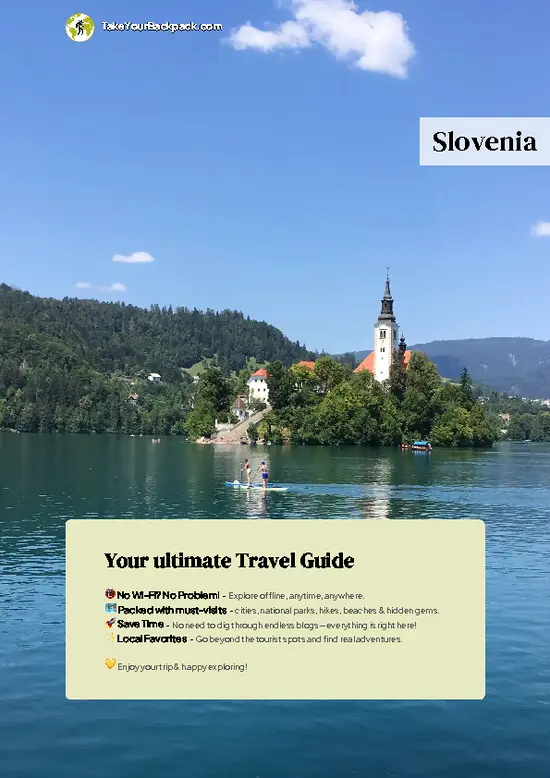
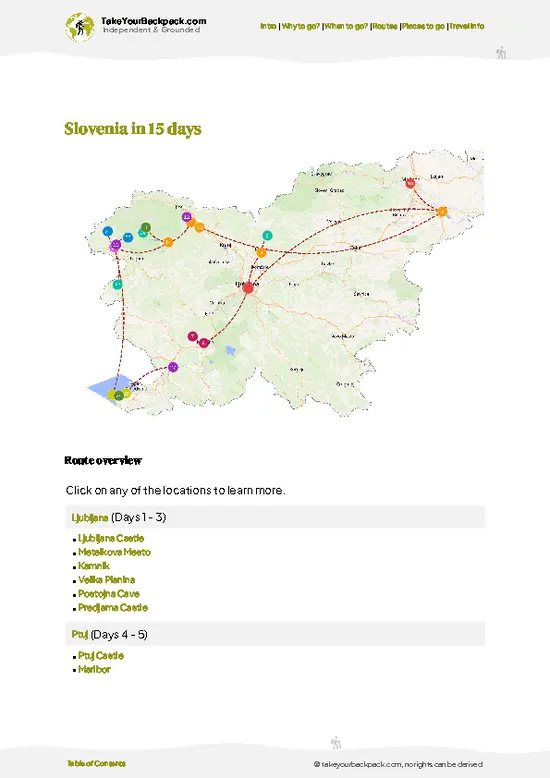
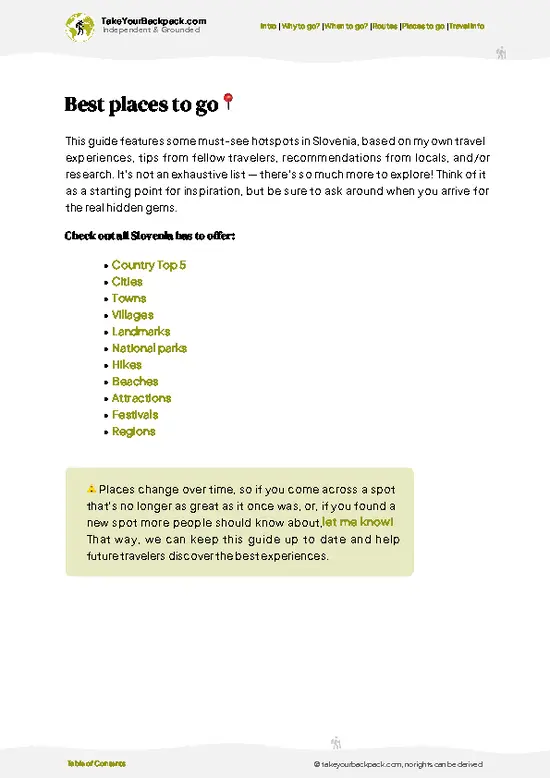
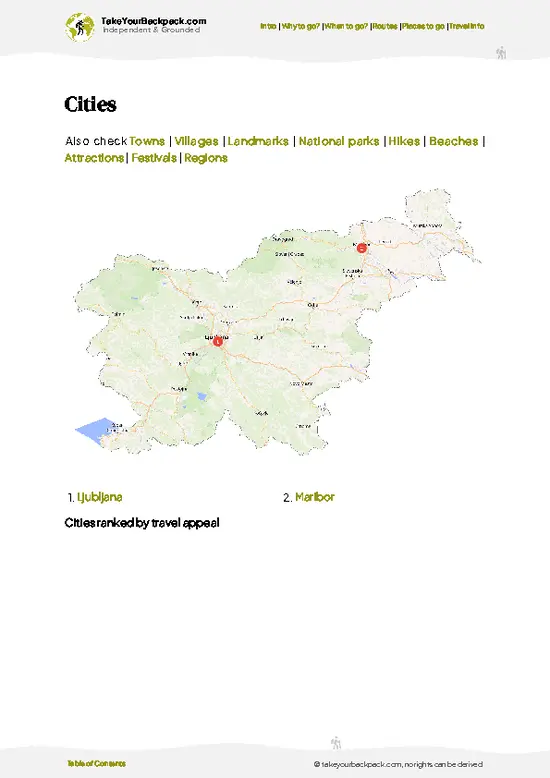
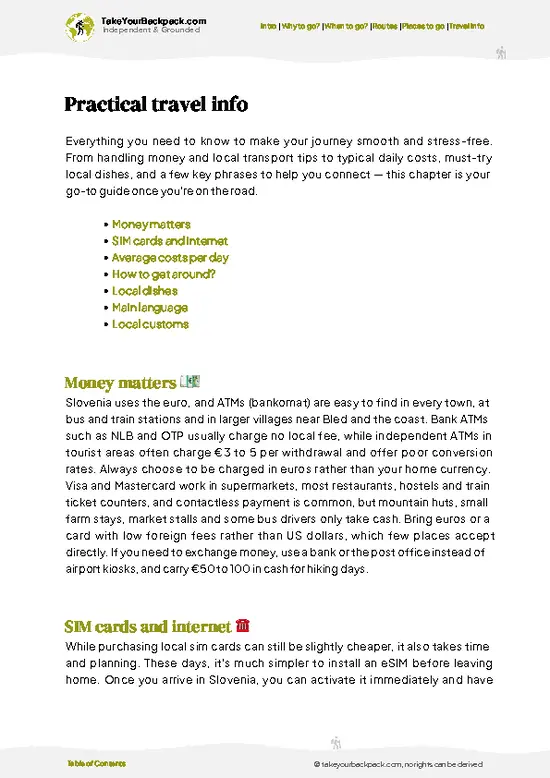
Pohorje Primeval Forest (Pohorski pragozd)
This is the kind of forest that makes you lower your voice out of respect. Pohorje’s primeval forest is one of the last untouched spruce forests in Slovenia. No logging, no neat rows—just centuries-old trees, mossy boulders, and a sense of time that’s hard to find in Europe. The trails here are soft underfoot, and the air feels heavier, almost medicinal. If you want to see what the Alps looked like before ski lifts and highways, this is your window. It’s not a place for selfies; it’s a place to listen and recalibrate.
Black Lake (Črno jezero)
Despite the name, the water isn’t truly black—it’s a deep, peaty brown, thanks to the layers of organic matter at the bottom. The lake sits quietly in a basin surrounded by spruce and fir, and it’s the kind … read more 👉
This is the kind of forest that makes you lower your voice out of respect. Pohorje’s primeval forest is one of the last untouched spruce forests in Slovenia. No logging, no neat rows—just centuries-old trees, mossy boulders, and a sense of time that’s hard to find in Europe. The trails here are soft underfoot, and the air feels heavier, almost medicinal. If you want to see what the Alps looked like before ski lifts and highways, this is your window. It’s not a place for selfies; it’s a place to listen and recalibrate.
Black Lake (Črno jezero)
Despite the name, the water isn’t truly black—it’s a deep, peaty brown, thanks to the layers of organic matter at the bottom. The lake sits quietly in a basin surrounded by spruce and fir, and it’s the kind … read more 👉
Pohorje Primeval Forest (Pohorski pragozd)
This is the kind of forest that makes you lower your voice out of respect. Pohorje’s primeval forest is one of the last untouched spruce forests in Slovenia. No logging, no neat rows—just centuries-old trees, mossy boulders, and a sense of time that’s hard to find in Europe. The trails here are soft underfoot, and the air feels heavier, almost medicinal. If you want to see what the Alps looked like before ski lifts and highways, this is your window. It’s not a place for selfies; it’s a place to listen and recalibrate.
Black Lake (Črno jezero)
Despite the name, the water isn’t truly black—it’s a deep, peaty brown, thanks to the layers of organic matter at the bottom. The lake sits quietly in a basin surrounded by spruce and fir, and it’s the kind of spot that rewards those who don’t mind a bit of mud on their boots. The walk in is straightforward, but the payoff is the atmosphere: mist rising off the water in the morning, dragonflies skimming the surface, and the sense that you’re far from the nearest espresso machine. This is the park’s most photographed spot for a reason, but it never feels crowded.
Šumik Waterfall and Gorge
This is my personal favorite. The Šumik waterfall isn’t the tallest in Slovenia, but it’s the most dramatic in context—a wild, foaming drop in the heart of the Pohorje forest, reached only by a rugged trail that keeps the crowds away. The gorge itself is a lesson in geology, with slick rocks and mossy ledges that demand your attention. The air here is cooler, the sound of water constant, and the sense of isolation complete. If you want to feel like you’ve earned your lunch, this is the hike.
Pohorje Peat Bogs (Barje Pohorja)
These high-altitude peat bogs are rare in this part of Europe and support a quirky cast of plants—carnivorous sundews, wild orchids, and stunted pines. The boardwalks keep your feet dry and protect the fragile ecosystem. It’s not the Alps’ most dramatic scenery, but it’s quietly fascinating, especially if you like spotting birds or rare butterflies. Bring binoculars and patience.
Ribniško Pohorje Plateau
This plateau is all about wide-open views and the kind of silence you only get above the tree line. In summer, the meadows explode with wildflowers; in winter, it’s a snowshoeing paradise. The trails are well-marked, and you’re more likely to meet a shepherd than another tourist. If you want to see traditional mountain huts and taste homemade cheese, this is the place. The sunsets here are worth the wait, but bring a headlamp for the walk back.
Lovrenc Lakes (Lovrenška jezera)
A cluster of small, shallow lakes scattered across a peat bog, Lovrenc Lakes are a magnet for birdlife and a peaceful alternative to the more popular Black Lake. The approach is a bit longer, but the payoff is solitude and the chance to see rare flora. The wooden walkways keep you above the soggy ground, and the views stretch all the way to the distant Alps on a clear day.
This is the kind of forest that makes you lower your voice out of respect. Pohorje’s primeval forest is one of the last untouched spruce forests in Slovenia. No logging, no neat rows—just centuries-old trees, mossy boulders, and a sense of time that’s hard to find in Europe. The trails here are soft underfoot, and the air feels heavier, almost medicinal. If you want to see what the Alps looked like before ski lifts and highways, this is your window. It’s not a place for selfies; it’s a place to listen and recalibrate.
Black Lake (Črno jezero)
Despite the name, the water isn’t truly black—it’s a deep, peaty brown, thanks to the layers of organic matter at the bottom. The lake sits quietly in a basin surrounded by spruce and fir, and it’s the kind of spot that rewards those who don’t mind a bit of mud on their boots. The walk in is straightforward, but the payoff is the atmosphere: mist rising off the water in the morning, dragonflies skimming the surface, and the sense that you’re far from the nearest espresso machine. This is the park’s most photographed spot for a reason, but it never feels crowded.
Šumik Waterfall and Gorge
This is my personal favorite. The Šumik waterfall isn’t the tallest in Slovenia, but it’s the most dramatic in context—a wild, foaming drop in the heart of the Pohorje forest, reached only by a rugged trail that keeps the crowds away. The gorge itself is a lesson in geology, with slick rocks and mossy ledges that demand your attention. The air here is cooler, the sound of water constant, and the sense of isolation complete. If you want to feel like you’ve earned your lunch, this is the hike.
Pohorje Peat Bogs (Barje Pohorja)
These high-altitude peat bogs are rare in this part of Europe and support a quirky cast of plants—carnivorous sundews, wild orchids, and stunted pines. The boardwalks keep your feet dry and protect the fragile ecosystem. It’s not the Alps’ most dramatic scenery, but it’s quietly fascinating, especially if you like spotting birds or rare butterflies. Bring binoculars and patience.
Ribniško Pohorje Plateau
This plateau is all about wide-open views and the kind of silence you only get above the tree line. In summer, the meadows explode with wildflowers; in winter, it’s a snowshoeing paradise. The trails are well-marked, and you’re more likely to meet a shepherd than another tourist. If you want to see traditional mountain huts and taste homemade cheese, this is the place. The sunsets here are worth the wait, but bring a headlamp for the walk back.
Lovrenc Lakes (Lovrenška jezera)
A cluster of small, shallow lakes scattered across a peat bog, Lovrenc Lakes are a magnet for birdlife and a peaceful alternative to the more popular Black Lake. The approach is a bit longer, but the payoff is solitude and the chance to see rare flora. The wooden walkways keep you above the soggy ground, and the views stretch all the way to the distant Alps on a clear day.
Spotted a mistake or missing something? Contact us.

Food is Love

Best Maribor Historical Tour - Discover old town

Glow In The Dark Mini Golf Course in Maribor

Beer Lover's Paradise

Pixel Game Viral Attraction in WOOP! MARIBOR

Private Aroma-Tasting Experience in Vida′s Garden, Maribor

Trampoline Park Activity in Maribor

Private Walking Tour Maribor Old Vine and Historic Squares

Postojna Cave and Castle with Ljubljana starts from Maribor


 Best Backpacking
.jpg) Hi, I’m Johan (Netherlands 🇳🇱), the creator of TakeYourBackpack. Over the past 3 decades, I’ve backpacked through 90+ countries across six continents, gaining extensive experience with independent travel, long-term trips, and overland routes.
Hi, I’m Johan (Netherlands 🇳🇱), the creator of TakeYourBackpack. Over the past 3 decades, I’ve backpacked through 90+ countries across six continents, gaining extensive experience with independent travel, long-term trips, and overland routes.