×

Solomon Islands🇸🇧 | townsMundaKokengolo bunkers, airstrip relics, Roviana snorkeling, dawn fish market | things to do and best time to go

Explore HoniaraExplore Skull Island

Backpacking in Munda
👍 Recommendedtown ranked #3
By Johan Kruseman 🇳🇱 | Updated October 22, 2026

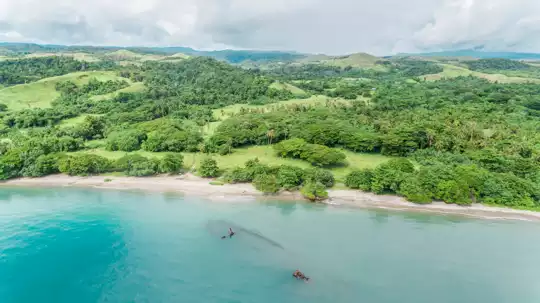
Munda suits slow travelers, divers and WWII history nerds who are happy to trade nightlife for lagoon light. If you want shops, cafés and a lively strip after dark, it may feel thin. It sits on the southwest coast of New Georgia Island in the Western Province of the Solomon Islands, reached by a short flight from Honiara or by boat. The main road is a dusty, potholed ribbon of roadside stalls, betel-nut sellers and pickup trucks, and the air smells of frangipani, diesel and wood smoke. Guesthouses and a couple of dive operators are your social scene, so meeting other travelers happens over dinner, not in crowds. You trade polish for access: a hilltop with rusting Japanese guns, a lagoon as warm as bathwater and a market where the fish is still flapping. Dusk is the time to be on the airstrip edge, with frigatebirds above the palms.

Discover everything you want to know in the 📖 Solomon Islands Travel Guide.


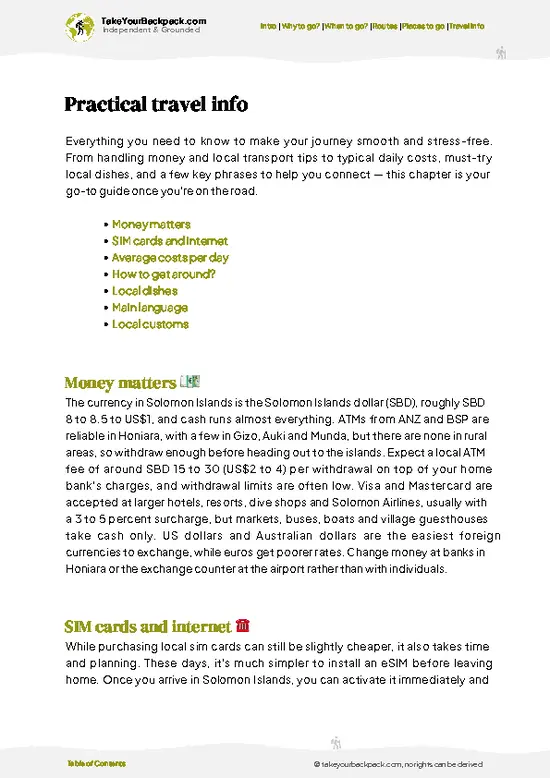
example page 0 from our offline Travel Guide for Solomon Islands
example page 1 from our offline Travel Guide for Solomon Islands
example page 2 from our offline Travel Guide for Solomon Islands
example page 3 from our offline Travel Guide for Solomon Islands
example page 4 from our offline Travel Guide for Solomon Islands
example page 5 from our offline Travel Guide for Solomon Islands
example page 6 from our offline Travel Guide for Solomon Islands
example page 7 from our offline Travel Guide for Solomon Islands
Loading the map 🌍
CLICK TO FILTER
towns
villages
landmarks
national parks
hikes
beaches
attractions
festivals
regions
SHOW COUNTRY’S BESTSHOW ALL

✨ Why go?
Ranked #3 town in Solomon Islands
What sets this place apart

Munda is the practical doorway to the Roviana Lagoon, and that is the real reason to come. From here you can reach reef dives, snorkeling over coral gardens, and outlying islands by small boat, with a base that has beds, a market and an airstrip. Most people stay two to four nights, long enough to dive, visit a headhunting shrine and still have an afternoon free.

The second draw is history you can touch. The 1943 Battle of Munda Point left bunkers, guns and wreckage scattered around the town, and local guides will walk you through them without a velvet rope in sight. You can wander in the morning and swim by noon.

The third is the pace. Evenings are quiet, with kerosene lamps, fresh fish and generator hum. Solo travelers will meet people at guesthouse tables, but this is a place for divers, … read more 👉
Munda is the practical doorway to the Roviana Lagoon, and that is the real reason to come. From here you can reach reef dives, snorkeling over coral gardens, and outlying islands by small boat, with a base that has beds, a market and an airstrip. Most people stay two to four nights, long enough to dive, visit a headhunting shrine and still have an afternoon free.

The second draw is history you can touch. The 1943 Battle of Munda Point left bunkers, guns and wreckage scattered around the town, and local guides will walk you through them without a velvet rope in sight. You can wander in the morning and swim by noon.

The third is the pace. Evenings are quiet, with kerosene lamps, fresh fish and generator hum. Solo travelers will meet people at guesthouse tables, but this is a place for divers, history lovers and slow travelers. If you need nightlife or fast internet, treat Munda as a short stop. If you can sit on a jetty and call it a plan, stay longer. Bring cash, since there is little to spend it on, and keep your expectations soft.

💡 HighlightsMust-see experiences and standout moments

  1. Kokengolo Hill. The Japanese dug this ridge full of bunkers and gun positions above the airfield, and the climb ends at a breezy lookout over the lagoon. Bring sturdy shoes, since the track is slippery after rain. Go early morning for cooler air and clear views. Local guides or landowners usually ask a fee of around SBD$50 to 100 (US$6 to 12). Allow 1.5 to 2 hours.
  2. Peter Joseph WWII Museum. A private collection of helmets, shells, rifles, dog tags and aircraft pieces, gathered by the family that has lived with the battlefield for decades. Labels are basic, but the owner’s stories fill the gaps. Open in daytime, ideally on a dry morning. A donation of about SBD$20 to 50 (US$2 to 6) is usual. Allow 45 minutes.
  3. Munda Airstrip and edge. The runway began as a Japanese secret airfield in 1942, and
… read more 👉
  1. Kokengolo Hill. The Japanese dug this ridge full of bunkers and gun positions above the airfield, and the climb ends at a breezy lookout over the lagoon. Bring sturdy shoes, since the track is slippery after rain. Go early morning for cooler air and clear views. Local guides or landowners usually ask a fee of around SBD$50 to 100 (US$6 to 12). Allow 1.5 to 2 hours.
  2. Peter Joseph WWII Museum. A private collection of helmets, shells, rifles, dog tags and aircraft pieces, gathered by the family that has lived with the battlefield for decades. Labels are basic, but the owner’s stories fill the gaps. Open in daytime, ideally on a dry morning. A donation of about SBD$20 to 50 (US$2 to 6) is usual. Allow 45 minutes.
  3. Munda Airstrip and edge. The runway began as a Japanese secret airfield in 1942, and US forces captured it a year later. Walk the margins at late afternoon when the heat drops and planes are few. Look for overgrown wreckage and war debris on the verges, and keep clear of the active strip. Free. Allow 30 to 45 minutes.
  4. Munda Market. Piles of taro, sweet potato, bananas, bundles of greens and, in the early hours, fish straight from the lagoon. Go at dawn, because the best stock leaves by mid-morning. Buy a few tropical fruits for a lunch on the jetty. Cheap. Allow 30 to 45 minutes.
  5. Roviana Lagoon waterfront and snorkeling at Munda Point. The shoreline near town drops into clear shallows with coral heads, small reef fish and sometimes turtles. Early morning gives the calmest water and best visibility. Snorkel gear can be hired through the local dive operator, and a basic hire usually costs around SBD$100 to 200 (US$12 to 24). Allow 1 to 2 hours.
From Munda, boats reach Skull Island (Kundu Hite), a chief’s shrine piled with ancestral skulls, as well as Tetepare Island, a large uninhabited conservation island, and the volcanic cone of Kolombangara. All five stops above fit comfortably into one long day, or two relaxed ones.
Spotted a mistake or missing something? Contact us.

🏘️ NeighborhoodsUnderstanding the local layout

Munda is small and strung along one shoreline road, so the areas blur into each other, but each has its own feel. All of it is walkable in the heat if you start early.
  • Munda Point and the Wharf: This is the working waterfront, where outboard motors whine, fuel and diesel hang in the air, and boats load sacks of rice and bundles of taro for the islands. Walk the jetty at sunrise and you get glassy water, the Roviana Lagoon stretching out, and the best view of Kolombangara’s cone.
  • Main Road and Market: A strip of trade stores, a few small bakeries and a produce market where women lay out sweet potato, cassava, bananas and smoked fish on tarps. Buy a hot scone or a bag of fried fish and eat it on the seawall. Expect dust from passing trucks and long afternoon lulls.
  • Lambete and the Airport Side:
… read more 👉
Munda is small and strung along one shoreline road, so the areas blur into each other, but each has its own feel. All of it is walkable in the heat if you start early.
  • Munda Point and the Wharf: This is the working waterfront, where outboard motors whine, fuel and diesel hang in the air, and boats load sacks of rice and bundles of taro for the islands. Walk the jetty at sunrise and you get glassy water, the Roviana Lagoon stretching out, and the best view of Kolombangara’s cone.
  • Main Road and Market: A strip of trade stores, a few small bakeries and a produce market where women lay out sweet potato, cassava, bananas and smoked fish on tarps. Buy a hot scone or a bag of fried fish and eat it on the seawall. Expect dust from passing trucks and long afternoon lulls.
  • Lambete and the Airport Side: Quiet and spread out, with the sealed runway, which was a major WWII base, running alongside. Rusted wartime wreckage and old gun emplacements sit in the bush off the tracks. You walk in humid shade, hear roosters and church singing, and come out at a memorial or a shell-strewn beach.
  • Roviana Lagoon Villages: Stilted houses, carved canoes and shell-money traditions, reached by boat. Nightlife here is the sound of waves and a guitar at dusk. You come away with a real look at village life and a swim over bright coral.

⌛️ 1 dayHow to make the most of one day

The day moves on foot with a long pause at midday, because the sun above the lagoon is fierce from late morning until mid-afternoon.

6:30 AM: Munda Market. Arrive while the fish is fresh and the stalls are still being set up. Buy bananas and a few cooked snacks, then wander the rows to see what comes in by canoe. Walk back along the main road toward your guesthouse for a proper breakfast.

8:30 AM: Peter Joseph WWII Museum. The cool hours suit the cramped rooms of relics. Let the owner tell the stories behind the helmets and shell casings, then ask for directions to the hill trail.

10:00 AM: Kokengolo Hill. Climb with a guide through bunkers and old gun positions. The lookout shows the lagoon in layers of green and turquoise. Take water and start down before the heat peaks.

12:30 PM: Lunch … read more 👉
The day moves on foot with a long pause at midday, because the sun above the lagoon is fierce from late morning until mid-afternoon.

6:30 AM: Munda Market. Arrive while the fish is fresh and the stalls are still being set up. Buy bananas and a few cooked snacks, then wander the rows to see what comes in by canoe. Walk back along the main road toward your guesthouse for a proper breakfast.

8:30 AM: Peter Joseph WWII Museum. The cool hours suit the cramped rooms of relics. Let the owner tell the stories behind the helmets and shell casings, then ask for directions to the hill trail.

10:00 AM: Kokengolo Hill. Climb with a guide through bunkers and old gun positions. The lookout shows the lagoon in layers of green and turquoise. Take water and start down before the heat peaks.

12:30 PM: Lunch and siesta. Eat grilled fish and rice at your lodging, then rest in the shade. Nobody moves much now, and neither should you.

3:00 PM: Munda Point snorkeling. Slip into the shallows when the light turns clear and the water has warmed. Drift over coral heads and small reef fish, then dry off on the shore.

5:00 PM: Airstrip edges and village lanes. This one is off the standard circuit. Walk the margins of the runway and the nearby lanes, where kids play, cooking smoke rises and overgrown war debris peeks from the grass. Greet people, ask before photographing and enjoy the soft sunset.

6:30 PM: Dinner. Finish with local fish, sweet potato and cold water at your guesthouse, and swap notes with other guests by lamplight.

🌤️ When to go?Choosing the right time of year

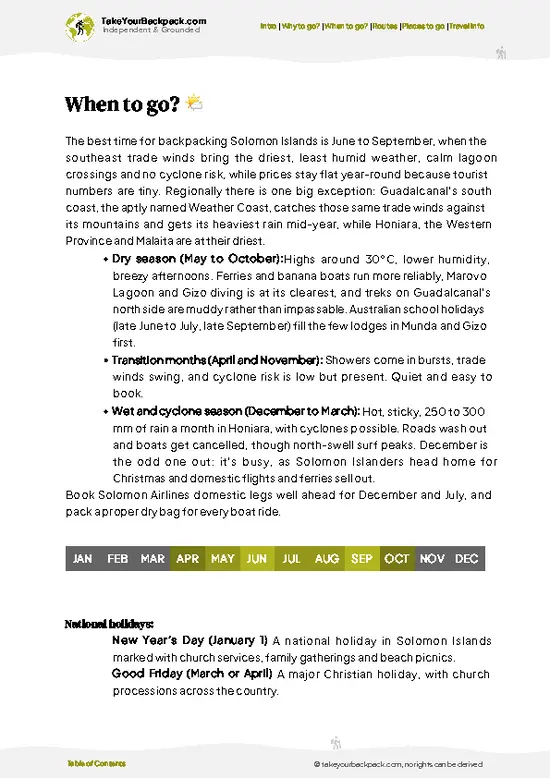
May to October is the easiest window for Munda, with less rain, calmer lagoon crossings and clearer water for snorkeling and diving.
  • Drier Season (May to October): Days run about 27 to 31°C (81 to 88°F), nights near 23°C (73°F). Showers still pass through, but the sea is flatter. Daylight stays close to 12 hours all year. Dive operators are busiest, so book ahead.
  • Wetter Season (November to April): Expect heavy, humid downpours, temperatures of 28 to 32°C (82 to 90°F), and the occasional cyclone swell that can cancel boats. Crowds thin out, and bargains on dives or village stays are easier to find, though flights and boats can slip.
  • Events and Prices: Costs barely shift by season. Around Christmas and Independence Day (July 7), flights from Honiara fill with returning families.
Book flights early … read more 👉
May to October is the easiest window for Munda, with less rain, calmer lagoon crossings and clearer water for snorkeling and diving.
  • Drier Season (May to October): Days run about 27 to 31°C (81 to 88°F), nights near 23°C (73°F). Showers still pass through, but the sea is flatter. Daylight stays close to 12 hours all year. Dive operators are busiest, so book ahead.
  • Wetter Season (November to April): Expect heavy, humid downpours, temperatures of 28 to 32°C (82 to 90°F), and the occasional cyclone swell that can cancel boats. Crowds thin out, and bargains on dives or village stays are easier to find, though flights and boats can slip.
  • Events and Prices: Costs barely shift by season. Around Christmas and Independence Day (July 7), flights from Honiara fill with returning families.
Book flights early for July, and keep a spare day in your plan for weather.


source: climatestotravel.comJANJanuary: fair for travelingFEBFebruary: fair for travelingMARMarch: fair for travelingAPRApril: good for travelingMAYMay: highly recommended for travelingJUNJune: excellent for travelingJULJuly: excellent for travelingAUGAugust: excellent for travelingSEPSeptember: excellent for travelingOCTOctober: highly recommended for travelingNOVNovember: good for travelingDECDecember: fair for traveling
when-to-go

✈️ The backpacker research shortcutSolomon Islands Travel Guide

An offline-friendly backpacking guide with optimized travel routes, ranked highlights, transport advice, and the best areas to stay.
example page 0 from our offline Travel Guide for Solomon Islands
example page 1 from our offline Travel Guide for Solomon Islands
example page 2 from our offline Travel Guide for Solomon Islands
example page 3 from our offline Travel Guide for Solomon Islands
example page 4 from our offline Travel Guide for Solomon Islands
example page 5 from our offline Travel Guide for Solomon Islands
example page 6 from our offline Travel Guide for Solomon Islands
example page 7 from our offline Travel Guide for Solomon Islands
The digital guide (145 pages) contains:
✅ 33 highlights, ranked by travel appeal
✅ Optimized 5, 10 & 15-day travel routes
✅ Cities, national parks, landmarks, beaches
✅ How to get around
✅ Offline-friendly for travel without Wi-Fi
👉 Click to see all 30+ guide features

📅 Plan smarter in minutes, not weeks
✅ Month by month travel advice
✅ Festivals & national holidays
✅ Budget expectations

🗺️ Go to the right places, skip the overrated ones
✅ Honest pros & cons of destinations
✅ Top hikes, parks & viewpoints
✅ Lesser-known places most travelers miss
✅ Clear “worth it vs skip it” guidance

🛏️ Travel smoothly without rookie mistakes
✅ Best areas to stay
✅ Transport systems explained simply
✅ Common scams & safety advice
✅ SIM cards, money & practical tips

🌍 Understand the country, not just visit it
✅ Culture & traditions
✅ 52 Essential phrases & customs
✅ Festivals worth planning around
✅ Traveler-friendly historical context
✅ Insights that make places more meaningful

📱 Built for real travel conditions
✅ Fully downloadable PDF
✅ Works completely offline
✅ Optimized for phone use
✅ Useful in remote areas & buses
✅ Everything in one place
Stop searching, start planning
Get instant access to your full guide. 30‑day money-back guarantee.
+ Add another guide for just

By proceeding you agree to our terms.
Sent to your inbox immediately after payment • 100% Secure Checkout
Best Backpacking Travel Advisor 2025 tourism awardBest Backpacking
Travel Advisor
2025
What others say about Take Your Backpack Guides:
⭐⭐⭐⭐⭐
Fantastic, amazing amount of information!
⭐⭐⭐⭐⭐
My goodness this is amazing, it's what I've been looking for hats off too you!
⭐⭐⭐⭐⭐
I think this is absolutely BRILLIANT
⭐⭐⭐⭐
Very complete and informative. It's still missing places, but I gotta to commend you
⭐⭐⭐⭐⭐
This is truly amazing, thank you, can't wait to explore it with my kids!
⭐⭐⭐⭐⭐
Awesome resource, thank you!
⭐⭐⭐⭐⭐
This is amazing! Can't wait to explore the ones I haven't seen
⭐⭐⭐⭐
I love this! Well done, great idea.
⭐⭐⭐⭐⭐
Thanks for taking the time to make this gem!
⭐⭐⭐⭐⭐
This might be the best website I've ever seen.
⭐⭐⭐⭐⭐
Congratulations, and thank you so much for your work; it's incredibly valuable.
⭐⭐⭐⭐
In all seriousness I think you did a great job pointing out the important spots
⭐⭐⭐⭐⭐
10/10 very good
⭐⭐⭐⭐⭐
As someone who's only just starting to visit regularly this is awesome, thank you.
⭐⭐⭐⭐
Thank you very much! I'm going to visit my dad, it's going to be very useful!
⭐⭐⭐⭐⭐
This is really cool! We'll be travelling for the first time and this definitely come in handy.
⭐⭐⭐⭐⭐
You are now our minister of culture, congratulations 👨‍💼
⭐⭐⭐⭐⭐
Just wanted to tell you that this is a pearl! Going to follow your recommendations.
⭐⭐⭐⭐⭐
This is so cool. I'll definitely be using the resource for my travels soon.
⭐⭐⭐⭐⭐
This is very impressive! Good work.
⭐⭐⭐⭐⭐
This is an amazing and informative site. Very well done!

🛏️ Where to stay?Where staying makes the most sense

The area around Munda Point and the main road is the best base, with the widest choice of cheap beds and rooms within walking distance of shops, the market and boats.
Guesthouses and simple lodges cluster here, and budget rooms usually run about US$25 to 50 a night, with only a handful of true dorm beds. Book ahead in the busier months, since supply is tight. Nights are quiet apart from roosters, dogs and the occasional generator. The road is lit unevenly, so a headlamp helps for the walk back. Being near the wharf means you can catch early boats without arranging a ride.
The second option is the … read more 👉
The area around Munda Point and the main road is the best base, with the widest choice of cheap beds and rooms within walking distance of shops, the market and boats.
Guesthouses and simple lodges cluster here, and budget rooms usually run about US$25 to 50 a night, with only a handful of true dorm beds. Book ahead in the busier months, since supply is tight. Nights are quiet apart from roosters, dogs and the occasional generator. The road is lit unevenly, so a headlamp helps for the walk back. Being near the wharf means you can catch early boats without arranging a ride.
The second option is the Lambete side near the airport, which suits an early flight. It is calmer, more spread out and greener, though shops and food are a walk or short ride away. Many places here have sea breezes and less road noise. For village-style stays in the lagoon, homestays on nearby islands cost roughly US$15 to 30 including meals, arranged by boat.

🚌 Getting aroundTransportation options and practical tips

A shared minibus or truck along the Munda road costs about SBD 5 to 20 (US$0.60 to 2.50), paid in cash to the driver when you get off. Small notes are essential, because change is scarce. The road is short, rutted in places and dusty or muddy depending on the week, so most of Munda is something you simply walk or hop along.
  • Walking: Free, and the best way to cover the center, wharf and market. Go before 9 am or after 4 pm, when the sun eases and the air smells of woodsmoke and salt. The reward is stopping where you like for a coconut or a chat.
  • Minibus and Local Trucks: Run on loose schedules between roughly 6 am and 5 pm, and leave when full. Seats are tight, windows open, and music rattles over the potholes. You see the airstrip, coconut groves and lagoon glimpses for a few coins.
  • Taxi Cars:
… read more 👉
A shared minibus or truck along the Munda road costs about SBD 5 to 20 (US$0.60 to 2.50), paid in cash to the driver when you get off. Small notes are essential, because change is scarce. The road is short, rutted in places and dusty or muddy depending on the week, so most of Munda is something you simply walk or hop along.
  • Walking: Free, and the best way to cover the center, wharf and market. Go before 9 am or after 4 pm, when the sun eases and the air smells of woodsmoke and salt. The reward is stopping where you like for a coconut or a chat.
  • Minibus and Local Trucks: Run on loose schedules between roughly 6 am and 5 pm, and leave when full. Seats are tight, windows open, and music rattles over the potholes. You see the airstrip, coconut groves and lagoon glimpses for a few coins.
  • Taxi Cars: A few operate around the airport and main road, with fares agreed beforehand, typically SBD 30 to 100 (US$4 to 12) for short trips. Handy with a backpack on arrival or after dark.
  • Boat Hires and Water Taxis: The real transport in the Roviana Lagoon. Fiberglass outboards charge by fuel and distance, roughly SBD 300 to 1,500 (US$35 to 180) per boat for lagoon trips, so share with others. You sit low, spray in your face, over turquoise shallows with the Kolombangara cone on the horizon.
  • Flights and Ferries to Elsewhere: Solomon Airlines connects Munda airport with Honiara in about 50 minutes, and Western Province ferries and boats link to Gizo. Schedules shift, so confirm a day before.

👛 Costs (as of 22 October 2026)How expensive it really is

Budget about US$65 to 120 a day in Munda, with accommodation taking the biggest share. Prices are quoted in US dollars, but you pay in Solomon Islands dollars (SBD, about 8 per US$1).
CategoryBudget RangeLocal Reality
Dorm accommodationUS$25 to 50Few true dorms exist, so expect a simple private room in a guesthouse, with a fan and shared bathroom at the low end.
MealsUS$15 to 30Fried fish, rice, cassava and market fruit at the low end. A café or lodge dinner costs more.
Local transportUS$5 to 15Minibus rides cost a dollar or two, and short taxi hops cost more.
Basic activities/entry feesUS$10 to 15Custom fees, a local guide for WWII relics and a shared snorkel trip.
Miscellaneous expensesUS$10Water, mobile data, a SIM card and a few small tips.
Total Daily BudgetUS$65 to 120Add US$35 to 100 on days
… read more 👉
Budget about US$65 to 120 a day in Munda, with accommodation taking the biggest share. Prices are quoted in US dollars, but you pay in Solomon Islands dollars (SBD, about 8 per US$1).
CategoryBudget RangeLocal Reality
Dorm accommodationUS$25 to 50Few true dorms exist, so expect a simple private room in a guesthouse, with a fan and shared bathroom at the low end.
MealsUS$15 to 30Fried fish, rice, cassava and market fruit at the low end. A café or lodge dinner costs more.
Local transportUS$5 to 15Minibus rides cost a dollar or two, and short taxi hops cost more.
Basic activities/entry feesUS$10 to 15Custom fees, a local guide for WWII relics and a shared snorkel trip.
Miscellaneous expensesUS$10Water, mobile data, a SIM card and a few small tips.
Total Daily BudgetUS$65 to 120Add US$35 to 100 on days with a boat trip.
Carry plenty of small SBD notes and fill a water bottle from your guesthouse, which saves money on bottled water every day.
⚠️ Prices can change and everyone travels differently, so take this as a rough guide. Hope it helps you plan your adventure!

🚌 Day tripsShort trips worth adding

Munda works well as a base for lagoon and WWII day trips, since boats leave from the wharf each morning and most trips return by late afternoon.
Roviana Lagoon Snorkeling and Islands:
Clear shallows, coral gardens and sandbars sit 20 to 45 minutes away by boat. Expect US$35 to 100 per person on a shared outing, plus snorkel gear if you do not bring your own. Go from May to October for the calmest water, and carry reef-safe sunscreen and a hat, since the glare is fierce.

Skull Island (Kundu Hite):
A small islet with a shrine of old warrior skulls and shell offerings, reached in about 30 minutes by boat. A local guide and a custom fee are required, usually SBD 100 to 300 (US$12 to 35), and first-timers often wander off without one. Ask permission before taking photographs.
👉 Explore Skull Island
WWII … read more 👉
Munda works well as a base for lagoon and WWII day trips, since boats leave from the wharf each morning and most trips return by late afternoon.
Roviana Lagoon Snorkeling and Islands:
Clear shallows, coral gardens and sandbars sit 20 to 45 minutes away by boat. Expect US$35 to 100 per person on a shared outing, plus snorkel gear if you do not bring your own. Go from May to October for the calmest water, and carry reef-safe sunscreen and a hat, since the glare is fierce.

Skull Island (Kundu Hite):
A small islet with a shrine of old warrior skulls and shell offerings, reached in about 30 minutes by boat. A local guide and a custom fee are required, usually SBD 100 to 300 (US$12 to 35), and first-timers often wander off without one. Ask permission before taking photographs.
👉 Explore Skull Island
WWII Sites Around Munda:
The airstrip, bunkers, shipwrecks and relics are within walking or short ride distance. A local guide costs about US$10 to 25 for half a day. Heat peaks around noon, so start at 7 am and carry water.

Kolombangara Lower Slopes:
A boat and a guide lead to the forested flanks of the volcano, about 1 to 1.5 hours across the water. Trips cost roughly US$60 to 120 per person with transport, and the dry months keep trails firmer. The common mistake is underestimating the mud.

🛡️ SafetyTraveler Safety Guide

Munda is relaxed and friendly, and most problems here are minor. Walking around town in daylight is easy, and greetings are returned with smiles.
At night, the road is poorly lit, so walk in pairs, carry a headlamp and take a taxi after dark, especially after drinking. Alcohol can raise tension late in the evening, so leave if a gathering turns rowdy. Solo women should dress modestly in town and expect stares, but harassment is uncommon.
Scams are rare. The usual annoyances are boat prices that change on the day, and requests for custom fees at sites. Agree on the fare, the stops and the return time before you board, and ask for a receipt for site fees. Keep your cash and phone out of sight when you pay at the market.
Swim only in marked or well-used lagoon spots, mind the strong sun and use … read more 👉
Munda is relaxed and friendly, and most problems here are minor. Walking around town in daylight is easy, and greetings are returned with smiles.
At night, the road is poorly lit, so walk in pairs, carry a headlamp and take a taxi after dark, especially after drinking. Alcohol can raise tension late in the evening, so leave if a gathering turns rowdy. Solo women should dress modestly in town and expect stares, but harassment is uncommon.
Scams are rare. The usual annoyances are boat prices that change on the day, and requests for custom fees at sites. Agree on the fare, the stops and the return time before you board, and ask for a receipt for site fees. Keep your cash and phone out of sight when you pay at the market.
Swim only in marked or well-used lagoon spots, mind the strong sun and use mosquito repellent, as malaria is present. Seas can change quickly, so check the forecast before going out.

FAQCommon questions from travelers

Munda is worth a proper stay, especially for diving and WWII history. The Munda area has wrecks and reefs within a 10 to 30 minute boat ride, and the airstrip the Americans captured in 1943 still runs through town. Many travelers fly in from Honiara (about 1 hour), but the lagoon outside is the real draw.
Plan on 3 to 4 days if you dive or want to visit the Roviana Lagoon islands, and 2 days if you only want the war relics and a village visit. The WWII sites around the airfield and Kokengolo Hill can be walked in half a day. Add 1 to 2 extra days for a Skull Island (Kundu Hite) boat trip or a Zipolo Habu or Lola Island excursion, usually US$40 to 100 shared by boat.
Munda can only be done as a day trip from Honiara in a very rushed way, since the flight takes about 1 hour and you would need an early outbound and late return. A day gives you only a short WWII walk and perhaps one lagoon boat trip, and flight prices (roughly US$150 to 250 return) make it poor value. Staying at least 2 nights is far better, and from Gizo a day trip is possible by boat or via the short flight, about 30 minutes in the air.
⚠️ Things can change over time, so always validate details locally before you go.

Other Solomon Islander towns near Munda

Explore more nearby:

  • Gizo—Reef diving, Kennedy Island, harbor deck sunsets, Western Province hub| 55 km away
  • Bilua Island—Remote beaches, volcanic hills, small villages| 89 km away
  • Honiara—Guadalcanal memorial, Central Market, national museum, Mataniko Falls| 319 km away

💡 Not sure where to go next?
Create a personalized itinerary for Solomon Islands including Munda and the places that fit your trip.

Generate my itinerary

👉 Discover all towns

Or checkout all Solomon Islands has to offer (think cities, towns, villages, national parks, hikes, beaches, festivals)
Country photo of Solomon Islands

We 💚 feedbackFinal thoughts on visiting Munda

Be here for the early mornings in the drier months, when the lagoon is flat and you can see coral from the jetty. I would book a dive or boat trip before arriving, carry enough cash from Honiara and keep a day free to do nothing. Munda rewards you when you stop hurrying.

✍️ Help improve this page!
The information on this page is based on in-depth research, insights shared by experienced travelers, and feedback from the local travel community in Solomon Islands. While every effort is made to keep the information accurate and current, conditions can change — so if you spot anything incorrect or outdated, please get in touch.


🙋‍♂️ Give feedback

👋 Meet the founderWho’s Behind Take Your Backpack?

Johan, backpacker and founder of TakeYourBackpackHi, I’m Johan (Netherlands 🇳🇱), the creator of TakeYourBackpack. Over the past 3 decades, I’ve backpacked through 90+ countries across six continents, gaining extensive experience with independent travel, long-term trips, and overland routes.

This site is built on a combination of firsthand travel experience and carefully curated insights from other backpackers. Many guides are based on places I’ve personally visited, while others bring together tips, observations, and practical advice shared by trusted travelers I’ve met along the way.

The goal is to provide realistic, experience-driven guidance — not generic itineraries — so you can explore destinations with better context, clearer expectations, and more confidence.