×

Solomon Islands🇸🇧 | regionsNgella IslandsNarrow channels, coral gardens, WWII shipwrecks, small fishing hamlets | things to do and best time to go

Explore Vonavona LagoonExplore Malaita Island

Backpacking in Ngella Islands
🏆 Top pickregion ranked #1
By Johan Kruseman 🇳🇱 | Updated September 23, 2026

Most blogs skip this, but here’s the twist: Ngella Islands can actually feel quieter and cheaper
Discover everything you want to know in the 📖 Solomon Islands Travel Guide.
Loading the map 🌍
CLICK TO FILTER
towns
villages
landmarks
national parks
hikes
beaches
attractions
festivals
regions
SHOW COUNTRY’S BESTSHOW ALL

✨ Why go?
Ranked #1 region in Solomon Islands
What makes this region worth visiting

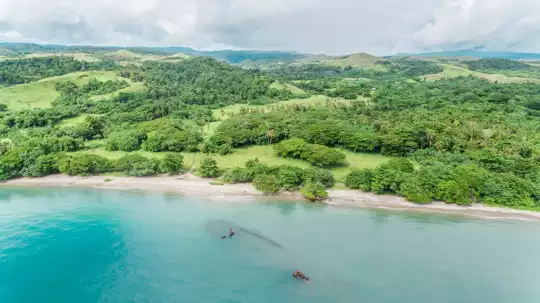
The Ngella Islands in the Solomon Islands are a backpacker’s dream for a reason. First off, the variety of landscapes is jaw-dropping. You’ve got lush rainforests, pristine beaches, and vibrant coral reefs all within a stone’s throw. This means you can dive, hike, and chill without the hassle of constant relocation.

Transport here is surprisingly flexible. Local boats and friendly villagers make it easy to hop between islands, so you can explore at your own pace. Want to spend a day snorkeling and the next learning about traditional weaving? Go for it.

What really sets Ngella apart is the chance to mix nature and culture seamlessly. You can immerse yourself in local customs while surrounded by breathtaking scenery. This isn’t just a quick stop; it’s about slow travel that lets you soak … read more 👉
The Ngella Islands in the Solomon Islands are a backpacker’s dream for a reason. First off, the variety of landscapes is jaw-dropping. You’ve got lush rainforests, pristine beaches, and vibrant coral reefs all within a stone’s throw. This means you can dive, hike, and chill without the hassle of constant relocation.

Transport here is surprisingly flexible. Local boats and friendly villagers make it easy to hop between islands, so you can explore at your own pace. Want to spend a day snorkeling and the next learning about traditional weaving? Go for it.

What really sets Ngella apart is the chance to mix nature and culture seamlessly. You can immerse yourself in local customs while surrounded by breathtaking scenery. This isn’t just a quick stop; it’s about slow travel that lets you soak in every moment.

By choosing Ngella, you’re not just ticking boxes; you’re investing time in experiences that resonate. Each sunset, each conversation with locals, adds layers to your journey. So, pack your bags and dive into this slice of paradise. You won’t regret it.
Want to include Ngella Islands in your Solomon Islands route?
Create a personalized Solomon Islands itinerary that includes Ngella Islands and the places that fit your trip — based on your travel style, budget, and available time. Get your route in seconds.

Generate my trip

💡 HighlightsThe experiences that define the visit

  1. Tulagi Island waterfront & colonial-WWII cluster — The small town that used to be the colonial capital; you can walk the quay, see rusting wartime relics tucked into town alleys, buy fish off the boats and watch island life unfold. It’s a compact, real-feeling place where Solomon Islands history and daily village rhythms meet — not a staged attraction.
  2. Gavutu & Tanambogo (WWII landing sites) — Two low, close-by islets with visible bunkers, shore defences and easy snorkels over scattered wreckage and debris fields. Visiting by day trip gives a tangible feel for the 1942 battles without needing technical dive gear; local skippers usually know the safe shallow spots.
  3. Siota mission ruins & mangrove lagoon — (hidden gem) A quiet mission village on Nggela Sule with crumbling mission buildings,
… read more 👉
  1. Tulagi Island waterfront & colonial-WWII cluster — The small town that used to be the colonial capital; you can walk the quay, see rusting wartime relics tucked into town alleys, buy fish off the boats and watch island life unfold. It’s a compact, real-feeling place where Solomon Islands history and daily village rhythms meet — not a staged attraction.
  2. Gavutu & Tanambogo (WWII landing sites) — Two low, close-by islets with visible bunkers, shore defences and easy snorkels over scattered wreckage and debris fields. Visiting by day trip gives a tangible feel for the 1942 battles without needing technical dive gear; local skippers usually know the safe shallow spots.
  3. Siota mission ruins & mangrove lagoon — (hidden gem) A quiet mission village on Nggela Sule with crumbling mission buildings, a melancholy cathedral site and a winding mangrove lagoon that’s great for short paddle trips and birdwatching. Few tourists linger here, so you get a real, slow slice of local life and craftspeople going about their day.
  4. Nggela Sule ridge viewpoints & short rainforest hikes — A handful of walkable ridgelines give unexpectedly panoramic views over Ironbottom Sound, Guadalcanal and the nearby islets. Hikes are short and sweaty, with frogs and kingfishers rather than crowds — perfect for a sunrise or late-afternoon lookout.
  5. Anuha Island beaches & reef gardens — (hidden gem) A tiny, low island with powdery sand fringed by shallow coral gardens. It’s often used by locals for weekend picnics and makes a peaceful snorkel or beach stop when island-hopping from Tulagi; fewer day-trippers go here, so swimming feels private.
  6. Pele (Ngella Pile) village life & kastom performances — Visit a working village to watch traditional fishing, canoe repair and the occasional kastom (custom) dance. The hospitality is genuine — expect tea, stories, and the chance to see local artisans weave and carve in everyday settings rather than staged shows.
  7. Sandfly village boatyards & canoe-building workshops — (hidden gem) Small boatyards where craftsmen still build and maintain wooden canoes and outriggers by eye, not by factory. You can watch the shaping, learn about local timber use, and sometimes hop aboard to try paddling in calm bays — a hands-on cultural slice most pulloffs miss.
  8. Tulagi Harbor seaplane base remains & shoreline walk — Walk the shoreline to find concrete ramps, old piers and scattered fortifications from the seaplane era. It’s an atmospheric half-day loop that mixes war history with daily harbor activity — fishermen, boat repairs and the clatter of unloaded catch.
  9. Little picnic islets and tide pools off the eastern coast — Small, unnamed islets and rocky outcrops that locals use for family outings: tide pools full of life, hidden sand pockets and shallow snorkel channels. They’re perfect for a low-effort beach day and a cheap picnic — bring your own lunch and the solitude is worth it.
  10. Local markets and fish auctions on Tulagi mornings — Early mornings on Tulagi are the best way to see the islands’ food economy: fishermen landing reef catches, women sorting fish, and small auctions or informal trades. It’s noisy, lively and practical — the kind of everyday scene that tells you how people really live and eat here.
Spotted a mistake or missing something? Contact us.

Things to do near Ngella Islands

Ratings based on Tripadvisor reviews. When you book through this link, you support our work at no extra cost to you.

⌛️ 5 daysSeeing the highlights in 5 days

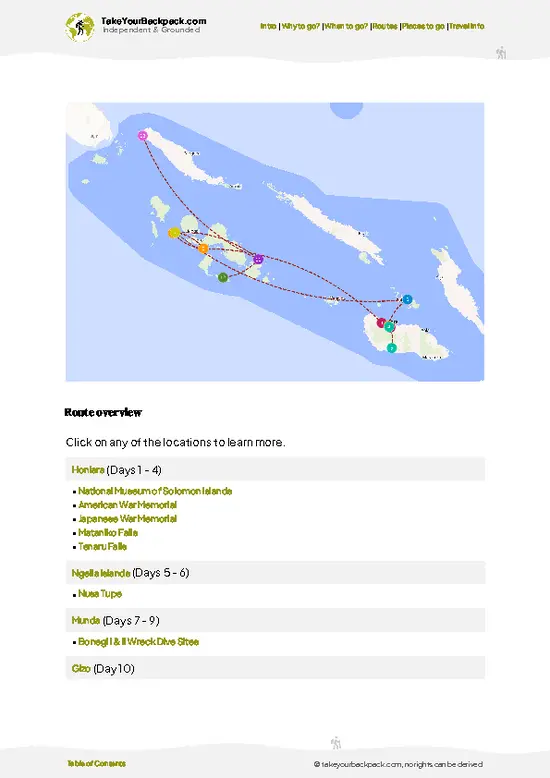
Day 1: Honiara
Arrive in Honiara, the capital, and get your bearings. This is your launchpad. The transport system here is straightforward, with local buses and taxis ready to whisk you to the ferry terminal. Grab a few essentials and chat with locals about the best spots. The vibe is laid-back, and you’ll want to soak in the atmosphere before heading out.

Day 2: Gizo
Catch an early ferry to Gizo. This ride is your first taste of the stunning waters. Gizo is the hub for diving and snorkeling. Spend the day exploring the local markets and maybe book a dive trip for tomorrow. The pace here is slower, which allows you to ease into island life.

Day 3: Gizo to Ngella Islands
Take a boat to the Ngella Islands. This is where the magic happens. The transport options are limited, so plan … read more 👉
Day 1: Honiara
Arrive in Honiara, the capital, and get your bearings. This is your launchpad. The transport system here is straightforward, with local buses and taxis ready to whisk you to the ferry terminal. Grab a few essentials and chat with locals about the best spots. The vibe is laid-back, and you’ll want to soak in the atmosphere before heading out.

Day 2: Gizo
Catch an early ferry to Gizo. This ride is your first taste of the stunning waters. Gizo is the hub for diving and snorkeling. Spend the day exploring the local markets and maybe book a dive trip for tomorrow. The pace here is slower, which allows you to ease into island life.

Day 3: Gizo to Ngella Islands
Take a boat to the Ngella Islands. This is where the magic happens. The transport options are limited, so plan ahead. The islands are less touristy, giving you a chance to connect with the culture. Spend the day on the beach or visit a local village. The slower pace means you can truly unwind.

Day 4: Off-Path Reward – Savo Island
Consider a detour to Savo Island. It’s a short boat ride and offers hot springs and volcanic landscapes. This is a unique experience that adds depth to your trip without straying too far from your route. The locals are friendly, and you’ll feel like you’ve stumbled upon a secret.

Day 5: Return to Honiara
Head back to Honiara for your departure. Reflect on your journey and maybe pick up some souvenirs. The transport back is reliable, but don’t rush; enjoy your last moments in this beautiful region.

The must-do day? Day 3 in the Ngella Islands. It encapsulates the essence of the Solomon Islands: stunning scenery, rich culture, and a pace that lets you breathe it all in.
Turn your Ngella Islands visit into an Solomon Islands adventure
Build a complete Solomon Islands route with Ngella Islands, hidden gems, must-see destinations, and realistic travel times included.

Generate my trip

🌤️ When to go?When to go for the best experience


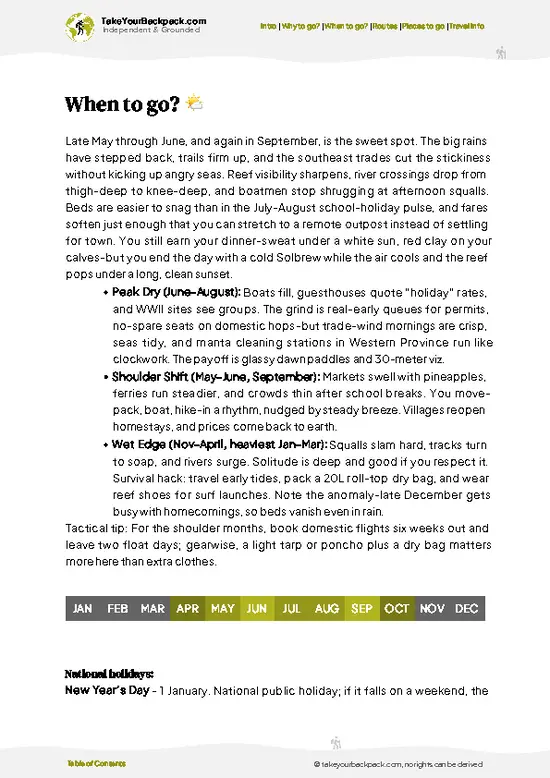
  • Weather: The sweet spot is from April to October—dry season. Expect less rain, which means clearer skies and calmer seas perfect for snorkeling or island hopping. Avoid November to March; that’s the wet season with heavy downpours and a higher chance of cyclones.

  • Temperature: Daytime temps hover around 27-31°C (80-88°F) year-round, but humidity spikes in the wet season, making it feel hotter and stickier. Dry season mornings and evenings are pleasantly cooler, ideal for trekking or beach lounging.

  • Daylight Hours: Roughly 11 to 12 hours of daylight throughout the year, with sunrise around 6 am and sunset near 6 pm. The consistent daylight means you can plan early starts without worrying about losing light too soon.

  • Crowds: The islands stay low-key, but dry season draws more travelers,
… read more 👉

  • Weather: The sweet spot is from April to October—dry season. Expect less rain, which means clearer skies and calmer seas perfect for snorkeling or island hopping. Avoid November to March; that’s the wet season with heavy downpours and a higher chance of cyclones.

  • Temperature: Daytime temps hover around 27-31°C (80-88°F) year-round, but humidity spikes in the wet season, making it feel hotter and stickier. Dry season mornings and evenings are pleasantly cooler, ideal for trekking or beach lounging.

  • Daylight Hours: Roughly 11 to 12 hours of daylight throughout the year, with sunrise around 6 am and sunset near 6 pm. The consistent daylight means you can plan early starts without worrying about losing light too soon.

  • Crowds: The islands stay low-key, but dry season draws more travelers, especially July and August. You’ll find a livelier vibe but still no overwhelming crowds—think laid-back, not packed.

  • Seasonal Activities: Dry season unlocks the best diving and fishing conditions. Plus, local festivals often happen around July, giving you a chance to dive into authentic Solomon Island culture without the tourist gloss.

  • Price Fluctuations: Expect accommodation and transport costs to rise slightly during dry season peak months. Booking ahead can snag you better deals, but last-minute travelers might pay a premium.


Pro-tip: Arrive just before the dry season kicks in (late March to early April) to catch lower prices, fewer visitors, and still decent weather—a perfect insider move.


source: climatestotravel.comJANJanuary: below average for travelingFEBFebruary: below average for travelingMARMarch: fair for travelingAPRApril: highly recommended for travelingMAYMay: excellent for travelingJUNJune: excellent for travelingJULJuly: excellent for travelingAUGAugust: excellent for travelingSEPSeptember: excellent for travelingOCTOctober: highly recommended for travelingNOVNovember: below average for travelingDECDecember: below average for traveling
when-to-go

✈️ The backpacker research shortcutSolomon Islands Travel Guide

An offline-friendly backpacking guide with optimized travel routes, ranked highlights, transport advice, and the best areas to stay.
example page 0 from our offline Travel Guide for Solomon Islands
example page 1 from our offline Travel Guide for Solomon Islands
example page 2 from our offline Travel Guide for Solomon Islands
example page 3 from our offline Travel Guide for Solomon Islands
example page 4 from our offline Travel Guide for Solomon Islands
example page 5 from our offline Travel Guide for Solomon Islands
example page 6 from our offline Travel Guide for Solomon Islands
example page 7 from our offline Travel Guide for Solomon Islands
The digital guide (173 pages) contains:
✅ 39 highlights, ranked by travel appeal
✅ Optimized 5, 10 & 15-day travel routes
✅ Cities, national parks, landmarks, beaches
✅ How to get around
✅ Offline-friendly for travel without Wi-Fi
👉 Click to see all 30+ guide features

📅 Plan smarter in minutes, not weeks
✅ Month by month travel advice
✅ Festivals & national holidays
✅ Budget expectations

🗺️ Go to the right places, skip the overrated ones
✅ Honest pros & cons of destinations
✅ Top hikes, parks & viewpoints
✅ Lesser-known places most travelers miss
✅ Clear “worth it vs skip it” guidance

🛏️ Travel smoothly without rookie mistakes
✅ Best areas to stay
✅ Transport systems explained simply
✅ Common scams & safety advice
✅ SIM cards, money & practical tips

🌍 Understand the country, not just visit it
✅ Culture & traditions
✅ 52 Essential phrases & customs
✅ Festivals worth planning around
✅ Traveler-friendly historical context
✅ Insights that make places more meaningful

📱 Built for real travel conditions
✅ Fully downloadable PDF
✅ Works completely offline
✅ Optimized for phone use
✅ Useful in remote areas & buses
✅ Everything in one place
Save weeks of stressful planning
Get instant access to your full guide. 30‑day money-back guarantee.
+ Add another guide for just

By proceeding you agree to our terms.
Sent to your inbox immediately after payment • 100% Secure Checkout
Best Backpacking Travel Advisor 2025 tourism awardBest Backpacking
Travel Advisor
2025
What others say about Take Your Backpack Guides:
⭐⭐⭐⭐⭐
Fantastic, amazing amount of information!
⭐⭐⭐⭐⭐
My goodness this is amazing, it's what I've been looking for hats off too you!
⭐⭐⭐⭐⭐
I think this is absolutely BRILLIANT
⭐⭐⭐⭐
Very complete and informative. It's still missing places, but I gotta to commend you
⭐⭐⭐⭐⭐
This is truly amazing, thank you, can't wait to explore it with my kids!
⭐⭐⭐⭐⭐
Awesome resource, thank you!
⭐⭐⭐⭐⭐
This is amazing! Can't wait to explore the ones I haven't seen
⭐⭐⭐⭐
I love this! Well done, great idea.
⭐⭐⭐⭐⭐
Thanks for taking the time to make this gem!
⭐⭐⭐⭐⭐
This might be the best website I've ever seen.
⭐⭐⭐⭐⭐
Congratulations, and thank you so much for your work; it's incredibly valuable.
⭐⭐⭐⭐
In all seriousness I think you did a great job pointing out the important spots
⭐⭐⭐⭐⭐
10/10 very good
⭐⭐⭐⭐⭐
As someone who's only just starting to visit regularly this is awesome, thank you.
⭐⭐⭐⭐
Thank you very much! I'm going to visit my dad, it's going to be very useful!
⭐⭐⭐⭐⭐
This is really cool! We'll be travelling for the first time and this definitely come in handy.
⭐⭐⭐⭐⭐
You are now our minister of culture, congratulations 👨‍💼
⭐⭐⭐⭐⭐
Just wanted to tell you that this is a pearl! Going to follow your recommendations.
⭐⭐⭐⭐⭐
This is so cool. I'll definitely be using the resource for my travels soon.
⭐⭐⭐⭐⭐
This is very impressive! Good work.
⭐⭐⭐⭐⭐
This is an amazing and informative site. Very well done!

🛏️ Where to stay?Where staying makes the most sense

When you hit the Ngella Islands, you’re diving into a backpacker’s paradise. Let’s break down where to plant your pack for the best experience.

First up, Lata. This village is the heart of Ngella. It’s safe, friendly, and buzzing with locals. You’ll find yourself swapping stories with fishermen and fellow travelers over a shared meal. The vibe here is laid-back, making it easy to connect. Plus, it’s a great launchpad for exploring nearby reefs and waterfalls.

Next, consider Nusatupe Island. It’s a bit more remote, but that’s the charm. The beaches are pristine, and the sunsets? Epic. You’ll … read more 👉
When you hit the Ngella Islands, you’re diving into a backpacker’s paradise. Let’s break down where to plant your pack for the best experience.

First up, Lata. This village is the heart of Ngella. It’s safe, friendly, and buzzing with locals. You’ll find yourself swapping stories with fishermen and fellow travelers over a shared meal. The vibe here is laid-back, making it easy to connect. Plus, it’s a great launchpad for exploring nearby reefs and waterfalls.

Next, consider Nusatupe Island. It’s a bit more remote, but that’s the charm. The beaches are pristine, and the sunsets? Epic. You’ll meet fellow adventurers while lounging in hammocks or sharing a bonfire. The isolation means you’ll sacrifice some comfort, but the trade-off is worth it for the tranquility and stunning views.

Lastly, Savo Island offers a unique blend of culture and nature. It’s less touristy, which means you’ll get a more authentic experience. The locals are welcoming, and you can dive into their traditions. The island’s hot springs are a must-visit, adding a touch of adventure to your stay.

Choose wisely, and you’ll walk away with stories that’ll make your friends jealous.

🚌 Getting aroundMoving around without the hassle

The Ngella Islands are a world where time bends and schedules are mere suggestions. Picture this: you’re on a small boat, the sun glinting off the water, and the only thing that matters is the rhythm of the waves. Here, the flow is less about rigid timetables and more about the pulse of the ocean and the whims of the locals. You might wait a bit longer for a ride, but that’s part of the charm. It’s a place where you can feel the spirit of adventure in every breeze, and the journey is just as rewarding as the destination.


  • Outboard Motorboat: These are the lifeblood of the islands. Expect to pay around 50-100 SBD (Solomon Islands Dollars) for a ride. Boats typically run from early morning until sunset, but don’t be surprised if you find yourself waiting for a few extra minutes while the crew
… read more 👉
The Ngella Islands are a world where time bends and schedules are mere suggestions. Picture this: you’re on a small boat, the sun glinting off the water, and the only thing that matters is the rhythm of the waves. Here, the flow is less about rigid timetables and more about the pulse of the ocean and the whims of the locals. You might wait a bit longer for a ride, but that’s part of the charm. It’s a place where you can feel the spirit of adventure in every breeze, and the journey is just as rewarding as the destination.


  • Outboard Motorboat: These are the lifeblood of the islands. Expect to pay around 50-100 SBD (Solomon Islands Dollars) for a ride. Boats typically run from early morning until sunset, but don’t be surprised if you find yourself waiting for a few extra minutes while the crew finishes their morning kava. The ride is fast, but comfort can vary—bring a cushion if you’re sensitive to the hard benches.


  • Ferry Services: The main ferry operates between the larger islands, with a ticket costing about 150 SBD. Departures are usually scheduled for 8 AM and 2 PM, but it’s wise to arrive early. The journey can take up to two hours, and while it’s a bit slower, you’ll enjoy a more stable ride with a chance to mingle with locals. Grab a snack from the market before you board; you’ll want to fuel up for the adventure ahead.


  • Private Charter Boats: If you’re looking to explore at your own pace, consider hiring a private boat. Prices start around 500 SBD for a half-day trip. This option gives you flexibility, allowing you to hop between islands without the wait. Just be sure to negotiate the price upfront and confirm your return time—locals are friendly, but they’ll also appreciate your clarity.


  • Walking: For the truly adventurous, some islands are small enough to explore on foot. This is free, of course, but be prepared for uneven paths and the occasional muddy stretch. It’s a great way to connect with the local culture and discover hidden spots that boats might miss.


Here’s your master tactical tip: always chat with locals about the best times to travel. They know the ins and outs of the schedules and can help you avoid the busiest times. Plus, you might just score a ride on a boat that’s about to leave, making you feel like a true insider.

🍲 FoodWhat to Eat & Drink

In the Ngella Islands, food is a celebration of the sea and the land. You can’t visit without trying kokoda, a fresh fish marinated in lime juice, coconut milk, and a kick of chili. The flavors dance on your palate, a perfect blend of tangy and creamy. Pair that with taro or cassava, staples that soak up the goodness of local dishes.

For a true backpacker experience, hit up the local markets. The vibrant stalls overflow with fresh produce and seafood, where you can grab a quick bite of grilled fish skewers or a handful of tropical fruits. The street food scene is alive, with vendors serving up sago pudding and banana fritters that are crispy on the outside and soft inside.

When it comes to drinks, don’t miss out on kava. This traditional beverage, made from the root of the kava plant, offers … read more 👉
In the Ngella Islands, food is a celebration of the sea and the land. You can’t visit without trying kokoda, a fresh fish marinated in lime juice, coconut milk, and a kick of chili. The flavors dance on your palate, a perfect blend of tangy and creamy. Pair that with taro or cassava, staples that soak up the goodness of local dishes.

For a true backpacker experience, hit up the local markets. The vibrant stalls overflow with fresh produce and seafood, where you can grab a quick bite of grilled fish skewers or a handful of tropical fruits. The street food scene is alive, with vendors serving up sago pudding and banana fritters that are crispy on the outside and soft inside.

When it comes to drinks, don’t miss out on kava. This traditional beverage, made from the root of the kava plant, offers a unique, earthy flavor and a calming effect. It’s often enjoyed in communal settings, so be ready to share stories and laughter with locals.

Dining here is relaxed. Expect to eat with your hands, especially when enjoying a feast of fish and root vegetables. Embrace the laid-back vibe, and don’t rush; meals are a time to connect and savor.

FAQCommon questions from travelers

3 to 4 days are sufficient to explore the Ngella Islands thoroughly. This allows time to visit key islands like Sandfly, Big Ngella, and Small Ngella, and enjoy snorkeling and village tours. Travel between islands can take a few hours by boat, so plan accordingly.
You get around the Ngella Islands primarily by boat, as there are no cars or paved roads connecting the islands. Local boats and canoes are common and affordable, often costing around 10 to 20 Solomon Islands dollars for short trips. Walking is the main mode of transport once on an island.
Ngella Islands are known for their pristine coral reefs, diverse marine life, and traditional Melanesian culture. The islands offer excellent snorkeling and diving opportunities, especially around Sandfly Island. They are also noted for their World War II history and unspoiled natural environment.
⚠️ Things can change over time, so always validate details locally before you go.

Other destinations worth considering

Ngella Islands isn’t the only highlight in Solomon Islands. Explore all what Solomon Islands has to offer.
Country photo of Solomon Islands

We 💚 feedbackKey takeaways before you go

Ngella Islands are a slice of paradise, but don’t expect luxury. The vibe is laid-back, with locals who genuinely welcome you. The best surprise? The snorkeling—it’s like swimming in an aquarium. Just be mindful of the tides; they can change quickly, and some spots are best visited at high tide. Embrace the simplicity, savor the fresh fish, and don’t rush. This place isn’t about ticking boxes; it’s about soaking in the moment. Trust me, you’ll leave with stories that outshine any souvenir.

✍️ Help improve this page!
The information on this page is based on in-depth research, insights shared by experienced travelers, and feedback from the local travel community in Solomon Islands. While every effort is made to keep the information accurate and current, conditions can change — so if you spot anything incorrect or outdated, please get in touch.


🙋‍♂️ Give feedback

👋 Meet the founderWho’s Behind Take Your Backpack?

Johan, backpacker and founder of TakeYourBackpackHi, I’m Johan (Netherlands 🇳🇱), the creator of TakeYourBackpack. Over the past decade, I’ve backpacked through 80+ countries across six continents, gaining extensive experience with independent travel, long-term trips, and overland routes.

This site is built on a combination of firsthand travel experience and carefully curated insights from other backpackers. Many guides are based on places I’ve personally visited, while others bring together tips, observations, and practical advice shared by trusted travelers I’ve met along the way.

The goal is to provide realistic, experience-driven guidance — not generic itineraries — so you can explore destinations with better context, clearer expectations, and more confidence.

Get full country guide •
Instant download • 39 highlights • Full Offline guide