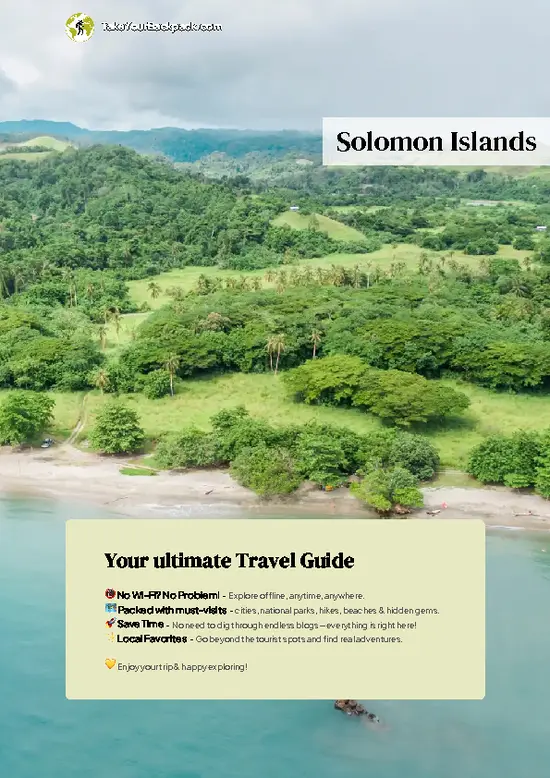
Geographic DiversityThe Solomon Islands are a patchwork of over 900 islands, each with its own character and charm. The geography ranges from rugged mountains to lush rainforests and pristine beaches. This diversity means you can experience everything from the vibrant coral reefs of the Western Province to the volcanic landscapes of the central islands. However, this beauty comes with a trade-off: travel between regions can be slow and unpredictable. Expect to spend a good chunk of your time waiting for ferries or small planes, which can affect your itinerary. Prioritize regions based on your interests—if diving is your passion, focus on the Western Province. If you’re drawn to cultural experiences, consider the central islands, where local traditions are still very much alive.
Transport …
read more 👉 Geographic DiversityThe Solomon Islands are a patchwork of over 900 islands, each with its own character and charm. The geography ranges from rugged mountains to lush rainforests and pristine beaches. This diversity means you can experience everything from the vibrant coral reefs of the Western Province to the volcanic landscapes of the central islands. However, this beauty comes with a trade-off: travel between regions can be slow and unpredictable. Expect to spend a good chunk of your time waiting for ferries or small planes, which can affect your itinerary. Prioritize regions based on your interests—if diving is your passion, focus on the Western Province. If you’re drawn to cultural experiences, consider the central islands, where local traditions are still very much alive.
Transport Between RegionsGetting around the Solomon Islands is an adventure in itself. Inter-island transport is primarily by boat or small aircraft, and schedules can be erratic. While the boats can offer stunning views of the coastline, they can also be cramped and slow. Flights are quicker but can be costly and subject to delays. When planning your trip, factor in these transport realities. Aim to visit two to three regions to balance your time spent traveling with time spent exploring. If you’re short on time, consider focusing on areas that are closer together to minimize transit time.
Cultural VariationEach region boasts its own unique culture, influenced by the islands’ history and geography. In some areas, you’ll find vibrant markets filled with local crafts and produce, while others may offer traditional ceremonies that provide a glimpse into the islanders’ way of life. The cultural richness is a significant draw, but it requires a respectful approach. Be mindful of local customs and dress codes, especially in more traditional communities. Engaging with locals can be rewarding, but it’s essential to tread lightly and ask permission before taking photos or participating in ceremonies. This cultural sensitivity will enhance your experience and foster genuine connections.
Pacing Trade-OffsThe pace of life in the Solomon Islands is unhurried, which can be both refreshing and frustrating. You might find yourself waiting longer than expected for transport or services. Embrace this slower rhythm; it allows for deeper interactions and a chance to soak in the surroundings. However, if you’re on a tight schedule, plan your itinerary with flexibility in mind. Allocate extra time for travel and consider the possibility of delays. This way, you can still enjoy the beauty of the islands without the stress of a rigid timeline.
Safety & Cultural ConsiderationsWhile the Solomon Islands are generally safe for travelers, it’s wise to stay informed about local conditions. Some areas may have higher crime rates, so stick to well-trodden paths and travel in groups when possible. Health considerations are also crucial; ensure you have the necessary vaccinations and carry a basic first-aid kit. Respect for local customs is paramount. Engaging with communities can be a highlight of your trip, but always approach with humility and respect. Learning a few words of the local language can go a long way in building rapport.
The Solomon Islands offer a rich tapestry of experiences, but the journey requires patience and an open heart. By understanding the geographic diversity, transport realities, cultural nuances, and safety considerations, you can craft a rewarding adventure that resonates long after you leave.
v2.webp)
 Best Backpacking
.jpg) Hi, I’m Johan (Netherlands 🇳🇱), the creator of TakeYourBackpack. Over the past decade, I’ve backpacked through 80+ countries across six continents, gaining extensive experience with independent travel, long-term trips, and overland routes.
Hi, I’m Johan (Netherlands 🇳🇱), the creator of TakeYourBackpack. Over the past decade, I’ve backpacked through 80+ countries across six continents, gaining extensive experience with independent travel, long-term trips, and overland routes.