v2.webp)
The Cave of Abasa
Forget the Instagram filters—Abasa’s cave is not some sanitized, ticketed attraction. It’s raw, ancient, and, frankly, a little intimidating. This isn’t a place where you’ll find souvenir stands or selfie sticks. The cave is a natural limestone formation, carved by time and wind, and it’s been a shelter, a hideout, and a place of legend for centuries. The real magic is the silence: step inside, and you’re wrapped in a cool hush that feels almost sacred. The walls are marked by the passage of people and animals long before you. If you want to feel the weight of history, this is it—no crowds, no hype, just you and the echo of centuries.
Rock Art and Ancient Inscriptions
You won’t see these in any glossy travel brochure, but the faded petroglyphs and inscriptions near Abasa … read more 👉
Forget the Instagram filters—Abasa’s cave is not some sanitized, ticketed attraction. It’s raw, ancient, and, frankly, a little intimidating. This isn’t a place where you’ll find souvenir stands or selfie sticks. The cave is a natural limestone formation, carved by time and wind, and it’s been a shelter, a hideout, and a place of legend for centuries. The real magic is the silence: step inside, and you’re wrapped in a cool hush that feels almost sacred. The walls are marked by the passage of people and animals long before you. If you want to feel the weight of history, this is it—no crowds, no hype, just you and the echo of centuries.
Rock Art and Ancient Inscriptions
You won’t see these in any glossy travel brochure, but the faded petroglyphs and inscriptions near Abasa … read more 👉
The Cave of Abasa
Forget the Instagram filters—Abasa’s cave is not some sanitized, ticketed attraction. It’s raw, ancient, and, frankly, a little intimidating. This isn’t a place where you’ll find souvenir stands or selfie sticks. The cave is a natural limestone formation, carved by time and wind, and it’s been a shelter, a hideout, and a place of legend for centuries. The real magic is the silence: step inside, and you’re wrapped in a cool hush that feels almost sacred. The walls are marked by the passage of people and animals long before you. If you want to feel the weight of history, this is it—no crowds, no hype, just you and the echo of centuries.
Rock Art and Ancient Inscriptions
You won’t see these in any glossy travel brochure, but the faded petroglyphs and inscriptions near Abasa are the real deal. They’re not as flashy as the cave paintings at Laas Geel, but that’s the point—these are subtle, almost hidden, and you have to look for them. Some depict animals, others are geometric, and a few are so worn that their meaning is lost to time. The thrill is in the hunt: you’re tracing the marks of people who lived and dreamed here long before Somalia was a country. It’s a direct, tactile connection to the past, and there’s no velvet rope between you and the art.
The View Over the Guban Plains
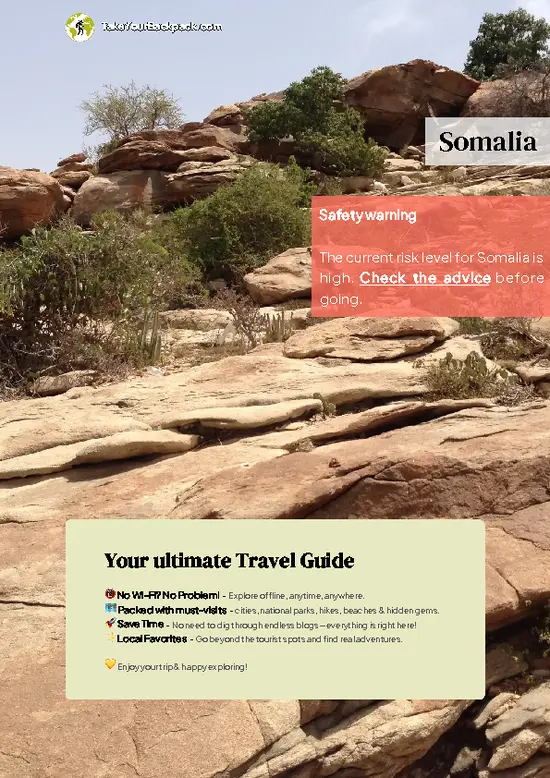
Climb above the cave and you’ll get a panorama that’s all grit and grandeur. The Guban plains stretch out in a haze of gold and ochre, broken only by the occasional acacia or wandering goat. This isn’t the lush, over-saturated landscape you see on postcards. It’s stark, honest, and beautiful in a way that sneaks up on you. At sunset, the light turns everything to bronze, and you realize why people have been drawn to this spot for millennia. There’s no crowd jostling for the perfect shot—just you, the wind, and the endless horizon.
Local Oral Histories
If you’re lucky enough to meet a local guide or elder, listen up. The stories tied to Abasa aren’t written down—they’re spoken, passed from one generation to the next. You’ll hear tales of warriors, traders, and travelers who used the cave as a waypoint or refuge. Some stories are wild, some are sad, and some are just plain funny. This is the kind of cultural richness you can’t fake or package. It’s messy, human, and unforgettable in the way only real stories can be.
The Journey Itself
Let’s be blunt: getting to Abasa is not easy. The roads are rough, the signage is non-existent, and you’ll probably have to negotiate with drivers who know the area by memory, not by map. But that’s part of the experience. The journey strips away the tourist gloss and drops you into the real Somalia—dusty, unpredictable, and full of small, surprising moments. If you want comfort, look elsewhere. If you want a story worth telling, this is your road.
Forget the Instagram filters—Abasa’s cave is not some sanitized, ticketed attraction. It’s raw, ancient, and, frankly, a little intimidating. This isn’t a place where you’ll find souvenir stands or selfie sticks. The cave is a natural limestone formation, carved by time and wind, and it’s been a shelter, a hideout, and a place of legend for centuries. The real magic is the silence: step inside, and you’re wrapped in a cool hush that feels almost sacred. The walls are marked by the passage of people and animals long before you. If you want to feel the weight of history, this is it—no crowds, no hype, just you and the echo of centuries.
Rock Art and Ancient Inscriptions
You won’t see these in any glossy travel brochure, but the faded petroglyphs and inscriptions near Abasa are the real deal. They’re not as flashy as the cave paintings at Laas Geel, but that’s the point—these are subtle, almost hidden, and you have to look for them. Some depict animals, others are geometric, and a few are so worn that their meaning is lost to time. The thrill is in the hunt: you’re tracing the marks of people who lived and dreamed here long before Somalia was a country. It’s a direct, tactile connection to the past, and there’s no velvet rope between you and the art.
The View Over the Guban Plains
Climb above the cave and you’ll get a panorama that’s all grit and grandeur. The Guban plains stretch out in a haze of gold and ochre, broken only by the occasional acacia or wandering goat. This isn’t the lush, over-saturated landscape you see on postcards. It’s stark, honest, and beautiful in a way that sneaks up on you. At sunset, the light turns everything to bronze, and you realize why people have been drawn to this spot for millennia. There’s no crowd jostling for the perfect shot—just you, the wind, and the endless horizon.
Local Oral Histories
If you’re lucky enough to meet a local guide or elder, listen up. The stories tied to Abasa aren’t written down—they’re spoken, passed from one generation to the next. You’ll hear tales of warriors, traders, and travelers who used the cave as a waypoint or refuge. Some stories are wild, some are sad, and some are just plain funny. This is the kind of cultural richness you can’t fake or package. It’s messy, human, and unforgettable in the way only real stories can be.
The Journey Itself
Let’s be blunt: getting to Abasa is not easy. The roads are rough, the signage is non-existent, and you’ll probably have to negotiate with drivers who know the area by memory, not by map. But that’s part of the experience. The journey strips away the tourist gloss and drops you into the real Somalia—dusty, unpredictable, and full of small, surprising moments. If you want comfort, look elsewhere. If you want a story worth telling, this is your road.
Spotted a mistake or missing something? Contact us.



 Best Backpacking
.jpg) Hi, I’m Johan (Netherlands 🇳🇱), the creator of TakeYourBackpack. Over the past decade, I’ve backpacked through 80+ countries across six continents, gaining extensive experience with independent travel, long-term trips, and overland routes.
Hi, I’m Johan (Netherlands 🇳🇱), the creator of TakeYourBackpack. Over the past decade, I’ve backpacked through 80+ countries across six continents, gaining extensive experience with independent travel, long-term trips, and overland routes.